REVIEW · TOKYO
Tokyo: Private Customizable Day Tour with Chauffeur
Book on GetYourGuide →Operated by Sky Land · Bookable on GetYourGuide
Tokyo can overwhelm fast. This private, customizable day tour strings together the key sights—Tsukiji Fish Market area, Sensō-ji, Tokyo Tower, Tokyo Skytree, Meiji Shrine, Imperial Palace, and Shibuya—without you wrestling with train transfers all day. I love the private pace and the way the guided stops give context as you move from neighborhood to neighborhood. One consideration: it’s a full 10-hour sightseeing day with walking, so plan on comfortable shoes and steady energy.
The best part is that you’re not locked into one rigid plan. You can move at your comfort level at each location, and the trip ends with flexible drop-offs, including Shibuya City, central Tokyo, or Kanagawa. Also, the tour offers a live guide in English, Arabic, Urdu, or Hindi, while the chauffeur is English-speaking—handy when you want your day to feel smooth, not chaotic.
In This Review
- Key things that make this Tokyo day tour work
- The real value: a chauffeur-led day that’s easy to manage
- Pickup zones across Tokyo (and how to avoid surprise surcharges)
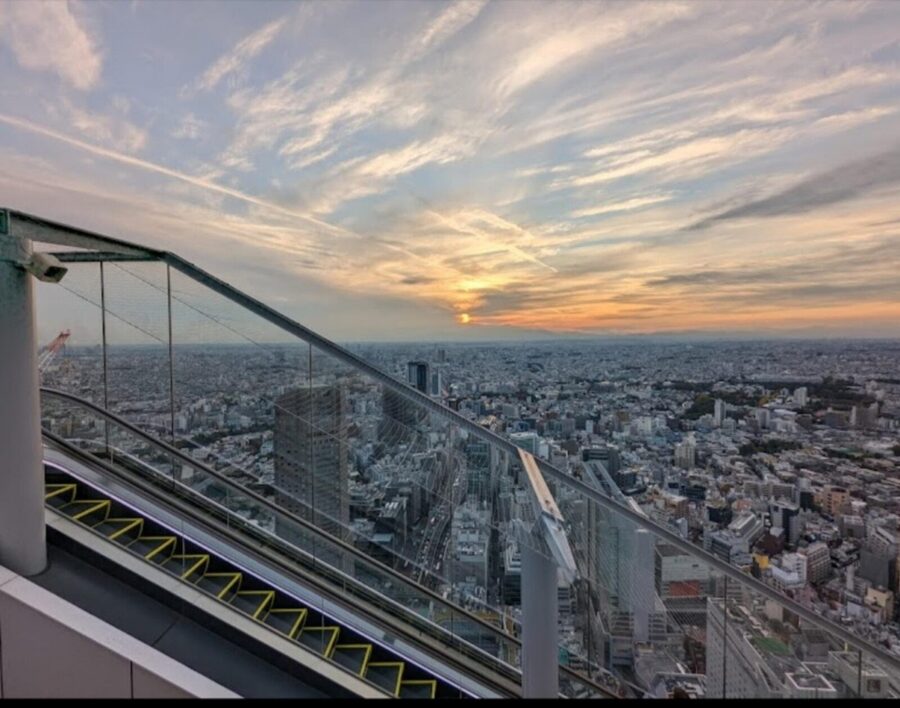
- Shibuya City and Shibuya Crossing: start with Tokyo’s loudest energy
- Tsukiji Outer Market: seafood tasting chances and market-lane context
- Sensō-ji Temple: old Tokyo sights with a clear visit structure
- Tokyo Tower vs. Tokyo Skytree: two skyline viewpoints on one day
- Meiji Shrine and Tokyo Imperial Palace: calm moments with meaning
- Ending smart: drop-offs in Shibuya, Tokyo, or Kanagawa
- What’s included, and what you should budget for
- How strenuous is this 10-hour day?
- Is $335 worth it for a private day with guided stops?
- Who should book this tour?
- Should you book it or plan your own route?
- FAQ
- What is the price for this Tokyo private day tour?
- How long is the tour?
- Where is pickup included?
- Can the drop-off be anywhere other than Tokyo?
- What language options are available?
- What are the main stops during the day?
- What should I bring and what is not allowed?
- What is the cancellation and pay-later option?
Key things that make this Tokyo day tour work
Private group setup for up to 6 people with your own chauffeur
Guided time at major stops: Tsukiji Outer Market, Sensō-ji, Tokyo Tower, and Tokyo Skytree
A logical sightseeing arc from Shibuya through temples, palaces, and skyline views
Drop-off options across Shibuya, central Tokyo, and Kanagawa
Live guide language support in English, Arabic, Urdu, and Hindi
Not wheelchair-friendly, and not a fit for kids under 5 or pregnant women
The real value: a chauffeur-led day that’s easy to manage
I like Tokyo best when I’m not doing math all day. This tour gives you a chauffeur so you can focus on seeing, asking questions, and staying on schedule. For a first-time day, that’s a big deal—Tokyo’s spread-out by design, and hopping between areas can eat your momentum fast.
The tour is priced per group (up to 6). That matters because it changes the math. If you fill the group, your cost per person drops a lot compared with booking multiple separate tickets for guides and transport. Even if you don’t fill all six seats, you still get a private setup for your time together, which is the main reason this kind of day tour feels worth it.
One more value point: the itinerary is structured but not rigid. The wording you’ll see is that the stops are at your own pace, meaning you’re not being marched in a straight line every minute.
Pickup zones across Tokyo (and how to avoid surprise surcharges)
You get pickup from Tokyo’s 23 wards and the Mt. Fuji area. That’s a wide net: Chuo, Chiyoda, Minato, Shibuya, Shinjuku, Toshima, Taito, Meguro, Bunkyo, Shinagawa, Nakano, Setagaya, Suginami, Ota, Kita, Arakawa, Sumida, Koto, Itabashi, Nerima, Edogawa, Katsushika, and Adachi are all listed.
If you’re outside those zones, there’s a surcharge of JPY 5,000–20,000 that’s paid before or on the day of the trip. I’d treat that as part of your planning, not a last-minute headache. If your hotel is near the edge of those areas, it’s worth double-checking pickup eligibility before you lock anything in.
A practical note: you should wait in the hotel lobby 10 minutes before the scheduled pickup time, and the driver will wait no longer than 60 minutes after that time. Traffic can cause delays on Tokyo highways, so it’s smart to build a little flexibility into your morning expectations.
Shibuya City and Shibuya Crossing: start with Tokyo’s loudest energy
Shibuya is one of those places that makes sense immediately. Even before you go anywhere else, you’ll feel the scale—busy streets, constant movement, and people flowing in every direction. This tour includes Shibuya City as a guided stop, and the highlight list specifically calls out Shibuya Crossing, so expect time geared toward that famous intersection area.
For me, this stop is a great way to get your bearings. After Shibuya, the day shifts into temples and viewpoints, so you get contrast instead of repeating one kind of scene. If you’re the kind of traveler who likes to photograph first and ask questions later, Shibuya is perfect. If you’re more focused on culture and history, Shibuya still works because it anchors what modern Tokyo feels like.
Tip: plan on standing and walking. Crossing areas and nearby streets can mean steps and quick movement, even if you’re not going into any special-ticket attractions.
Tsukiji Outer Market: seafood tasting chances and market-lane context
Tsukiji is famous for seafood, and this day includes the Tsukiji Outer Market area with a guided stop. Even if you’re not a huge foodie, the market lanes are a sensory shortcut to Tokyo’s everyday life: vendors, food smells, fast talk, and lots of small decisions about what to try.
The listing also suggests tasting fresh seafood, which is exactly the kind of experience that’s hard to plan solo if you don’t know where to start. The value of a guide here is simple: they help you make better choices quickly so you’re not stuck guessing while everything moves around you.
One consideration: markets can be crowded and active. Bring patience, move with purpose, and don’t expect long sit-down breaks. If you hate noise or tight spaces, this stop may feel intense, even though it’s one of the most iconic parts of the day.
Sensō-ji Temple: old Tokyo sights with a clear visit structure
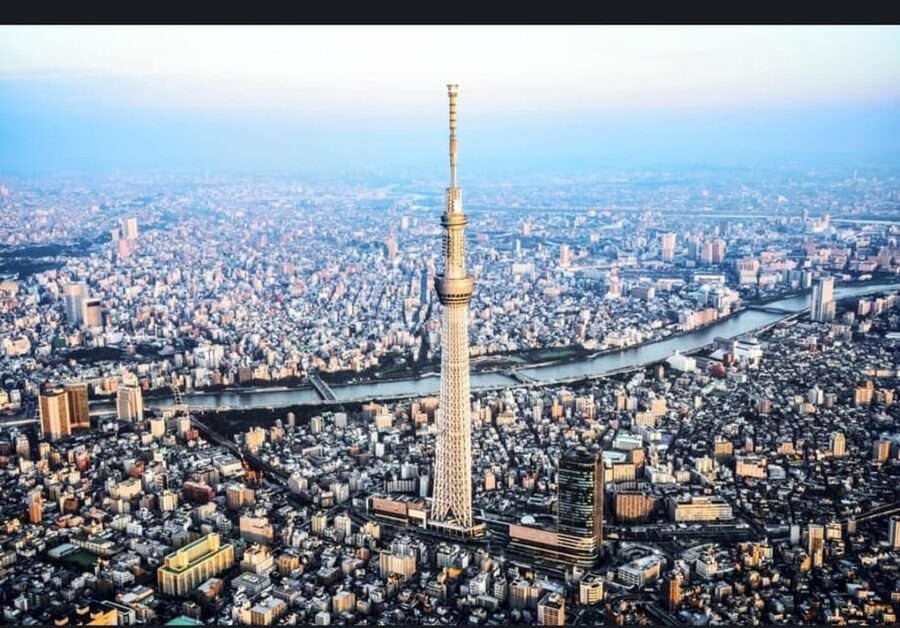
Sensō-ji Temple is one of the most recognizable cultural landmarks in Tokyo, and this tour includes it as a guided visit. This is the stop where the pace can feel more grounded. Instead of modern streets, you’re in a temple environment with its own rhythm—people praying, wandering, taking photos, and soaking in the scene.
A guide helps here because you’re not just looking at buildings. You’ll get context for what you’re seeing, which turns the visit from check-the-box into something you actually understand.
Practical angle: temple grounds often mean walking, and sometimes uneven surfaces. Also, the tour rules mention no flash photography and no smoking. If you use a camera, decide ahead of time whether you’re using it like a quick snapshot tool or for longer photo sessions—flash restrictions are easy to follow, but they can affect night shots.
Tokyo Tower vs. Tokyo Skytree: two skyline viewpoints on one day
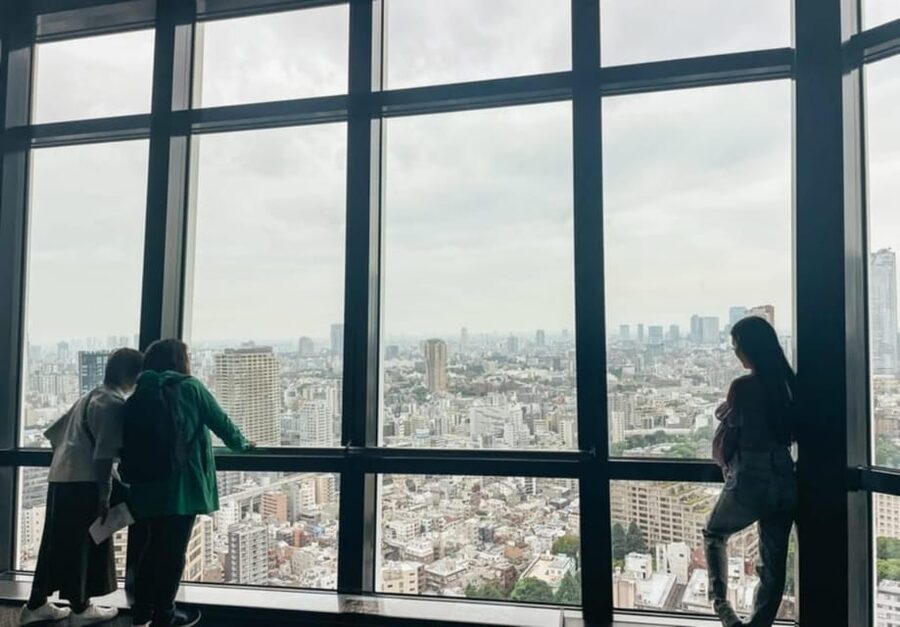
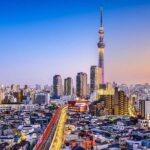
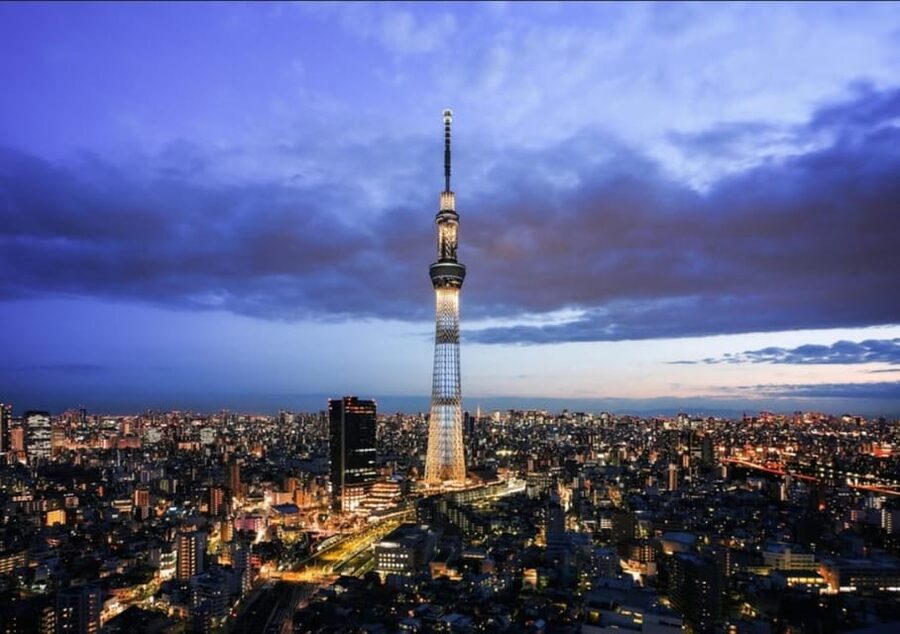
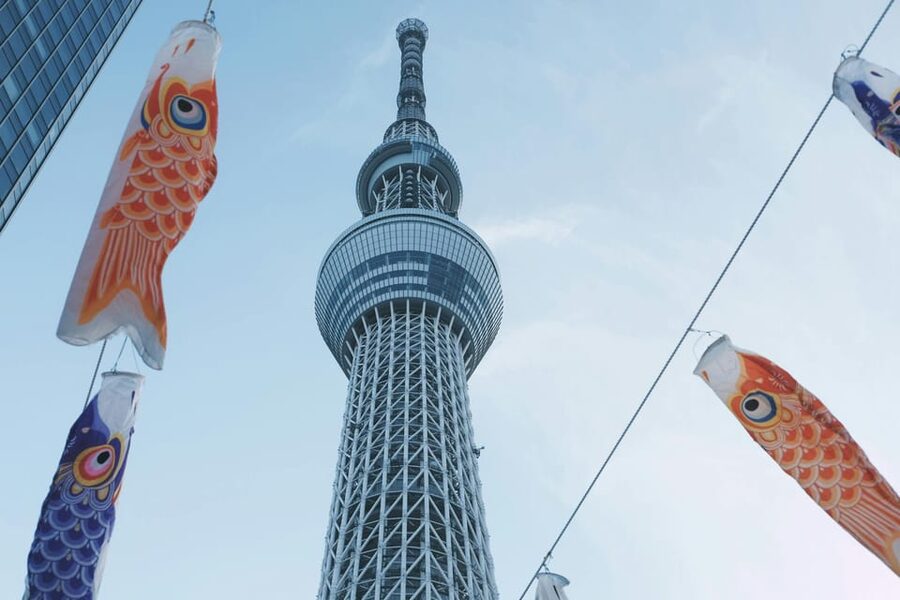
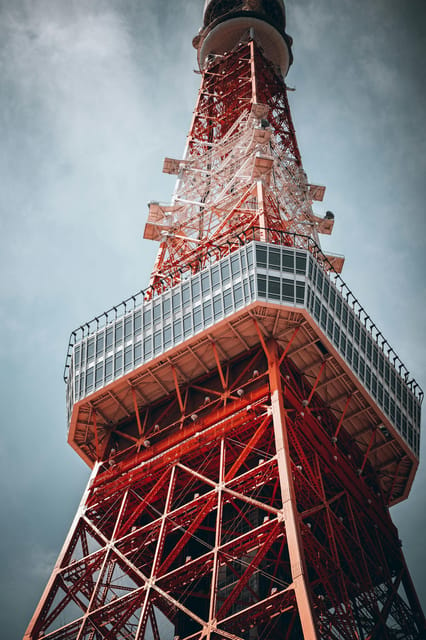
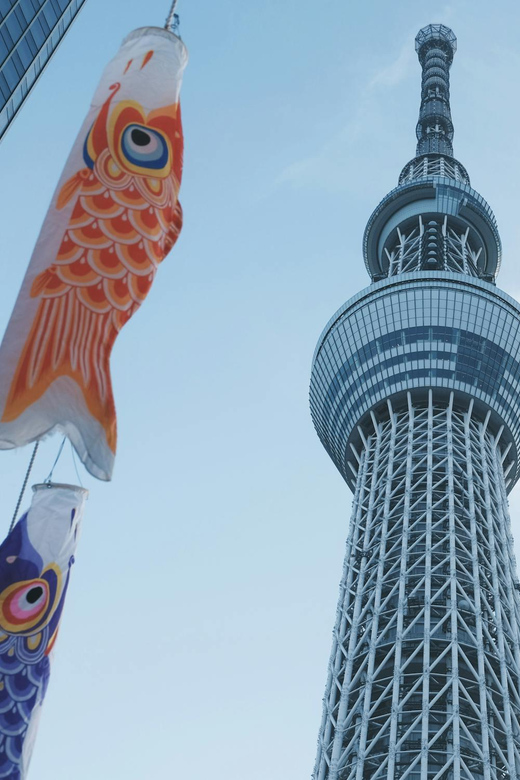
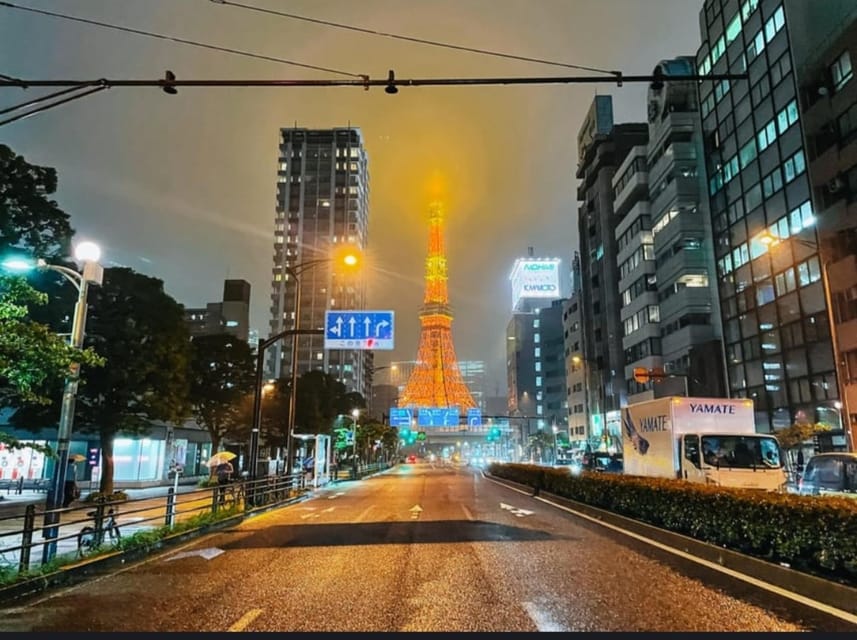
This is where a private day tour can earn its keep. Tokyo has multiple skyline icons, and trying to hit both efficiently on your own can be tricky. Here, you get guided visits to both Tokyo Tower and Tokyo Skytree during the same 10-hour window.
Tokyo Tower gives you the classic silhouette feel—more iconic, more old-school. Skytree is all about height and modern spectacle. I like doing both back-to-back because you get two different impressions without having to choose just one.
What you should watch for is timing and weather. If skies are clear, both viewpoints can pay off big time. If it’s gray or rainy, you may still enjoy the landmarks, but the view factor can drop. Because your day is only 10 hours, you don’t want to spend too long debating which one to prioritize.
The guide element matters again: you’ll get help with the flow of the area and where to focus your time for photos and city views.
Meiji Shrine and Tokyo Imperial Palace: calm moments with meaning
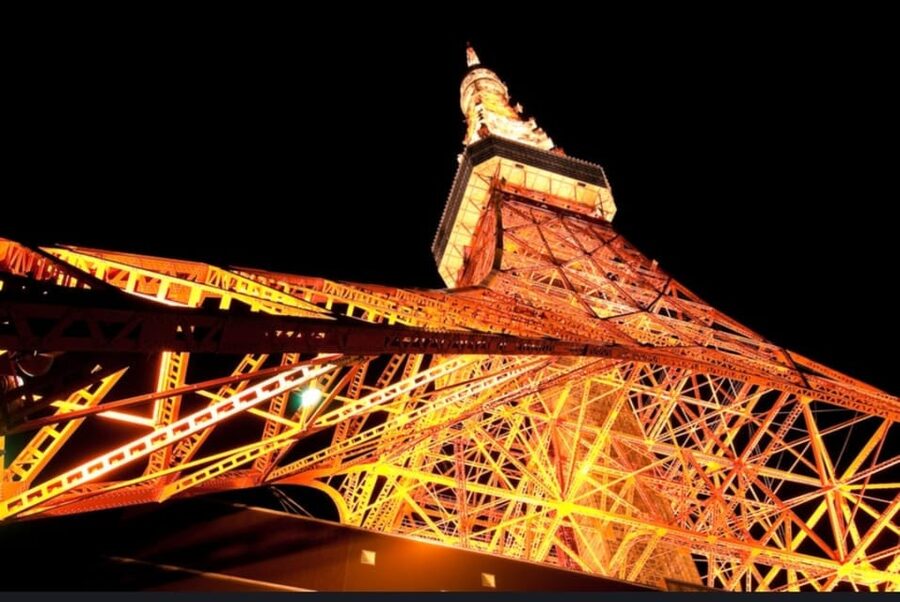
A good Tokyo day needs balance. After the crowds and skyscraper energy, this tour shifts into more reflective settings with Meiji Shrine and Tokyo Imperial Palace.
At Meiji Shrine, you’re looking for a reset. The atmosphere is calmer, and the experience is about slowing down enough to notice details. This is a great time to put your phone away for a bit and just watch how people move through the space.
The Imperial Palace visit adds a different kind of interest: it connects modern Tokyo with the idea of the imperial grounds and the ceremonial scale of power in Japan’s history. You’ll get guided context so the area isn’t just a backdrop for photos.
One practical consideration: even calm stops involve walking. Also, the tour rules say no eating during the tour, so if you snack easily while you wander, you’ll want to plan around that.
Ending smart: drop-offs in Shibuya, Tokyo, or Kanagawa
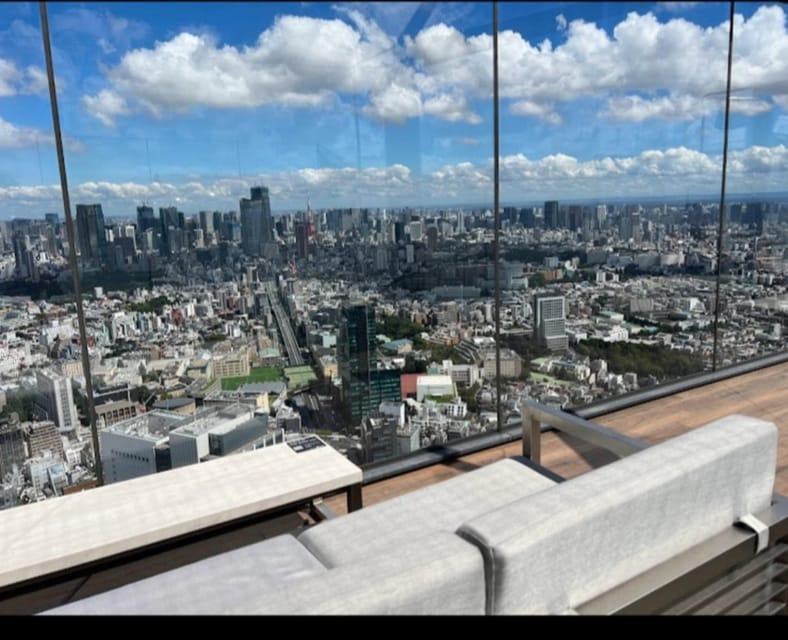
Most group tours end with a generic return to the same starting point. This one is more flexible. It mentions flexible drop-off options including Shibuya City, Tokyo, and Kanagawa, so you’re more likely to finish your day close to where you actually want to be.
This is especially helpful if you’re staying in a different area than you started. It can save you time and reduce the evening friction of getting home after a long day.
What’s included, and what you should budget for
Included:
- Expert English-speaking chauffeur
- Guided tours at each stop
- Flexible drop-off options
- Private group setup
Not included:
- Drinks
That might sound small, but it matters on a 10-hour day. You’ll be out walking and in traffic between areas, so water planning is key. The tour guidance explicitly says to bring water, plus sunscreen and a hat. I’d follow that advice closely, especially if you’re traveling during hotter months.
Also note the rules:
- No smoking
- No eating
- No flash photography
If you’re traveling with a camera, double-check your settings ahead of time so you can keep moving without stress.
How strenuous is this 10-hour day?
Based on what’s included, expect a lot of walking and standing across different environments: market lanes, temple areas, and two skyline landmarks. It’s not described as wheelchair-friendly, and it’s listed as not suitable for wheelchair users, children under 5, and pregnant women.
If you’re an adult who can handle long stretches on your feet, you’ll likely enjoy the variety. If you tire quickly, you’ll want to plan your day with realistic expectations: this is about seeing Tokyo’s big icons in one shot, not taking endless breaks between stops.
Bring comfortable shoes. Bring a hat. Bring sunscreen. And if you know you get headaches in bright light, pack whatever you need to stay functional.
Is $335 worth it for a private day with guided stops?
Let’s look at the value in plain terms. You’re paying for:
- A chauffeur for a full 10-hour day
- Guided visits at multiple major attractions
- A private group experience up to 6 people
- Flexible drop-off within the Tokyo area
At $335 per group, it’s not a cheap day, but it can be good value if:
- You want to cover a lot of major Tokyo sights efficiently
- You prefer private transport over coordinating trains
- You’re going as a group and can split the cost
- You want explanations, not just photos
If you’re traveling solo or as a couple and you’re comfortable using trains, you might compare costs. But if your priority is convenience and a stress-light day, the private setup is exactly what you’re buying.
Who should book this tour?
You’ll get the most out of it if you:
- Want a first-timer’s Tokyo highlights day with a structured route
- Prefer private transport instead of constant transfers
- Like guided context at landmarks like Sensō-ji, Meiji Shrine, and the Imperial Palace area
- Want a skyline sweep with Tokyo Tower and Tokyo Skytree in one day
- Are traveling with up to 6 people and can share the group cost
It may not be the best fit if you:
- Need wheelchair access
- Travel with kids under 5
- Are pregnant and prefer a less physically demanding format
- Want long restaurant breaks and eating during the walk
Should you book it or plan your own route?
Book it if you want a one-day Tokyo plan that feels organized, private, and guided, with flexibility to end in Shibuya or around Tokyo/Kanagawa. The biggest wins are the combination of major landmarks, a chauffeur to reduce transit stress, and the language options for guided support.
Skip it if you’re the type who loves building your own day, hopping trains, and staying flexible at the last minute with lots of free time. A self-planned route can work well if you don’t mind figuring out logistics and if you’re comfortable at least some of the day alone.
FAQ
What is the price for this Tokyo private day tour?
The price is $335 per group, up to 6 people.
How long is the tour?
The tour lasts 10 hours.
Where is pickup included?
Pickup is included from Tokyo’s 23 wards and the Mt. Fuji area. Other areas may have a surcharge of JPY 5,000–20,000 paid before or on the day of the trip.
Can the drop-off be anywhere other than Tokyo?
Yes. Drop-off options include Shibuya City, Tokyo, and Kanagawa.
What language options are available?
The live tour guide is available in English, Arabic, Urdu, and Hindi. The chauffeur is described as expert English-speaking.
What are the main stops during the day?
The tour includes Shibuya City (with Shibuya Crossing), Tsukiji Outer Market, Sensō-ji Temple, Tokyo Tower, Tokyo Skytree, Meiji Shrine, and Tokyo Imperial Palace.
What should I bring and what is not allowed?
Bring comfortable shoes, a hat, a camera, sunscreen, and water. Smoking is not allowed, and flash photography is not allowed. Eating is also not allowed during the tour.
What is the cancellation and pay-later option?
You can cancel up to 24 hours in advance for a full refund. You can also reserve now and pay later.