REVIEW · TOKYO
Tokyo Private Tour by Vehicle with English-Speaking Chauffeur
Book on Viator →Operated by Tokyo Grand Tours · Bookable on Viator
Tokyo looks complicated until a driver handles it. This full-day private tour combines hotel pickup, an English-speaking chauffeur, and pocket Wi‑Fi so you can see big-name Tokyo without stressing over routes.
I love the flexible route. You can roll with a set plan or shape the day around your must-sees. I also like that the chauffeur explains what you’re looking at during the ride, so the day feels planned, not chaotic.
One drawback to factor in: Skytree tickets cost extra, and a long, stop-heavy day can feel like a lot if the weather is rough or if something is closed when you arrive.
In This Review
- Key highlights to know before you go
- Why a private chauffeur tour is smart for first-timers in Tokyo
- What you get in the car: bottled water, English service, and commentary timing
- Senso‑ji Temple in Asakusa: start with Tokyo’s oldest landmark
- Tokyo Skytree: world-tall views, but plan for ticket costs
- Tsukiji Outer Market: the food stop that turns the day into real Tokyo
- Imperial Palace East Gardens: Edo Castle’s inner defenses, now a calm break
- Meiji Jingu Shrine: Emperor Meiji and a shrine built for modern Japan
- Shibuya Crossing and Takeshita Street: two Tokyo “faces” in one day
- How guides like Moshe, Oriol, Richard, Sam, and Mattia shape the day
- Value for money: when $468.91 per group feels fair
- Practical tips so the day doesn’t get away from you
- Should you book this Tokyo private chauffeur tour?
- FAQ
- How long is the Tokyo private tour by vehicle?
- How many people are in a group?
- Does the tour include hotel pickup and drop-off?
- What’s included besides the driver and car?
- Are tickets included for all stops?
- Is there a walking guide during the stops?
- Is the guide guaranteed to speak English?
Key highlights to know before you go
- Hotel pickup and drop-off keep your day from getting eaten by transit planning
- Pocket Wi‑Fi helps you navigate, translate, and handle restaurant reservations on the fly
- Senso‑ji and Shibuya give you iconic Tokyo energy fast
- Skytree is the one major add-on cost if you want the tower views
- You’ll get driver context between stops, but this is not a guided walking tour
Why a private chauffeur tour is smart for first-timers in Tokyo
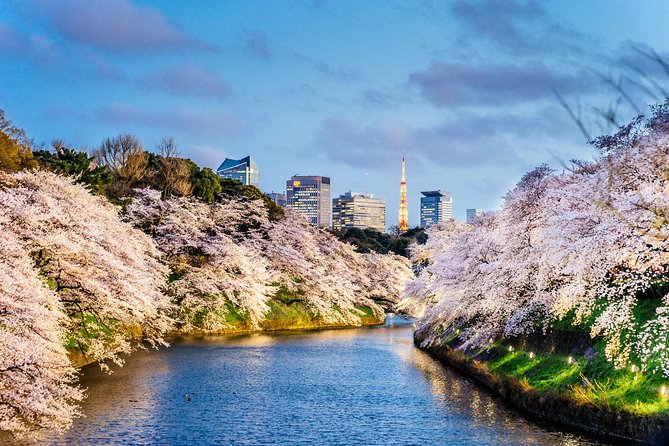
Tokyo is massive, and the fastest route can still feel like a puzzle—especially when you’re carrying bags, dealing with jet lag, or trying to squeeze in a long layover. A private vehicle changes the game. You’re not timing trains, you’re not decoding stations, and you’re not hunting for taxis on a schedule.
The big win is control. You can leave earlier if you want calmer streets, you can slow down where something grabs you, and you can skip the parts that don’t fit your style. With this tour, the “plan” is flexible enough to make sense for real people, not tour robots.
Another practical win: you get to spend your energy on the city instead of on logistics. That’s a big deal if you’re traveling with older parents, as many families did. In a country famous for public transport, this is one of those rare chances to choose comfort without losing the sights.
What you get in the car: bottled water, English service, and commentary timing
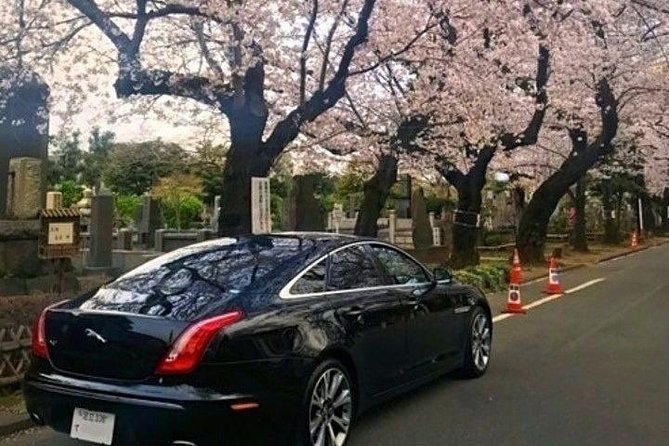
This experience is built around a private vehicle and a chauffeur who handles the driving and the flow of the day. You’ll get bottled water, plus hotel pickup and hotel drop-off.
You also get Pocket Wi‑Fi. For many visitors, that’s not just convenience—it’s confidence. You can look up opening times, find your way back to a station if you wander a little, or translate menus while you’re deciding what to eat.
One important detail: there is no walking guide. The driver provides the relevant information while you’re in the car between destinations. That means you won’t have someone walking next to you explaining every square meter. Instead, you get a helpful setup right before each stop, then you explore at your own pace.
That format can be great when you want freedom. It can be less satisfying if you’re hoping for deep, on-the-ground explanations the whole time you’re standing in a temple courtyard or shopping street.
Senso‑ji Temple in Asakusa: start with Tokyo’s oldest landmark
Senso‑ji is Tokyo’s oldest and most prominent temple, with origins dating back nearly 1400 years. It’s a symbol of Asakusa—and by extension, a shortcut to understanding why Tokyo has such a visible mix of tradition and modern life.
You’re scheduled for about 1 hour 5 minutes, and the entry ticket is listed as free. That time is enough to do the essentials: soak in the atmosphere, look around the main temple area, and walk the surrounding streets without feeling rushed.
Because this tour doesn’t include a walking guide, treat the time like a choose-your-own pace moment. If you like photography, this is a strong stop for it. If you prefer slower wandering, you’ll be able to stretch out a bit—then your chauffeur can move you along when you’re ready.
Potential consideration: this kind of landmark often means lots of people. If you’re sensitive to crowds, you’ll feel better if you’re mentally prepared and you stick to your plan for what you want to see in that first hour.
Tokyo Skytree: world-tall views, but plan for ticket costs
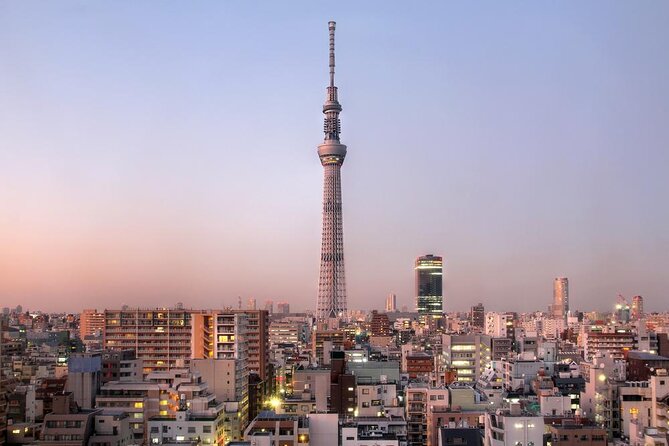
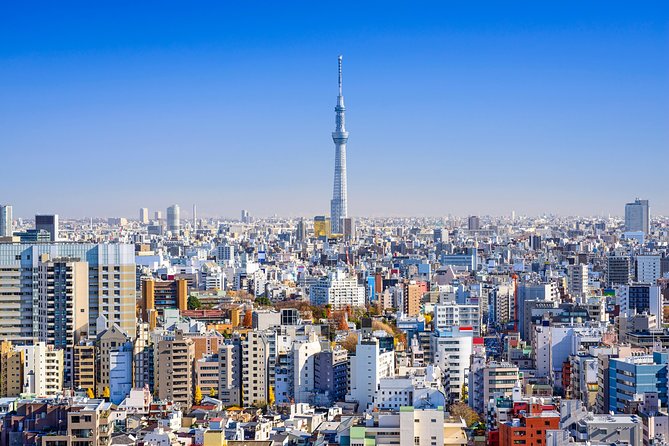
Tokyo Skytree is scheduled for about 1 hour 20 minutes. It’s the world’s tallest tower at 634m, and it gives you a dramatic overview of the city.
The key financial detail: Skytree admission is not included. If tower views are a must for your trip, add that cost to your budget early so the day doesn’t surprise you at the last minute.
This is a great stop if you want one of those “now I get Tokyo” moments—when the sprawl makes sense from above. It’s also a useful anchor for planning the rest of the trip, because you’ll see where neighborhoods sit relative to each other.
Practical tip: build some breathing room into your schedule. Tower visits often involve lines and ticket timing. The more calmly you manage that, the more enjoyable the view becomes.
Tsukiji Outer Market: the food stop that turns the day into real Tokyo
Tsukiji Outer Market is one of the best places in Tokyo to experience the city’s food culture close-up. You’re allotted about 1 hour 30 minutes, and admission is listed as free.
The market is famous for the mix: street food stalls and restaurants serving both raw and cooked options. The best way to use this stop is to think small and strategic. Pick a few bites rather than trying to finish a full sit-down meal in the middle of a walking area, especially if you still have shrine and crossing stops later.
Lunch fits naturally here. Some visitors structure the day so they eat early enough to avoid a late-day scramble. If you’re traveling with picky eaters, you’ll usually have choices—just keep it casual and share items.
One caution from the tour’s real-world pace: if you spend too long in one stall, you can accidentally squeeze the rest of your day. This is where the car time matters. Your chauffeur can keep the schedule realistic so you’re not “rushed” but still done before the day loses energy.
Imperial Palace East Gardens: Edo Castle’s inner defenses, now a calm break
Between Tsukiji and the shrines, the day includes Imperial Palace East Gardens—part of the inner palace area and, historically, the former site of Edo Castle’s innermost circles of defense.
Even without extra “lecture time,” this stop offers a different mood from the markets and busy streets. It’s a pause where the city feels less like screens and commerce, more like space and structure.
A key point: the exact duration for this stop isn’t listed in the details you provided. What is clear is that it fits inside a 7 to 9 hour day, so it’s meant to be manageable. If you’re someone who likes gardens, quiet walks, and noticing how Tokyo preserves history in public spaces, you’ll likely appreciate it.
Since there’s no walking guide, use the car commentary setup to know what you’re looking for. Then treat the gardens like your own self-guided wandering time.
Meiji Jingu Shrine: Emperor Meiji and a shrine built for modern Japan
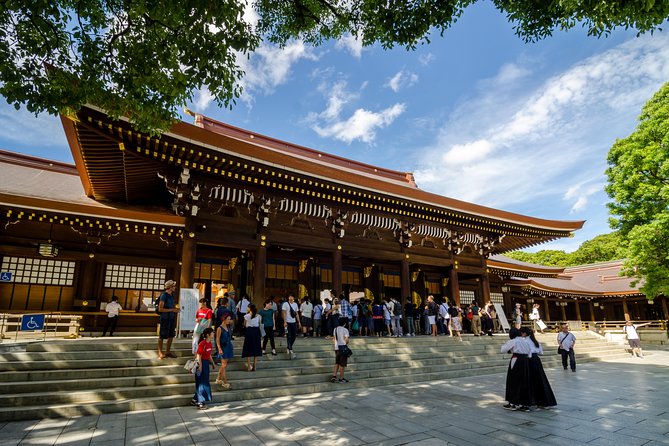
Next up is Meiji Jingu Shrine, a major spiritual site and one of Tokyo’s most important shrines. It’s dedicated to the deified spirits of Emperor Meiji and Empress Shoken, and it was completed in 1920. Emperor Meiji is noted here as the first emperor of modern Japan.
You get about 1 hour 20 minutes, and the entry is listed as free.
This stop is ideal if you want a strong contrast after the sensory overload of markets and trendy shopping. The shrine experience is more about pace: slow steps, quiet observation, and time to notice the setting.
Because the driver focuses explanations in transit, I’d recommend you use the in-car briefing to connect the dots. You’ll get more out of the shrine once you understand who it honors and why it matters.
Shibuya Crossing and Takeshita Street: two Tokyo “faces” in one day
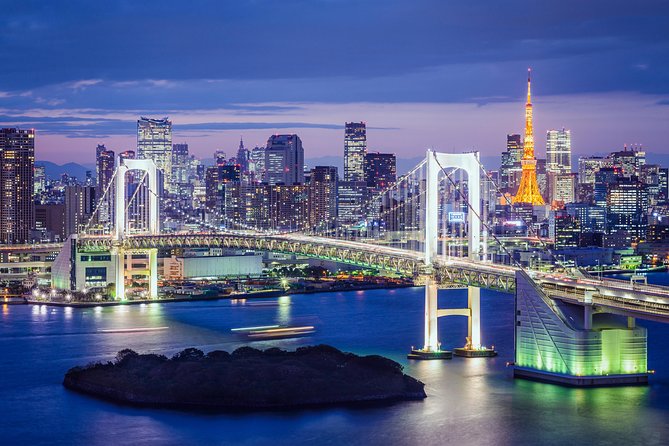
This is where Tokyo’s energy turns up.
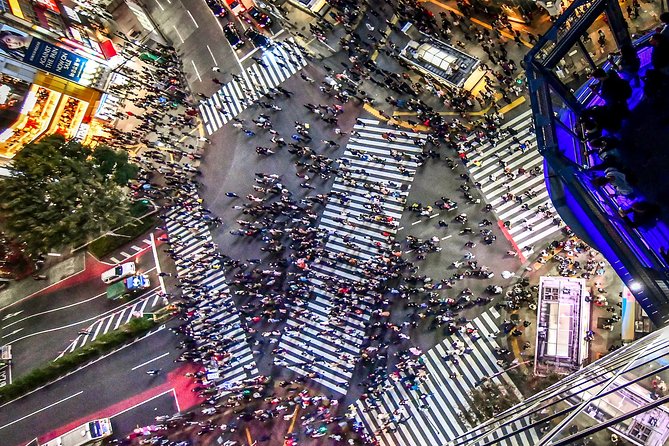
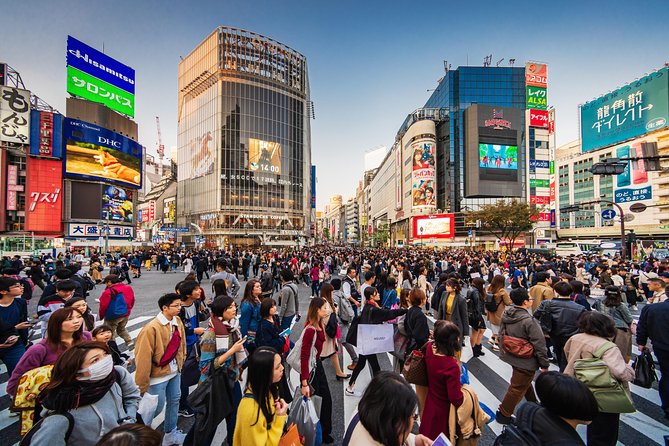
Shibuya Crossing is scheduled for about 50 minutes. It’s described as the busiest intersection in the world and a well-known landmark. This isn’t about history—it’s about scale and the modern pulse of the city.
Then you head to Takeshita Street in Harajuku for about 1 hour 5 minutes. Harajuku is known for youth fashion, street art, quirky vintage shops, and cosplay stores. Admission is listed as free.
How to enjoy this duo without feeling scattered:
- Treat Shibuya as your photo-and-people-watching checkpoint.
- Then shift gears for Takeshita, which is more about browsing and discovering style.
Because these are iconic and close together on the map, they’re a smart payoff after the more reflective stops. Also, these streets are excellent for small shopping decisions—souvenirs, snacks, or a quick outfit idea—without needing long planning.
Potential consideration: this is where time pressure can sneak in on long days. If you’re with kids, or if you hate feeling rushed in crowds, tell your chauffeur what matters most before you arrive at Shibuya.
How guides like Moshe, Oriol, Richard, Sam, and Mattia shape the day
The tour’s core structure is the same, but the day lives or dies on the driver. The strongest feedback patterns point to chauffeurs who do three things well: clear explanations, safe driving, and a flexible schedule.
Some drivers are noted for making the day feel stress-free even when the itinerary is packed. Moshe comes up often for being personable and sharing lots of perspective on Tokyo and culture. Oriol is described as fluent in English and Spanish, and originally from Barcelona—useful if your group includes Spanish speakers or you just want smoother conversation. Richard and Mattia are also mentioned as accommodating, with Mattia described as safe and informative.
One of the best parts is customization. Some visitors ended up with off-the-beaten-path neighborhoods, cemetery gardens, and extra time where it mattered—rather than running the day like a stopwatch.
Still, there are a few caution flags worth knowing:
- A couple of experiences mention late start timing due to a system mix-up.
- One note says some attractions were closed, which can shift the flow.
- A small number of comments mention the guide spent too much time on politics or cultural opinions, which can be uncomfortable on vacation.
If you want a calm, neutral tour vibe, it’s totally reasonable to set that expectation early. A good chauffeur will adjust quickly: sights first, respectful talk, no soapbox.
Value for money: when $468.91 per group feels fair
This costs $468.91 per group (up to 4). That’s a big headline number, but private transport in Tokyo isn’t cheap. The real question is whether you’re getting the value of time, convenience, and stress reduction.
Here’s the simple math:
- For 4 people, it works out to about $117 each.
- For 2 people, it’s about $234 each.
At $117 per person, this starts to look like good value, especially when you factor in hotel pickup/drop-off, bottled water, Pocket Wi‑Fi, and a private vehicle for a full day. At $234 per person, it’s still reasonable if you hate transit hassles, you want a tailored pace, or you’re traveling as a family and want everyone to stay together.
Don’t forget the add-on cost: Skytree ticket is not included. If you’re planning to go up, budget for that on top of the tour price.
My rule of thumb: if your group has 3–4 people, you’ll feel the value fast. If it’s just you (or two), consider whether you’d otherwise spend a big chunk of time figuring out transit. If the answer is yes, this tour can still be worth it.
Practical tips so the day doesn’t get away from you
A private car day can feel effortless, but you’ll get even more out of it with a few small moves.
First, decide your priorities before the chauffeur arrives. If Senso‑ji and Shibuya are musts, say so. If you want more local shopping and less “checklist time,” say that too. Drivers can adjust when they know your preferences.
Second, treat Takeshita and the market like browsing zones, not marathons. The trip includes a lot of stops in one day. If you try to do everything at full intensity, you’ll feel it later.
Third, use Pocket Wi‑Fi right away. Even if you don’t think you’ll need it, it’s useful for quick checks: hours, transit alternatives if needed, or finding a restaurant later. It also helps your group split if someone wants a bathroom break or a quick photo stop.
Finally, plan for comfort. You may not walk all day, but you will move. Bring comfortable shoes and keep water handy.
Should you book this Tokyo private chauffeur tour?
I’d book this if you want Tokyo highlights without learning the subway in real time. It’s especially smart for first-timers, families, people with limited time, or anyone who hates the idea of dragging luggage through stations.
You should also consider it if you care about pace. The schedule is tight enough to cover big sights, but it’s flexible enough to help you avoid the feeling of rushing from one photo spot to the next.
Skip it or treat it cautiously if you want a fully guided, step-by-step walking tour with constant on-the-ground narration. Here, the driver explains most of the background during travel time, and you do the walking and exploring on your own.
If you want a day that feels organized, comfortable, and realistic, this is a strong choice.
FAQ
How long is the Tokyo private tour by vehicle?
It runs about 7 to 9 hours.
How many people are in a group?
The price is per group up to 4.
Does the tour include hotel pickup and drop-off?
Yes. Hotel pickup and hotel drop-off are included.
What’s included besides the driver and car?
You get bottled water and Pocket Wi‑Fi, plus transport by private vehicle and a private tour.
Are tickets included for all stops?
Some are listed as free, like Senso‑ji Temple, Tsukiji Outer Market, and Meiji Jingu. Tokyo Skytree admission is not included.
Is there a walking guide during the stops?
No. This tour does not include a walking guide. The driver provides relevant information while you’re in the car between destinations.
Is the guide guaranteed to speak English?
The tour is described as an English-speaking chauffeur, and it may be operated by a multi-lingual guide.