REVIEW · TOKYO
Mt FUJI Day Tour with Private Car and English Speaking Guide
Book on Viator →Operated by Matcha Tour · Bookable on Viator
Chasing Mt. Fuji feels different when you get a whole day. This private tour lets you ride in a comfortable air-conditioned car with an English-speaking guide, then hit classic views like Chureito Pagoda and the Fuji Five Lakes area without the hassle of trains and transfers. I especially like the convenience of round-trip hotel pickup and the way the day can flex around what you want to see. The main drawback to plan for: some of the most famous spots get crowded fast, and a few activities have extra entrance fees on top of the tour price.
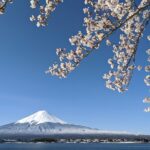
If you’re hoping for the full Fuji effect, timing matters. Your guide will try to make the day work with road conditions and daylight, and several guides are praised for being patient with photos and keeping the pace comfortable. Still, Mt. Fuji can hide behind cloud cover, so be ready to adjust expectations if visibility changes.
In This Review
- Key Things I’d Zero In On
- Why This Private Mt. Fuji Day Tour Feels Less Like a Chore
- Price and Value: $440 for a Private Day Makes Sense If You Use It Right
- Hotel Pickup and the Comfort Factor You’ll Feel Early
- Chureito Pagoda at Arakura Sengen Shrine: The Classic View, With Crowds to Manage
- Kitaguchi Hongu Fuji Sengen Jinja: The Start of a Sacred Mountain Story
- Oshino Hakkai: Fuji Snowmelt Water and the Calm Between Views
- Mt. Fuji 5th Station: Up Close, Weather-Dependent, and Tricky in Hiking Season
- Lake Kawaguchiko to Oishi Park: Where Fuji Looks at You Back
- Ropeway, Ice Cave, and the Kubota Art Museum: Make the Day Yours
- Mt. Fuji Panoramic Ropeway
- Itchiku Kubota Art Museum
- Narusawa Ice Cave
- Lake Yamanaka: Your Chance for a Quieter Fuji Moment
- Weather: How to Think About Fuji When Clouds Change the Plan
- Who This Tour Fits Best (And Who Might Prefer Something Else)
- Should You Book This Mt. Fuji Private Car Tour?
- FAQ
- How many people can join this private Mt. Fuji day tour?
- Are hotel pickups included?
- What’s included in the tour price?
- What entrance fees or extras should I expect?
- Can the car go to Mt. Fuji 5th Station during hiking season?
- Do I need to buy a ticket ahead of time?
- Is good weather required?
Key Things I’d Zero In On
- Hotel pickup and private car from Tokyo saves hours versus DIY planning
- Choose 5 to 6 stops from a menu, so the day fits your interests and time
- Chureito Pagoda and shrine starts give you both the iconic view and the cultural context
- Mt. Fuji 5th Station may require a bus during hiking season (car access restrictions)
- Optional add-ons like the ropeway, Ice Cave, and Kubota museum let you shape the day
- Guide-led photo help and route flexibility is a big reason people rate this so highly
Why This Private Mt. Fuji Day Tour Feels Less Like a Chore
From Tokyo, Mt. Fuji can turn into a logistics puzzle: which train, which lake, which bus, then where to stand for the best angle. This tour cuts the friction by sending a driver and English-speaking guide to your hotel and handling the long road segments for you. You spend more time looking out the window—and then looking at Mt. Fuji—rather than comparing schedules.
What I like most is the format: it’s truly private for up to 3 people, so you can set the tone. Want more photo stops? Want calmer lakes over busy viewpoints? Your guide can steer you toward the day’s best fit instead of following a rigid group checklist.
One practical note: the itinerary can include a longer list of possible stops, but you’ll typically select your 5 to 6 priorities based on time. That’s important because Fuji-area driving takes longer than it looks on a map, especially when you’re leaving and returning to Tokyo.
Price and Value: $440 for a Private Day Makes Sense If You Use It Right
The headline price is $440 per group (up to 3) for roughly 9 to 10 hours. If that’s only one or two people, the math can feel steep. If you have three people (friends, family, or a small travel pod), it becomes a lot more reasonable because you’re paying for a car and guide rather than tickets and taxi hops all day.
Here’s what your price typically covers:
- Private transportation in a modern, clean air-conditioned vehicle
- Parking fees, petrol/gas, and highway tolls
- An English-speaking guide experience
- A mobile ticket
And here’s what you should budget separately:
- Lunch is not included
- Extra admission fees for certain sights (some are free, some are not)
- Mt. Fuji entrance fee: 2800¥ per group
- Mt. Fuji 5th Station shuttle bus during hiking season: 2,500¥ per person
- Saiko Iyashi no Sato Nenba: 500¥ per person (if it’s on your selected list)
- Itchiku Kubota Art Museum: 1,500¥ per person
- Narusawa Ice Cave: 400¥ per person
So the value comes from how you spend the day. If you want multiple viewpoints plus a lake loop plus at least one paid attraction, this private setup is often worth it. If you only want one quick look and nothing else, a bus tour or train-based day might cost less.
Hotel Pickup and the Comfort Factor You’ll Feel Early
Round-trip transfers from Tokyo hotels are a big deal on a long day. You don’t have to organize meeting points, guess which platform, or stand around waiting with a suitcase full of rain gear. Instead, you’re in the vehicle early and moving.
Drivers also matter. In the feedback for this tour, punctual pickup and smooth driving come up repeatedly. People also highlight clear English communication and helpful guidance on what’s worth the time at each stop. Names that show up often include Amir and Shah, with other praised guides like Sikii, Zubi, and Harry.
If you’re sensitive to motion or you’re traveling with someone who gets tired easily, the air-conditioned car is a real comfort upgrade—especially when traffic on the Tokyo exits can be slow.
Chureito Pagoda at Arakura Sengen Shrine: The Classic View, With Crowds to Manage
Chureito Pagoda is the postcard Mt. Fuji stop in Fujiyoshida City. It sits within the Arakura Sengen Shrine area, and reaching the viewpoint involves climbing stairs. The payoff is that signature composition: a pagoda frame with Mt. Fuji behind it.
Why it’s a great stop:
- It’s one of the quickest ways to get that iconic Fuji photo
- You get the shrine setting, not just a random roadside view
The trade-off:
- It can get crowded. Even on a good day, you may share the best angles with other photographers and tour groups.
- If you’re sensitive to crowds, ask your guide about photo timing and where to step for slightly less congestion.
A smart strategy is to treat this as a photo-first stop. Spend enough time to get your shots, then don’t let the crowd slow your whole day.
Kitaguchi Hongu Fuji Sengen Jinja: The Start of a Sacred Mountain Story
Next up is Kitaguchi Hongu Fuji Sengen Jinja, a Shinto shrine at the northern foot of Mount Fuji. It’s described as the main entrance to the Yoshida Trail, which gives the whole region a deeper meaning than just sightseeing.
What I’d expect you to notice here:
- This stop gives you cultural context for the mountain. You’re not only chasing views; you’re also stepping into a place with spiritual ties to climbing Fuji.
- It’s a good “reset” after the stair-and-view intensity of Chureito Pagoda.
This is also a good opportunity to ask your guide questions. Several guides are praised for being patient and for helping with explanations and photo timing, not just driving you between points.
Oshino Hakkai: Fuji Snowmelt Water and the Calm Between Views
Oshino Hakkai is famous for its clear spring-water ponds fed by snowmelt and underground sources from Mt. Fuji. It has the feel of a small village stop—enough time to stroll, look, and breathe without sprinting.
Why it’s worth including:
- It’s a different side of Mt. Fuji than the pagoda viewpoint or the lake panoramas
- The water ponds create a quiet scene that balances the rest of the day
Potential downside:
- You may still find crowds, but the vibe is generally calmer than the most famous photo spots.
If you like everyday details—water channels, small shops, simple views—this is usually one of the stops people remember after the initial Fuji shock fades.
Mt. Fuji 5th Station: Up Close, Weather-Dependent, and Tricky in Hiking Season
Mt. Fuji 5th Station is the most popular starting point for climbers heading upward. It sits around 2,300 meters, and even if you’re not hiking the summit, it’s the point where the mountain stops being a distant silhouette and starts feeling huge up close.
Important logistics you should know:
- The tour can include a stop at the 5th Station for about 1 hour, but the actual plan changes during hiking season.
- During hiking season, private cars aren’t allowed to go to Mt. Fuji 5th Station, so you’ll likely need to take a shuttle bus, which costs 2,500¥ per person.
- That means you should build in time buffer for the bus process and follow your guide’s timing cues.
Why this stop is powerful:
- Even in cloud or fog, you can sometimes catch views from above the layer, which is exactly what multiple guides have been credited for in foggy conditions.
- You’ll feel how altitude changes the air and the whole mood of the mountain area.
The reality check:
- Visibility can be limited by weather. If Mt. Fuji is hiding, the 5th Station becomes more about the atmosphere and the experience than the iconic clear shot.
Lake Kawaguchiko to Oishi Park: Where Fuji Looks at You Back
Lake Kawaguchiko is one of the most popular bases for seeing Mt. Fuji reflected and framed by lakeside viewpoints. Your tour includes a stop here (about 1 hour) plus optional or paired time at nearby scenic spots.
A big plus of Lake Kawaguchiko:
- You get practical sightseeing plus food opportunities along the waterfront.
- It’s easier to enjoy Fuji views while also taking breaks—something that helps when the day runs long.
From there, Oishi Park adds a colorful, garden-style viewpoint on the lake with extra time (about 30 minutes). It’s known for Mt. Fuji views and flower displays, plus people often grab a snack like soft-serve ice cream nearby.
What I’d watch for:
- This area can be busy because it’s popular with both tour groups and independent travelers.
- If the view is clear, the timing is everything. If clouds roll in, stay flexible and let your guide shift to the next angle.
Ropeway, Ice Cave, and the Kubota Art Museum: Make the Day Yours
Not every stop here is free, and that’s fine. The paid stops add variety so your day isn’t just repeat views of the same mountain outline.
Mt. Fuji Panoramic Ropeway
This ropeway is listed as an option with about 1 hour of time. It’s a way to get broader panoramas above the lakes and town areas. The admission fee is not included, so check your budget before you commit.
Itchiku Kubota Art Museum
This museum (about 40 minutes) focuses on textile art by Itchiku Kubota and includes views of Mt. Fuji near Lake Kawaguchiko. Admission is 1,500¥ per person and is not included.
It’s a good pick if you want a change of pace from outdoor viewpoints. On hot days or rainy days, a museum break can save your energy.
Narusawa Ice Cave
Narusawa Ice Cave is formed by ancient lava flows and keeps natural ice formations year-round. It’s listed for about 40 minutes, with an extra 400¥ per person not included.
Why it’s a smart add-on:
- It’s cool, literally. Even in summer, it can feel like stepping into a different climate.
- It’s a memorable contrast to the lakes and shrines.
Lake Yamanaka: Your Chance for a Quieter Fuji Moment
Lake Yamanaka (Yamanakako) is the largest of the Fuji Five Lakes and offers panoramic mountain views with a more relaxed feel than some of the busiest lakefront stretches.
Your tour lists Lake Yamanaka with about 1 hour time. If you’re trying to balance the day—crowded pagoda, lively lake viewpoints, then a calmer lake—this is often the kind of stop that keeps the day from feeling like a race.
Weather: How to Think About Fuji When Clouds Change the Plan
Mt. Fuji is a weather gamble, and the tour is very much built around maximizing your odds rather than guaranteeing a perfect view. If visibility is strong in the morning, you’ll likely feel it in the whole rhythm of the day—more time for photos, more time for viewpoints.
When clouds roll in, the best guides adjust. In the feedback for this experience, guides are praised for keeping the day enjoyable even when the weather isn’t cooperating, including situations where the mountain was visible from the 5th Station above the cloud layer.
Practical advice for you:
- Bring rain gear even if the forecast looks friendly.
- Wear shoes that handle stairs and uneven surfaces. Chureito Pagoda and many shrine paths involve walking up.
- Pick your “non-negotiables” early. If Fuji views are your top priority, build your schedule with that in mind.
Who This Tour Fits Best (And Who Might Prefer Something Else)
This is an excellent match if you want:
- A private day with hotel pickup from Tokyo
- Easy logistics: fewer trains, fewer transfers, less waiting
- Scenic variety: shrine views, lake areas, plus optional activities like an ice cave or ropeway
- A guide who can help with photo timing and explain what you’re seeing
It can also work well for people with mobility concerns. One traveler specifically mentions a guide helping plan where walking was worth the effort and where to avoid extra strain.
You might consider a different option if:
- You’re traveling solo or as a couple and you don’t plan to add any paid attractions
- You only want a single short stop and don’t care about multiple viewpoints and lakes
Should You Book This Mt. Fuji Private Car Tour?
I’d book it if you value convenience and you want your day to feel organized from the moment you’re picked up. The private car plus hotel transfers are a huge time saver, and the stop selection around Chureito Pagoda, shrines, lake views, and one or two signature add-ons is a strong way to see Mt. Fuji without turning your trip into a transport marathon.
One more decision tool for you: before you go, decide which 5 to 6 places matter most to you—then stick with that plan. The biggest reason this kind of day can go sideways is not the mountain. It’s spending too much time at the most crowded stops and then running short on what you actually came for.
If you want an efficient, flexible Fuji day with a guide who knows how to pace the experience, this private tour is a very solid choice.
FAQ
How many people can join this private Mt. Fuji day tour?
It’s priced per group for up to 3 people, and it’s a private tour where only your group participates.
Are hotel pickups included?
Yes. Round-trip transfers from all Tokyo hotels are included for convenience.
What’s included in the tour price?
The price includes private transportation in an air-conditioned vehicle, parking fees, petrol/gas, highway tolls, and modern clean vehicles, along with the tour experience.
What entrance fees or extras should I expect?
Lunch is not included. The tour also lists several admission fees not included, including 2800¥ per group for Mt. Fuji entrance and optional costs such as the Itchiku Kubota Art Museum (1,500¥ per person) and Narusawa Ice Cave (400¥ per person). The 5th Station shuttle bus can also cost 2,500¥ per person during hiking season.
Can the car go to Mt. Fuji 5th Station during hiking season?
No. During hiking season, private cars are not allowed to go to Mt. Fuji 5th Station, so you’ll have to take a bus.
Do I need to buy a ticket ahead of time?
You’ll receive a mobile ticket. Confirmation is received at the time of booking.
Is good weather required?
Yes, this experience requires good weather. If it’s canceled due to poor weather, you’ll be offered a different date or a full refund.