REVIEW · TOKYO
Private Car Tour to Mt. Fuji Lake Kawaguchiko or Hakone
Book on Viator →Operated by Japan Star Travel Agency · Bookable on Viator
Fuji views start with a morning drive. This private car day lines up the best Mt. Fuji angles around Kawaguchiko and can also pivot to Hakone for volcanic sights and Lake Ashi. Pickup, a mobile ticket, and a locally operated team make the long day feel organized.
I really like the customization part: you’re not stuck in a rigid checklist, and your guide can shift the order when crowds or visibility get tricky. I also like the mix of famous stops and more unusual experiences like the Aokigahara cave options (ice, wind, and even bat caves).
One thing to plan around: Mt. Fuji visibility isn’t guaranteed, and the schedule can change due to weather or traffic. Also, the 5th Station is seasonal and has an on-the-spot toll, so it’s not something to count on every time.
In This Review
- Key things that make this Mt. Fuji private car day work
- What You’re Really Paying For: A Private Day With Transport and a Language Guide
- Getting Out of Tokyo Efficiently: Pickup, Timing, and Real-World Traffic
- Arakura Fuji Sengen Shrine and Chureito Pagoda: The Classic Fuji Angle
- Lake Kawaguchiko Core Stops: Shrines, Flower Parks, and Easy Wins
- Oshino Hakkai: The Snowmelt Ponds With Street Snacks Nearby
- The Aokigahara Cave Options: Ice, Wind, and Bat Caves
- Saiko Iyashi no Sato Nemba and Music Forest: Traditional Village Meets Quirky Japan
- The 5th Station Reality Check: Toll Fee, Seasonal Closures, and Timing
- Seasonal Bonus Options Around Yamanashi: Flowers, Fruits, and Ski Days
- Shiraito Falls: Big Water, But Add the Round-Trip Time
- If You Choose Hakone Instead: Ropeway Views, Owakudani Eggs, Lake Ashi Cruises
- Odawara Castle and Hakone’s Edo-Era Stops: More Than Just Views
- How the Private Team Makes the Day Feel Personal (Even When Weather Hides Fuji)
- Price and Logistics: What’s Included, What’s Not, and the Real Cost
- Should You Book This Mt. Fuji or Hakone Private Car Tour?
- FAQ
- How many stops can I choose during the day?
- What does the tour price include?
- Are entrance fees and museums included?
- Is lunch included?
- Is Mt. Fuji 5th Station included?
- What happens if weather blocks views of Mt. Fuji?
Key things that make this Mt. Fuji private car day work
- A private guide who can tailor the route so your day matches your pace and interests
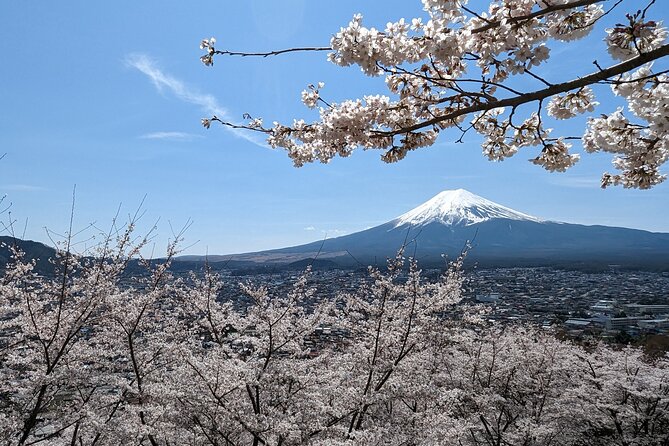
- Arakura Sengen Shrine and Chureito Pagoda for the classic Fuji-with-pagoda angle
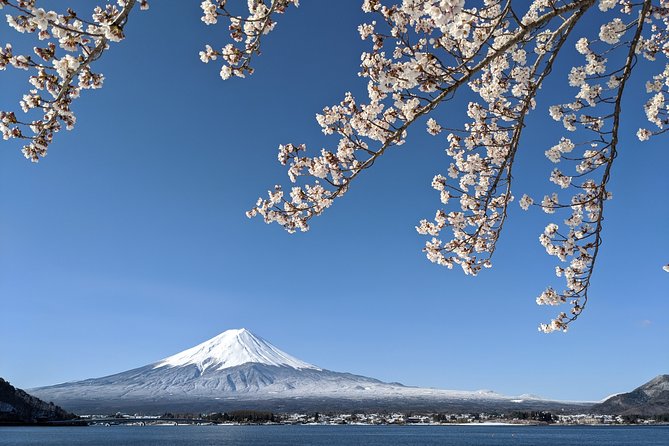
- Lake Kawaguchiko essentials plus seasonal flower parks, photo-friendly lakeside stops, and culture time
- Aokigahara cave experiences for a very different side of the Fuji region
- Hakone add-on options like ropeway views, Owakudani black eggs, and Lake Ashi cruising
- Long-day planning that includes pickup and transport, so you don’t waste time figuring out trains
What You’re Really Paying For: A Private Day With Transport and a Language Guide
This is priced at $1,286.89 per group (up to 8), with hotel pickup/drop-off and round-trip private transport in an air-conditioned minivan. For solo travelers or couples, the cost per person can be steep, but for groups it becomes more reasonable fast. If you fill the van with 8 people, you’re effectively paying around $160 per person for a full day with a guide and driver.
The value isn’t just the car. You also get a professional private guide (English, French, Spanish, Chinese, Korean options are available) and one bottled water per person. That matters because you’re visiting a cluster of places where timing, parking, and ticket lines can eat up your day.
Your guide also steers the day toward what you selected. The experience is flexible because you typically choose around 4 to 6 sites from the options, rather than being forced to do everything.
Getting Out of Tokyo Efficiently: Pickup, Timing, and Real-World Traffic
The tour runs about 10 to 11 hours, which is the practical sweet spot for a Fuji region day from Tokyo. Pickup is offered, and you start with private transport, so you avoid train transfers and station navigation when you’re tired from the morning.
The return trip can be slow. One experience described the drive back to Tokyo taking close to four hours during heavy traffic, so you should treat this day as a long one rather than a quick excursion. Your guide and driver can still try to route smartly, but highway slowdowns are part of the deal.
A small but useful detail: the tour uses a mobile ticket, and confirmation is received at booking. That reduces stress when you’re juggling multiple tickets during a Japan trip.
Arakura Fuji Sengen Shrine and Chureito Pagoda: The Classic Fuji Angle
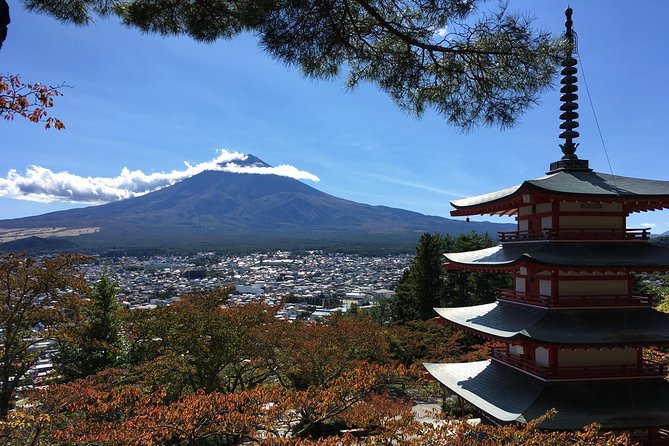
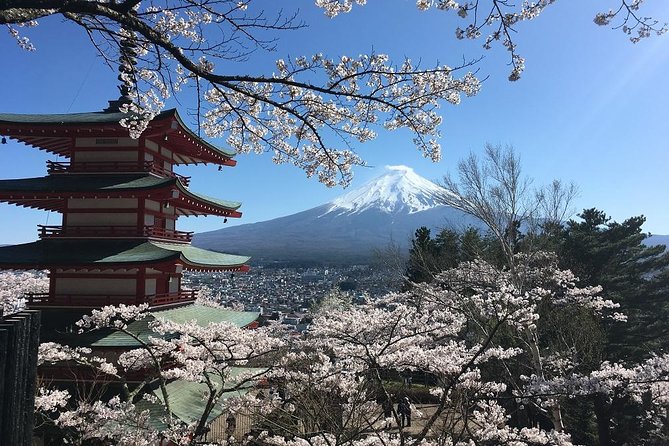
The day’s “wow” moment usually starts at Arakura Fuji Sengen Shrine, where the views are framed around the shrine complex and the iconic pagoda angle. This is one of those places where timing matters because you’re working against weather and light as much as you’re working against crowds.
From there, the plan typically includes Chureito Pagoda and nearby photo zones at Arakurayama Sengen Park. These are short stops with dedicated time for pictures, so you’re not wasting your momentum. Admission for these stops is listed as free, which makes it easier to plan your spend elsewhere in the day.
Then there’s a quick cultural reset at the Mt. Fuji World Heritage Center, where you watch a video about local rituals and the region’s meaning. It’s not long, but it gives you context so the photos feel connected to something more than scenery.
Lake Kawaguchiko Core Stops: Shrines, Flower Parks, and Easy Wins
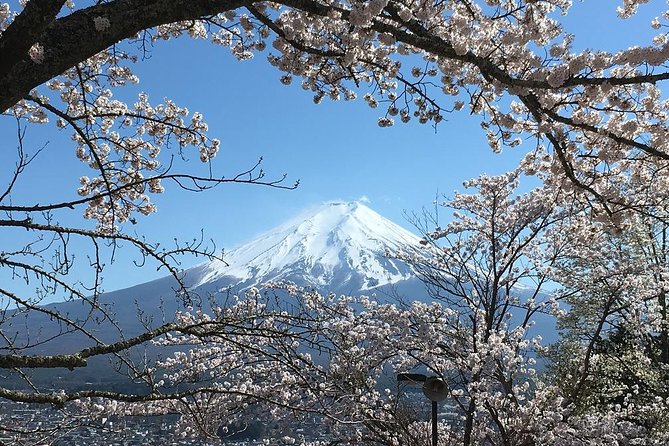
Once you reach Lake Kawaguchiko, the day becomes more about Fuji in everyday life. You get multiple chances for lake-and-mountain views, plus local stops that feel like you’re moving through the region instead of just posing at it.
A key shrine here is Kitaguchi Hongu Fuji Sengen Jinja, described as a main shrine in the northern part of Mt. Fuji and connected to the idea of the first step of ascent. The stop is typically around 20 to 60 minutes, which is enough to walk the grounds and still stay on schedule.
Next, you often head to Fuji Oishi Hana Terrace, a relaxed spot for regional crafts and souvenirs, with time to enjoy local fruit ice cream and sorbets. After that, Oishi Park adds seasonal variety, with the garden known for lavender and offering over 90 flowers across the year. Admission is free for these areas, so your money stays for food, drinks, or ticketed experiences.
One practical tip: build in layers. The lake area can feel different from Tokyo, especially when the wind picks up near the water.
Oshino Hakkai: The Snowmelt Ponds With Street Snacks Nearby
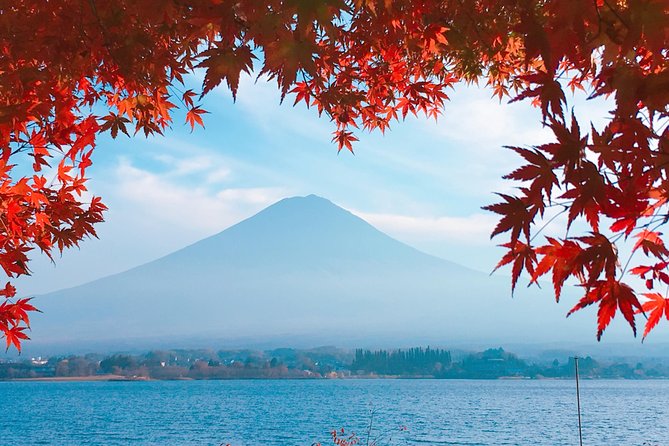
Oshino Hakkai is the eight-pond area formed from snowmelt, and it’s protected as part of the Fujisan Cultural Site. It’s a strong stop when you want something scenic that isn’t only about the mountain silhouette. Admission is free, and you also get a chance to browse shops and street food along the way.
Your time here is usually 20 to 60 minutes, so it’s a good fit for a morning or early afternoon. If you’re trying to keep the day from feeling like a photo sprint, this is one of the better pacing choices.
There’s also an option for Oshino Shinobi no Sato, where you can watch a ninja show and even rent ninja costumes. Costume rentals are by availability/reservation, and tickets are not included, so this is best when you’re traveling with kids or you want a playful break from temples and viewpoints.
The Aokigahara Cave Options: Ice, Wind, and Bat Caves
This is where the tour goes beyond the postcard. In the Aokigahara forest area, you can choose between short cave adventures like Narusawa Ice Cave, Fugaku Wind Cave, and Saiko Bat Cave.
These are each quick stops (roughly 15 to 30 minutes for the ice and wind caves, and about 20 to 45 minutes for the bat cave). Admission isn’t included, so check what you’re selecting as part of your 4 to 6 site plan.
I like this section because it turns the day into more than “view, photo, repeat.” If your group wants a Fuji connection with a spooky, myth-and-nature vibe, these caves are an easy match.
Saiko Iyashi no Sato Nemba and Music Forest: Traditional Village Meets Quirky Japan
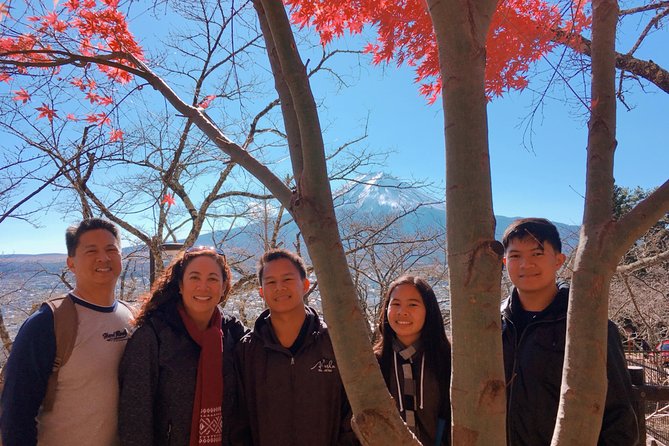
If you want a calmer cultural interlude, consider Saiko Iyashi no Sato Nemba. It’s described as a picturesque spot with old straw-roof houses and craft-focused activity, including chances to meet local artists. Rental kimonos and samurai armor are available by reservation, but admission for the site isn’t included.
For a different kind of atmosphere, there’s Kawaguchiko Music Forest Museum, described as a European-style theme space featuring an impressive collection of old automatic instruments. It’s not cheap in time but it can be a nice break from more outdoor walking, and it’s typically 30 to 120 minutes depending on what you choose to explore. Admission isn’t included.
If you’re planning a family day, this section can help balance active viewpoints with indoor or seated time.
The 5th Station Reality Check: Toll Fee, Seasonal Closures, and Timing
The itinerary includes a stop at about 2,300 meters on Mt. Fuji, described as the closest point you can reach by car. The activity is usually around 2 hours, which is long enough to make the effort count if conditions are good.
But read the fine print in your brain before you decide. Access to the 5th Station is closed from July to mid-September due to the climbing season, and it’s also closed in winter. On top of that, you need to pay a toll fee of 2,100 yen on the spot to go up, and the listing notes that Mt. Fuji 5th Station isn’t included in the base tour inclusions.
This is still a great option when it’s open, but I’d treat it as a “if the day allows it” goal rather than a guarantee.
Seasonal Bonus Options Around Yamanashi: Flowers, Fruits, and Ski Days
This part is highly dependent on when you travel, and that’s exactly why this tour format can be useful. The options include:
- Shibazakura (moss phlox) at Fuji Motosu resort, from mid-April to end of May, for about an hour
- Fruit time in Yamanashi, with reservation needed for tasting and a mix like strawberries, cherries, peaches, grapes, and shine muscat
- All-you-can-eat strawberries for 30 minutes (listed as an option)
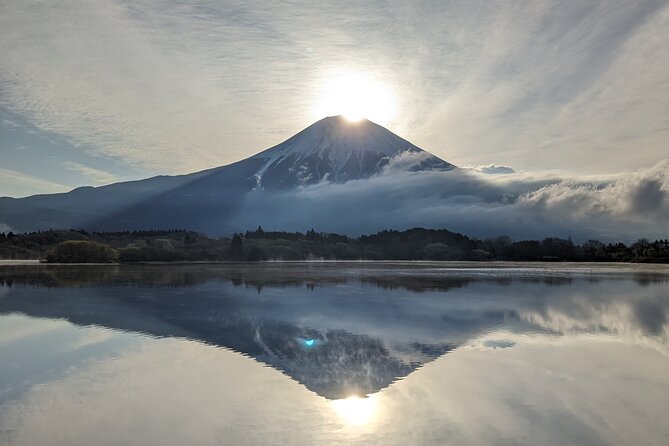
- Flower gardens at Yamanakako Hananomiyako Park, with seasonal flowers spring to fall, and Diamond Fuji in winter
- Ski on Mt. Fuji options with easy beginner courses and rental gear (listed as 1 to 2 hours depending on requests)
Your guide can help you pick what fits your date and your energy level. Since admission for many of these is not included, you’ll also want to think about how much you want to spend on tickets versus sightseeing.
If you’re traveling in high season, it’s smart to choose fewer sites but ones that match the weather and your preferred pace.
Shiraito Falls: Big Water, But Add the Round-Trip Time
Shiraito Falls is listed as a beautiful waterfall and part of the Fujisan Cultural Site. It’s described as a cascade 150 meters wide, and the itinerary notes that it takes about 2 hours for the round trip from Lake Kawaguchiko, even though the on-site time is shorter.
So yes, you can do it, but be aware it’s not a quick stop. It works best if you want a break from shrine hopping and your day has flexibility.
If You Choose Hakone Instead: Ropeway Views, Owakudani Eggs, Lake Ashi Cruises
This tour is offered as either Mt. Fuji/Lake Kawaguchiko or a Hakone day, with Hakone featuring a different set of highlights.
The Hakone Ropeway is one of the top viewpoint plays, rising to 1,350 meters and taking about 45 to 90 minutes depending on queue. Admission isn’t included.
Then comes Owaku-dani Valley, tied to volcanic activity. It’s famous for the black eggs that people eat, along with views of the valley and Mt. Fuji on a clear day (when conditions allow). The itinerary lists it as a 30 to 60 minute stop, with admission not included.
From there you can visit Hakone Shrine and Kuzuryu Shrine, described as very powerful, around 1,260 years old, and known for an Instagrammable torii gate. The Hakone Open-Air Museum is another option if your group likes art in outdoor spaces.
The classic finale is Lake Ashi cruising. You can choose a pirate ship style (more famous) or the regular cruise ship if you’d rather avoid crowds. Admission isn’t included, and it’s listed at about 30 minutes.
Odawara Castle and Hakone’s Edo-Era Stops: More Than Just Views
Hakone also includes Edo period atmosphere. You can add Odawara Castle, which is described as the nearest castle from Tokyo, with samurai and ninja history plus real armor and swords at the museum (admission not included). There’s also Hakone Sekisho and its museum, tied to Tokugawa-era duty and samurai life.
If you want one last Fuji check without major hiking, there’s Mishima Skywalk, described as Japan’s longest suspended pedestrian bridge. The view is expected on a clear day, so it’s a good “try your luck” stop that won’t wreck your schedule.
How the Private Team Makes the Day Feel Personal (Even When Weather Hides Fuji)
What really separates a private Fuji day from a basic group bus is how your guide handles the “maybe today” parts.
From the examples of guides on this program, I’d expect a lot of proactive adjustments. For instance, Ken is described as shifting the plan so you could see Mt. Fuji before clouds took it, and Tomomi and Reiko are described as warm, professional, and strong English communicators. Taiji is noted for communicating before the tour and customizing the itinerary for different ages, including elderly parents and a 10-year-old.
Drivers matter too. Toshi and Tack/Taka are repeatedly described as punctual and careful, which matters because in this region the schedule is only workable if you don’t lose time.
If you want the day to feel smooth, send your preferences before the tour. One family described communication before arrival as extremely helpful, and another noted the guide arranged food options and even a tea ceremony during a separate tour.
Price and Logistics: What’s Included, What’s Not, and the Real Cost
Here’s the spending picture based on the program details:
Included
- Hotel pickup/drop-off
- Round-trip private air-conditioned transport
- Private guide
- One bottled water per person
Not included
- Entrance fees (shrines/museums with paid tickets, hot springs, etc.)
- Food and drinks
- Lunch
- Gratuity (suggested range listed as 5–20%)
- Mt. Fuji 5th Station
Also note the on-the-spot 5th Station toll fee of 2,100 yen if that option is open and you decide to go. That means your total day cost depends on which paid sights and meals you choose.
If you’re comparing prices to a group tour, this is where the “private premium” comes from. You’re paying for time, flexibility, and less stress on transportation, especially when traffic and weather are unpredictable.
Should You Book This Mt. Fuji or Hakone Private Car Tour?
Book it if you want a smooth, tailored day out of Tokyo with a language guide, and you care about seeing Fuji from multiple angles rather than just one quick viewpoint. It’s a strong fit for families (including multi-generation groups), groups up to 8, and anyone who wants a balance of famous sights and more unusual experiences like the Aokigahara cave options.
Skip it or adjust expectations if your main goal is only the summit moment. Mt. Fuji visibility depends on weather, and access to the 5th Station is seasonal. Since the tour can’t guarantee full visibility and the schedule may change with conditions, be flexible about what “success” looks like for your day.
My best booking advice: pick 4 to 6 sites that match the season you’re traveling, and include at least one “cultural” stop and one “nature/atmosphere” stop. That mix keeps the day from turning into a nonstop photo mission.
FAQ
How many stops can I choose during the day?
The plan notes that the itinerary is a list and you should select around 4 to 6 sites. That selection is part of what makes the day customizable.
What does the tour price include?
The price includes hotel pickup/drop-off, round-trip private transportation by air-conditioned minivan, a private guide, and one bottled water per person.
Are entrance fees and museums included?
No. Entrance fees for items like museums, hot springs, and other ticketed activities are not included.
Is lunch included?
No. Food, drinks, and lunch are not included in the tour price.
Is Mt. Fuji 5th Station included?
No. Mt. Fuji 5th Station is listed as not included, and if you go, there is also a 2,100 yen toll fee paid on the spot. Access is closed from July to mid-September and also during winter.
What happens if weather blocks views of Mt. Fuji?
The tour notes that it won’t be cancelled or refunded even if some spots aren’t fully visible due to weather. The schedule can also change due to weather or traffic conditions.
![[Sapporo] Go by private car! Takino Cemetery, Hokkaido Shrine, Shiroi Koibito Park - Makomanai Takino Cemetery: Moai and the Hill Buddha](https://8.limotraveler.com/wp-content/uploads/sapporo-go-by-private-car-takino-cemetery-hokkaido-shrine-shiroi-koibito-park-400x267.jpg)