REVIEW · TOKYO
Mt Fuji Exclusive Tour with Private Car English Guide
Book on Viator →Operated by Dream Tours Japan · Bookable on Viator
A private Fuji day beats the usual scramble. This Mt Fuji Exclusive Tour with Private Car pairs hotel pickup with a car where you’re the only passengers, then drops you at the best-known Fuji-side stops like Oshino Hakkai and Lake Kawaguchi. I really like the pace control (you get time to stroll, snack, and shoot photos) and the fact that your English guide/driver can steer you toward better viewpoints and photo angles. One thing to watch: Mt. Fuji 5th Station is only if weather permits, and it’s an extra fee.
You’ll also notice a pattern in the way guides show up for this trip: names like Amir and Ali came up in praised experiences for punctual pickup and clear explanations, with others like Imran handling rainy conditions by keeping options open. This is a solid choice when you want the Fuji highlights without the chaos of a big bus, but it’s still a long day (about 9–10 hours), so plan to move at a comfortable tempo.
In This Review
- Key points to know before you go
- The private car effect: what you gain (and what you still can’t control)
- Price and value: when $445 per group makes sense
- Stop 1: Oshino Hakkai and the Fuji spring-water vibe
- Stop 2: Oishi Park for classic Fuji views and a sweet break
- Stop 3: Kitaguchi Hongu Fuji Sengen Jinja Shrine and the Yoshida-trail feeling
- Stop 4: Mt. Fuji 5th Station when the weather allows
- Stop 5: Lake Kawaguchiko for scenery, boats, and easy meals
- Stop 6: Chureito Pagoda at Arakura Sengen Shrine
- Stop 7 (Optional): Saiko Iyashi no Sato Nenba for the slower, traditional turn
- Timing and weather strategy: how to get the best chance of seeing Fuji
- The guide/driver experience: what to expect from the people behind the wheel
- Who this tour is for (and who should think twice)
- Should you book this Mt Fuji private car tour?
- FAQ
- How long is the Mt Fuji Exclusive Tour with Private Car?
- How many people are included in a group?
- Do you get hotel pickup in Tokyo?
- What is included in the price?
- What costs extra during the day?
- Is there a mobile ticket?
- What happens if the weather is bad?
- Is this tour only for my group?
- Is the guide guaranteed to speak English?
Key points to know before you go
- Hotel pickup + private car means less waiting and more time actually outside
- Oshino Hakkai and Lake Kawaguchi give you that classic “Fuji from the water” feeling
- Chureito Pagoda (Arakura Sengen Shrine) is a must-stop for iconic photos and skyline views
- Mt. Fuji 5th Station is weather-dependent and costs extra when it’s added
- You’re never rushed at stops, with time for snacks, photos, and pacing yourself
- Optional Saiko Iyashi no Sato Nemba lets you trade peak views for a quieter, traditional vibe
The private car effect: what you gain (and what you still can’t control)
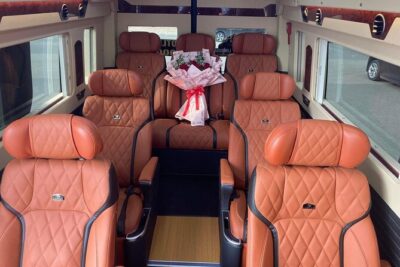
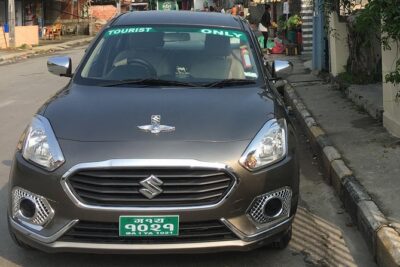
This tour is built around one big idea: you’re not sharing a car with strangers. Instead, you ride in a private vehicle, with your driver managing the route and timing, and you choosing how long you want at each stop.
That matters in Japan, where traffic and weather can swing fast. Your driver can request you to change the time a bit earlier if conditions are bad, and that kind of flexibility is what turns a day trip from stressful into smooth.
That said, you still don’t control clouds. When visibility is poor, you’ll get a good day anyway, but the exact “Fuji in full view” moments can shift depending on what the mountain is willing to show you.
Price and value: when $445 per group makes sense
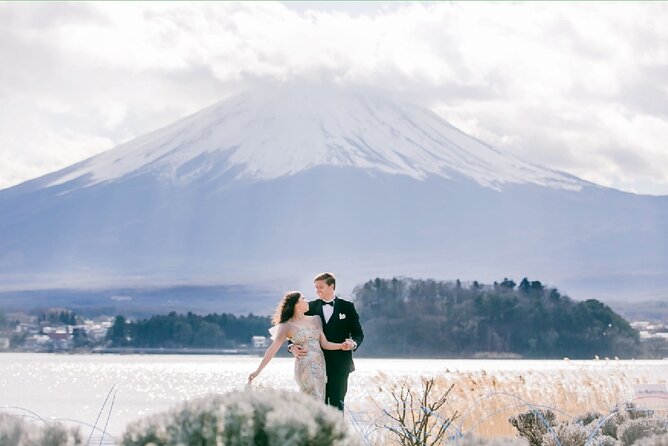
The price is $445 per group (up to 4). At first glance, it’s not cheap—but when you break it down, you’re paying for a private car, parking, highway tolls, and fuel surcharge, plus a driver/English guide experience that’s timed to your group.
Most of the sightseeing stops are free, so your biggest add-on costs are the ones tied to specific places:
- Mt. Fuji 5th Station costs 2,800 yen per group (if added)
- Saiko Iyashi no Sato Nemba costs 500 yen per adult (optional)
Lunch is also on you.
For couples, this is often the sweet spot: you get private handling without paying for multiple hotel transfers or trains that don’t run on your schedule. For families of four, it can feel like great value because those extra seats on a private vehicle are otherwise expensive in Tokyo.
Stop 1: Oshino Hakkai and the Fuji spring-water vibe
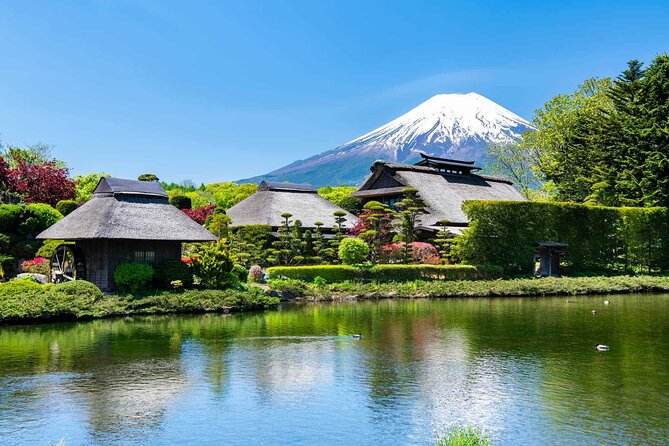
Oshino Hakkai is one of those places that quietly steals the show. You’ll spend about an hour at this small village near Mount Fuji, centered on crystal-clear spring water fed by snowmelt from the mountain.
This stop is a great early anchor because it gives you something tangible and calm before you chase bigger “big view” moments. If you like walking without feeling rushed, this is your warm-up.
Practical tip: go in with comfortable shoes. The ground and paths around the spring-water spots can be a bit uneven, and you’ll want to linger where the water channels and ponds give the prettiest reflections.
Stop 2: Oishi Park for classic Fuji views and a sweet break
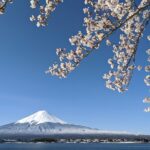
Next up is Oishi Park on the shores of Lake Kawaguchi, with about an hour to wander. This is the kind of stop where your phone ends up working overtime: Mount Fuji views, open space for photos, and colorful garden scenes depending on the season.
There’s also a nice simple payoff here—soft-serve ice cream is part of the experience. It sounds small, but on a long day, that kind of snack stop keeps energy steady for the rest of the route.
The main consideration at Oishi Park is wind and weather. When Fuji hides, the lake area can still be dramatic, but you’ll want a light layer and something to block cold air if the sky is gray.
Stop 3: Kitaguchi Hongu Fuji Sengen Jinja Shrine and the Yoshida-trail feeling
Then you shift from lake views to something more spiritual and historic: Kitaguchi Hongu Fuji Sengen Jinja Shrine, at the northern foot of Mount Fuji. You’ll have about an hour here, and this shrine is known as a key entrance connected to the Yoshida Trail.
Even if you’re not climbing, this stop helps you understand why Mount Fuji inspires so many rituals and pilgrimages. It adds context that you don’t get from just looking at the mountain from a viewpoint.
Photo advice: aim for a mix of shrine details and wider angles. The setting can give you depth—especially if you can catch Fuji framed behind the shrine structures.
Stop 4: Mt. Fuji 5th Station when the weather allows
This is the big wildcard. If visibility and conditions cooperate, you may continue to Mount Fuji 5th Station (about 1 hour), which sits around 2,300 meters.
The tour includes this only if weather permits, and the admission is not included—2,800 yen per group. If you’re hoping for that “I’m at high altitude on Japan’s iconic peak” feeling, this is the stop that delivers.
But be smart about expectations. You can still have a great day even if you don’t go up. In rainy or low-visibility conditions, the best move is often to rely on the lower-altitude viewpoint stops that give you more chances at clear sightlines.
Stop 5: Lake Kawaguchiko for scenery, boats, and easy meals
Lake Kawaguchiko is where the day becomes more “Fuji as a backdrop” and less “Fuji as a summit goal.” You’ll have about an hour here, and it’s known for serene views plus activities like boating and fishing.
You’ll also find places to eat around the lake. The tour doesn’t include lunch, but the area is good for grabbing a real meal without needing to detour into the Tokyo commute style of food hunt.
If you want a calmer vibe, use this hour to slow down. Think of it as your reset between photo-heavy stops—walk a little, eat something warm or refreshing, then recharge.
Stop 6: Chureito Pagoda at Arakura Sengen Shrine
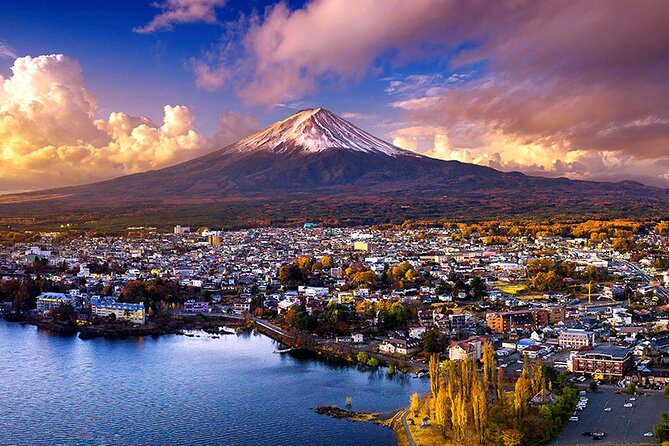
Chureito Pagoda is the photo stop everyone recognizes, and for good reason. It’s located within Arakura Sengen Shrine, and you’ll spend about an hour here.
The classic shot involves climbing steps—so you’ll want shoes with grip and a steady pace. If you’re traveling with anyone who gets tired on stairs, build time into your plan and ask your driver to help with timing so you don’t feel rushed at the top.
One more practical note: this is a place where you might do some of your own exploring up the steps, even with an English guide/driver managing logistics. So treat it like an independent moment inside a guided day—your guide can point you to good angles, but you’ll still have the freedom to move and shoot at your comfort level.
Stop 7 (Optional): Saiko Iyashi no Sato Nenba for the slower, traditional turn
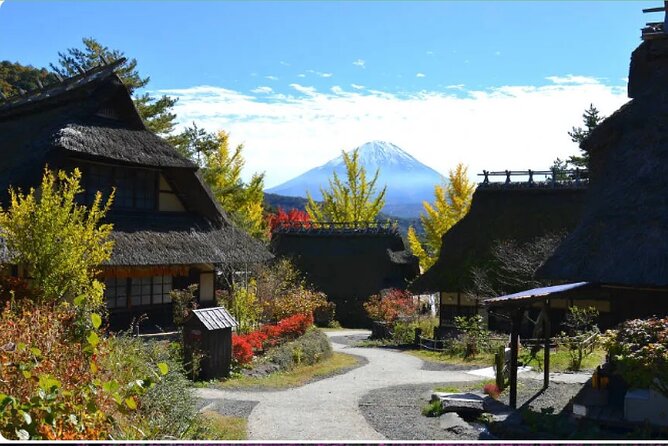
If you choose the optional stop, you’ll head to Saiko Iyashi no Sato Nenba near Lake Saiko. It’s about an hour, and the feel here is quieter and more old-school: a restored traditional village with thatched-roof houses and hands-on craft-style activities you might be able to try during your visit.
This optional stop costs 500 yen per adult and is not included in the core schedule. I like it when the weather isn’t cooperating for the highest-altitude Fuji shots, because it keeps the day interesting even when you can’t get that perfect mountain view.
This is also a good option for anyone who wants to balance the big-ticket icons with a more human, village-style experience.
Timing and weather strategy: how to get the best chance of seeing Fuji
A private Fuji day still comes down to timing. Clouds can move in and out, and your driver’s job is to adjust your plan so you don’t waste your best hours waiting.
Here’s how I’d play it:
- Expect that Mt. Fuji 5th Station might be skipped if weather is off
- Use lower-altitude stops like Oshino Hakkai, Oishi Park, and the lake area as reliable “plan B” moments
- Save energy for the Chureito Pagoda steps and plan for wind chill if it’s cooler than Tokyo
If your goal is photos, go with a “multiple attempts” mindset. This route stacks several major Fuji viewpoints, so even if one sightline is fogged out, another might open up.
Also, pack simple essentials: a light jacket, water, and a small snack. Lunch isn’t included, and you’ll want flexibility at peak photo stops.
The guide/driver experience: what to expect from the people behind the wheel
The strongest signal from past experiences is how drivers and guides show up with care for pacing and safety. Names like Amir, Ali, Imran, Zubi, Mozi, Sameer, Ishi, Guru, and Hadi appeared in praised experiences for being punctual, friendly, and helpful.
What you should take from that: you’re not just being transported. You’ll get an English-speaking guide/driver who explains where you are, helps with photo timing, and keeps the day running on schedule without rushing you at every stop.
Still, remember the format: it’s private transportation plus guidance around stops, not a full walking tour where the guide accompanies you step-by-step inside every stair climb or small area. You’ll often have moments of freedom on your own—especially at places like Chureito Pagoda.
Who this tour is for (and who should think twice)
This tour fits best when you want:
- A private car day trip instead of a bus group
- Multiple Fuji-side stops in one outing
- A manageable pace with time to wander and take photos
- Hotel pickup, so you don’t waste time figuring out transport across Tokyo
It may not fit as well if:
- You’re extremely sensitive to long days. Even though the stops are spaced, the total time is still about 9–10 hours.
- You’re hoping for a guaranteed Mount Fuji summit view. The 5th Station is conditional on weather, and visibility is never something you can lock in.
One additional note: it’s not recommended for travelers over 95 years. If anyone in your group has mobility limits, it’s worth planning a comfortable walking pace and building in resting moments at each stop.
Should you book this Mt Fuji private car tour?
Yes—if you want Fuji highlights with the stress removed. I especially like the value formula: hotel pickup plus a private car, with most major stops free, and with enough time at each place to actually enjoy it instead of just pass through.
Book it if your priorities are photo stops like Chureito Pagoda, calm walking time like Oshino Hakkai, and scenic downtime around Lake Kawaguchiko. Choose it if you’d rather pay for convenience and pacing than fight train times and crowded transfers.
Skip it (or at least adjust expectations) if your whole trip depends on reaching Mt. Fuji 5th Station with clear views. This day is designed for the best-case experience, but weather has the final say.
FAQ
How long is the Mt Fuji Exclusive Tour with Private Car?
It runs about 9 to 10 hours.
How many people are included in a group?
The tour price is per group for up to 4 people.
Do you get hotel pickup in Tokyo?
Yes. Round-trip transfers with hotel pickup from Tokyo are offered.
What is included in the price?
Private transportation, parking fees, highway tolls, and fuel surcharge are included.
What costs extra during the day?
Mt. Fuji 5th Station costs 2,800 yen per group if weather permits it. Saiko Iyashi no Sato Nemba costs 500 yen per adult if you choose the optional stop. Lunch and food/drinks are not included.
Is there a mobile ticket?
Yes, the tour includes a mobile ticket.
What happens if the weather is bad?
This experience requires good weather. If it’s canceled due to poor weather, you’ll be offered a different date or a full refund.
Is this tour only for my group?
Yes. It’s a private tour/activity, so only your group participates.
Is the guide guaranteed to speak English?
The tour is described as an English guide experience, and past guides were praised for English communication.