REVIEW · BERLIN
5hours: Guide, Chauffeur & Photographer in Berlin private Tour
Book on Viator →Operated by Valeri Vasilev · Bookable on Viator
Berlin in five hours needs a good plan.
This private tour blends a guide, chauffeur, and photographer so you can hit major Berlin landmarks and also understand what you’re seeing—without the public-transport juggling act. I like the private, air-conditioned vehicle that keeps the day comfortable, and I also love the photo-focused approach that turns quick stops into lasting keepsakes. The only real catch is timing: many stops are brief, and several are listed as not including admission tickets.
If you want a first taste of Berlin that feels organized (not rushed), this works. I also appreciate how Valeri Vasilev uses the route to connect the big themes—Prussia and empire, Nazi-era locations, the Cold War divide, and what came after—so the sights don’t feel like random postcards. One thing to consider: since each stop is around 15–20 minutes, you’ll move fast, and a few key sites may require separate paid entry.
Private vehicle + pro photos + a tight route = an efficient Berlin sampler. Here’s what makes it tick, and where to pay attention before you book.
In This Review
- Key highlights worth caring about
- Why a private Berlin route beats hopping trains
- Brandenburg Gate to Victory Column: the “Berlin power” opening
- Kurfürstendamm and KaDeWe area: shopping streets with history underfoot
- Charlottenburg Palace and Olympiastadion: when the timing plays nice
- From Bellevue to the Holocaust Memorial: where “context” gets real
- Potsdamer Platz and Gendarmenmarkt: city-scale scenes with a human pace
- Museum Island and the Cathedral area: art and architecture in a tight window
- Rausch Schokoladenhaus and the May 10 book burning memorial: smart contrast
- East Berlin wall sites: Hackeschen Höfe to the Berlin Wall memorial
- East Side Gallery and Treptow: surviving art and memory
- Getting your money’s worth: admissions, duration, and pacing
- How Valeri Vasilev keeps the day moving (and photo-worthy)
- Who should book this private Berlin highlights tour
- Should you book this tour?
- FAQ
- How long is the 5hours private Berlin tour?
- How many people can be in the group?
- Do you get picked up in Berlin?
- What language is the tour offered in?
- Is a mobile ticket provided?
- Does the guide also take photos?
- Are admission tickets included for the main stops?
- Does the tour end at a location of your choice?
- Can the itinerary include Charlottenburg Palace or Olympiastadion?
- What is the cancellation option?
Key highlights worth caring about
- A guide who sets context fast, moving between eras so landmarks make sense
- Professional photos during the tour, including group and candid shots
- Brief, focused stops (usually 15–20 minutes) that fit a 4–5 hour day
- Comfortable van travel so you avoid stairs, transfers, and waiting time
- Big Cold War and WWII stops mixed with lighter breaks like a chocolate shop
- A drop-off that can be wherever you need next in Berlin
Why a private Berlin route beats hopping trains
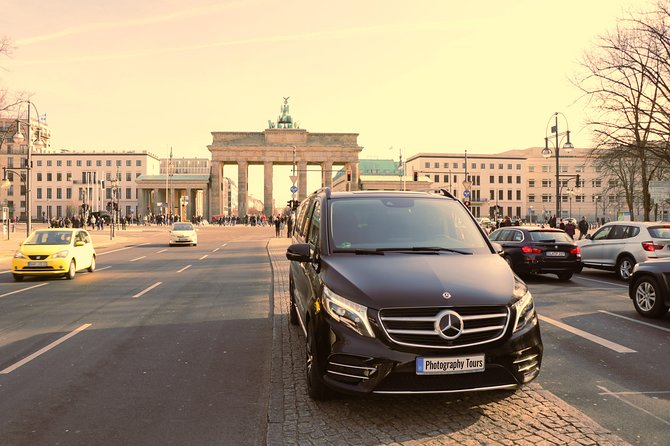
Berlin is wide. Even if you’re good with transit, the time cost adds up fast: walking to stops, waiting for connections, and crisscrossing the city just to reach one viewpoint. This tour is built around the opposite idea—short visits with smart driving in between—so you get a high hit rate without feeling like you’re sprinting.
The vehicle matters here. You’re not stuck in the open with the wind, and you’re not spending half your day negotiating routes. Reviews also make it clear the setup works well for different needs; one guest noted a van-style vehicle helped with limited mobility, which is exactly the kind of detail that can decide whether a day is enjoyable or exhausting.
Then there’s the photo element. Instead of you trying to angle your phone while reading a plaque, you’re getting guided photo moments throughout the day. Many people come away with hundreds of images, including candid group shots, not just posed selfies.
The result: you get orientation plus emotion plus practical memories. That’s a strong combo for a first-time Berlin visit.
Brandenburg Gate to Victory Column: the “Berlin power” opening
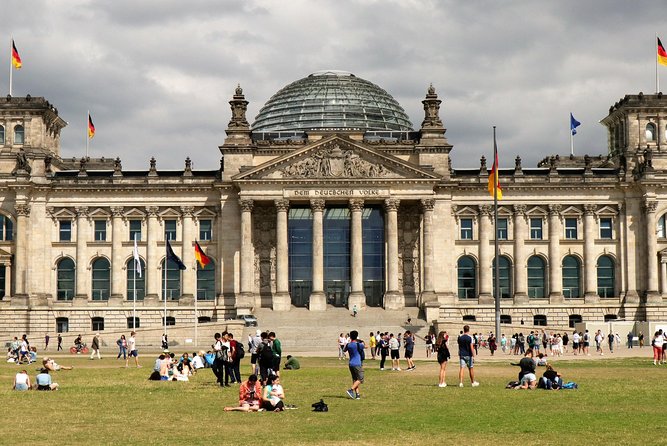
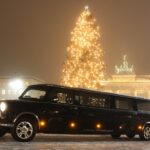
You start near the center of gravity—literally. The day typically begins at Brandenburg Gate, where you’ll park and step out for a compact dose of story and photos. Plan for a short stop, roughly 15 minutes, because the point is to get you positioned and understanding the significance quickly.
Brandenburg Gate isn’t just famous. It’s a symbol people keep fighting over—politically and culturally. A good guide can connect the gate to shifts in who ran Berlin and why the location became a stage. With the chauffeur-and-photographer setup, you’re also getting “I was there” photos without spending time working the crowd.
Next comes the Victory Column, another exterior stop built for context. You’ll get about 15 minutes for historical storytelling and picture time. This one helps round out the “empire and display” side of Berlin, setting you up for the later stops that grapple with the 20th century.
These two early stops do something underrated: they give your brain a timeline before you hit the heavier sites. If you’re only in Berlin for a short window, that’s a huge advantage.
Kurfürstendamm and KaDeWe area: shopping streets with history underfoot
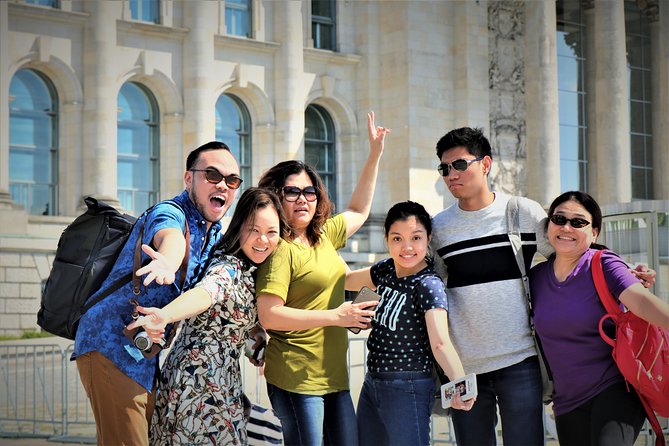
From there, the route shifts into the city’s classic west-side rhythm around Kurfürstendamm (Kurfürstendamm/Kudamm), KaDeWe, and Wittenbergplatz. Even when you’re not doing a long walk, the driving and stop points help you get your bearings fast.
KaDeWe is one of those places where people either go in or just enjoy seeing it from the outside while learning why it became a landmark. The tour is designed so you don’t have to decide between “shopping” and “sightseeing.” You can take in the street scene and move on.
This part of Berlin often feels more day-to-day than the museum islands and memorial corridors. It’s a nice balance after the big symbolic monuments. You’re also still in “photo territory,” so if the group wants quick couples shots or family photos, this is where that tends to work well.
If you’d rather keep your day focused on memorials and museums only, you might skip any extra shopping-type wandering later. But as an orientation stop, this area does its job.
Charlottenburg Palace and Olympiastadion: when the timing plays nice
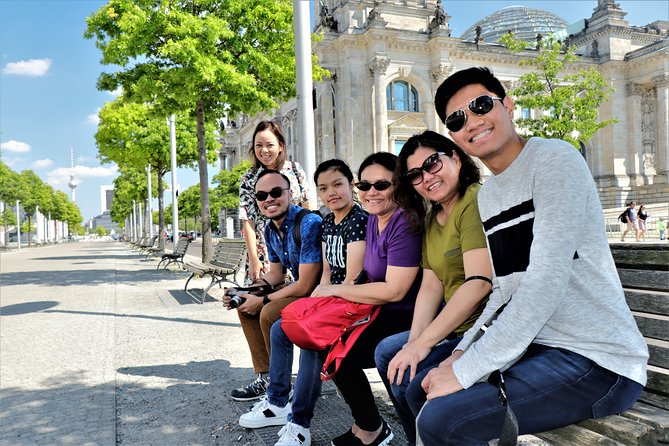
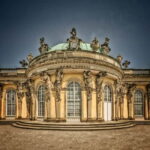
After the central sightseeing flow, you may have a possible visit to Charlottenburg Palace. The tour data also flags Olympiastadion—the 1936 Summer Olympics stadium—as a possible stop, especially if you like sports and car-related photo moments.
These “possible” stops are exactly why a private format is valuable. In a normal group tour, you’d likely lose flexibility to fixed departure times or walking limits. Here, you can sometimes fit in an extra highlight if the schedule works and the weather cooperates.
A quick reality check: palace and stadium visits can involve more walking and more time. Since the overall tour stays around 4–5 hours, you’ll want to treat these as bonuses rather than guaranteed items.
If you love architecture or you’re a history + sports person, this is where the tour can feel like it’s giving you more than the average Berlin overview.
From Bellevue to the Holocaust Memorial: where “context” gets real
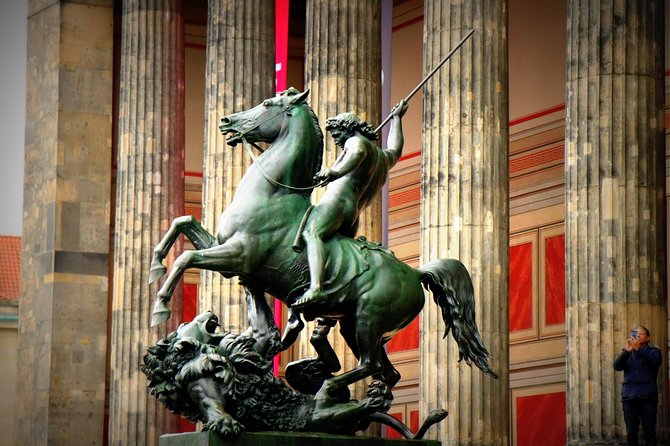
Next up, you’ll pass through major government and memory landmarks: Bellevue Palace, Bundestag, and the Holocaust Memorial. These aren’t quick “check the box” places. The value of a guide here is making the location meaningful without turning it into a lecture.
The Holocaust Memorial stop is short by design—about 15 minutes for story and photography—but the guide’s job is to help you understand what you’re looking at right when you’re standing there. Even a brief stop can land well when someone frames the site properly.
The driving route between these stops helps too. Berlin’s political geography can be confusing if you’re relying only on transit maps. A chauffeur route gets you into the right areas without extra stress.
This section is also a good reminder to slow down in your own head. Even if your feet are moving, let the stories catch up. That’s when a private tour feels more personal than a crowd.
Potsdamer Platz and Gendarmenmarkt: city-scale scenes with a human pace
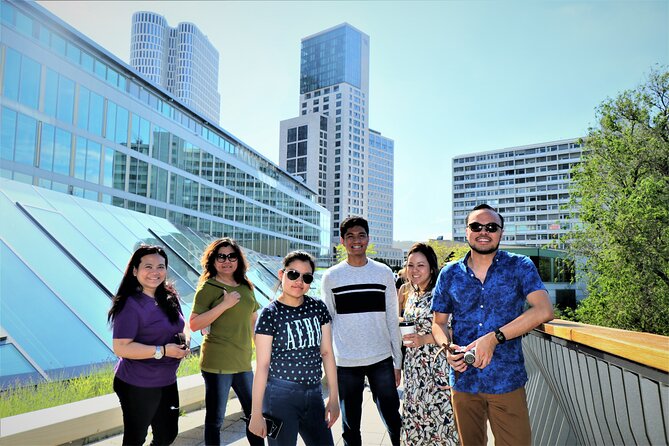
Potsdamer Platz is next, with a short walking tour portion (around 15 minutes). It’s a smart place for a walking break because it lets you see how Berlin rebuilt and reshaped itself. You’ll also get a photo rhythm that’s different from pure monument stops.
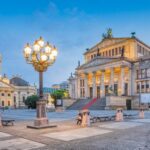
Then comes Gendarmenmarkt, where you’ll park and spend about 20 minutes on historical context and photos. This square has a theatrical feel, with symmetry and scale that make it easy to photograph even in winter light. The guide’s commentary helps you understand why it looks the way it does and what Berlin wanted to project through these kinds of public spaces.
The best part of this segment is pacing. You’re not stuck in the car the whole time, and you’re not doing a long museum slog either. It’s a good midpoint for energy.
Museum Island and the Cathedral area: art and architecture in a tight window
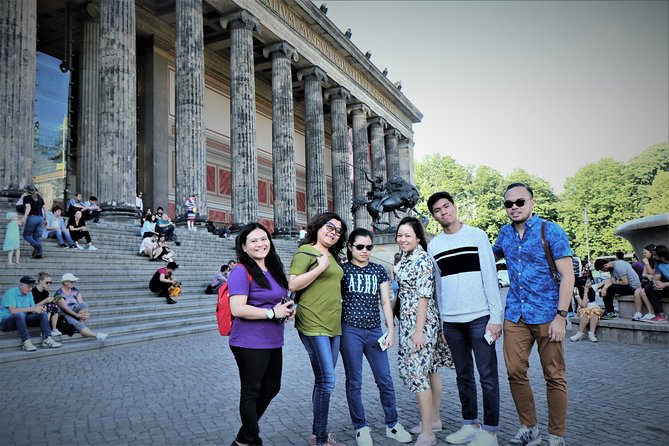
The day swings toward Museum Island, a zone where you can easily lose half a day if you’re walking on your own. In this tour, the stop is shorter—about 20 minutes for story and photos—and it typically includes the Cathedral of Berlin.
That time limit is a trade-off. You won’t get deep museum-going coverage, but you will get the big-picture map in your head: why this island became such an important cultural site, and how the religious and civic architecture relates to Berlin’s self-image.
If you’re planning to return later to see one museum in depth, this stop is ideal. It helps you choose where your next day should go.
When you’re short on time, it’s better to get oriented with a guide than to wander aimlessly trying to decide which building matters most.
Rausch Schokoladenhaus and the May 10 book burning memorial: smart contrast
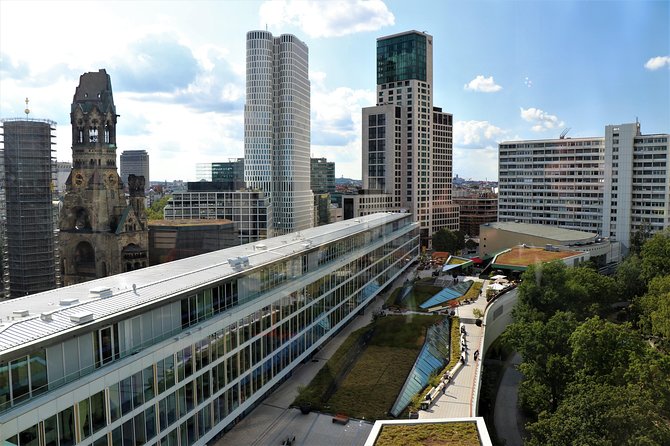
One of the most interesting contrasts on the route is the stop at Rausch Schokoladenhaus (with free admission). You’ll typically spend around 15 minutes here for story and photos. Even if you’re not shopping, the setting gives you a break from heavy-site intensity.
Then you move into Friedrich der Große and the Memorial to May 10, 1933 Nazi Book Burning. This is the kind of stop where context matters more than photo angles. The tour gives time—about 15 minutes—for explanation and respectful observation.
That pairing—chocolate for a palate reset, then book burning for a historical gut check—sounds odd on paper until you remember how Berlin itself works. It contains comfort and cruelty in the same neighborhoods. Seeing that contrast through a guided lens can make the city feel honest instead of sanitized.
If you’re traveling with kids or teens, this is also where the private format helps. You can ask questions and get answers in a way that fits your group’s level.
East Berlin wall sites: Hackeschen Höfe to the Berlin Wall memorial
As the tour continues, you’ll pass through lively inner-city areas like Die Hackeschen Höfe, typically around 20 minutes with story and photo time. This area often feels more like streets and courtyards than a museum zone, which gives your day texture.
Then you reach the Memorial of the Berlin Wall, again around 15 minutes for guidance and pictures. Even with limited time, a guide can explain why this line meant so much to everyday life—how the idea of freedom became physical, and how separation became a permanent feature of urban life.
This is also where a photographer-guide combo is genuinely helpful. If the site is emotionally heavy, you don’t want to force yourself into constant “pose and smile” mode. A good photographer helps you capture the moment without making it feel artificial.
East Side Gallery and Treptow: surviving art and memory
Later stops take you into two powerful directions: art that grew out of politics and memorials that honor loss.
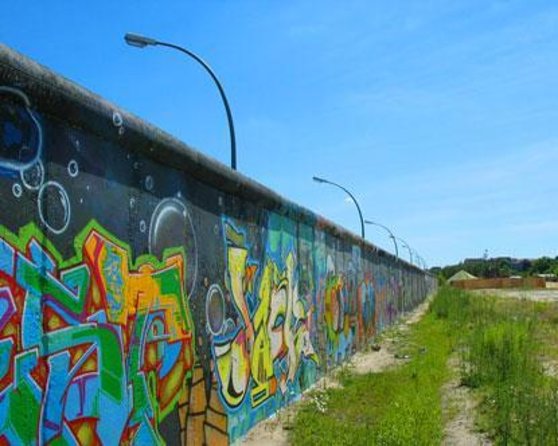
At East Side Gallery, the stop is about 15 minutes for context and photography. This stretch of the Wall is famous for what people painted on it. A guide’s job here is to keep the focus on meaning, not just the visuals.
Then comes KulturBrauerei (around 15 minutes). This stop can add a different flavor—food-and-culture energy—so the tour doesn’t feel like a nonstop memorial march.
Finally, you may visit Sowjetisches Ehrenmal Treptow (about 15 minutes). That stop is another memory anchor. You’ll get a concise explanation and a chance to look and take photos in your own way.
These later hours can feel intense, but they also help you understand Berlin as a city that never fully “moved on” from its past. It transformed it.
Getting your money’s worth: admissions, duration, and pacing
This tour is priced per group, with a cap of up to 6 people, running about 4–5 hours. That structure can be great value if you’re traveling with family, a small group of friends, or anyone who wants a private schedule instead of a shared van with strangers.
Still, check the admissions reality. The itinerary notes that many stops do not include admission tickets. Some spots are listed as free, including Rausch Schokoladenhaus and Topography of Terror. Others are marked as not included, which means you should expect possible extra costs depending on what you choose to do at each location.
Time is the other “hidden cost.” With many stops around 15–20 minutes, you’re trading depth for breadth. If you want to spend long hours inside museums, you’ll need a separate day for that. But if you want a strong Berlin overview with context—and you want photos too—this is a fair trade.
The best way to maximize value is simple: go in with a flexible mindset. If you’re the type who wants to linger, you might feel constrained by the set time per stop. If you’re the type who loves seeing a lot and then returning for a second visit, this format fits you well.
How Valeri Vasilev keeps the day moving (and photo-worthy)
Valeri Vasilev is positioned as guide, chauffeur, and photographer, which changes the feel of the whole day. You don’t have to coordinate between a driver and someone else with a camera. One person is shaping the flow.
From what’s shared by guests, he also tends to adapt when the weather shifts. Berlin weather can turn fast, and wind or rain can make outside time harder. The ability to keep the tour interesting and adjust the plan matters more than it sounds.
Communication is another practical win. Several guests mentioned quick, easy coordination via messaging like WhatsApp, plus a willingness to help you find each other if meeting points get tricky.
And the photography is not treated like a single staged moment. Guests describe frequent candid group shots and lots of images. That’s the difference between a tour that produces memories and one that produces usable photos.
Who should book this private Berlin highlights tour
This one is a great fit if you:
- have limited time and want the major sights plus context
- want a private schedule with a small group (up to 6)
- care about photos as part of the experience, not an afterthought
- enjoy history but prefer it delivered in a human, site-by-site way
It might be less ideal if you:
- want deep museum time at each location
- dislike short stops and prefer long, slow exploring
- prefer to self-drive and set your own photography pace without a guide
If you’re on a first visit and you want to leave with orientation plus strong moments, you’ll likely appreciate the format.
Should you book this tour?
If your goal is a high-quality Berlin overview in a short time, I think this is a smart purchase. The private van saves time, and Valeri Vasilev’s guide + photographer combo turns the trip into more than a checklist.
I’d book it if you’re also okay with the reality that the day is built on short stops and you might pay for some entries on your own. If that trade-off sounds fine—and you want to understand the city while also getting photo-ready memories—this tour is an efficient and memorable way to start your Berlin story.
FAQ
How long is the 5hours private Berlin tour?
It runs about 4 to 5 hours.
How many people can be in the group?
It’s a private tour with only your group, up to 6 people.
Do you get picked up in Berlin?
Yes, pickup is offered from your accommodation or a centrally located landmark.
What language is the tour offered in?
The tour is offered in English.
Is a mobile ticket provided?
Yes, a mobile ticket is included.
Does the guide also take photos?
Yes. The guide/photographer captures photos of you along the way.
Are admission tickets included for the main stops?
Admission is not included for several stops. Some stops are listed as having free admission, including Rausch Schokoladenhaus and Topography of Terror.
Does the tour end at a location of your choice?
Yes, the tour finishes at a location you choose in Berlin.
Can the itinerary include Charlottenburg Palace or Olympiastadion?
Both are listed as possible visits, depending on how the day works.
What is the cancellation option?
You can cancel for a full refund up to 24 hours in advance. If you cancel less than 24 hours before the experience starts, the amount paid will not be refunded.