REVIEW · GYEONGJU
Gyeongju: Private Car Tour with a Licensed Tour Guide
Book on GetYourGuide →Operated by Korea Go Tours · Bookable on GetYourGuide
Gyeongju stories start the minute you’re picked up. This private car tour pairs UNESCO World Heritage sites with hands-on explanations from a certified national guide, so you get context instead of just photos. I especially like the door-to-door pickup and drop-off in Busan or Gyeongju, and the fact that your guide can adjust pace to your comfort level.
The one thing to consider is timing: you’ll move through a lot of major stops, and the full experience can stretch up to 9 hours depending on where you’re starting and ending.
In This Review
- Key things that make this tour work
- Gyeongju by car: fast logistics, slower thinking
- Licensed guide time: what you actually get
- UNESCO at Bulguksa and Seokguram: the two stops that set the tone
- Bulguksa Temple (Silla-era architecture)
- Seokguram Grotto (Buddha + bas-reliefs)
- Lunch at Hongsi Hanjeongsik: more than a meal stop
- Daereungwon Tomb Complex: stepping into Silla royal power
- Cheomseongdae Observatory: the Silla science stop that surprises people
- Gyeongju National Museum: slow down and connect the dots
- Donggung Palace and Wolji Pond at dusk: the ending that feels like a movie
- Price and value: is $399 per group worth it?
- Picking the right duration: 4 hours vs 9 hours
- Who this tour suits best
- Should you book this Gyeongju private car tour?
- FAQ
- What’s the group size for this private tour?
- Where can the tour start and end?
- How long is the tour?
- Is lunch included?
- Are entrance fees included for all sites?
- Is the tour guide English-speaking and wheelchair accessible?
Key things that make this tour work
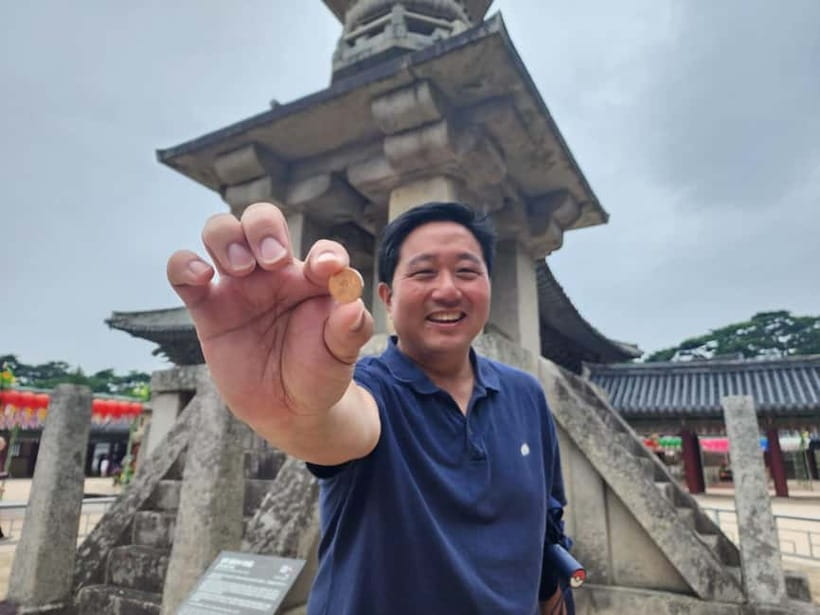
- UNESCO pairing with built-in context at Bulguksa Temple and Seokguram Grotto
- Door-to-door car comfort with air-conditioning and parking/tolls handled
- A guide who adapts to your pace when crowds and energy levels shift
- Royal tomb access at the Daereungwon area, including time in Cheonmachong Tomb
- Food stops that explain what you’re eating at Hongsi Hanjeongsik
- Dusk-friendly finale at Donggung Palace & Wolji Pond with night lighting
Gyeongju by car: fast logistics, slower thinking
Gyeongju is famous for being the kind of place where the details matter. The Silla-era sites can blur together if you’re rushing between landmarks without context. This private car format fixes the big friction point: getting around on your own.
You get pickup and drop-off at a location you choose in Busan or Gyeongju (and the guide meets you on the first floor of your accommodation). That matters because it keeps your day from turning into a scavenger hunt. Add an air-conditioned vehicle plus parking and toll fees handled, and you’re free to focus on the real point: learning how these places fit together in time and meaning.
Licensed guide time: what you actually get
This isn’t just “someone drives you around.” It’s a tour with a professionally qualified, English-speaking guide, and the best part is how they structure the story at each stop.
In the guide lineup for this experience, names like Mia, Jason, Kim, Daisy, Joy, Dylan, Gina, and Larry show up repeatedly. The consistent theme is explanation with actual tools: at least one guide uses a binder of photos to make carvings, structures, and timelines easier to picture. Others have a knack for keeping the day relaxed even when it’s hot or crowded, and some guides actively try to avoid peak congestion.
One practical bonus: several guides go beyond talking. For example, some help you understand the restaurant menu, explain what dishes mean, and even support small needs like finding the right taxi at the end. That’s the difference between seeing places and understanding them.
UNESCO at Bulguksa and Seokguram: the two stops that set the tone
Most first-timers hit these UNESCO sites as checklist items. The value here is that your guide gives you a mental model before you walk into the stone world.
Bulguksa Temple (Silla-era architecture)
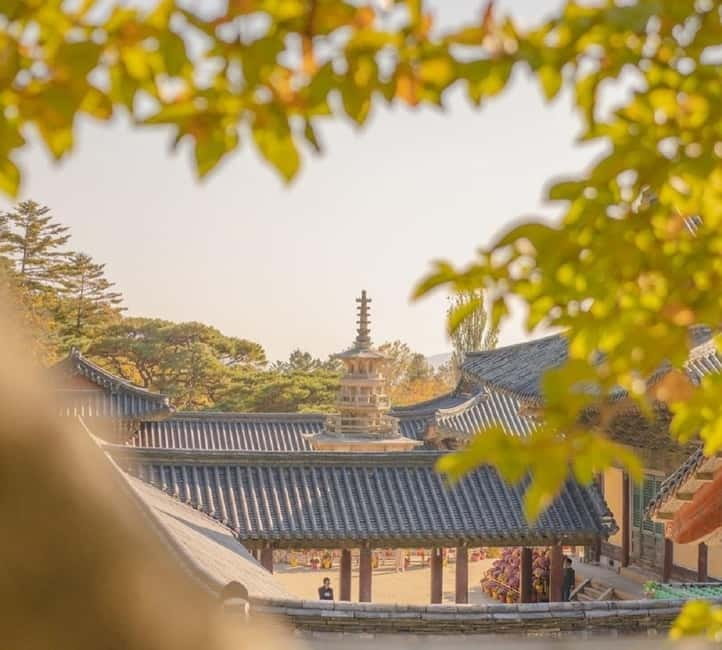
You start with Bulguksa Temple for about an hour of guided time. This is where the stone pagodas and hall layouts start to make sense as Silla-era design, not just pretty scenery. You’ll learn what to look for in the craftsmanship and how the complex functioned as a sacred space.
A good rule for this stop: slow down when your guide points out specific details in stonework. Even if you’ve seen temple photos before, the explanations make the patterns feel deliberate rather than decorative.
Seokguram Grotto (Buddha + bas-reliefs)
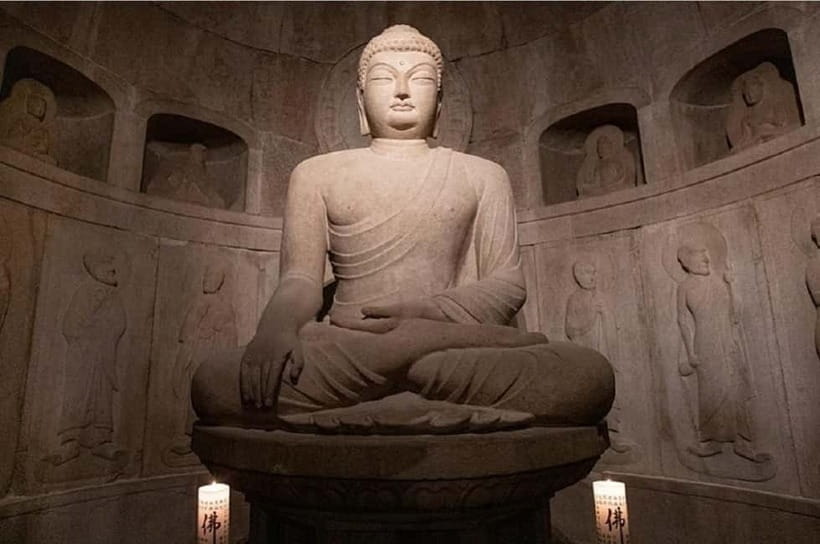
Next is Seokguram Grotto, another hour with a guide. This artificial stone grotto houses a major Buddha statue and is surrounded by detailed bas-reliefs of Buddhist deities. The guided pace matters here because the carvings are the whole point—and the story helps you read them faster.
If you get the order right (temple first, grotto second), your brain connects the dots between architecture and devotional art.
Lunch at Hongsi Hanjeongsik: more than a meal stop
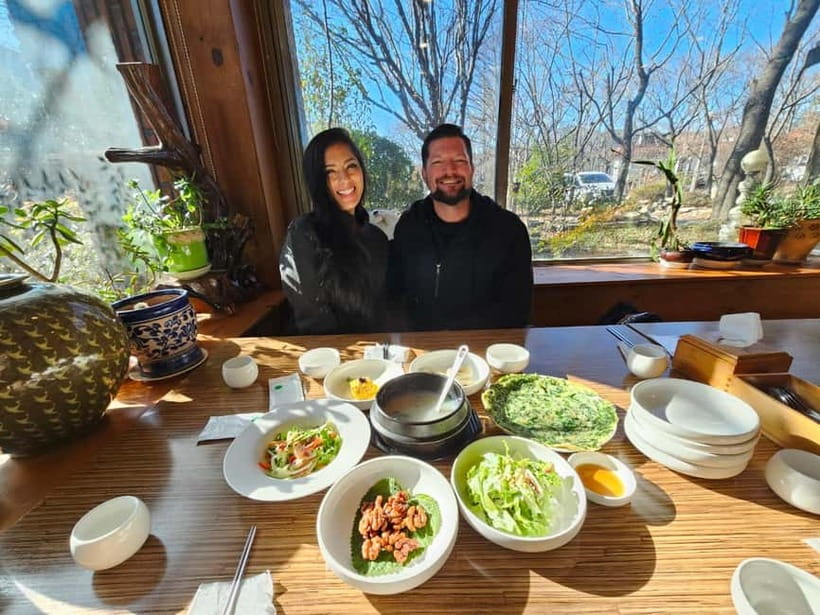
Lunch is scheduled at Hongsi Hanjeongsik for about an hour. Here’s the key detail: lunch is not included in the tour price, so you’ll pay separately, but you’re guaranteed a planned stop and guided help along the way.
Why this lunch matters: a guide’s explanation can turn a standard Korean set meal into something you can “decode” while you eat. At Hongsi, the meal includes appetizers, a main course with fish and meats, three types of soup, and a spread of side dishes. Dessert includes frozen persimmon, plus a Korean tea infused with over ten medicinal herbs.
I like this format because you’re not stuck guessing. You’ll hear what each component is doing on the table and how it connects to Korean dining culture—so the meal feels part of the day, not a pause button.
Daereungwon Tomb Complex: stepping into Silla royal power
After the UNESCO sites, you shift into royalty and funerary culture at Daereungwon Tomb Complex for about an hour of guided time.
This area is known for the large burial mounds of Silla royalty, including Cheonmachong Tomb—and you can enter to view treasures and artifacts excavated from the site. That access is a big reason this stop is worth protecting in your schedule. A tomb complex is interesting even from the outside, but the inside view is where you get a real sense of what was kept, displayed, and valued.
One practical tip: wear shoes that can handle walking around mounds and uneven terrain. Also, if you have mobility needs, tell your guide early. Since your itinerary can be adjusted to your fitness and preferences, you can often handle this area at a comfortable pace.
Cheomseongdae Observatory: the Silla science stop that surprises people
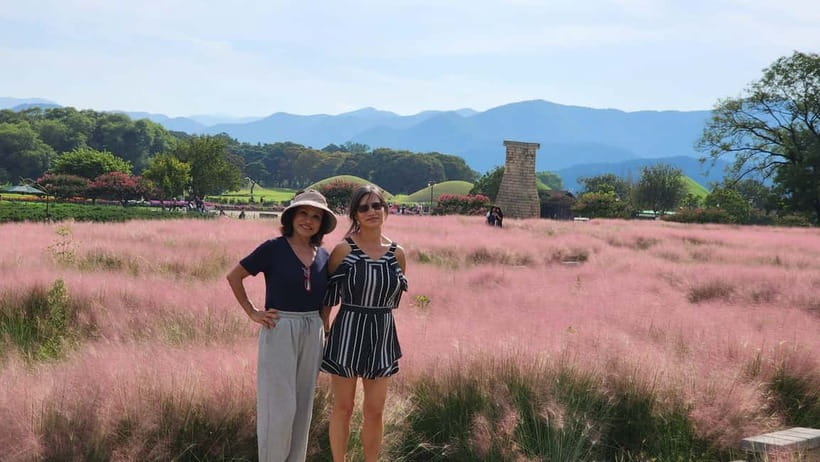
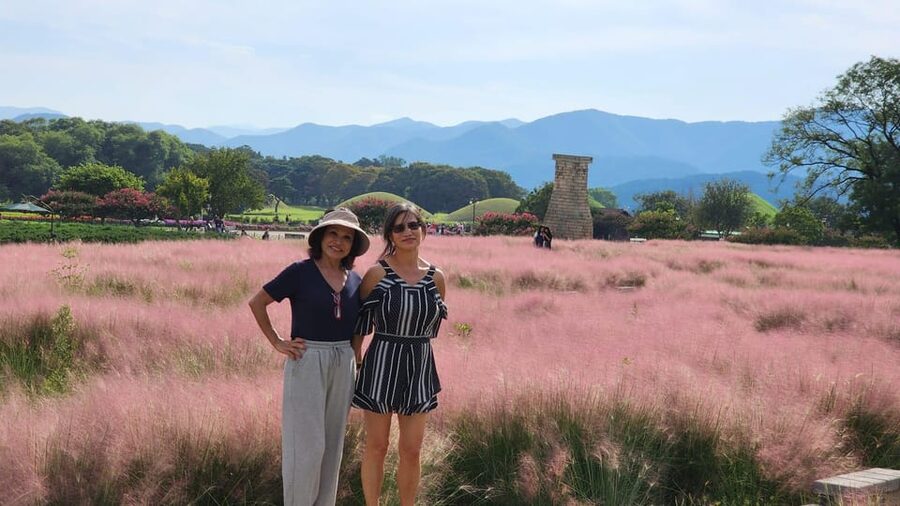
Then comes Cheomseongdae, for about 30 minutes with a guide. This is the oldest surviving astronomical observatory in Asia, built during the reign of Queen Seondeok.
The key detail I love here is the structure: it’s often described as bottle-shaped, and the purpose was observation—used to forecast weather based on the sky. That’s an unexpected angle after temples and tombs. It reminds you the Silla kingdom wasn’t only building monuments; it was also measuring the world.
If you’re into history that connects to everyday life, this is your moment. If you’re not, the guide can still make it feel tangible by linking observation to how societies plan agriculture and seasonal needs.
Gyeongju National Museum: slow down and connect the dots
After the outdoor stops, you get time inside Gyeongju National Museum for about an hour of guided viewing.
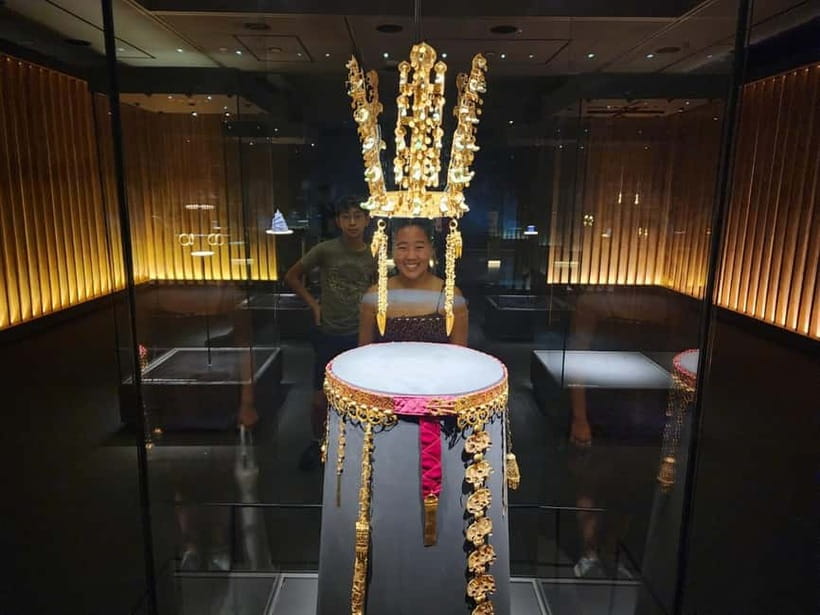
This is where the city’s scattered monuments start to feel like one system. The museum collection includes artifacts from the Silla kingdom such as gold crowns, pottery, and Buddhist relics. Your guide helps you connect what you saw outside to what the objects represent.
In plain terms: it’s your “study hall” for the day. If you’ve been moving fast, the museum is where you reset your understanding without feeling like you’re doing homework.
Donggung Palace and Wolji Pond at dusk: the ending that feels like a movie
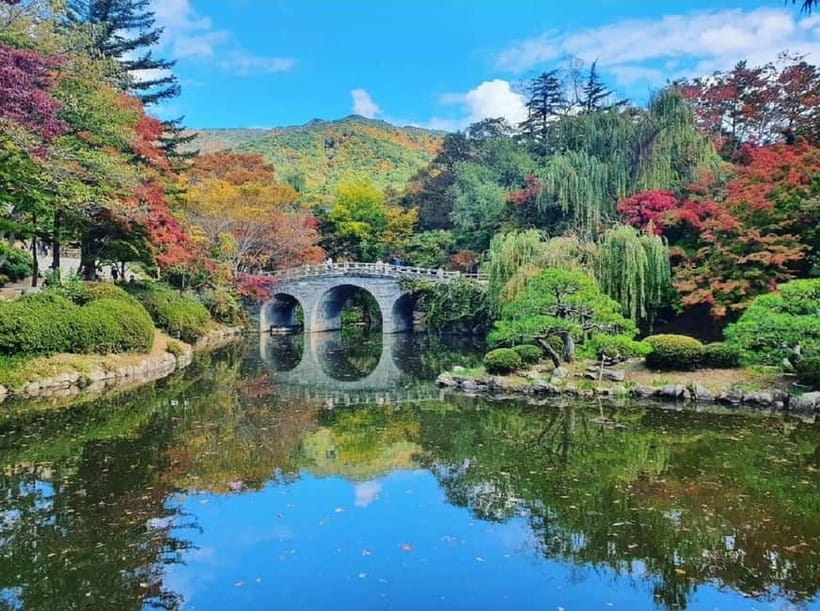
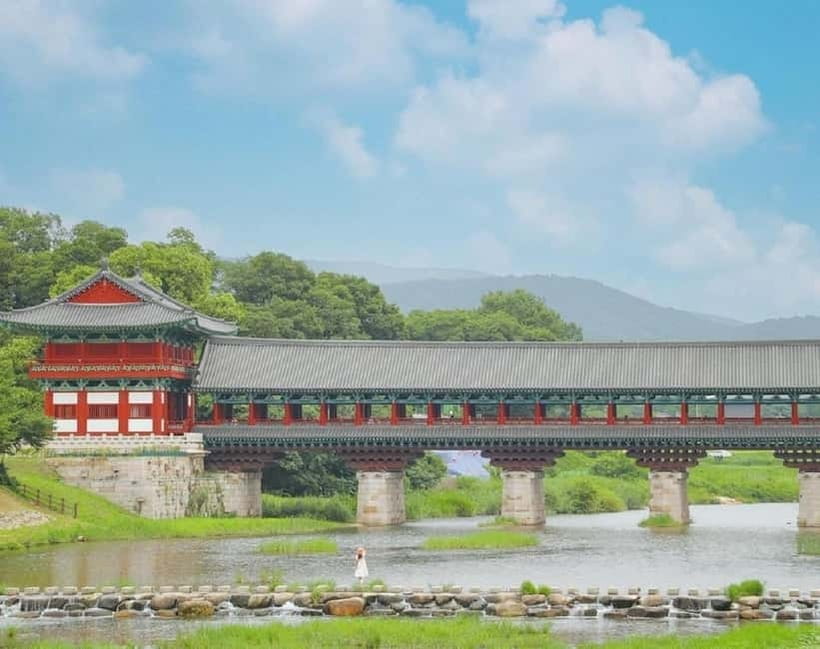
The finale is Donggung Palace and Wolji Pond for about an hour. This spot is especially magical near dusk, when reflections from the palace buildings show up across the calm pond. At night, the area is illuminated, which makes it a great wrap-up for a history-heavy day.
This stop is also one of the easiest for your guide to tailor. If your group is tired, you can focus on the most photogenic viewpoints first. If you’re still full of energy, you can extend your walk and take in more of the lit structures.
Price and value: is $399 per group worth it?
The tour is listed at $399 per group up to 7 people, with duration ranging from 4 to 9 hours depending on your route (Busan to Gyeongju, Busan to Busan, Gyeongju to Busan, and so on).
Here’s how I’d think about value:
- You’re paying for coordination: door-to-door pickup, transport, and guided interpretation at multiple major sites.
- Entrance fees aren’t fully included: Daereungwon and Donggung Palace have separate entrance costs listed at about $2 each.
- You’re buying time efficiency: with a private car, you lose less time moving between places and more time understanding them.
For a small group, it often pencils out better than individual guide bookings, especially because transportation, parking, and tolls are handled. If you’re traveling solo or as a couple, it can still be worth it if you want an English-speaking guide and a day that’s easy to manage without multiple tickets, buses, and translation stress.
Picking the right duration: 4 hours vs 9 hours
This experience scales with your schedule.
- A 4-hour option keeps pickup and drop-off limited to the Gyeongju area.
- The 8-hour options depend on whether you start in Gyeongju or Busan and where you finish.
- The 9-hour option offers flexible pickup and drop-off locations in both Busan and Gyeongju.
My advice: if you’re arriving from elsewhere or you want a “hit the big names” day, choose the shorter version. If you want to slow down enough to actually absorb the museum and enjoy the pond at night, go longer.
Who this tour suits best
This private car tour is a strong fit if you:
- Want major Silla and UNESCO sites without bouncing between transit connections
- Prefer a guide who can adjust pace and reduce crowd-pressure
- Care about explanations that help you read temples, carvings, tombs, and artifacts
- Are traveling in a group (up to 7) and want to keep the day smooth
It may feel like a lot if you’re extremely tired of walking and don’t enjoy structured sightseeing. But with a guide who can adjust your itinerary based on fitness and preferences, you can usually make it workable.
Should you book this Gyeongju private car tour?
Yes, if you want the easiest possible way to see Gyeongju’s top Silla-era highlights with real interpretation. The mix of Bulguksa + Seokguram (UNESCO), Daereungwon + Cheonmachong (royal context), Cheomseongdae (science angle), a museum reset, and a dusk/night finish at Donggung Palace & Wolji Pond is a smart flow.
Book it especially if you value a guide who goes beyond facts—people in this tour’s guide set often bring extra tools (photo binders, menu help, crowd-aware timing) and keep the day comfortable. Just remember: the itinerary is active, and lunch/entrance fees for Daereungwon and Donggung Palace are not included.
FAQ
What’s the group size for this private tour?
It’s a private group experience priced at $399 per group, up to 7 people.
Where can the tour start and end?
Pickup and drop-off can be arranged at any desired location in Busan or Gyeongju. Some duration options restrict pickup/drop-off to Gyeongju only, or create specific Busan-to-Gyeongju routing.
How long is the tour?
The tour duration ranges from 4 to 9 hours, depending on the option you choose and your pickup/drop-off route.
Is lunch included?
No. Lunch is not included in the price. The tour includes a planned lunch stop at Hongsi Hanjeongsik.
Are entrance fees included for all sites?
Daereungwon entrance fees (about $2) and Donggung Palace entrance fees (about $2) are not included.
Is the tour guide English-speaking and wheelchair accessible?
Yes. The live tour guide is English-speaking, and the tour is wheelchair accessible.
If you tell me your travel dates and whether you’re starting from Busan or staying in Gyeongju, I can suggest the best duration option for your pace.