REVIEW · TOKYO
From Tokyo:Nikko Full Day Tour w/Hotel Pickup by Private Car
Book on GetYourGuide →Operated by Japan tours International by Unemoto LLC · Bookable on GetYourGuide
Nikko turns a long Tokyo day into a nature-and-shrine reel you can actually manage. Nikko National Park gives you mountain scenery, wildlife-style atmosphere, and big sights without the stress of transfers.
I especially like the private car setup and the chance to set your pace at each stop. I also love the pairing of Shinkyo Bridge with Kegon Falls, because you get both the sacred and the wild in one tight loop.
One thing to consider: this is not a full guided tour inside the attractions. You’ll be pointed in the right direction for ticketing and lines, then you explore on your own with an English-speaking driver nearby.
In This Review
- Key highlights to know before you go
- Why Nikko is an easy win from Tokyo (even on a tight schedule)
- Price and what you’re really paying for in a private car day trip
- The 10-hour sightseeing flow: how this day stays manageable
- Akechidaira Observation Area: start with the views that set the mood
- Shinkyo Bridge: Nikko’s iconic entry moment
- Chuzen-ji Temple: a quieter spiritual stop in the middle of nature
- Kegon Falls: the high-impact payoff
- Nikko Tosho-gu: UNESCO weight, Tokugawa Ieyasu’s shadow
- Hot springs reputation: don’t ignore the Nikko identity
- Driver support: helpful, but still self-guided inside the sights
- Who this private Nikko tour is best for
- Tips to make your day feel smoother (and more fun)
- Should you book this Nikko private car day trip?
- FAQ
- How long is the Nikko full day tour?
- Is hotel pickup and drop-off included?
- Is this a private group tour?
- What stops are included during the day?
- Does the host provide a guided tour inside the attractions?
- What language does the driver speak?
- Is the vehicle air conditioned?
- Are food and drinks included?
- Are admission tickets included?
- What’s the cancellation policy?
Key highlights to know before you go
- Private vehicle, hotel pickup and drop-off with air-conditioned comfort for a full day
- English-speaking driver (also Tagalog) to help with the practical stuff
- Akechidaira Observation Area for first-look mountain views
- Shinkyo Bridge + Chuzen-ji Temple for Nikko’s signature sacred atmosphere
- Kegon Falls for the waterfall moment people plan around
- Nikko Tosho-gu UNESCO Shrine tied to Tokugawa Ieyasu, the first shogun of the Edo period
Why Nikko is an easy win from Tokyo (even on a tight schedule)
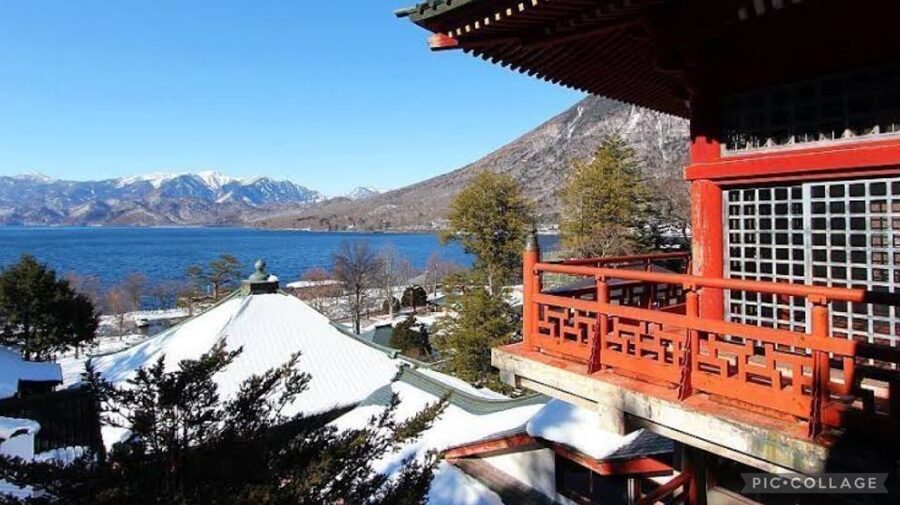
Nikko has a way of feeling bigger than it is. In one day, you can go from quiet mountain views to richly detailed shrine architecture, then finish with a waterfall that makes the journey feel worth it. That combination is why this kind of full-day trip from Tokyo works so well for first-timers.
You’ll also get the broader Nikko identity: it’s famous not only for hot springs, but for the natural setting and the shrine culture. Even if you’re not soaking in an onsen today, the area still delivers that Nikko feeling—clean air, forested slopes, and a sense that you’ve stepped into a different pace of Japan.
The private-car format matters here. You’re not stuck timing everything around crowded bus departures. Instead, you can aim to arrive before peak bottlenecks and keep moving through the day without constantly reorganizing your route.
Price and what you’re really paying for in a private car day trip
At $709 per group (up to 2 people), this isn’t a budget excursion. But the value logic is straightforward: you’re paying primarily for transportation, not a full guided lecture. That can be a great deal if:
- you’re traveling as two and want a calmer experience than a public bus
- you care more about seeing the sights than being walked through every single detail
- you want an English-speaking driver who can handle timing and help with practical language needs
In your case, the host/greeter function is real but limited. They help you with ticket purchase guidance and waiting in line, then you explore the attraction yourself rather than getting a full live guide inside each site. If you enjoy self-paced sightseeing, this model fits well.
If you want deep, continuous narration at every stop, you may feel the lack of a full guided tour. Luckily, many visitors still love Nikko at their own pace—especially around areas like Tosho-gu, where you can slow down for details when you choose.
The 10-hour sightseeing flow: how this day stays manageable
The tour runs for about 12 hours total, built around roughly 10 hours from hotel pickup to drop-off. That rhythm matters because Nikko is not around-the-corner. You’ll spend time traveling, then you’ll spend time switching environments—viewpoints, bridges/temples, waterfall, and UNESCO shrine—without needing to coordinate trains and buses yourself.
Also note the timing reality: it’s long enough to hit the key sights, but not long enough to linger for hours at every single photo spot. Your best strategy is to arrive ready to walk, take your best shots, and then move on.
Finally, you’re going out rain or shine. That’s important for planning what you wear and how you handle photos. In wet weather, waterfalls and mossy shrine settings can look amazing—but visibility at observation points can be reduced.
Akechidaira Observation Area: start with the views that set the mood
Your day kicks off with the Akechidaira Observation Area. This is your first chance to get oriented and catch broad mountain views before you get deeper into Nikko’s shrine and waterfall zones.
Why this stop is useful: observation areas act like a reset button. Before you’re surrounded by walking routes and ticket lines, you get a sense of the terrain—where the hills rise, how the valleys open, and what kind of weather you’re dealing with. That helps when you later see the lakes and falls around the region.
Practical consideration: viewpoints can be windier and cooler than the city. If you dress like it’s Tokyo in summer, you’ll likely feel it once you step outside at an exposed spot. Bring a light layer even if your morning starts warm.
Shinkyo Bridge: Nikko’s iconic entry moment
Next comes Shinkyo Bridge, one of the most recognizable images tied to Nikko. This is the moment where the trip starts to feel like more than just a scenic drive. The bridge creates a natural transition: you go from open, view-based sightseeing into a more ceremonial, route-based world.
What I like about this kind of stop early in the day is pacing. You see something instantly memorable before the day asks for more walking. You also set your expectations for Nikko’s visual language—ornate details, strong lines, and places designed for slow looking even if you’re trying to fit everything in.
Potential drawback: it can be a busy area at popular times. You might not control crowd levels, but the private-car format helps you get there at your driver’s timing rather than being locked into a big-group schedule.
Chuzen-ji Temple: a quieter spiritual stop in the middle of nature
After Shinkyo, you’ll head to Chuzen-ji Temple. This stop adds depth to the day. It’s not just about one big wow sight; it’s also about the atmosphere of Nikko’s religious sites and the way they sit in the surrounding environment.
This stop is valuable because it keeps the day from becoming one long photo sprint. Temples give you a chance to slow down, absorb the surroundings, and reset mentally before you tackle the most dramatic water feature: Kegon Falls.
If the weather is rainy, temple areas can still feel atmospheric. Just be ready for wet surfaces and make sure your shoes have good grip.
Kegon Falls: the high-impact payoff
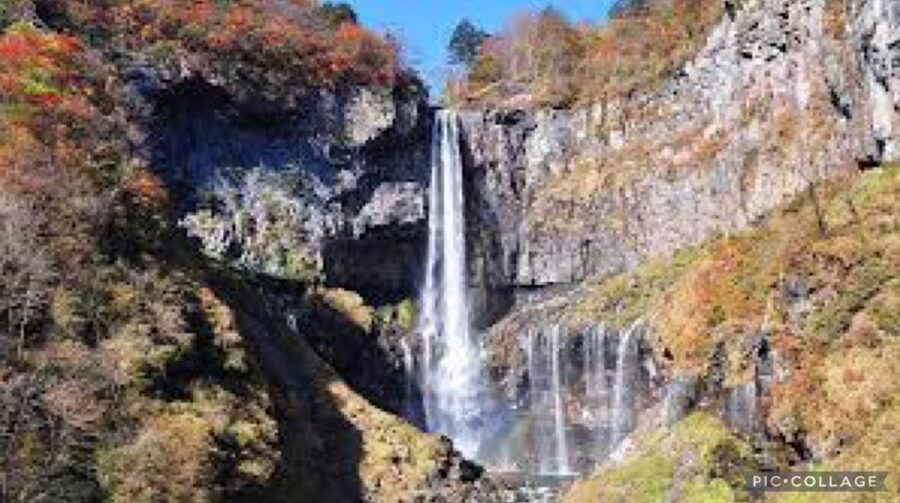
Then you reach Kegon Falls, the part of the day people tend to remember. A waterfall this famous works because it has scale. Even without a guided explanation, you can feel why it’s worth including in a tight one-day plan.
Why Kegon Falls is a smart inclusion:
- It’s a concentrated, high-drama natural feature
- It offers multiple vantage options depending on where you spend your time
- It breaks the day up so shrine time and temple time don’t blur together
What can limit your experience: visibility and comfort. Rain can make it harder to see far details from certain angles, and mist can affect photos. But on the plus side, wet conditions often make waterfalls look even more powerful.
My practical advice: plan to spend enough time for one wide shot and then one closer look. Don’t rush to the first viewpoint and call it done.
Nikko Tosho-gu: UNESCO weight, Tokugawa Ieyasu’s shadow
The big finish is Nikko Tosho-gu, a UNESCO World Heritage Site built in the 17th century. This shrine is dedicated to Tokugawa Ieyasu, the first shogun of the Edo period, and it’s where Nikko’s spiritual and political symbolism becomes very real.
This is also where the format of this tour becomes important. Because the host greeter provides guidance but does not act as a full inside attraction guide, you’ll want to bring your own curiosity. Look closely at details, take your time at the key structures, and use the quiet moments to read what you can.
Why this is one of the strongest uses of a day trip:
- UNESCO sites reward slow attention
- Tosho-gu is iconic even if you don’t know every reference
- The site’s layout lets you pace yourself if you’re willing to walk
Possible consideration: you may face queues for ticketing/entry. The good news is the host helps with purchasing guidance and line positioning so you’re not guessing your way through the bottlenecks.
Hot springs reputation: don’t ignore the Nikko identity
Nikko’s hot springs are a big part of its fame. Today’s route focuses on observation, bridges/temples, a major waterfall, and Tosho-gu shrine. Still, knowing the onsen culture is part of the reason the area feels special to many people.
If you’re the kind of traveler who wants a more complete Nikko day, you might plan an onsen experience either before you leave the region or after you return. This tour can still be satisfying without soaking, but it pairs nicely with a follow-up onsen if you’re staying longer than one day.
Driver support: helpful, but still self-guided inside the sights
The setup here is consistent: you get hotel pickup and drop-off, private air-conditioned transportation, and an English-speaking driver. The driver can also include Tagalog, and some drivers are described as very willing to help with language needs, like Kenji and Aman being praised for friendliness and support.
What that means for you in real life: you’re not stuck trying to interpret logistics alone. Your driver can handle timing, and the host greeter helps you navigate ticket purchase guidance and waiting in line. Once you’re at each attraction, though, you explore largely on your own.
This is ideal if you:
- like moving at your own speed
- prefer to decide when to stop for photos
- don’t need a narrative for every building and walkway
It’s less ideal if you want constant interpretation from a dedicated guide for the entire day.
Who this private Nikko tour is best for
This is a good match for couples and small parties who want the major Nikko hits without the hassle of transit planning. It’s also a strong fit if you care about:
- seeing the UNESCO Tosho-gu without rushing around
- taking in Shinkyo Bridge and Kegon Falls as two different kinds of wow
- traveling comfortably in a private, air-conditioned vehicle
- communicating easily in English (and possibly Tagalog)
If you’re traveling with very young kids or anyone with limited stamina, you’ll need to think carefully. This is a long full-day trip with multiple stops, and the exact walking time at each site isn’t broken down here. You’ll also be out in rain or shine.
Tips to make your day feel smoother (and more fun)
A few small choices can make a big difference on a day like this:
- Wear shoes you trust on wet paths. Rain is part of the plan, not a surprise.
- Bring layers. Observation areas and mountain conditions can feel cooler.
- Have a plan for your photo pacing. Spend time at Kegon Falls, then protect your energy for Tosho-gu.
- If you’re not traveling with a full inside guide, take advantage of signage and take breaks when you need them.
And mentally: think of the day as two acts. Act one is scenery and atmosphere (observation, bridge, temple). Act two is iconic architecture and spectacle (Kegon Falls and Tosho-gu).
Should you book this Nikko private car day trip?
Book it if you want a stress-free, high-sight-value day and you’re traveling up to two people. The private vehicle, hotel pickup/drop-off, and English-speaking driver support are exactly what you’d want when you have one day to do Nikko well.
Consider passing or looking for another format if you expect a full guided tour at every stop. This experience gives you the ride and the route help, but inside the attractions, you’re the one steering your pace.
If your goal is to see Nikko Tosho-gu, catch Shinkyo Bridge, and stand in front of Kegon Falls without building an itinerary from scratch, this is a solid use of your time in Japan.
FAQ
How long is the Nikko full day tour?
The tour duration is 12 hours, with about 10 hours from hotel pickup to drop-off.
Is hotel pickup and drop-off included?
Yes. Hotel pickup and drop-off are included.
Is this a private group tour?
Yes, it’s a private group with private transportation.
What stops are included during the day?
The itinerary includes Akechidaira Observation Area, Shinkyo Bridge, Chuzen-ji Temple, Kegon Falls, and Nikko Tosho-gu.
Does the host provide a guided tour inside the attractions?
The host or greeter provides guidance for things like purchasing a ticket and waiting in line, but it does not provide a full guided tour of the attraction itself.
What language does the driver speak?
The driver is English-speaking and also speaks Tagalog.
Is the vehicle air conditioned?
Yes. Transportation is provided in an air conditioned vehicle.
Are food and drinks included?
No. Food and drinks are not included.
Are admission tickets included?
Admission tickets are not included, though a few destinations do require tickets.
What’s the cancellation policy?
Free cancellation is available up to 24 hours in advance for a full refund.