REVIEW · TOKYO
Tokyo private Driving Tour by car/van English speaking chauffeur
Book on Viator →Operated by EXPLORE JAPAN · Bookable on Viator
Tokyo can eat your day. This private driving tour turns it into a clear, paced route with an English-speaking chauffeur and a clean A/C vehicle that keeps you comfortable between major sights. I love that you can hit the big names like Sensō-ji and Shibuya without fighting trains, and I also like the flexibility drivers bring to real life, including family needs. One thing to consider: the day is tight, and there’s no walking guide, so you’ll still do your share of footsteps.
What makes it work especially well is the small size, with a maximum of 5 travelers. The published feedback is consistently top-notch (a 5/5 rating from 10 people and 100% recommending it), and names like Shokh/Shoxa and Caffrey pop up thanks to clear English and practical help on the road.
In This Review
- Key Things You Should Know Before You Ride
- Why a Private Chauffeur Makes Tokyo Feel Easier
- Price and What You Really Get for $430
- Morning Pickup and Timing: What a 9-Hour Day Can Mean
- Sensō-ji Temple and Nakamise Street: Start With Old Tokyo Energy
- Tokyo Skytree and Solamachi: Big Views, Flexible Timing
- Tsukiji Fish Market: Early Sushi and a Walk Through the Action
- Imperial Palace East Gardens: A Calm Break From the City Rush
- Tokyo Tower Photos, Then Meiji Jingu’s Forest Walk
- Takeshita Street to Shibuya Crossing: Neighborhood Fun Meets City Speed
- Optional Odaiba: Modern Tokyo if You Still Have Energy
- The Chauffeur Experience: English, Courtesy, and Real Flexibility
- What’s Included vs. What You Handle Yourself
- Tips to Make the Tight Route Feel Like a Win
- Should You Book This Private Tokyo Driving Tour?
- FAQ
- What time does the tour start?
- Is hotel pickup included?
- How long is the tour?
- What is included in the price?
- How many travelers are in the group?
- What happens if the weather is bad?
- What is the cancellation window for a full refund?
Key Things You Should Know Before You Ride
- Hotel pickup + private car/van: You start where you are, not where the transit map says you should be.
- A full classic Tokyo route: Temples, viewpoints, markets, and neighborhoods in one day.
- Max 5 travelers: This keeps the ride calmer than typical big-group tours.
- English-speaking chauffeurs: Shokh/Shoxa and Caffrey are specifically mentioned in the feedback.
- Air-conditioned transport: Comfort matters in Tokyo heat and humidity.
- Optional Odaiba stop: Good if you want more modern Tokyo, skip it if you’re tired.
Why a Private Chauffeur Makes Tokyo Feel Easier
Tokyo is fun, but it can be a logistics puzzle. Stations are great, yet changing lines, finding exits, and timing transfers can soak up hours fast. A private chauffeur solves that in a simple way: you get door-to-door transport, and you spend your energy on what you came for.
This is also a good way to handle Tokyo’s mix of walking and waiting. You’ll be walking at major stops, but the car/van handles the long moves and time between neighborhoods. That means fewer time sinks and fewer moments of, now where do we go?
Another quiet win: you can set the pace. The ride stays organized around a schedule, but the driver’s job is to keep the day running smoothly and adjust to your timing where possible. In the feedback, drivers like Shokh/Shoxa and Caffrey are praised for being friendly and helpful, which matters when you’re trying to coordinate a busy city.
Price and What You Really Get for $430
At $430 for a 9-hour private car tour, this isn’t a budget option. But it’s not trying to be. The value comes from trading cost for time and stress reduction.
Here’s the practical math you should think about: if you’re traveling with family, older relatives, or a small group, one private vehicle can be cheaper than you’d expect once you add taxis plus time lost to transit. Even for couples, the real “currency” here is your day. You’re covering a lot of iconic stops, and the chauffeur is responsible for getting you between them efficiently.
Also, air-conditioned transport is included. That sounds like a small detail until you’re standing in humidity with a backpack and trying to read station signage. Having a comfortable ride waiting for you is a big part of why this style of day tour works.
Morning Pickup and Timing: What a 9-Hour Day Can Mean
The day starts at 9:00 am with pickup offered from your hotel. That early start matters in Tokyo because a lot of your route depends on foot traffic and how long each place takes.
The operator lists about 9 hours, but they also note the end time can run from roughly 6:00 pm to as late as 9:00 pm depending on traffic and how much time you spend at each stop. Translation: build in some flexibility. If you cram in extra shopping or you linger for photos, your finish can slide later. That’s normal in a city where congestion can change block by block.
The good news: the whole day is planned as a back-to-back sequence of classic sights and easy-to-scan neighborhoods. You’re not bouncing around with awkward gaps where you’re stuck figuring out the next ride.
Sensō-ji Temple and Nakamise Street: Start With Old Tokyo Energy
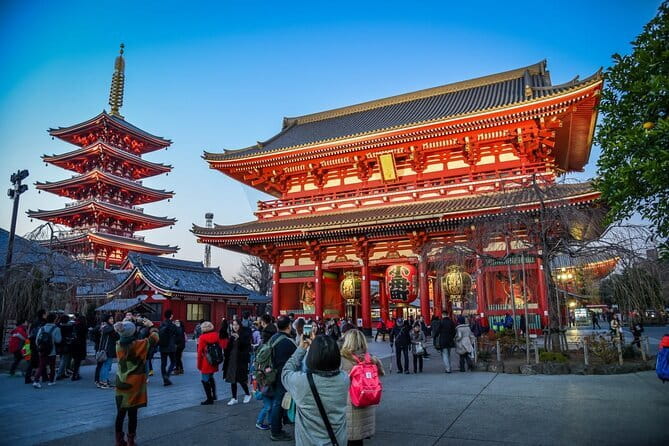
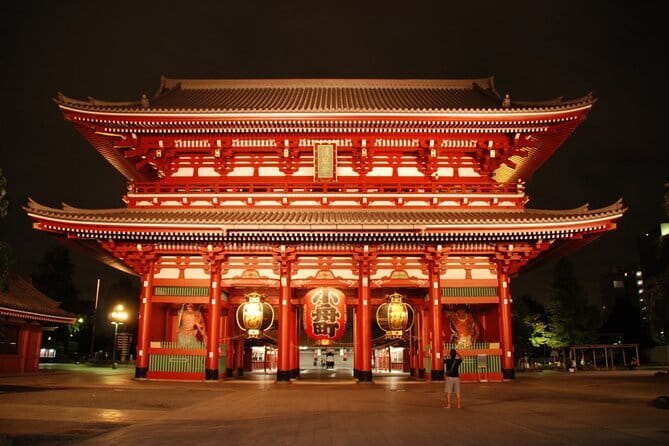
Your day kicks off at Sensō-ji Temple in Asakusa, one of Tokyo’s best-known historic areas. This is where you get your first hit of traditional Tokyo, with the temple as the anchor and Nakamise Street as the warm-up.
What makes this stop special is how it sets the tone. You’re not just looking at a landmark; you’re walking through the approach area where snacks, small stalls, and old-school Tokyo vibes mix together. It’s also a smart first stop because you’re starting early and the crowds are usually more manageable than later in the day.
A practical tip: decide early whether you want a quick browse or you want to linger for food. If you’re the type who pauses for everything, you’ll want to budget extra minutes because Asakusa tends to keep people there longer than they expect.
Tokyo Skytree and Solamachi: Big Views, Flexible Timing
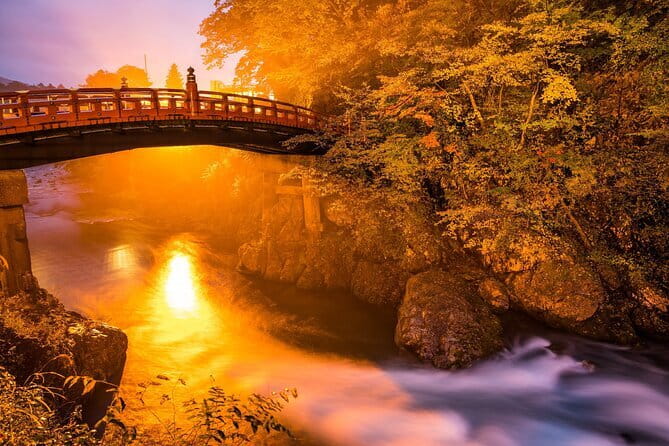
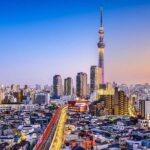
Next is Tokyo Skytree. If you have time, you can head up to the observation deck for wide city views. If you’re running short on time, you can still enjoy the view from the base and then shop at Solamachi Mall.
That built-in flexibility is helpful. Skytree is an iconic skyline moment, but it can also be a time sink depending on how long lines take and how long you want to stay above. Solamachi gives you a Plan B that keeps the day moving without feeling like you skipped the experience.
If you care most about photos, you’ll likely be happiest choosing the view that matches your energy level. If you love shopping and casual wandering, Solamachi can keep you occupied even if you skip the deck.
Tsukiji Fish Market: Early Sushi and a Walk Through the Action
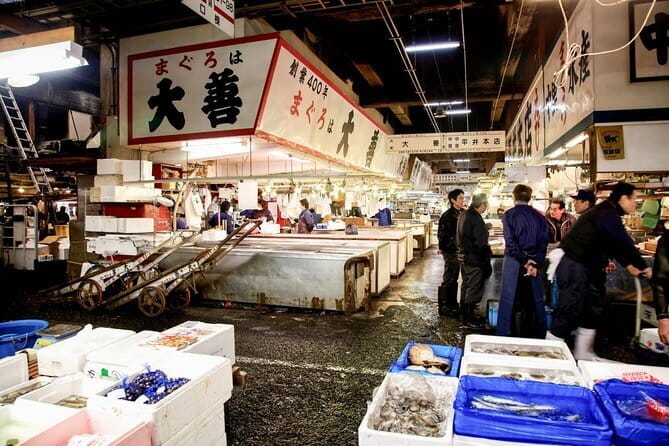
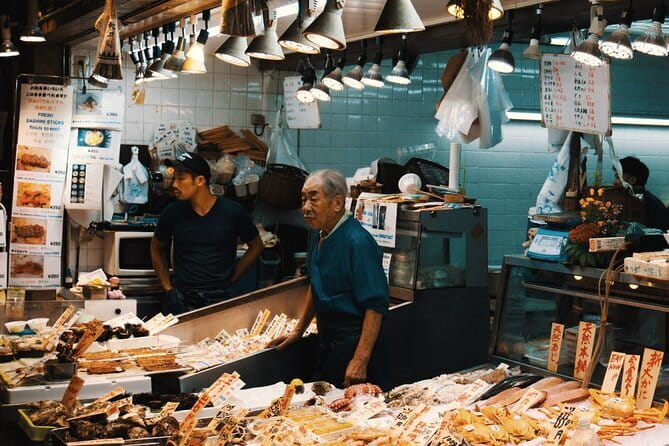
Tsukiji Fish Market is next, and this is one of the most practical parts of the route because it naturally fits an early lunch. You can grab fresh sushi and then explore the outer market area.
The key here is timing and convenience. With a private chauffeur, you’re not spending your morning trying to figure out which gate to use or how to get everyone together fast. You arrive, you eat, you walk, and you’re back on the road.
Two things to keep in mind:
- If you want a specific kind of lunch, go in with a plan (or at least an open mind).
- If you shop for souvenirs here, you’ll probably want to carry less so your next stops feel easier.
Imperial Palace East Gardens: A Calm Break From the City Rush
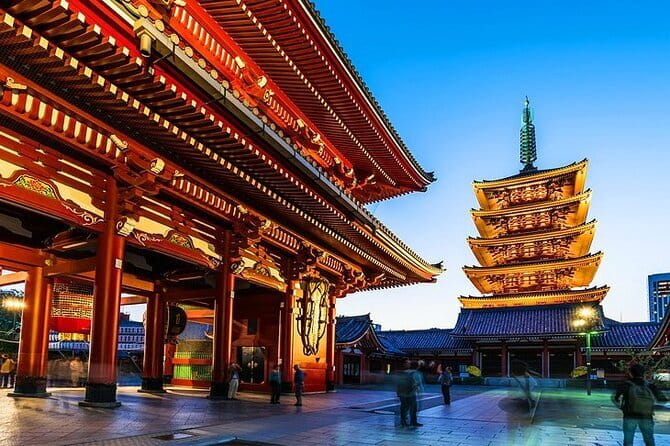
Then you shift to a quieter mood at the Imperial Palace, specifically the East Gardens area. This is a breather stop. After temples, shopping streets, and market energy, the palace grounds help reset your pace.
What I like about this stop is that it adds contrast. Tokyo isn’t only neon and crowds. Having a calmer zone in the middle of your day makes the later sights like Tokyo Tower and Shibuya feel even more dramatic.
If you’re traveling with kids or anyone who tires easily, this is the kind of stop that can work well because it’s not only about squeezing into photo moments. You can slow down and take it in.
Tokyo Tower Photos, Then Meiji Jingu’s Forest Walk
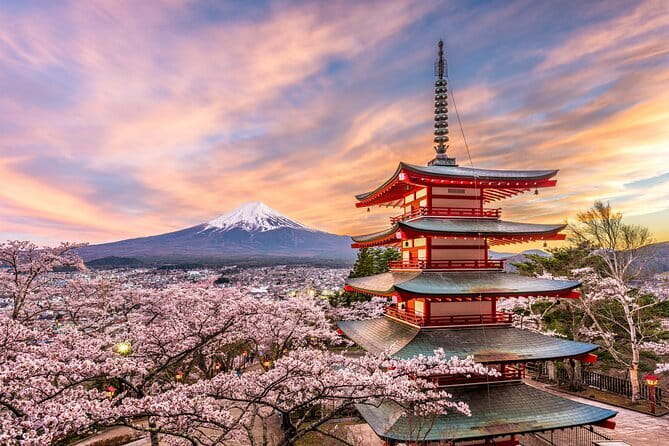
After the palace, the route takes you to Tokyo Tower for either a main observation deck visit or a quick photo stop. Decide based on your day’s momentum. If you’re into viewpoints, go up. If your energy is running low, a photo stop still gives you that classic tower moment.
Then it’s off to Meiji Jingu Shrine, where you step into a forested setting that feels like a different Tokyo. This is a great contrast to the city grid. The shrine area is known for walking paths and a calmer atmosphere, so it’s a satisfying place to slow down without feeling like you’re wasting time.
Practical note: even on a private tour, you’ll still be walking. Wear shoes you can move in for longer-than-expected stretches.
Takeshita Street to Shibuya Crossing: Neighborhood Fun Meets City Speed
Your later stops lean toward modern Tokyo and big-city buzz. Takeshita Street is the first, a street known for quirky shops and cafe culture. It’s playful, fast-moving, and people-watch friendly.
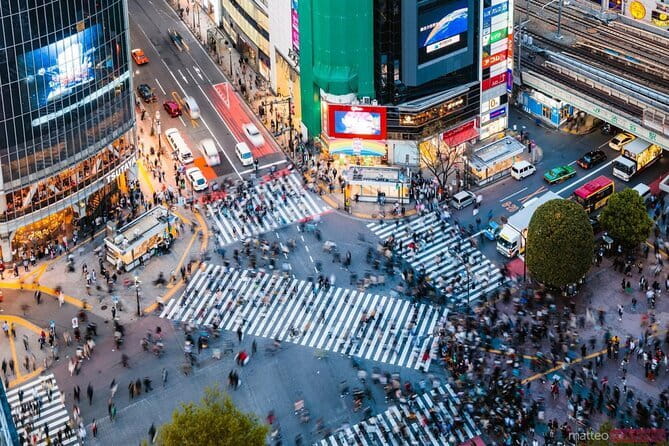
Then comes Shibuya Crossing, which is one of the world’s most famous intersections. This is where the city’s pace feels the most intense. You’re not just walking through a neighborhood; you’re stepping into a spectacle of crossing streams of pedestrians.
One way to enjoy Shibuya more: keep your “shopping vs. people watching” split in mind. If you’re chasing shops, give yourself enough time to browse without feeling rushed. If you mainly want the crossing photos, treat it like a timed stop so you can move on.
Optional Odaiba: Modern Tokyo if You Still Have Energy
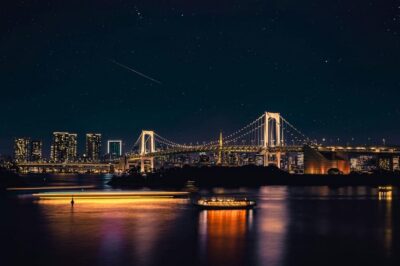
Odaiba is optional, which is smart. This part of the day works best if you still have steam for modern attractions. The tour mentions options like the life-sized Gundam statue and teamLab exhibits.
Here’s how I’d think about it: if you’re traveling with kids, Odaiba can add variety beyond temples and traditional neighborhoods. If you’re mainly focused on iconic classics and your feet are already sore, skipping Odaiba can help you keep the day enjoyable instead of exhausting.
Odaiba also depends on timing and traffic. Since the tour duration can stretch based on road conditions, making Odaiba optional gives you control.
The Chauffeur Experience: English, Courtesy, and Real Flexibility
The chauffeur is the heart of this kind of private tour. In the feedback, English communication is repeatedly highlighted, and friendly, helpful attitudes are specifically mentioned for drivers such as Shokh/Shoxa and Caffrey.
What you should look for in a chauffeur isn’t just language. It’s practical decision-making: choosing the route, timing stops, and keeping everyone together without drama. If you’re traveling with a toddler, that flexibility matters even more, because family needs tend to create unexpected pauses.
Also, small groups help. With a maximum of 5 travelers, the driver can focus on your timing and comfort instead of juggling a large crowd.
What’s Included vs. What You Handle Yourself
Included:
- Air-conditioned vehicle
Not included:
- A walking guide
That last line matters. This is still a “guided by your driver” experience in the sense of navigation, smooth transitions, and likely some on-the-road storytelling. But you shouldn’t expect a dedicated person following you through every site with a deep narration.
So plan how you want to handle walking explanations. If you like learning as you go, you might want to do quick reading beforehand on the main places. If you mainly care about seeing the sights and getting great logistics, you’re set.
Tips to Make the Tight Route Feel Like a Win
This day covers a lot. To keep it fun instead of frantic, here are a few practical moves:
- Wear comfortable shoes from the start. You’re doing temples, markets, and neighborhood walks.
- Pick your “must-do” for Skytree and Tokyo Tower. Deck time varies; decide early.
- Keep shopping light early and save heavier purchases for later, when you know you won’t rush.
- Use the private car for recovery time. Sit, hydrate, and let your brain reset between stops.
- Be flexible about the end time. Traffic can shift things, and that’s not a failure of planning.
Also, since the tour requires good weather, keep an eye on forecasts. If it’s canceled because conditions aren’t right, you’ll be offered an alternate date or a full refund.
Should You Book This Private Tokyo Driving Tour?
Book it if you want maximum Tokyo highlights with minimum logistics stress. It’s a strong choice for:
- Families who need a comfortable car between stops and flexible pacing
- Couples who want iconic sights without negotiating trains
- First-timers who feel overwhelmed by Tokyo’s scale
- Small groups (up to 5) who want a calm day with an English-speaking chauffeur
Skip or reconsider if you’re the type who enjoys navigating Tokyo by yourself and you already have your transit route mastered. Also reconsider if you hate tight schedules and walking. This is a packed day, and the success of the experience depends on your willingness to move between stops.
Overall, if your priority is seeing the classic Tokyo mix—temples, viewpoints, market food, and big neighborhoods—this private chauffeur setup is a practical way to do it.
FAQ
What time does the tour start?
The tour starts at 9:00 am.
Is hotel pickup included?
Yes, pickup from your hotel is offered.
How long is the tour?
It’s approximately 9 hours, but the end time can vary depending on traffic and time spent at each stop, running roughly from 6:00 pm to 9:00 pm.
What is included in the price?
An air-conditioned vehicle is included. A walking guide is not included.
How many travelers are in the group?
The tour has a maximum of 5 travelers.
What happens if the weather is bad?
The experience requires good weather. If it’s canceled due to poor weather, you’ll be offered a different date or a full refund.
What is the cancellation window for a full refund?
Free cancellation is available. You can cancel up to 24 hours in advance for a full refund; cancellations within 24 hours do not receive a refund.