REVIEW · TOKYO
Tokyo Private Customizable Tour with English Speaking Chauffeur
Book on Viator →Operated by Tokyo VIP Tours · Bookable on Viator
One car can beat Tokyo traffic all day. This private, customizable Tokyo day trip has you hopping between top neighborhoods without wrestling trains, and your English-speaking chauffeur keeps the route moving. You can follow a tried-and-true plan or steer it toward what you actually want to see.
I really love the hotel pickup and drop-off. It’s the kind of “first step is easy” service that matters in a city where transfers can eat your time.
I also like that it stays fully private with an English-speaking chauffeur who can adapt. From the reviews, guides like Adam, Yannick, Uta, Alex, John, Ilyas, Vijay, Aki, and Kubo commonly get praise for smooth logistics, good explanations, and being patient when plans shift.
One thing to budget for: Skytree and Tokyo Tower entrance fees are not included, so if you want the views from inside, you’ll pay extra on top of the tour price.
In This Review
- Key highlights at a glance
- Why a hotel pickup matters in Tokyo (and why this feels easy)
- Your day is private, but the real advantage is pace control
- Price and value: what you’re really paying for
- Senso-ji to Odaiba: the route that strings together old Tokyo and modern Tokyo
- Senso-ji Temple (Asakusa) — the old heart of Tokyo
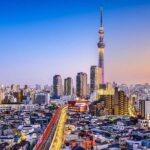
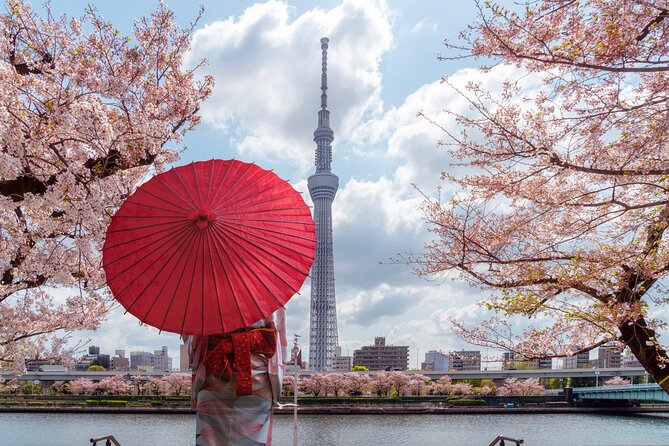
- Tokyo Skytree — 634m of skyline focus
- Tsukiji Fish Market area (Outer Market) — eat first, explore second
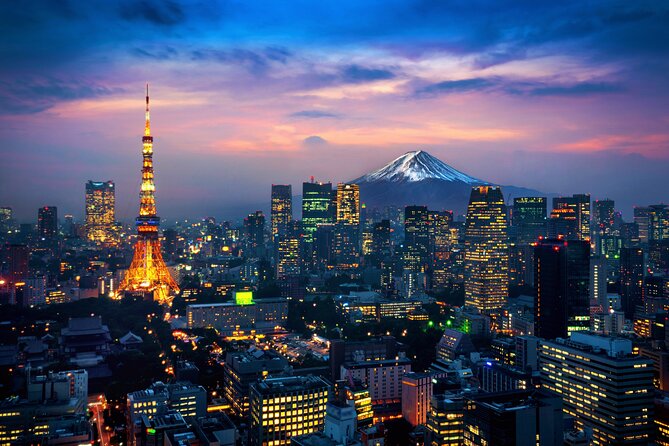
- Tokyo Tower — a postwar symbol in the city’s center
- Imperial Palace — where official Tokyo meets everyday Tokyo
- Takeshita Street (Harajuku) — youth fashion, costume energy, quick browsing
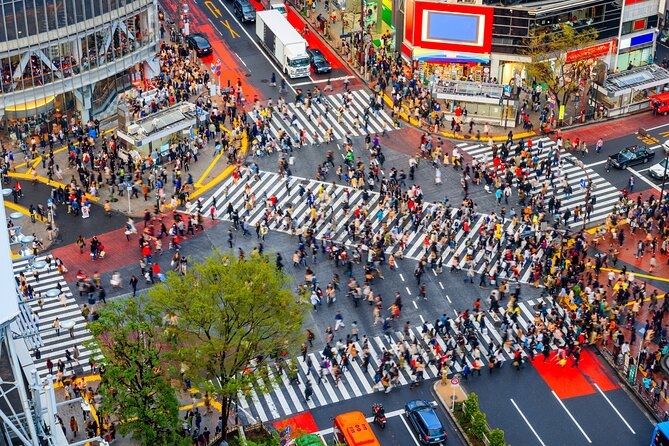
- Shibuya Crossing — the world-famous intersection moment
- Ginza — upscale shopping district, more polished feel
- Odaiba — waterfront Tokyo Bay with a different pace
- Skytree and Tokyo Tower: pay attention to the entrance-fee part
- The in-car commentary style: helpful, but it’s not a walking tour
- What the best chauffeurs do (and why names like Aby, Yannick, and Vijay keep coming up)
- Who this tour fits best (and who might want something different)
- Should you book Tokyo Private Customizable Tour with English Speaking Chauffeur?
- FAQ
- How long is the tour?
- Is this tour private?
- Do you speak English?
- Is hotel pickup and drop-off included?
- Are entrance fees included for Skytree and Tokyo Tower?
- What’s included in the tour price?
- Is a walking guide included?
- Is there any extra charge for airport or certain outside areas?
- What happens if the weather is poor?
Key highlights at a glance
- Hotel-to-hotel convenience: pickup and drop-off at your Tokyo hotel saves you transfers and walking.
- Private, customizable route: your chauffeur can shape the day around your interests and timing.
- English-speaking service: in-car commentary helps you understand what you’re seeing as you move.
- Big Tokyo hits in one day: Senso-ji, Skytree, Tsukiji Outer Market area, Shibuya, Ginza, Odaiba.
- Smooth days are common: multiple reviews mention punctual pickup, clean cars, and calm driving.
- Extra help when needed: one review noted assistance for a husband using a cane, which is reassuring.
Why a hotel pickup matters in Tokyo (and why this feels easy)
Tokyo is amazing, but it can also be exhausting if your plan depends on last-minute train decisions. This tour’s biggest practical win is simple: you get pickup and drop-off at your Tokyo hotel, and the rest is handled. You spend your energy looking up at landmarks instead of studying station exits.
An English-speaking chauffeur also helps you avoid the silent confusion moments. Even if you’re not planning to chat nonstop, you’ll appreciate the quick context when you reach each area. And if the weather turns (rain happens), you’re not stuck recalculating transit lines—you’re already in a protected, flexible plan.
The route is built to cover multiple districts efficiently in roughly 8 to 9 hours, so it works well when it’s your first full day or you just want a smart overview without burning half the day commuting.
Your day is private, but the real advantage is pace control
This is a private experience for your group, meaning you’re not sharing the day with strangers or getting rerouted because someone else needs a bathroom stop. Your chauffeur can adjust timing, and several reviews mention ad-hoc requests being handled smoothly (for example, guides like Aby and Alex were singled out for being helpful and flexible).
That flexibility matters because Tokyo sightseeing has two types of time: “on the landmark” time and “between the landmarks” time. By using a private vehicle, you can treat transit as downtime instead of a major activity. The car becomes your moving base—comfortable, dry if needed, and usually the easiest place to get a clear explanation of where you are and what to look for.
One note on group size: the vehicle can accommodate up to 6 people, while the listed price is per group up to 4. If you’re traveling with a bigger group, confirm how headcount affects pricing before you lock it in.
Price and value: what you’re really paying for
The tour price is $273.52 per group (up to 4), for about 8 to 9 hours. That sounds like a lot until you price out the alternative: paying for taxis through multiple zones, then adding in the time cost of public transit, transfers, and figuring out how to keep everyone moving.
Here’s what makes the price feel fair:
- You get a private air-conditioned vehicle for the day.
- Gas/parking/highway fees are included, which saves you surprise charges later.
- You’re paying for a human solution: someone who organizes the day and keeps you on schedule.
The main extra cost to plan for is that entrance fees for Skytree and Tokyo Tower are not included. So for best value, decide ahead of time whether you want to go inside for the views. If you do, budget for ticket costs so your day doesn’t end with sticker shock.
Senso-ji to Odaiba: the route that strings together old Tokyo and modern Tokyo
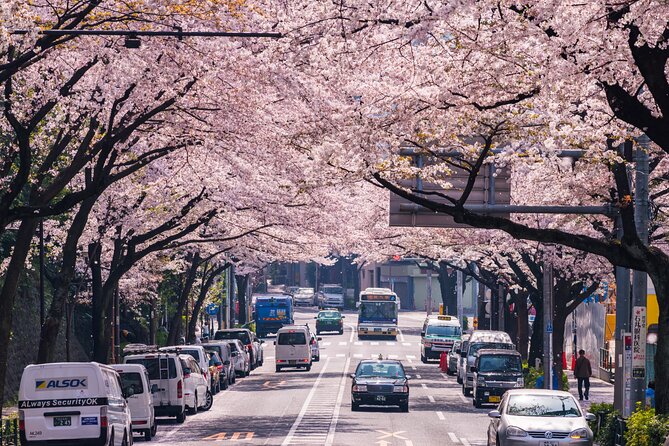
This is a classic “greatest hits with context” day. You’ll start in the spiritual downtown core, then work outward into skyline views, seafood energy, postwar icons, palace grounds, youth fashion, one of the world’s busiest intersections, high-end shopping, and finally waterfront Tokyo Bay.
Below is what each stop is like—and the main practical thing to watch for.
Senso-ji Temple (Asakusa) — the old heart of Tokyo
Senso-ji is Tokyo’s most prominent temple and tied to Asakusa’s identity. It’s a place where the setting does half the work: you’ll feel the age in the atmosphere, and you’ll understand why Tokyo’s old-school side attracts visitors from everywhere.
What to expect: time to walk around the temple area and take in the sightlines.
Watch-outs: it can be crowded, so keep your group together and don’t assume you’ll move as fast as you would in a quiet neighborhood.
Tokyo Skytree — 634m of skyline focus
Skytree is the world’s tallest tower at 634 meters. The appeal here is simple: it gives Tokyo’s size a shape. From the top, the city stops feeling like neighborhoods and starts feeling like a single sprawling map.
What to expect: a viewpoint-style visit.
Extra cost: entry fees for Skytree are not included, so if your plan includes going up, plan budget accordingly.
Tsukiji Fish Market area (Outer Market) — eat first, explore second
The Tsukiji Outer Market area is famous for its atmosphere and food culture. It’s one of those places where you can snack your way through the day and still feel like you’re doing something “real,” not just window shopping.
What to expect: a high-energy market with street food stalls and lots of choices.
Practical tip: if you care about lunch timing, treat this stop as your eating window, then adjust the rest of the day around how hungry your group is.
Tokyo Tower — a postwar symbol in the city’s center
Tokyo Tower is a symbol of Tokyo’s postwar recovery, built in 1958 and standing 333 meters tall. Even from ground level, it has that “Tokyo icon” presence—like a postcard view you can walk up to.
What to expect: photos and a short look at the tower area.
Extra cost: Tokyo Tower entrance fees are also not included, so go in only if you want the indoor experience or view access.
Imperial Palace — where official Tokyo meets everyday Tokyo
The Imperial Palace complex is where successive emperors have lived since 1868. Even if you’re not there for a formal tour, it’s an important place to understand how Japan organizes power, tradition, and public space in the same city.
What to expect: time for a calm stroll and observation.
Watch-outs: it can feel quieter than the surrounding districts, so don’t rush it.
Takeshita Street (Harajuku) — youth fashion, costume energy, quick browsing
Takeshita Street is where Tokyo’s youth culture shows up fast. Think colorful fashion, quirky shops, and a cosplay vibe that feels playful rather than scripted.
What to expect: lots of storefronts and people-watching.
Practical tip: for best results, go with a clear goal (photos, one or two shops, or souvenirs) so you don’t get pulled into browsing for 90 minutes.
Shibuya Crossing — the world-famous intersection moment
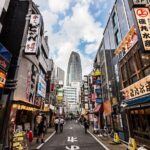
Shibuya Crossing is the busiest intersection in the world, and it’s one of those places where your brain finally understands the scale of Tokyo foot traffic.
What to expect: crossing the area, taking photos, and soaking up the energy of the crowd flow.
Watch-outs: keep track of meeting points in your group. Tokyo sidewalks are busy and it’s easy to drift.
Ginza — upscale shopping district, more polished feel
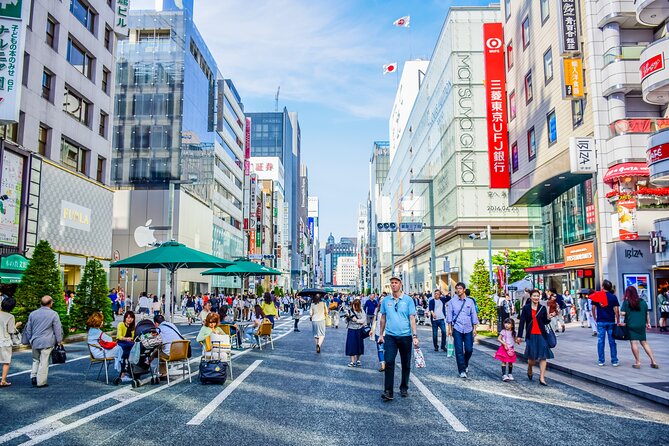
Ginza is known for luxury boutiques and high-end international brands. If you want modern Tokyo with a cleaner, polished shopping vibe, this is the place.
What to expect: shorter time works well here—enough to walk, look, and maybe pop into a shop.
Value tip: if your budget leans casual, treat Ginza as a viewing and strolling stop rather than a spending stop.
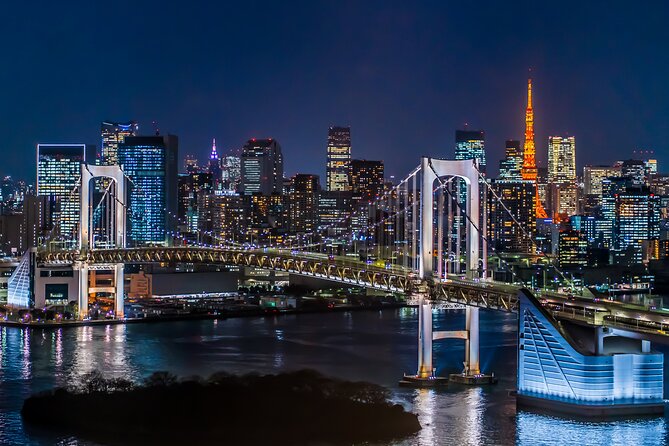
Odaiba — waterfront Tokyo Bay with a different pace
Odaiba is a man-made island in Tokyo Bay. It’s a mix of shopping/entertainment and open-air waterfront views, and it often feels like a break from the dense central districts. The drive time is about 40 minutes.
What to expect: a lighter, more spaced-out feel than central Tokyo.
Best use of time: if you’re tired, this is a good place to slow down and reset.
Skytree and Tokyo Tower: pay attention to the entrance-fee part
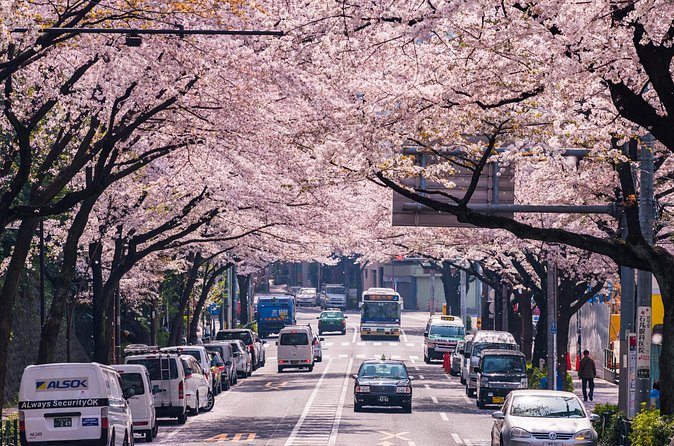
This tour is structured around famous stops, but two of the biggest skyline choices—Skytree and Tokyo Tower—have entrance fees that are not included. That detail matters because those are the moments many people picture when they book.
So here’s the realistic way to plan:
- If you want the view from inside, budget ticket costs ahead.
- If you just want the exterior atmosphere, you can still enjoy the stops without adding those costs.
If you’re trying to keep the day cost-effective, decide on one “go up” choice rather than doing both. It’s not required to have a great day, and it keeps the day flexible if lines or timing feel tight.
The in-car commentary style: helpful, but it’s not a walking tour
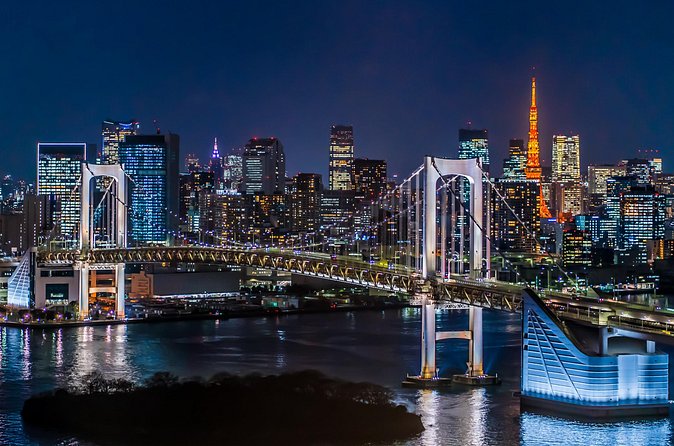
Because of parking limitations, the experience uses commentary mostly while you’re in the car rather than relying on a private walking guide for every stop. That can be a plus if you want fast orientation and zero stress.
It also means you’ll get the most out of the tour if you treat each stop as a self-guided window with quick context. You’ll learn enough to know what you’re looking at, but you won’t have someone beside you explaining every detail at a slow walking pace.
The upside is speed and comfort. The downside is that if you want a deep, minute-by-minute narration on temple grounds or inside venues, you might prefer a different format that includes a dedicated walking guide.
What the best chauffeurs do (and why names like Aby, Yannick, and Vijay keep coming up)
A big theme in the reviews is that the day runs smoothly, and that’s not luck. People praised drivers for being punctual, patient, and genuinely helpful with the flow of the day.
A few specific examples from the feedback:
- Adam was praised for making everything run smoothly and for taking guests to many places efficiently.
- Aby was called gentle and patient, and also for bringing visitors to nice spots they did not expect to see.
- Yannick earned strong praise for sharing fun, entertaining, and informative insights.
- Uta was recognized for excellent English and for helping plan an itinerary that fit the day.
- Alex stood out for being helpful and accommodating, including support for a husband using a cane.
- John was praised for perfect stops and a strong recommendation overall.
- Ilyas was praised for punctuality, smooth driving, and creating a good itinerary.
- Vijay was praised for being there for the whole day, keeping it safe, and helping people understand how to get around Tokyo afterward.
- Aki and Kubo were also mentioned for being informative and helpful.
One more consideration: one review expressed disappointment about the guide not being a Japanese native. If having that specific type of identity matters to you, you may want to ask what language and background the chauffeur will have before you book.
Who this tour fits best (and who might want something different)
This tour is a great match if you want:
- A fast Tokyo orientation with major sights across multiple neighborhoods.
- A low-stress day, especially on a first trip.
- Flexibility to tweak the day as you go—like adding or swapping stops.
- The comfort of air-conditioned private transport for 8 to 9 hours.
It might be less ideal if:
- You want a deep guided walking experience at every site (parking limits reduce walking-guide coverage).
- You’re trying to avoid any extra spending for paid entries at Skytree/Tokyo Tower.
- You want a very specific kind of guide profile (one review had a strong preference for a Japanese native guide).
Should you book Tokyo Private Customizable Tour with English Speaking Chauffeur?
If you want an efficient, low-friction Tokyo day, I’d lean yes. This is the kind of tour where the value shows up in the parts you can’t easily buy with good intentions: hotel pickup, smooth routing, and not wasting your morning figuring out train transfers.
Book it if:
- It’s your first full day and you want to understand Tokyo fast.
- You care more about seeing a lot than slowing down for every single detail.
- Your group includes people who will appreciate comfort, pacing, and easy logistics.
Think twice if:
- You want a walking tour style at every stop.
- You’re not planning to go up Skytree or Tokyo Tower and you feel the rest of the day won’t justify an all-day vehicle cost.
- You have strong preferences about the guide beyond English-speaking service.
FAQ
How long is the tour?
It runs about 8 to 9 hours.
Is this tour private?
Yes. It’s a private experience for your group only.
Do you speak English?
You’ll have a chauffeur who speaks English, and it may be operated by a multi-lingual chauffeur.
Is hotel pickup and drop-off included?
Yes, pickup and drop-off at your Tokyo hotel are included.
Are entrance fees included for Skytree and Tokyo Tower?
No. Entrance fees for Skytree and Tokyo Tower are not included.
What’s included in the tour price?
A private air-conditioned vehicle with an English-speaking chauffeur, plus gas/parking/highway fees.
Is a walking guide included?
Mostly not. Commentaries are generally provided while in the car due to parking constraints, and a private walking guide is not included.
Is there any extra charge for airport or certain outside areas?
Yes. If you need pickup or drop-off at Haneda/Narita/Kanagawa territories, there’s a 10,000 JPY surcharge paid in cash.
What happens if the weather is poor?
This experience requires good weather. If it’s canceled due to poor weather, you’ll be offered a different date or a full refund.