REVIEW · TOKYO
Private Car Tour to see Highlights of Kamakura, Enoshima, Yokohama from Tokyo
Book on Viator →Operated by Japan Star Travel Agency · Bookable on Viator
A full day, minus the train hassle. This private car tour strings together Kamakura, Enoshima, and Yokohama in about 10 hours, so you can see major temples and seaside scenery without the usual Tokyo transfer stress. I especially like how the day is built around time-saving pickup and a comfortable, air-conditioned van, and how the route mixes serious sights (like the Great Buddha) with relaxing breaks (matcha in bamboo shade). One thing to plan for: many temple and garden entrances are not included, so your per-person total will rise fast if you do everything.
The standout here is the human factor. The tour is run by local Japanese staff, and you’re not stuck with a rigid script—your guide can steer you toward what you care about, including hidden spots and local food requests. I also appreciate the practical touch of a mobile ticket, plus bottled water in the car.
In This Review
- Key highlights that make this day trip work
- Is the Private Van Worth It From Tokyo?
- Kamakura’s Great Buddha and Bamboo Grove Pairing
- Flower Seasons at Hasedera and the Samurai Shrine Vibe
- Komachidori Shopping and Two Zen Temples for Quiet Time
- Hydrangea Photos, Money-Washing, and Tokeiji’s Women’s History
- Enoshima to Yokohama: From Sea Caves to Minato Mirai Skyscrapers
- Food Stops for Noodle Fans: Cup Noodles and Shinyokohama Ramen
- How the Guide Customizes the Day (and what to ask for)
- Should You Book This Kamakura, Enoshima, and Yokohama Private Tour?
- FAQ
- How long is the tour?
- Is pickup included, and is this a private group?
- What’s included in the price?
- Are meals included?
- Which stops have entrance fees not included?
- Can the itinerary be customized?
Key highlights that make this day trip work
- Private van + pickup from Tokyo area, with tolls, parking, and fuel handled
- Kamakura temple rhythm: Great Buddha, bamboo tea break, and seasonal flower viewing
- Enoshima island options: shrine, aquarium, botanical gardens, caves, and possible Fuji views
- Yokohama bay viewpoint route: Minato Mirai, Yamashita Park, Osanbashi views, and more
- Food stops for noodle fans: Cup Noodles Museum and Shinyokohama Ramen Museum (both paid)
- Guide-led flexibility: you can choose roughly 4 to 6 main sites and shape the flow
Is the Private Van Worth It From Tokyo?
This tour costs $1,183.65 per group (up to 8 people). That sounds steep until you do the math: with 8 in the car, it can work out to under $150 each for transportation, driver time, parking, and tolls. Even with fewer people, you’re paying for something you can’t easily buy with public transit—control. You choose your pace, you skip station navigation, and you don’t lose half a day just getting between spots.
Here’s what’s included that matters in practice: air-conditioned private vehicle, highway tolls, parking, gasoline, fuel surcharge, and bottled water. You also get pickup offered and a mobile ticket, which helps when you’re juggling multiple stops.
Plan for the catch: entrance fees are separate for many major stops (temples, gardens, and two food museums). If your group wants to tick every box, budget extra yen per person on top of the tour price.
Kamakura’s Great Buddha and Bamboo Grove Pairing
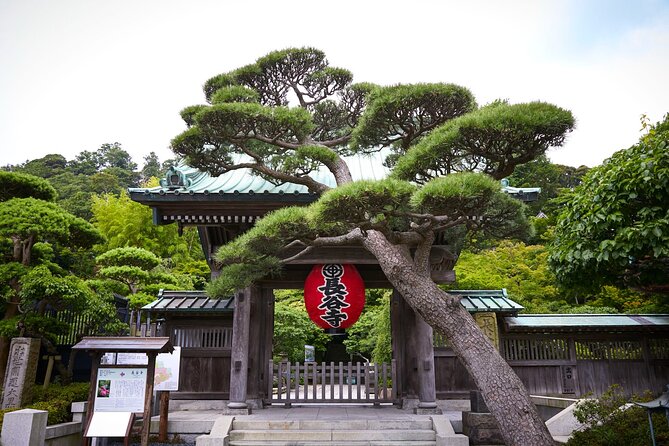
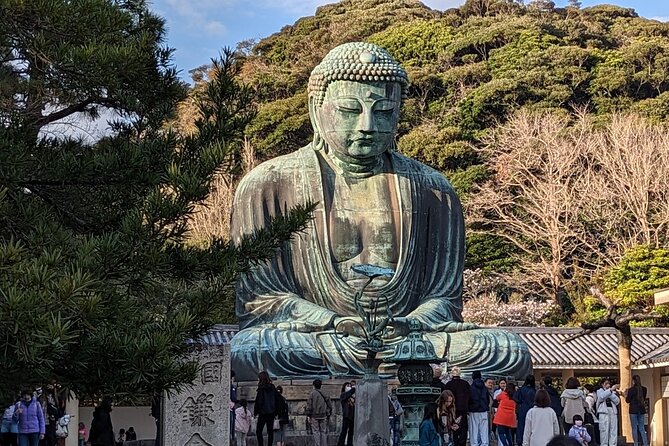
You start with Kotoku-in, the open-air Great Buddha of Kamakura. This giant bronze Amida Buddha is a national treasure, and it’s one of those sights that feels bigger in person than in photos. You’ll spend about 30 minutes, and while the main admission fee is listed as 200 yen per person (not included), there’s also a small extra option to enter inside the body for 20 yen.
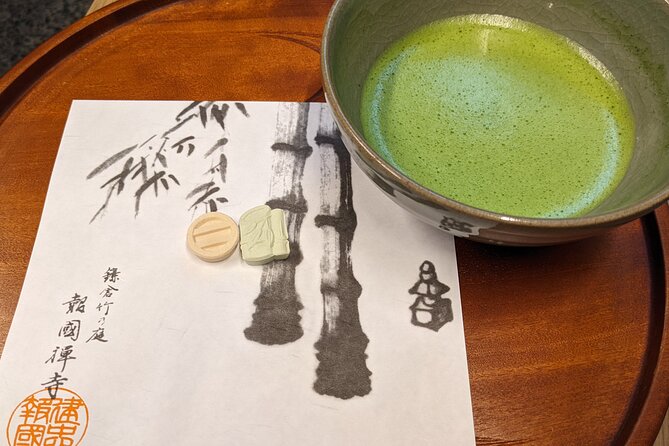
Next comes Hokoku-ji, known for its famous bamboo grove. Think shade, quiet, and that slow “walk and breathe” feeling. The plan calls for about 30 minutes, but the schedule also lists a wider window (20 to 60 minutes), which is useful if your group wants more time to photograph the bamboo. You can take a matcha break at a teahouse overlooking the grove—priced as 600 yen per person and listed as including matcha and a Japanese sweet.
If you care about pacing, this pair makes sense: you get a powerful first sight, then a calmer reset that prevents the day from turning into a sprint.
Flower Seasons at Hasedera and the Samurai Shrine Vibe
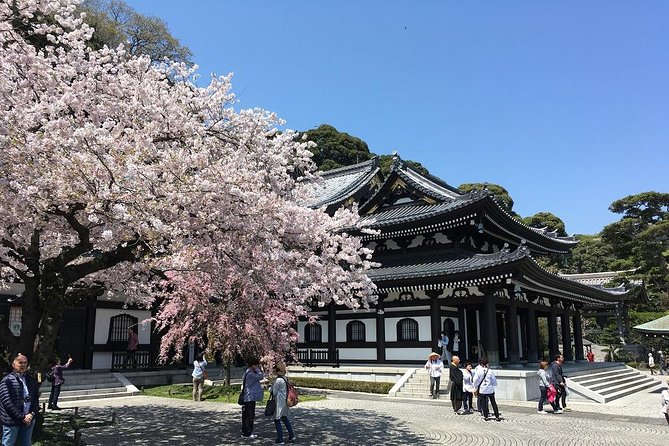
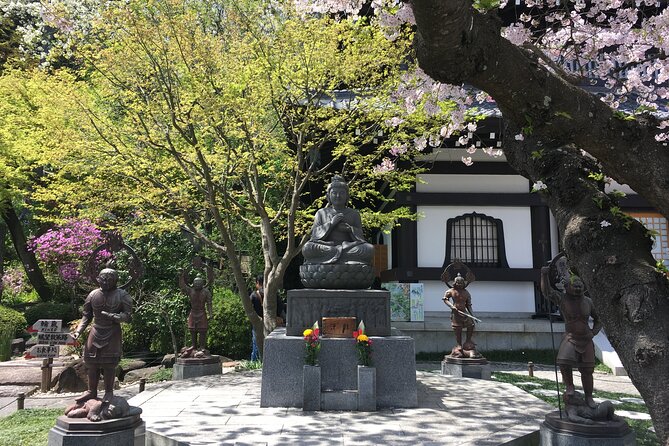
Hasedera Temple is often framed as a temple of flowers, and the details are worth paying attention to. Depending on the season, you’ll have cherry blossoms (spring), hydrangeas (late May to late June), or maple leaves (autumn). The featured statue is equally impressive: a 9.18-meter-tall gilded wooden eleven-headed Kannon (goddess of mercy). Expect about 30 minutes, with the visit window listed as 30 to 60 minutes, and an admission fee of 400 yen per person (not included).
Then you head to Tsurugaoka Hachimangu Shrine, dedicated to the god of war and samurai in general. It’s also a popular wedding location, which helps explain why the shrine areas can feel especially celebratory even when the mood is calm. This stop is free and listed at about 30 to 60 minutes (you’ll likely get closer to 30 minutes in a full-day route). If you’re in blossom or azalea season, the crowds can be real, so I’d lean on your guide to route you through the best photo timing.
Together, Hasedera and Tsurugaoka give you two sides of Kamakura: spiritual intensity plus a big historic shrine atmosphere.
Komachidori Shopping and Two Zen Temples for Quiet Time
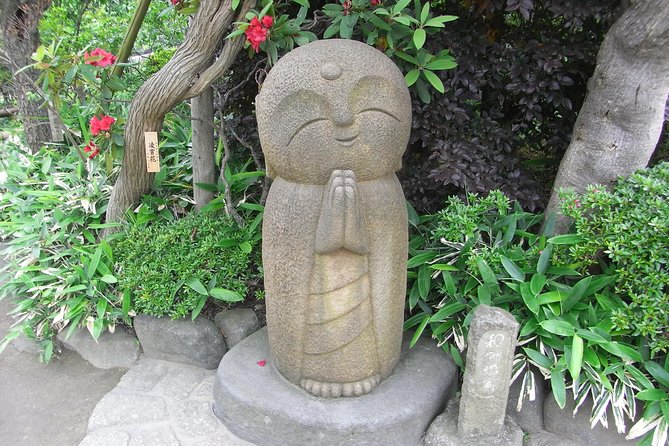
Between the shrines and gardens, Komachidori (near Tsurugaoka Hachimangu) is where you slow down and shop. The street is known for practical souvenirs and snacks: Kamakura-bori lacquerware, Toshimaya pigeon-shaped sable cookies, and Kamakura mameya bean snacks. The plan shows a range of 20 to 80 minutes, which is perfect if your group wants to browse for a bit and then regroup.
After that, you get two Zen temple stops that feel different from each other. Kencho-ji is described as the oldest and highest-ranking Zen temple in Kamakura, with meditation practice on certain dates and Zen t-shirts for sale. It’s listed at about 30 minutes, with a 500 yen entrance fee per person (not included).
Engaku-ji is the second important Zen temple. You’ll notice the big temple gate and bell, and it also includes the grave of film director Yasujiro Ozu. The tour notes a café within the temple compound on certain dates (plus Japanese sweets and matcha). Admission is listed as 300 yen per person (not included).
What I like about this section is that it adds quiet. You’re not just sightseeing; you’re getting a breather between busier streets and seaside areas.
Hydrangea Photos, Money-Washing, and Tokeiji’s Women’s History
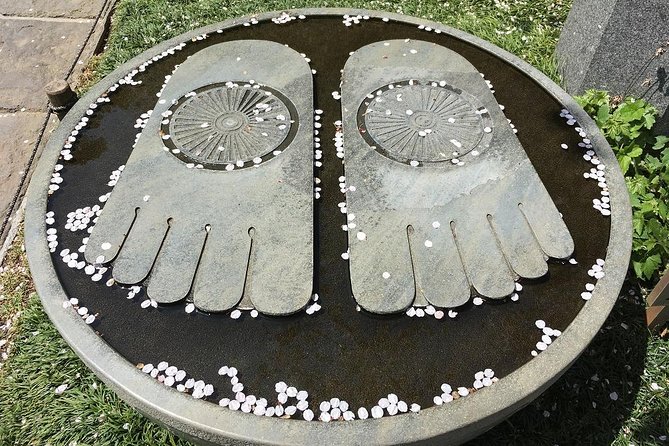
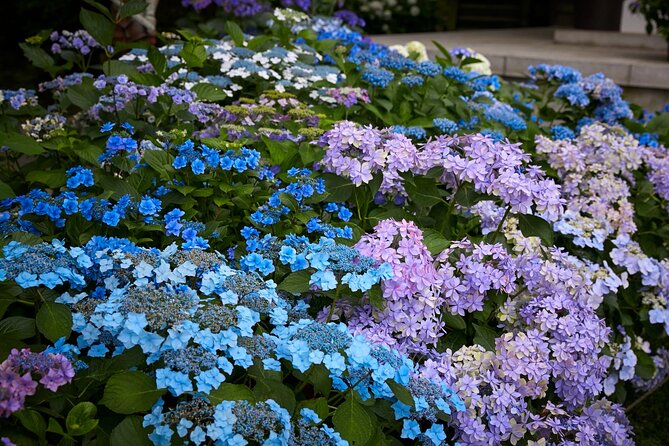
Meigetsuin is the hydrangea centerpiece, famous for blue hydrangeas from late May to late June. The big photo moment is a circular window in the main hall that frames the garden behind it, and yes, you’ll often see people queuing for that specific viewpoint. The admission fee is listed at 500 yen per person (not included), and you’re looking at about 30 minutes.
Then you shift to Zeniarai Benten Shrine, the one with a very literal legend. It’s believed to increase income by washing cash in the holy water. This stop is free and about 30 minutes, making it a fun mid-day change of pace from flowers and incense.
Finally, you’ll visit Tokeiji Temple, which the tour describes as a shelter for women who were abused and sought divorce at a time when only men could request it. It’s a quieter emotional stop, with flowers year-round—plums in early spring, iris and climbing hydrangea in June—and gardens that stretch back toward wooded hills. Admission is listed as 200 yen per person (not included), about 30 minutes.
This section works if you want variety: one big seasonal photo stop, one oddball tradition stop, and one meaningful human-story temple.
Enoshima to Yokohama: From Sea Caves to Minato Mirai Skyscrapers
Before leaving Kamakura, you have a short photo stop at a photogenic railroad crossing with the sea in the background, used in the opening sequence of the Japanese anime Slam Dunk. It’s brief by design, but it’s a neat way to break up the day.
Next is Enoshima Island. The tour highlights what you can choose from: a shrine, aquarium, botanical garden, observation tower, and caves. Fuji can appear from various points if the weather cooperates. The schedule lists an unusually wide time window (30 to 150 minutes) even though it also notes around 30 minutes, so your guide will likely decide based on your group’s energy. Admission is listed as free for this stop.
In Yokohama, you’ll hit Minato Mirai 21 (seaside urban area), with quick access to major icons like Landmark Tower and Red Brick Warehouses. Yamashita Park is a local-friendly strolling break—great for coffee in hand and weekend street performers. There are also short viewpoint-style stops at Osanbashi Yokohama International Passenger Terminal and Minato-no-mieru Oka Park (the English garden).
If you want a skyline payoff, the Yokohama Landmark Tower Sky Garden is listed with a 1,000 yen admission fee per person (not included). The viewpoint sits 273 meters high, and the tour notes Mt. Fuji on clear days.
And if your group wants more food variety, the tour allows a Chinatown stop for Chinese food in Yokohama, with lunch possible upon request.
Food Stops for Noodle Fans: Cup Noodles and Shinyokohama Ramen
Two ticketed options bring the day into the modern fun zone.
At the Cup Noodles Museum Yokohama, you learn the story of instant noodles, pick toppings, and make your own original noodles. The museum also lets you try different noodle tastes from around the world and take home unique souvenirs. Admission is 500 yen per person (not included). The visit time is listed as 45 to 90 minutes, so this can be a real “experience” stop, not just a quick photo.
Then there’s the Shinyokohama Ramen Museum, built for ramen lovers. The tour notes you can enjoy 8 different types of ramen in one place, with admission listed at 310 yen per person (not included). Time is listed around 1 hour.
If you’re trying to keep costs down, treat these as optional add-ons your group chooses based on interest. If noodles are your thing, they’re a very practical way to spend time—unlike chasing one more temple, you leave with something fun and memorable.
How the Guide Customizes the Day (and what to ask for)
This is billed as fully customizable, and the practical setup matches that. You’re working with a local Japanese guide and a professional driver, and you can tailor the route to your preferences, including hidden gems and local restaurant requests. The tour also notes that the itinerary you see is a list—so you’re expected to select around 4 to 6 sites as your main focus.
That selection matters because the day is long. If you choose too many paid temples and museums, you’ll spend more time in lines and ticket counters than you might want. I’d ask your guide before the day starts: which stops are best for your specific dates (especially hydrangeas and seasonal flowers), and which ones are flexible for timing if crowds are thick.
One more pattern I like: guides in this program are repeatedly praised for being flexible and easy to work with, including handling weather and keeping the day smooth. You’ll also notice the itinerary frequently includes short breaks (tea at Hokoku-ji, parks around Minato Mirai, and viewpoint stops), which makes customization actually comfortable—not just theoretical.
Should You Book This Kamakura, Enoshima, and Yokohama Private Tour?
If you want a single day that covers temples, gardens, seaside, and a modern food hit, this booking makes sense. It’s especially worth considering if your group doesn’t want to stitch together trains and transfers, or if you have people who will appreciate fewer walking logistics.
Before you commit, check two things. First, decide your priority mix: are you aiming for the classic Kamakura temples, the hydrangea window photos at Meigetsuin, the Yokohama skyline, or the ramen and Cup Noodles Museum? Second, budget for entrance fees—many of the most iconic stops list separate admissions (plus the Great Buddha’s small extra charge for entering the statue body).
Finally, keep expectations realistic about weather. The tour won’t be cancelled or refunded just because some spots aren’t fully visible, and the schedule can shift due to traffic or weather. If your group stays flexible and you pick the stops you truly care about, this is a strong value way to see a lot of Japan in one coherent day.
FAQ
How long is the tour?
It’s about 10 hours.
Is pickup included, and is this a private group?
Pickup is offered, and it’s a private tour where only your group participates (up to 8 people).
What’s included in the price?
Transportation basics are covered, including an air-conditioned private vehicle, highway tolls, parking, gasoline, fuel surcharge, and bottled water. A mobile ticket is also included.
Are meals included?
Lunch is not included. The tour also notes you can request lunch or a Chinatown meal stop.
Which stops have entrance fees not included?
Several, including Kotoku-in (Great Buddha), Hokoku-ji (bamboo grove + matcha/sweet), Hasedera, Kencho-ji, Engaku-ji, Meigetsuin, Tokeiji, Sankeien Gardens, Cup Noodles Museum, Shinyokohama Ramen Museum, and Yokohama Landmark Tower Sky Garden.
Can the itinerary be customized?
Yes. It’s fully customizable, and you’re expected to choose around 4 to 6 main sites from the provided list. Vegetarian options are available if you request dietary needs at booking.