REVIEW · TOKYO
Nikko Tour by Private Car and English Speaking Driver
Book on Viator →Operated by Matcha Tour · Bookable on Viator
Nikko in a single long day is magic. This private tour turns Tokyo into a smooth one-day trip to Nikko National Park and the UNESCO temple area, with hotel pickup and a private car so you spend less time figuring out transit. I love that you can personalize your pace (stay longer where you care most) and I also like how the route mixes iconic photo stops with quieter viewpoints.
One thing to consider: the day runs about 9–10 hours, so it’s long even with a private schedule. Also, some tickets are described both ways (especially for major sights), so I’d confirm what’s included versus what you pay at the gates using your mobile ticket details.
In This Review
- Key highlights at a glance
- Why Nikko works so well for a 9–10 hour day
- Private car pickup and a driver who can adjust your day
- Akechidaira Observation Area: your first big Nikko views (and what to do there)
- Lake Chuzenji: the calmer pause that makes the day feel balanced
- Kegon Falls: plan for photos and a short, focused visit
- Nikko Tosho-gu: ornate shrine time without wasting your whole day
- Shinkyo Bridge: the quick classic that still deserves attention
- Narabi Jizo: a quiet spiritual stop with visual punch
- The value question: what you pay and what you may still owe
- Who this tour suits best
- Should you book this private Nikko day trip?
- FAQ
- How long is the Nikko tour from Tokyo?
- What’s the group size and price?
- Does the tour include pickup from my hotel?
- What’s included in the tour package?
- Are entrance tickets included for all stops?
- What happens if weather is bad?
Key highlights at a glance
- Hotel pickup and round-trip return to your Tokyo hotel or Airbnb make the day feel effortless
- English-speaking driver + private vehicle means fewer hassles than a group bus
- Akechidaira Observation Area gives big first views in the Nikko National Park area (about 1 hour)
- Kegon Falls and Lake Chuzenji balance waterfall drama with mountain-lake calm (timed for photos)
- Nikko Tosho-gu and Shinkyo Bridge are handled efficiently, with time to actually look
- Guide flexibility lets you linger if a stop grabs you
Why Nikko works so well for a 9–10 hour day
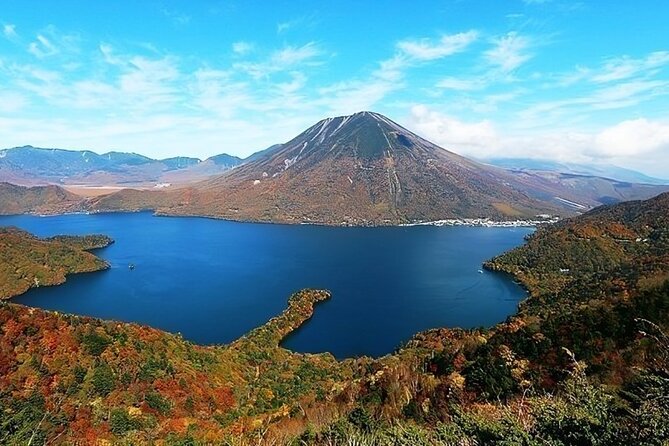
Nikko is one of those places where the scenery and the sacred sites feed each other. You start with mountain views, then shift into a shrine-and-temple zone that looks like it belongs to another era. The best part of doing it as a day trip from Tokyo is that you get a taste of both worlds—Nikko National Park views and the temple icons around Nikko—without turning your trip into a long relocation.
This particular tour structure helps you keep your energy. It’s built around short, timed stops (so you’re not stuck on a schedule that never ends), plus “remaining time” that’s basically the drive itself. That matters because Tokyo-to-Nikko distances can eat hours fast on public transit, especially if you’re waiting and transferring.
If you want a day that feels active but not frantic, this is a strong match. You’ll come away with the postcard hits—plus enough breathing room to notice details instead of just passing through.
Private car pickup and a driver who can adjust your day
I’m a big fan of private transportation for day trips like this. The tour includes air-conditioned private vehicle service with fuel surcharge and parking fees handled, which means fewer surprise costs and less friction. You also get round-trip pickup/drop-off from your Tokyo hotel or Airbnb, which is one of the biggest quality-of-life improvements you can buy.
The other practical win: your driver speaks English, and the tour is designed to be flexible. One sampled review praised Hadi for clear historical context and for being patient when the group wanted extra time at certain spots. That’s the kind of small, real-world detail that makes a day trip feel more human: if you’re the type who wants to read plaques, take more photos, or slow down when something is stunning, you’ll likely appreciate the pacing.
Drawback here is simple: with a private schedule, you still have to share the road and the weather reality. Nikko can look totally different depending on conditions, and the tour notes that it requires good weather. If weather fails, the plan can change or you can choose a different date or get a full refund.
Akechidaira Observation Area: your first big Nikko views (and what to do there)
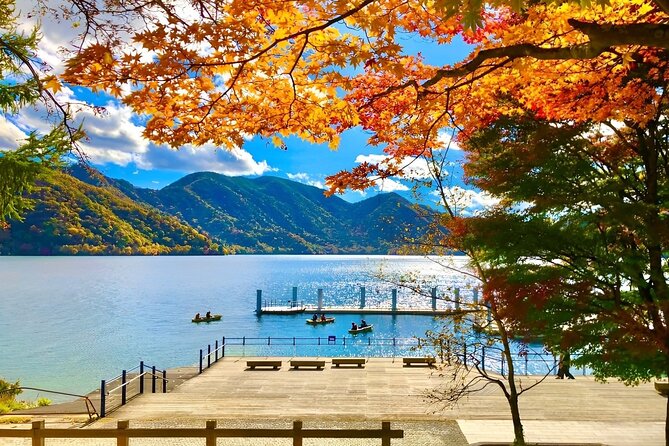
Your day starts at the Akechidaira Observation Area, about 1 hour, with an admission ticket included in the stop listing. This is your entry ramp into Nikko’s park scenery: you look out at forests, cliffs, and the kind of wide, layered views that make you instantly understand why people come to this area.
Here’s how I’d use the hour: arrive, take the obvious wide shots first, then give yourself time to switch angles. Observation areas tend to have multiple viewpoints, and lighting changes quickly—especially if clouds roll through. If you’re traveling in cooler months, you’ll often want to dress for wind, too.
Also, the overall tour description mentions walking the Akechidaira Ropeway for views of Kegon Falls and Lake Chuzenji. The package notes say the ropeway entrance ticket is not included, so treat it as a “maybe extra” you decide on once you’re there. If you’re the type who hates optional costs, skip it. If you want the best perspective, you’ll probably find the ropeway worth budgeting for.
Lake Chuzenji: the calmer pause that makes the day feel balanced
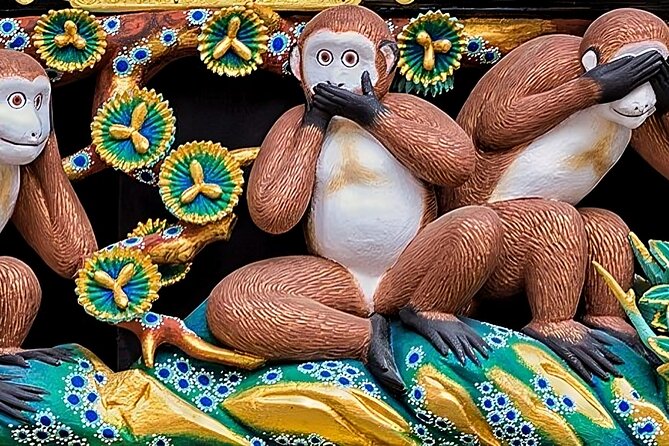
Next is Lake Chuzenji for about 1 hour. It’s free admission in the stop notes, and it’s a very different mood from what comes before. Lake Chuzenji is a mountain lake formed by volcanic activity, and the result is a water-and-peak setting that feels peaceful even when you’re surrounded by visitors.
This stop is valuable for two reasons. First, it breaks up the intensity of shrine sightseeing with something more open-air and slow. Second, it sets context for Kegon Falls later: you’re going from broad scenic water views to a dramatic drop, which gives the day a natural rhythm.
If the weather is clear, this is where you’ll likely get some of your most satisfying “I’m really here” photos—views that don’t look like they came from a brochure. If it’s misty, that can still be worth it; the lake often looks atmospheric rather than bland.
Kegon Falls: plan for photos and a short, focused visit
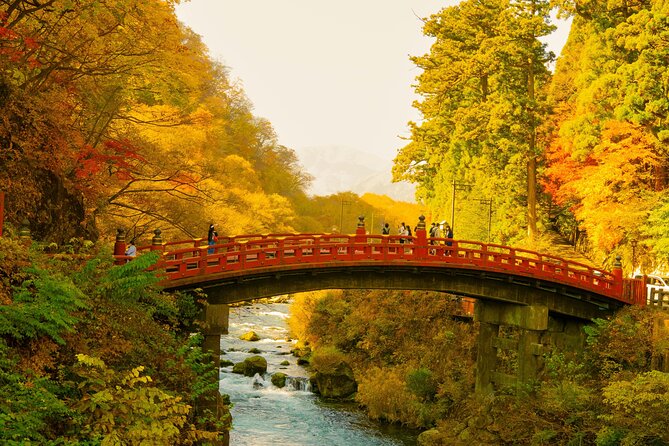
After Lake Chuzenji, you’ll head to Kegon Falls, where the stop is listed as about 30 minutes. The stop description includes an admission ticket, but the package notes also say the Kegon Falls entrance ticket is not included. Because those two parts conflict, the safest move is to check your mobile ticket details right after booking so you know what you’ll pay on arrival.
What you’ll get for your time is the waterfall’s big drop. Kegon Falls is known for its dramatic 97-meter plunge into a rugged gorge, and it’s one of Nikko’s most famous sights for a reason. Thirty minutes is enough for: arrive, take the main view, then reposition for a second perspective.
One tip: don’t assume you’ll be the only one with the same photo plan. If you care about clear shots, give yourself a minute or two to watch how people move and choose a spot that keeps you comfortable.
Nikko Tosho-gu: ornate shrine time without wasting your whole day
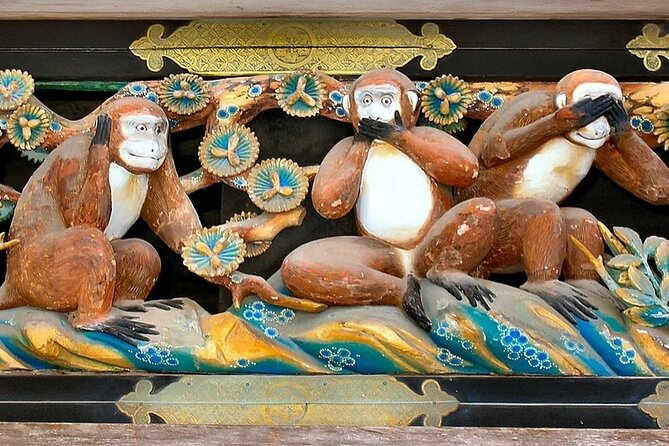
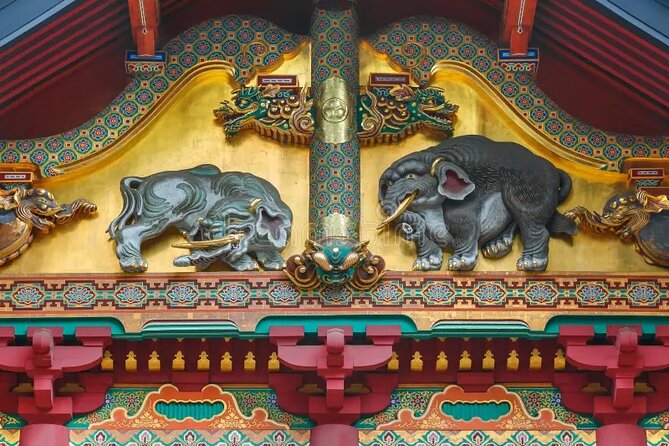
The centerpiece shrine stop is Nikko Tosho-gu, about 1 hour. The tour description frames it as a historic Shinto shrine dedicated to Tokugawa Ieyasu, founder of the Tokugawa shogunate, with ornate architecture and cultural significance.
This is also the stop where the private schedule earns its keep. In a group day tour, you often get rushed through the most visually dense areas. Here, you have a planned hour, and the tour is designed so you can spend more time where you want. If your interest leans toward architecture, symbolism, or just reading what’s around you, Tosho-gu is one of the best places to do that in Nikko.
What to watch for: ornate detail takes time. The shrine area is impressive at a distance, but it’s also about texture—carvings, colors, and the feeling of craft. If you rush, you’ll remember the general look and miss the reason it’s famous.
If you’re hoping to pair shrine time with lots of photos, wear comfortable shoes. You’ll likely move more than you think over the hour.
Shinkyo Bridge: the quick classic that still deserves attention
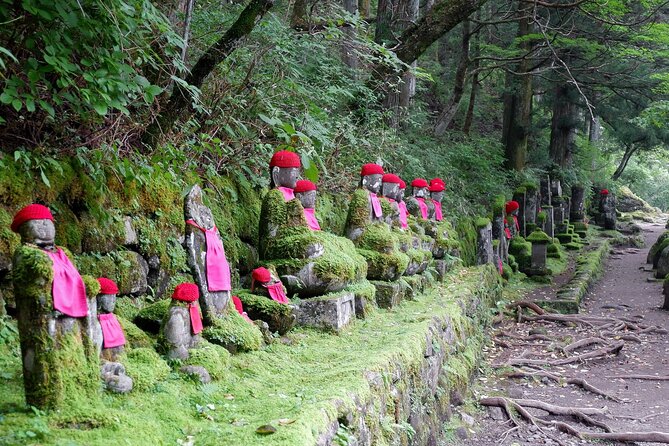
After Tosho-gu, you’ll visit Shinkyo Bridge (about 30 minutes). The tour notes it’s the iconic “Sacred Bridge” spanning the Daiya River, known for its crimson color and traditional design.
This stop is short by design, but it’s still worth treating like a mini-decision moment: do you want the classic straight-on photo, or do you want to take a step back and frame it with the surrounding water and trees? Even in a tight time slot, you can make your shots more interesting by varying your angle.
Because Shinkyo Bridge is famous, crowds can appear. If you want a calmer photo, aim to take your first shot, then spend the rest of the time deciding where you like the second view best.
Narabi Jizo: a quiet spiritual stop with visual punch
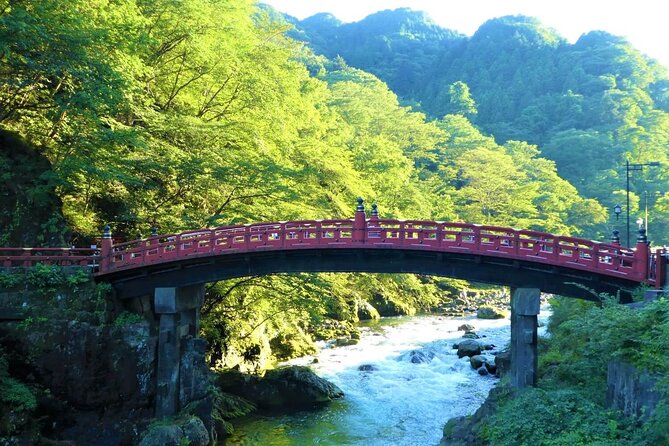
To finish the core sightseeing sequence, the tour includes Narabi Jizo for about 30 minutes. This site is a collection of stone statues in Nikko, revered for spiritual significance and known for the charm of seeing them lined up. The idea of Jizo as a guardian for travelers shows up in how the site is presented.
This is the kind of stop that often becomes a favorite for people who like details. Narabi Jizo isn’t just “pretty statues”; it’s a visual rhythm. Lines of figures create an immediate sense of order, and you’ll usually notice more once you slow down.
If you’re tempted to skip it because the earlier sights are more famous, don’t. It offers a different side of Nikko—less grand architecture, more intimate atmosphere.
The value question: what you pay and what you may still owe
The price is listed as $480.00 per group (up to 3). That matters because Nikko can be pricey if you’re doing private logistics on your own. Here, you’re paying for a private vehicle, English-speaking driver service, and the “don’t think about logistics” part: round-trip pickup, parking fees, fuel surcharge, and an air-conditioned modern vehicle.
But here’s the part you should check carefully: the “Included” and “Not Included” sections conflict on major entrances. The stop list suggests admission tickets are included for items like Kegon Falls and Nikko Tosho-gu and also includes an admission ticket for Akechidaira Observation Area. Meanwhile, the package notes list entrance tickets for Ropeway, Kegon Falls, and Nikko Toshgu as not included.
So my practical advice is simple: after booking, look at what your voucher says you’re covered for. If Kegon Falls or Tosho-gu tickets end up being extra, you won’t be shocked—you’ll just adjust your budget.
Also plan for lunch, which is not included. Because the day runs long, I’d treat lunch like part of the schedule rather than an afterthought. Bring a plan for where you’ll eat if the guide gives you options, or at least decide what kind of meal you want (quick and warm, or something sit-down).
Who this tour suits best
This tour fits best if you want:
- Fewer transit headaches than public transportation
- A private English-speaking driver who can explain what you’re seeing
- The ability to spend longer at the spots you like most
- A one-day sampler that still feels complete (park views plus temple area icons)
It may not be ideal if you want a relaxed, slow-paced day with no back-to-back stops. With a total of roughly 9–10 hours, and timed visits (some as short as 30 minutes), you’ll be moving.
It’s also a good call if your travel style is photo-focused but not just photo-focused. The route is designed to mix big views (Akechidaira, Lake Chuzenji) with dense cultural stops (Tosho-gu, Shinkyo Bridge), plus a calmer visual finish (Narabi Jizo).
Should you book this private Nikko day trip?
Book it if you’re traveling as a group of up to three and you want Nikko without the stress of planning buses, trains, and transfers. The combination of hotel pickup, private vehicle comfort, and a guide who can adjust pacing (like Hadi being praised for history and patience) is exactly what makes day trips worth paying for.
Think twice if you hate unexpected ticket costs or you’re trying to minimize extra spending at gates. Just confirm which entrances are covered in your mobile ticket details. Also keep weather in mind; this experience requires good conditions.
If you get those two things right—ticket coverage and timing—this is a strong, practical way to see Nikko’s top sights in one satisfying day.
FAQ
How long is the Nikko tour from Tokyo?
It runs about 9 to 10 hours, with the remaining time typically used for travel.
What’s the group size and price?
The price is $480.00 per group, up to 3 people.
Does the tour include pickup from my hotel?
Yes. Round-trip pickup and drop-off from your Tokyo hotel or Airbnb is included.
What’s included in the tour package?
The package includes parking fees, a private air-conditioned vehicle, fuel surcharge, and round-trip transportation, along with a modern clean vehicle and a mobile ticket.
Are entrance tickets included for all stops?
Not all entrance tickets are listed as included. Some ticket inclusion details differ between the stop descriptions and the package notes, so check your mobile ticket/voucher details to confirm what you’ll pay for on-site.
What happens if weather is bad?
The experience requires good weather. If it’s canceled due to poor weather, you’ll be offered a different date or a full refund.