REVIEW · TOKYO
Mt Fuji : Private 10-Hour Luxury Tour by Exclusive Car
Book on GetYourGuide →Operated by Monkey Adventure Kart · Bookable on GetYourGuide
Fuji days can change fast, but comfort helps. This private 10-hour luxury tour pairs a Toyota Alphard ride with carefully chosen scenic stops like Kawaguchiko and the Chureito Pagoda viewpoint. The big plus is the relaxed, no-rush pace for photos. The main drawback to plan around: if the weather rolls in, you might not get clear views of Mt. Fuji.
I like that this is set up for small groups of up to six, so the day feels personal instead of crowded. You’ll start with hotel pickup in Tokyo and spend the rest of the day moving between classic Fuji areas at your own tempo, with your driver handling the driving and timing.
In This Review
- Key points to know before you go
- A private Toyota Alphard ride from Tokyo: what comfort really means
- Mt. Fuji visibility: fog, timing, and why it’s never guaranteed
- Lake Kawaguchiko: the Fuji Five Lakes viewpoint for a reason
- Chureito Pagoda: how to get that framed-Fuji picture
- Shiraito Falls and the quieter side of Fuji region nature
- Fuji Safari Park: a fun wildcard if you want animals plus views
- How the 10-hour flow works in real life
- Driver support: English, timing, and what you should do to get the most out of it
- Price and value: what $529 per group covers
- Who this tour fits best (and who might want a different plan)
- Should you book this Mt. Fuji private luxury car tour?
- FAQ
- FAQ
- How long is the Mt. Fuji private luxury tour?
- How many people can be in the private group?
- What vehicle is used for the tour?
- Where does the pickup happen?
- Where do you get dropped off?
- Is lunch included in the price?
- Are admission tickets included?
- What languages does the driver speak?
- What should I bring?
- Is there a cancellation option?
- Is bottled water included?
Key points to know before you go
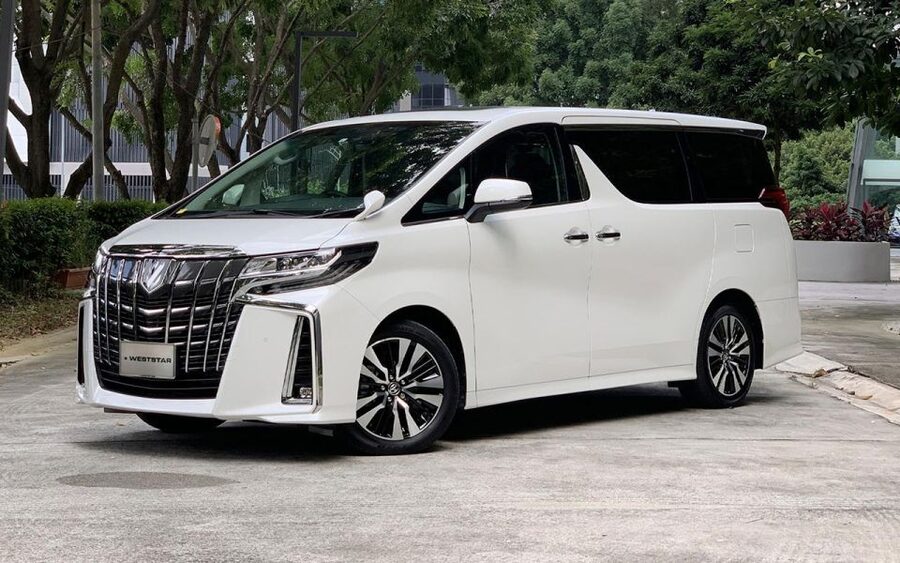
- Private Toyota Alphard comfort: spacious seating, air conditioning, and a smooth ride for a full day out of Tokyo
- Photo-focused Fuji stops: Kawaguchiko and Chureito Pagoda are built for strong “Fuji framed” pictures
- Weather is the real deciding factor: fog can wipe out views, even with the best planning
- Flexible stop choices: you may be able to add or skip options like Shiraito Falls or Fuji Safari Park
- Communication can vary: English support depends on the driver
A private Toyota Alphard ride from Tokyo: what comfort really means
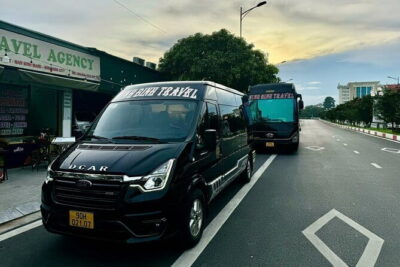
This tour is designed around one simple idea: you should spend the day looking at Japan, not figuring out trains. You’re picked up from your Tokyo hotel (the tour lists options in the Tokyo 23 wards and Tokyo more broadly), then you ride out to the Mt. Fuji region in a premium Toyota Alphard. With air conditioning, bottled water, and a professional driver, you get a level of comfort that makes a 10-hour day feel manageable.
I especially like the group size. Up to six guests means you’re not packed in like a commuter bus. That matters around viewpoints too—having room to step out, reposition for photos, and get everyone back into the car without chaos.
The trade-off? Because it’s private, you’re relying on one driver and their rhythm for the whole day. Reviews show that the driver experience can be very smooth, but sometimes English can be basic. One example: a driver named Suzuki was described as helpful, yet limited in English words—enough to make communication slower if you’re expecting detailed commentary.
Mt. Fuji visibility: fog, timing, and why it’s never guaranteed
Here’s the honest part. Mt. Fuji is stunning when it appears. It’s also famously fickle. On at least one day, the mountain was completely hidden by fog, and the group didn’t see Mt. Fuji at all. That’s not something the tour can fix.
What you can control is how you plan your expectations:
- Build the day assuming you’ll get some great scenery even if Fuji is faint.
- Use the route to enjoy lakes, falls, and viewpoint areas—those places still work when the peak is shy.
- If you’re chasing the iconic “Fuji skyline” look, know that clear skies are the real gatekeeper.
The tour structure supports this. It includes time for photo stops and sunset viewing. That’s good strategy because Fuji can pop out near golden hour. Still, fog doesn’t care about good intentions.
Lake Kawaguchiko: the Fuji Five Lakes viewpoint for a reason
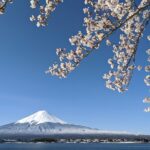
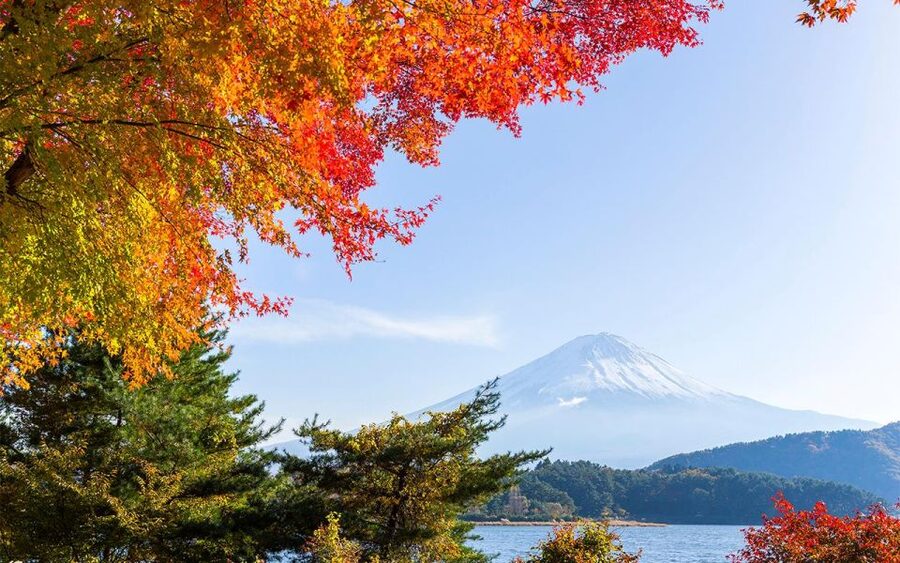
One of the core stops is Lake Kawaguchiko, the second-largest of the Fuji Five Lakes. This is where the mountain-and-water look usually comes into focus. Even when the peak isn’t razor sharp, the lake area gives you a calmer, more scenic side of Fuji than a pure “roadside viewpoint” day.
What to expect here:
- Strong photo opportunities with Fuji in the background when skies cooperate
- A lakeside atmosphere that lets you slow down
- Seasonal color, which can be a big deal in autumn (the tour specifically calls out beautiful autumn colors)
This is also a good place to reset your pace. You’re not rushing from one busy spot to another. Instead, you can take short walks, find a viewpoint angle, then return to the car when it’s time to move on.
If you’re traveling as a couple or with parents, this kind of stop is often the sweet spot: enough scenery to justify the trip, not too aggressive on walking.
Chureito Pagoda: how to get that framed-Fuji picture
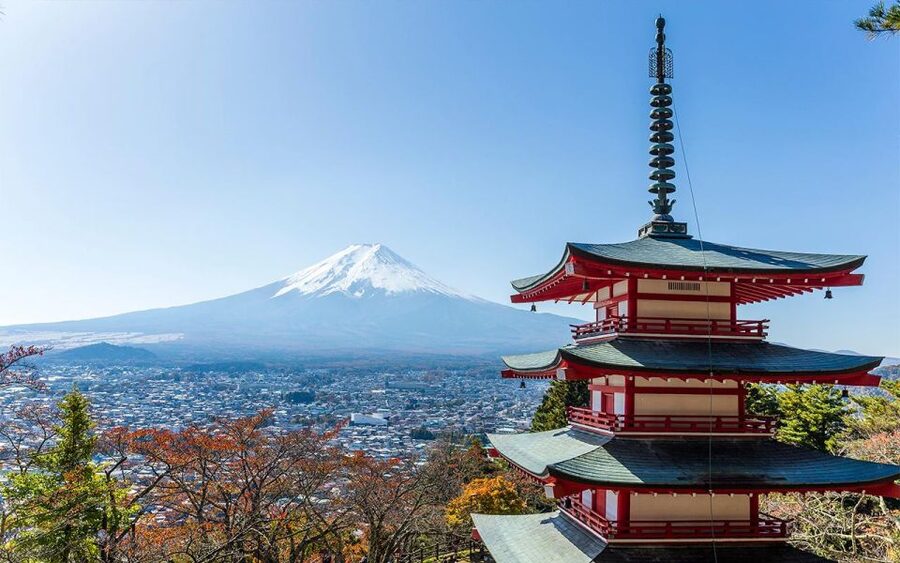
If Kawaguchiko is where the lake does its work, Chureito Pagoda Shrine is where composition does. The tour highlights this five-storied pagoda set on a hillside overlooking Fujiyoshida City. It’s one of the most photographed spots in Japan for a reason: the pagoda can frame Mt. Fuji like a picture within a picture.
In practical terms, here’s what matters for your experience:
- The viewpoint setup is made for photos, not just sightseeing
- You’ll likely get a chance to position yourself for the best angle (and try again if the light shifts)
- It’s iconic, so even if you’ve seen photos, seeing it in person hits different
A caution: hillside viewpoints can mean stairs or uneven ground depending on where you stand. That’s one reason the tour suggests bringing sports shoes, not just casual sandals.
Shiraito Falls and the quieter side of Fuji region nature
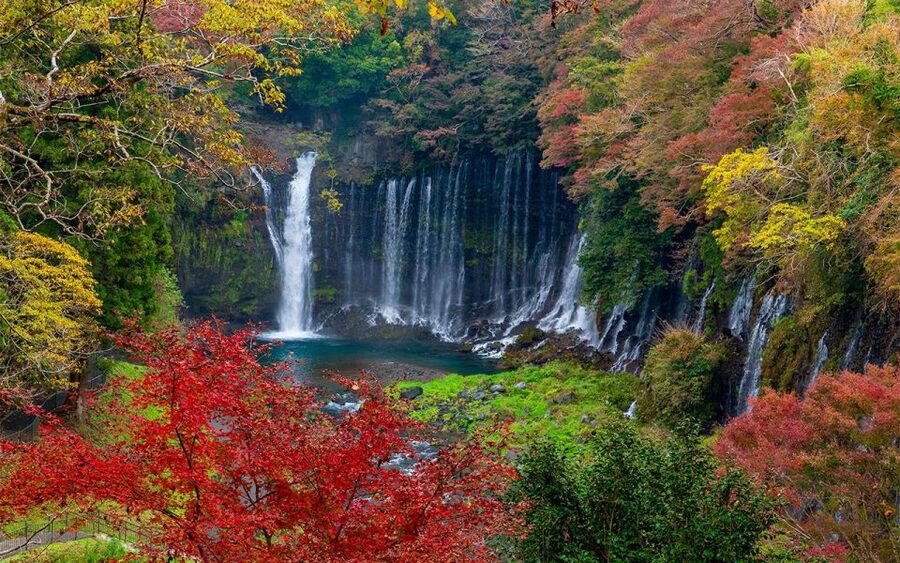
Another optional-feeling stop in the plan is Shiraito Falls. This one is a nature lover’s detour: delicate streams flowing over volcanic rock, creating a calmer atmosphere than the more famous Fuji photo points.
Why it works on a day like this:
- When Fuji visibility is poor, the falls can still deliver a “wow” moment
- Waterfalls give you movement and sound, which makes the scene feel more alive than a static viewpoint
- It’s a good break from constant camera work
You should also be ready for moisture and changing conditions around water. That’s why the tour advises bringing a towel. If you get sprayed or humid mist sticks around your clothes, having a towel makes the rest of the day more comfortable.
Fuji Safari Park: a fun wildcard if you want animals plus views
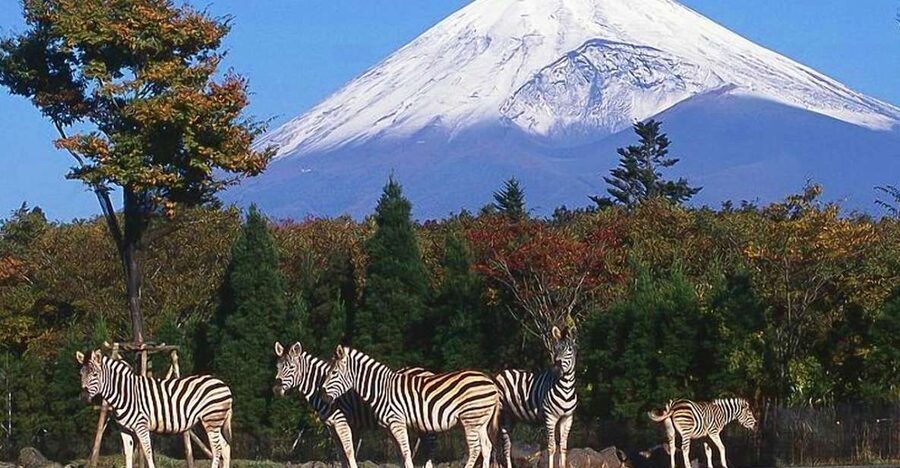
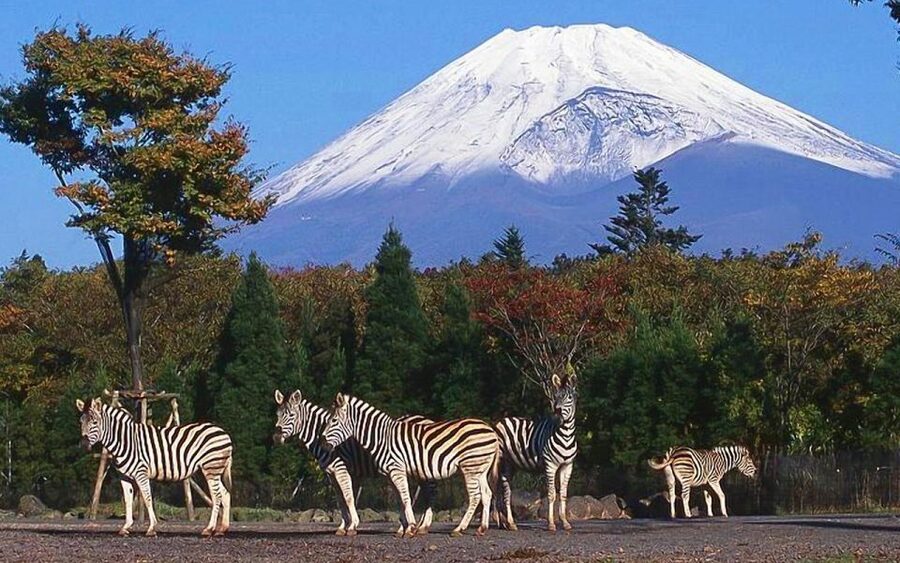
For families—or anyone who likes something different—there’s an option to visit Fuji Safari Park. The tour notes a close-up wildlife experience, and at least one account mentions feeding lions and bears, described as unique.
This is a stop that changes the vibe of the day:
- Instead of purely scenic photography, you get interaction and animal time
- It can add energy when the Fuji views are slow to appear
- It’s especially useful if you’re traveling with kids who need variety
One thing to watch: animal parks can mean more walking and time outdoors. Bring your feet game, and keep an eye on timing so you still have room for the Fuji-photo priorities.
How the 10-hour flow works in real life
This is a full-day tour—10 hours—so how it flows matters as much as where it goes. The day starts with hotel pickup. You’re asked to be in the lobby about 10 minutes before pickup. That’s a small ask, but it prevents delays and keeps the schedule smooth.
From there, your driver takes you between stops in a private car. The tour experience description suggests a mix of:
- photo stops for key views
- a guided component (at least a small one) and then
- time to explore on your own
You’ll also want to think about the “mental logistics” of a private day trip. With a car, you’re not scanning train maps or rerouting when lines are crowded. That’s why this kind of luxury format can feel worth the extra cost: the savings are in stress, not just comfort.
Also, because it’s customizable, you’re not locked into a one-size-fits-all checklist. If someone in your group wants more time at Kawaguchiko or a shorter visit at another site, you’re not stuck.
Driver support: English, timing, and what you should do to get the most out of it
The driver is listed as English/Japanese. In practice, that can mean different things depending on the person. One account described a driver who was helpful but had only basic English words, which made communication harder than expected. Other experiences were very positive about professionalism and patience.
So what’s the smart move? Treat the driver as your logistics expert and your guide to timing, not as a detailed lecturer. You can still ask questions, but if you want deeper historical context, you’ll likely need to rely on your own curiosity or simple prompts.
If you need translation, be open to the idea that communication might run through basic phrases rather than full explanations. That’s usually enough for:
- photo timing
- where to stand
- how long you have at each spot
- what’s safe at viewpoints
And if you luck into a driver who clearly communicates in English, even better.
Price and value: what $529 per group covers
This tour costs $529 per group, up to six guests for 10 hours. That’s a group price, not a per-person price, which is a big part of the value math.
Included:
- Hotel pickup and drop-off
- Driver
- Fuel and toll tax
- Air conditioning
- Bottled water
Not included:
- Admission tickets
- Lunch and brunch
So where does the value come from? For most people, it’s the private door-to-door experience plus premium transport. You’re paying to turn a complex day (getting out of Tokyo, coordinating multiple locations, timing your best light) into something you can relax into.
When it might feel pricey is when your party is small—say only two people. In that case, you might compare it to split rides or other Mt. Fuji options and decide whether the privacy and comfort are worth the extra spend. If you can fill the car with four to six people, the cost per person drops sharply and the luxury aspect starts to feel more like a smart upgrade.
Who this tour fits best (and who might want a different plan)
This day trip is built for guests who want control, comfort, and classic Mt. Fuji photography without the public-transport hassle. You’ll probably enjoy it most if you’re:
- a couple wanting a stress-free photo day
- a family that wants a private car and manageable sightseeing pacing
- a small group of friends sharing a vehicle cost
- someone who values the right stops, timed well, in a comfortable vehicle
It may not be the best match if:
- you expect a deeply guided, lecture-style history tour
- your main goal is guaranteed Mt. Fuji views regardless of weather
- you’re comfortable managing transport yourself to save money
Should you book this Mt. Fuji private luxury car tour?
My take: book it if your priority is comfort + privacy + classic scenery stops, and you’re okay with the reality that Mt. Fuji can hide in fog. The tour’s structure—private ride, top photo points like Kawaguchiko and Chureito Pagoda, plus an option for nature or animals—gives you multiple ways to still have a great day.
Skip or rethink it if you’re only satisfied by a clear mountain skyline and you tend to get disappointed by weather swings. Even with a perfect itinerary, visibility isn’t controllable. If you’re flexible, though, this is the kind of luxury day trip that makes the Fuji region feel easy.
FAQ
FAQ
How long is the Mt. Fuji private luxury tour?
It runs for 10 hours.
How many people can be in the private group?
The group is private and up to 6 guests.
What vehicle is used for the tour?
The tour uses a premium Toyota Alphard with a professional driver.
Where does the pickup happen?
Pickup is available from Tokyo 23 wards and Tokyo.
Where do you get dropped off?
Drop-off is also listed as Tokyo 23 wards and Tokyo.
Is lunch included in the price?
No. Lunch and brunch are not included.
Are admission tickets included?
No. Admission tickets are not included.
What languages does the driver speak?
The driver is listed as speaking English and Japanese.
What should I bring?
Bring warm clothing, a towel, and sports shoes.
Is there a cancellation option?
Yes. You can cancel up to 24 hours in advance for a full refund.
Is bottled water included?
Yes, bottled water is included.