REVIEW · TOKYO
Mt.Fuji Hakone Private Tour with English Speaking Chauffeur
Book on Viator →Operated by Ideal Movers · Bookable on Viator
Mt. Fuji in one day, minus the hassle. This private trip from Tokyo is built around the classic viewpoints—then adds a quieter, more local finish—so you spend your time looking out at Fuji instead of wrestling trains. You also get the comfort of an English-speaking chauffeur, plus pickup and drop-off options that can save you a lot of stress.
I love how the route hits big “Fuji moments” like Chureito Pagoda and Kawaguchiko, then balances them with calmer spots such as Oshino Hakkai’s ponds and Saiko’s traditional village area. I also like that the day is paced for limited time: you get about an hour at most stops, with shorter breaks at the most photogenic places.
One thing to consider: this is a weather-dependent day. If clouds roll in, some viewpoints can turn into a frustrating fog show, and a few paid add-ons are still extra even when you have perfect timing.
In This Review
- Key highlights you’ll feel in the day
- From Tokyo to Fuji viewpoints: how the chauffeur plan actually helps
- Chureito Pagoda in Arakurayama Sengen Park: iconic view, real stair effort
- Lake Ashinoko (Hakone area): crater-lake views and the weather reality check
- Lake Kawaguchiko: more room to enjoy, plus optional ropeway or cruise
- Oshino Hakkai: eight ponds, easy strolling, and souvenir stop energy
- Kitaguchi Hongu Fuji Sengen Jinja: a shorter stop with climbing context
- Saiko Lake and Saiko Iyashi no Sato Nemba: a calmer finish with extra admission
- Timing, weather, and your photo odds: how to get the best day
- What $490 buys you (and what costs extra)
- Who should book this private Mt. Fuji Hakone day trip
- Should you book this Mt. Fuji Hakone private tour?
- FAQ
- How long is the Mt. Fuji Hakone private tour from Tokyo?
- Does the tour include pickup and drop-off?
- Is this tour private or shared?
- What transportation is included?
- Are tickets or entrance fees included?
- What does the tour language cover?
- Is the tour dependent on weather?
- What’s the cancellation policy?
Key highlights you’ll feel in the day
- Private door-to-door touring from central Tokyo, so you’re not piecing together buses and trains
- Chureito Pagoda with the iconic Fuji-facing view (and yes, you’ll climb those stairs)
- Lake Ashinoko + Hakone area timing, where volcano area access may depend on conditions
- Kawaguchiko views with built-in options like ropeway or cruise timing
- Oshino Hakkai’s 8 ponds and market strolls for easy, low-effort sightseeing
- Saiko Iyashi no Sato Nemba for a traditional village finish (with an extra admission fee)
From Tokyo to Fuji viewpoints: how the chauffeur plan actually helps
This tour is all about making Fuji day practical. When you’re starting in Tokyo, the biggest pain is not the sights—it’s getting to the sights with enough time to actually enjoy them. With a private car or minivan, you skip the worst transfer stress and spend the day moving on a tight schedule, not waiting in stations.
The chauffeur is English-speaking, which matters more than you might think. Clear guidance helps you time viewpoints, plan restroom stops, and ask for small adjustments on the fly—especially if weather or traffic shifts. In past trips, drivers like Ali, Malik, and Irsan have handled the day smoothly and kept groups on schedule, including for family plans.
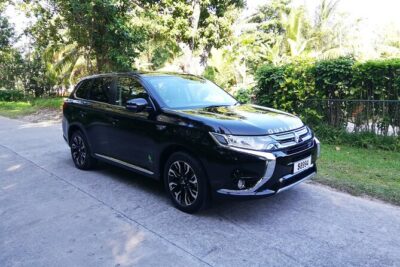
You’ll also have small comforts baked in: an air-conditioned vehicle for the long ride, bottled water, parking fees covered, and a mobile ticket. Those details add up when your Fuji day runs about 10 hours total, including driving.
Chureito Pagoda in Arakurayama Sengen Park: iconic view, real stair effort
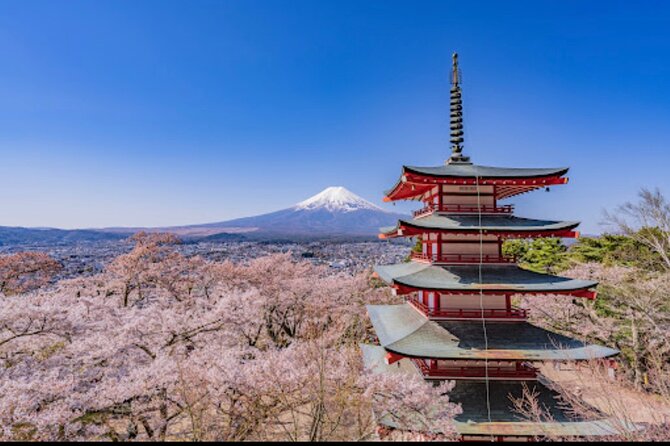
Your first big stop is Chureito Pagoda in Arakurayama Sengen Park. It’s the famous hillside pagoda with Mt. Fuji in the background, reached via a stair climb—398 steps, according to the route plan. The good news: you don’t need long hiking time. The challenge is just that it’s steep and straightforward.
The payoff is that this is one of the easiest places to understand why people chase Fuji in the first place. On a clear day, the composition can look almost too perfect—pagoda on the hill, Fuji aligned behind it. On a cloudy day, you’re still doing something worthwhile, but the wow factor depends on the sky.
Time-wise, plan on about one hour here. That’s usually enough for the walk up, a couple of viewpoint angles, and time to catch your breath before you head out again. The route lists the pagoda admission as free for this stop, but the fee section also notes entrance fees as not included—so if that detail matters for you, confirm at booking.
Lake Ashinoko (Hakone area): crater-lake views and the weather reality check
Next up is Lake Ashinoko, also called Hakone Lake or Ashinoko Lake. It sits in a volcanic caldera area, and the plan notes access toward Ōwakudani (from there, a sightseeing cruise is possible by car). The key point is that this is not just a lake stop—it’s a stop that ties into the volcano story around Mt. Fuji’s region.
The tour includes one hour here, which is workable if you treat it like a viewpoint-and-walk hour rather than a long boat-day. You might see the lake from scenic points and enjoy the calm, with Fuji often visible depending on conditions. But you should go in with realistic expectations: clouds and mist are common in this part of Japan, and the day’s best views can shift quickly.
Weather is also why this stop comes with a note about conditions. If the sky clears, the lake and Hakone surroundings can feel magical; if it doesn’t, you’ll still get a scenic pause between bigger stops. My practical advice: keep your camera ready, but also enjoy the moment without forcing the one-shot photo. You’ll thank yourself later.
Lake Kawaguchiko: more room to enjoy, plus optional ropeway or cruise
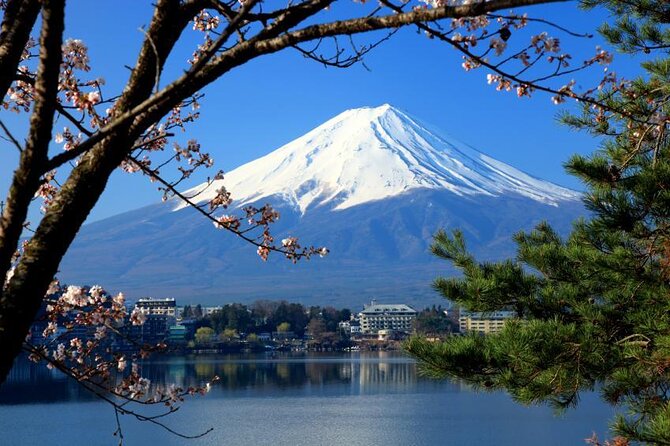
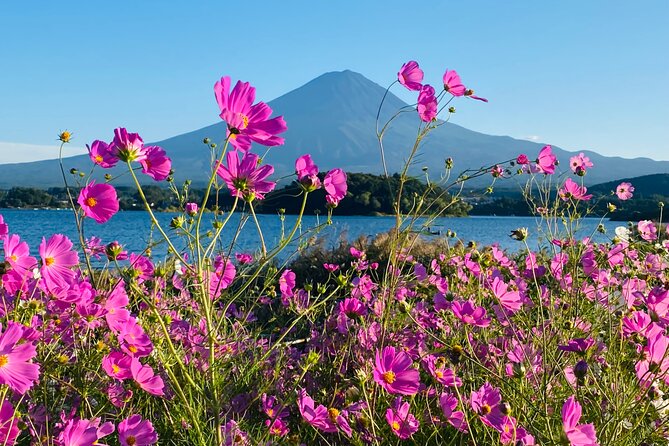
Then you shift to Lake Kawaguchiko, one of the most popular bases for Fuji viewing. The route describes it as the second biggest lake in the Mt. Fuji area after Lake Yamanaka. In plain terms: it’s popular for a reason—lots of angles, lots of places to pause, and an easy “Fuji or no Fuji” sightseeing rhythm.
You get about 1 hour 30 minutes here. That extra half hour matters because Kawaguchiko can be quick or slow depending on visibility and what you want to do. The route also points out that you can enjoy Fuji views from Kachi Kachi ropeway or a sightseeing cruise at Lake Kawaguchi. Those add-ons aren’t listed as included, but the planning note is useful: you’ll have time to choose what fits the weather in the moment.
One small drawback: because this area is so well-known, you can feel the crowds. The private car helps because you’re not stuck in a crowd trying to find your bus, but you’ll still be in the same viewpoint geography as everyone else. If you want photos, arrive prepared to work for them—walk a little, find a cleaner sightline, and don’t expect Fuji to appear exactly where it did earlier.
Oshino Hakkai: eight ponds, easy strolling, and souvenir stop energy
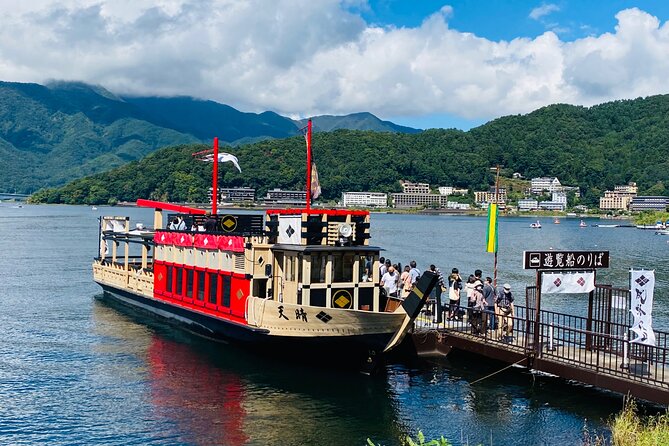
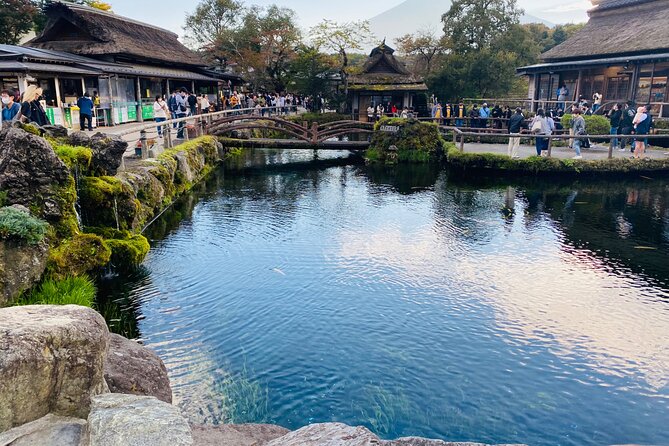
After the lakes, you go to Oshino Hakkai, a small village set up around scenic ponds fed by spring water. The route describes 8 ponds, with Fuji views when the sky cooperates and vendors selling food and souvenirs.
This is one of the most relaxed stops on the day because the sightseeing is straightforward: walk the area, look at pond views, and use the village time for snacks or small purchases. Just remember: coffee, tea, and snacks are listed as not included, so bring your preference or plan to buy on site.
Time is about one hour, which is ideal. You can see the main pond areas without getting rushed, and it’s a good place to slow down after more structured viewing points. If visibility is bad, you’ll still have something to do here besides waiting—vendors, water, and a pleasant walk help the hour feel worthwhile.
Kitaguchi Hongu Fuji Sengen Jinja: a shorter stop with climbing context
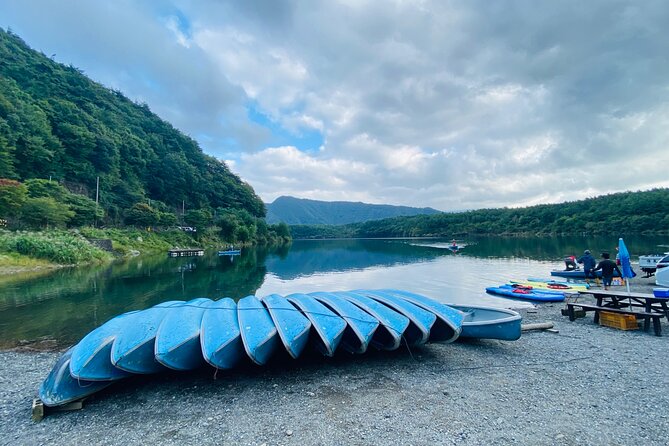
Next is Kitaguchi Hongu Fuji Sengen Jinja Shrine, with a planned 30 minutes. The route notes that this shrine was a common starting point for climbing Mt. Fuji from the north in the past.
This isn’t a long stop, so think of it as a palate cleanser and a context builder. You’ll get a look at a traditional shrine setting and the sense that Fuji isn’t only a photo target—it’s tied to routes and rituals. Even if you never climb, the shrine stop helps you understand why so much effort goes into timing these viewpoints.
When you only have half an hour, the move is simple: walk, look, and read enough to get the meaning before you lose time to hunting for the perfect angle. The private structure keeps you from feeling trapped, because once the 30 minutes are up, you’re ready to roll.
Saiko Lake and Saiko Iyashi no Sato Nemba: a calmer finish with extra admission
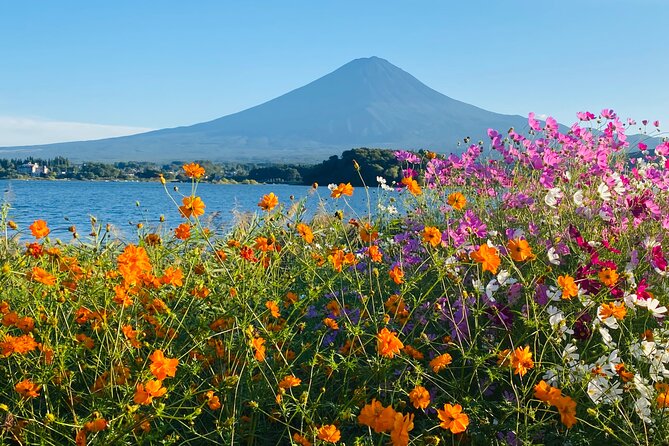
To close the day, you go to the Saiko Lake area and then finish at Saiko Iyashi no Sato Nemba, the traditional village stop.
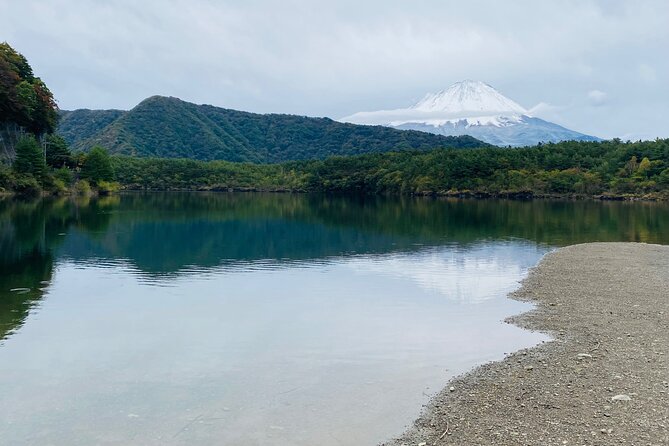
Saiko Lake is described as one of the Fuji Five Lakes and located in Fujikawaguchiko, near Mt. Fuji. The route also notes it’s the fourth by surface area and the second deepest, with a maximum depth of 71.1 meters. In practice, that means you’re visiting a place that still feels linked to the water and the wider Fuji region, but without the same intensity as the most famous lakes.
Then comes Saiko Iyashi no Sato Nemba, with an admission fee listed as ¥500 per adult and about 30 minutes on the schedule. This is where the day ends on something more cultural and human-scale. It’s also the stop tied to the overview’s mention of craft-making time. Even if you don’t focus on crafts, you’ll likely enjoy walking through the traditional village feel and browsing small local goods.
The trade-off is simple: the village stop is short and the admission is extra. If you’re a person who likes to linger, you’ll feel the time pinch. But it’s still a strong closer because it’s different from the viewpoint stations. After a day of Fuji angles, the traditional village gives your eyes and brain something new to do.
Timing, weather, and your photo odds: how to get the best day
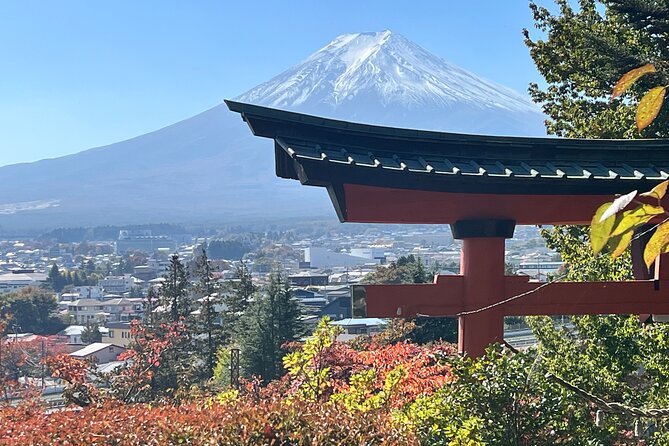
This tour runs on limited daylight and a tight set of stops, so you want to treat Fuji like a moving target. The cancellation policy also makes it clear this experience depends on good weather, with the option to switch dates or get a full refund if canceled due to poor conditions.
Here are the practical ways to stack the odds in your favor:
- Keep your camera settings ready and don’t waste time switching apps or modes on the move.
- Dress for quick changes. Fog and chill can show up fast around lakes.
- Expect that the strongest views may happen at one or two stops, not every stop.
Also, you’ll be visiting multiple lake areas and viewpoint zones. That’s a benefit because it spreads your chances. If Fuji is hidden at one lake, it might show up at another. In a day like this, that diversity is the difference between a good trip and a frustrating one.
One more tip: if you’re trying to see everything perfectly, you might feel rushed. The better approach is to pick what matters most to you—pagoda photo, lake views, pond strolls, or village atmosphere—and let the rest be bonus time.
What $490 buys you (and what costs extra)
For $490, you’re paying for a private, English-speaking chauffeur day from Tokyo, about 10 hours total, with pickup options, bottled water, and parking fees included. That cost is usually most worth it when you value time and comfort, or when your group makes private touring cheaper than splitting into multiple public transport tickets and transfers.
You should also know what’s not included:
- Coffee/tea and snacks
- Lunch
- Saiko Iyashi no Sato Nemba admission (¥500 per adult)
- Mt. Fuji 5th Station fee listed as ¥2100 per group (not included in the pricing)
- Entrance fee details are listed separately for certain stops, so it’s smart to double-check what’s already covered vs. what you might pay on the day
This is the part where I stay practical: if your goal is only the viewpoints and you don’t care about the traditional village atmosphere, you can keep costs lower. If you want the village experience, build that extra ¥500 into your budget.
Who should book this private Mt. Fuji Hakone day trip
I think this tour fits best if:
- You want private transportation out of Tokyo and a clear, scheduled route
- You have a group that would rather not split up on trains
- You care about multiple Fuji viewpoints but also want a cultural end stop at Saiko
- You’re traveling with kids or family members who benefit from staying on schedule (guides like Irsan have been praised for pacing and keeping families on track)
It may not be the best fit if:
- You hate stairs or steep walks (Chureito’s 398 steps are a real thing)
- You’re the type who needs long, unstructured time at each site
- You’re only satisfied if Fuji is perfectly visible in every photo
Should you book this Mt. Fuji Hakone private tour?
Book it if you want a well-timed day that trades the uncertainty of public transport for a focused route with real variety—pagoda, lakes, ponds, shrines, and a traditional village finish. At $490, the value is strongest when your group makes private touring feel reasonable and when you want the chauffeur to handle the hard parts.
Skip or consider another option if you’re traveling during a stretch of consistently cloudy weather and you’re only happy when you get clear Fuji skyline shots at every stop. Even then, the route still gives you enough scenic variety to avoid a totally wasted day.
If you do book, pack for weather changes, plan for at least one short paid add-on at Saiko, and treat Fuji visibility as a bonus rather than the whole point.
FAQ
How long is the Mt. Fuji Hakone private tour from Tokyo?
It’s listed as approximately 10 hours, and that total duration includes travel time.
Does the tour include pickup and drop-off?
Pickup is offered, and drop-off locations can be arranged based on your choice.
Is this tour private or shared?
This is a private tour/activity, meaning only your group participates.
What transportation is included?
You get a private air-conditioned vehicle and private transportation, with bottled water provided and parking fees covered.
Are tickets or entrance fees included?
The schedule lists some stops with free admission and one lake with included admission, but additional fees are listed as not included for items like Saiko Iyashi no Sato Nemba (¥500 per adult) and Mt. Fuji 5th Station (¥2100 per group). Chureito Pagoda entrance fee is listed under not included even though the stop notes free admission.
What does the tour language cover?
The tour is described as having an English speaking chauffeur.
Is the tour dependent on weather?
Yes. It requires good weather. If it’s canceled due to poor weather, you’ll be offered a different date or a full refund.
What’s the cancellation policy?
Free cancellation is available. You can cancel up to 24 hours in advance for a full refund. Within 24 hours, the amount paid is not refunded.