REVIEW · TOKYO
Mt. Fuji and Lake Kawaguchi Day Trip with Private Car
Book on Viator →Operated by Tour Japan · Bookable on Viator
Fuji in one long day is a treat. This private Mt. Fuji and Lake Kawaguchi loop is built for big views without the hassle of trains, and it saves you from wrestling with station signs and transfers. I like that hotel pickup and drop-off are part of the plan, so your day starts clean.
What I really love is the mix of iconic spots and off-the-beaten-path stops, from the famous Chureito Pagoda angle to Aokigahara’s lava-tube caves. The one drawback to plan for: with a packed schedule, time and traffic can force trade-offs, especially if you’re aiming for optional add-ons like Mt. Fuji 5th Station.
In This Review
- Quick take: what makes this day trip work
- Why a private car is the real value for Mt. Fuji days
- Your 10-hour route: how the plan flows from shrine views to caves
- Chureito Pagoda: the postcard view with stairs and seasonal beauty
- Arakura Fuji Sengen Shrine: history plus another angle
- Oshino Hakkai: spring water scenery that feels calm after the stairs
- Saiko Iyashi no Sato Nenba: reconstructed village and easy cultural shopping
- Aokigahara lava tubes: Narusawa Ice Cave and Fugaku Wind Cave
- Lake Kawaguchi: Fuji views plus optional ropeway/boat plans
- Mt. Fuji 5th Station (optional): the “tall viewpoint” choice
- Price and logistics: what you’re really paying for
- When things go wrong: traffic, lines, and shortfalls you can avoid
- Weather and visibility: the one rule that beats every itinerary
- Should you book this Mt. Fuji and Lake Kawaguchi private day trip?
- FAQ
- FAQ
- How much does the tour cost?
- How long is the day trip?
- Is hotel pickup and drop-off included?
- What’s included in the price?
- Are admission fees included for the sights?
- Is Mt. Fuji 5th Station included?
- Do I need a paper ticket?
- How long do you spend at Chureito Pagoda?
- How long do you spend at Lake Kawaguchi?
- What happens if the weather is poor?
Quick take: what makes this day trip work
- Private, air-conditioned car means fewer headaches than public transit for a full circuit
- Hotel pickup and drop-off keeps the day moving and removes the meeting-point stress
- Photo-stop flexibility is built in, so you can react when Fuji shows up
- Iconic + unusual stops (Chureito, Oshino Hakkai, ice/wind caves) fit into one route
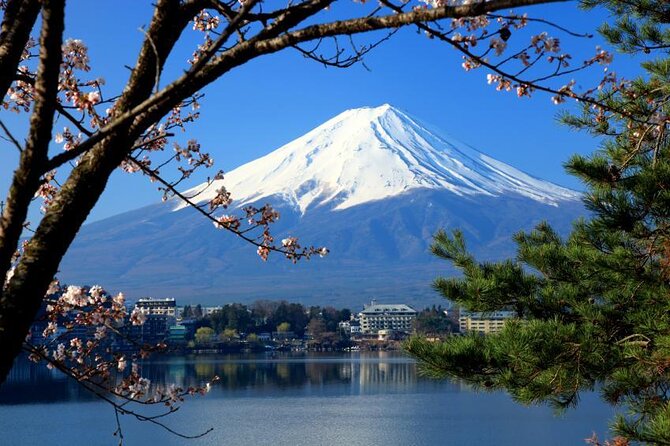
- Lake Kawaguchi time gives you classic Fuji viewpoints plus optional ropeway/boat ideas
- Weather matters—this is a visibility game, not a guarantee
Why a private car is the real value for Mt. Fuji days
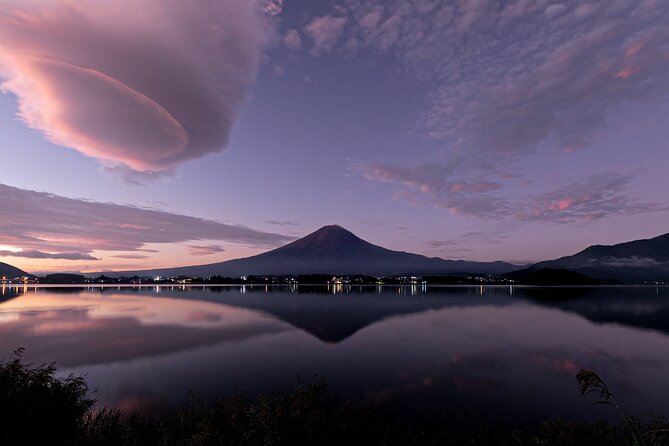
Trying to do Mt. Fuji from Tokyo on public transport can work, but it’s not pretty: multiple changes, busy stations, and you’re always on the clock. This private-car format is paying for time, ease, and control. You ride in an air-conditioned vehicle with bottled water, and you don’t have to plan your day down to the minute just to get from one sight to the next.
The price is quoted per group (up to 4 people). That matters because Fuji days get expensive fast when you add up transit tickets, taxis, and lost time. When you’re splitting costs with 2–4 people, the per-person value often looks better than you’d expect—especially because you also gain the option to ask for extra stops for photos.
One more practical perk: you’re not stuck with a rigid train schedule. When things run slow—traffic, a line, or a closed viewpoint—you can adjust. The trade-off is that the tour has limited hours, so you may not fit every possible stop.
Your 10-hour route: how the plan flows from shrine views to caves
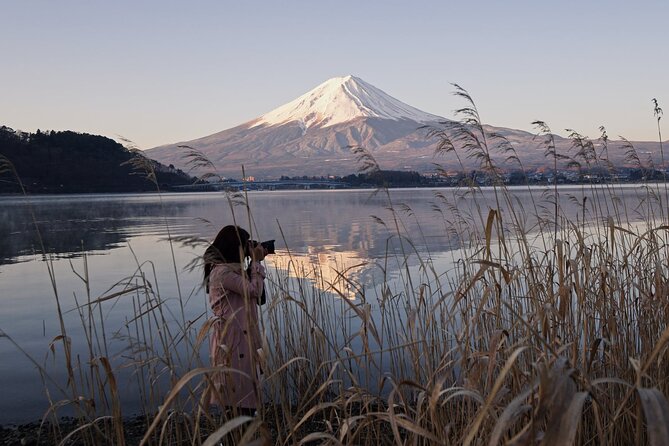
The day is designed like a visual loop. Early on, you’re aiming for high-impact Fuji angles at shrines and pagoda viewpoints. Midday shifts to cultural and nature stops (including Fuji’s spring-water village). Then you finish with the Five Lakes area and optional viewpoints.
It’s roughly 10 hours total (time included is approximate), so you’ll spend less time “wandering until you feel like it” and more time “parking, looking, walking, and moving.” That’s not a bad thing. It’s how you squeeze real variety out of one day trip.
Here’s how each stop plays in.
Chureito Pagoda: the postcard view with stairs and seasonal beauty
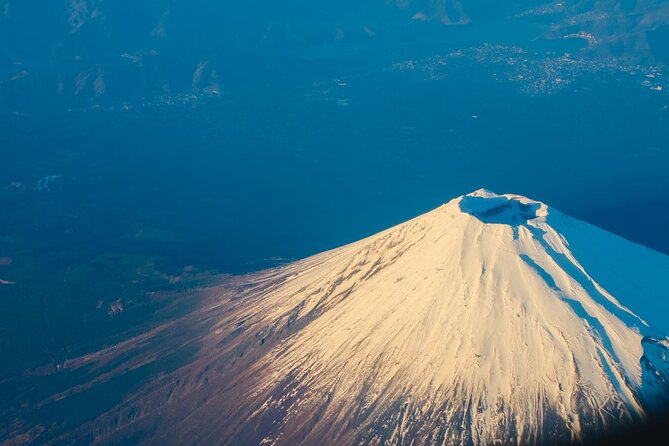
Chureito Pagoda is one of those places that’s instantly recognizable—because it’s recognizable for a reason. You’ll get a classic Fuji backdrop from the area around the pagoda and observation views. It’s also a spot with a walk-up feel, including many stairs and a good chance for seasonal cherry blossoms depending on the time of year.
How to enjoy it: wear shoes with grip. Even if it’s not raining, Japanese stone steps can be slick and crowded. Aim to take a few photos quickly, then step back and give yourself 5 minutes to just look. If clouds drift, Fuji can appear and disappear—patience pays.
Time on the ground is about 30 minutes, so don’t expect long museum-style wandering here. This is “view first, photos second, move on” energy.
Arakura Fuji Sengen Shrine: history plus another angle
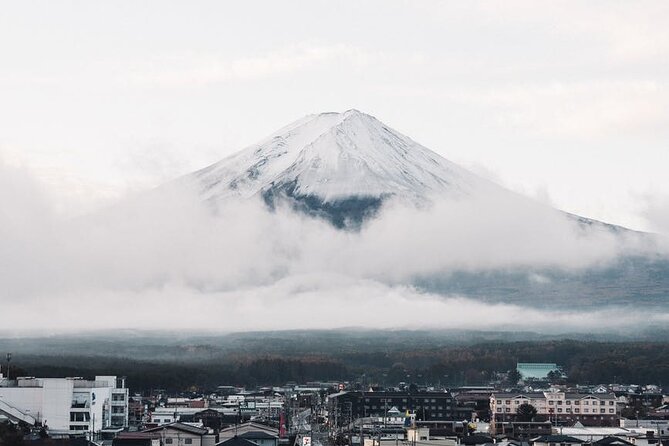
Next up is Arakura Fuji Sengen Shrine (in the Fujiyoshida area). This stop is tied to Mt. Fuji faith traditions and is often described as a starting point for followers who wanted to reach the top. You’ll be in a dense forest setting, and the approach includes steps that bring you upward toward the shrine.
This is where a good guide makes a difference. Even if you only catch a few key points while you’re walking, it helps you connect the spiritual context to what you’re seeing. If your guide explains as you go, this stop becomes more than just scenery.
Expect about 20 minutes here. It’s short, but it’s paced well if you’re there to enjoy the walk and the views.
Oshino Hakkai: spring water scenery that feels calm after the stairs
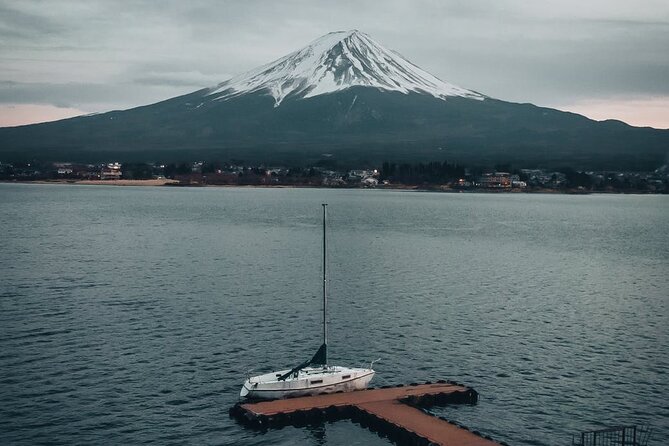
Oshino Hakkai is one of the most peaceful stops on the route. The village is known for abundant spring water coming from Mt. Fuji. In practice, this means you get a slower vibe, with pond-like water features and a layout that’s easy to browse at a walking pace.
Time is about 30 minutes, which is just enough to take photos, look at how the water is used, and grab a snack if you want one. Admission here is listed as free.
If you like “quiet, local-feeling places” more than crowds, you’ll probably like this part of the day. It’s also a good break before the Aokigahara caves, which can feel more intense and enclosed.
Saiko Iyashi no Sato Nenba: reconstructed village and easy cultural shopping
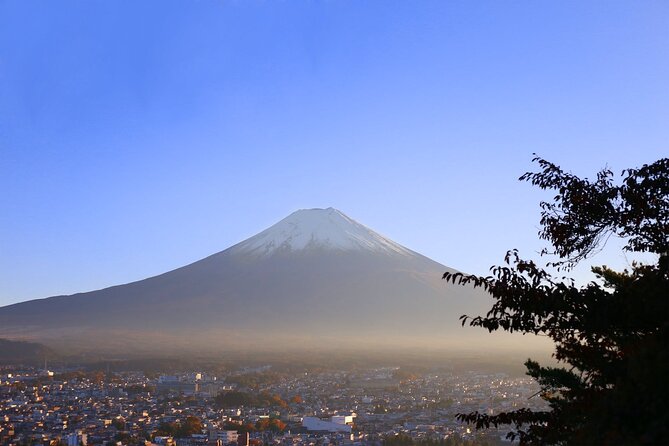
Saiko Iyashi no Sato Nemba is a reconstructed Japanese village where you can explore houses and rent traditional clothing. This stop is not about rushing to one view—it’s about stepping into a specific “old Japan” setting and browsing what’s offered.
Key thing: traditional clothing rental is not included, and admission is listed as not included. Still, even if you don’t rent anything, the village feel is the point.
You get about 30 minutes. That’s enough time to walk through, pop into a couple buildings if open, and maybe buy small souvenirs without feeling like you’re on a factory tour.
Aokigahara lava tubes: Narusawa Ice Cave and Fugaku Wind Cave
These two stops are the most unusual in the itinerary. Both are lava-tube caves in the Aokigahara forest area, and they add variety beyond shrines and lakes.
- Narusawa Ice Cave (about 15 minutes): a lava tube often described as an ice cave, and admission is not included.
- Fugaku Wind Cave (about 15 minutes): also a lava tube, and admission is not included.
If you’re claustrophobic, don’t pretend. Caves can feel cool and enclosed even when they aren’t huge. But if you’re curious, they’re a fun contrast to the bright Fuji viewpoints. You’re basically going from “sun and postcards” to “geology and temperature changes.”
One practical tip: because time is tight, be ready to move when the group moves. If you spend too long at the entrance, you’ll lose time later when it matters (like Lake Kawaguchi).
Lake Kawaguchi: Fuji views plus optional ropeway/boat plans
Now you get to the “main event” water scenery. Fujikawaguchiko-machi is your base area near Lake Kawaguchi. You’ll have about 1 hour to enjoy Lake Kawaguchi Ko and take in Fuji views through the broader Five Lakes area (Yamanaka, Kawaguchi, Saiko, Shoji, Motosu lakes are referenced in the plan).
Admission here is listed as free, but the optional add-ons cost extra:
- The Mt. Fuji Panoramic Ropeway is listed as not included and is about 1 hour on the schedule.
- The plan also mentions cruise or paddle boats if schedule permits (details like timing depend on day-of conditions).
- You may also just enjoy the lake area and viewpoints without paying for anything extra.
A very real thing to plan for: lines. One guest noted the ropeway line can be around 75–90 minutes at busy times. If visibility is great, it’s worth considering. If you’re tired, or the line is long and Fuji is hidden by clouds, you might skip it and spend more time simply looking and photographing.
Also, there’s a small but memorable tip from a guest: the ropeway area includes a swing ride that’s ticketed separately (they mentioned about 500 yen per adult) and the operator takes photos. If you want that quick adrenaline moment, look for it before you commit to waiting for the ropeway.
Mt. Fuji 5th Station (optional): the “tall viewpoint” choice
The itinerary includes Mt. Fuji 5th Station as optional, with about 30 minutes on the schedule (and admission not included). The plan describes it as the most popular starting point of the Yoshida Trail, with shops, restaurants, and shrines, at around 2300 meters altitude.
This stop can be worth it if:
- you’re chasing the feeling of being high on the mountain
- you want a different kind of Fuji viewpoint than the lakeside angles
- you have good visibility that day
But it’s also the stop that can get squeezed out if traffic or earlier delays pile up. Some people in the provided information had their day shortened because of late starts or closures. So if 5th Station is your priority, tell your guide early and be direct about it.
Price and logistics: what you’re really paying for
This tour lists a price of $528.41 per group (up to 4) for about 10 hours. That’s not cheap on a solo basis. But it gets more reasonable when:
- you’re traveling with family or friends (divide the cost)
- you want hotel pickup and drop-off
- you value not figuring out transport and timing in Japanese
- you want a private car so you can ask for photo stops
What’s included:
- Private transportation in an air-conditioned vehicle
- Bottled water
- Pickup offered and drop-off (hotel pickup/drop-off are highlighted)
What’s not included:
- most attraction admission fees
- Mt. Fuji 5th Station fee (JPY 2,100) is excluded
Because admissions aren’t included, it’s smart to budget for them. Also, based on a comment in the provided info, have a bit of cash handy for extra items on the day.
And one more practical nudge: if you care about the car smelling like anything other than clean air, ask about a non-smoking driver. One account flagged smoke smell inside the van. It’s a small request that can save you a lot of annoyance.
When things go wrong: traffic, lines, and shortfalls you can avoid
Fuji day trips live and die by timing. The day includes multiple stops and optional activities, and a late start or heavy traffic can cascade quickly. If your driver arrives later than expected, some places may close before you get there, and the ropeway/caves can become impossible to fit.
So here’s what I’d do if I were planning your day:
- Pick your top 3 must-sees before you go.
- Tell your guide those priorities at the start, not halfway through.
- Be flexible about the optional stuff (especially 5th Station, ropeway, and the caves) if conditions change.
- If ropeway lines are extreme, consider swapping: spend more time at Lake Kawaguchi viewpoints and skip the long wait.
A couple of the provided accounts also mention guides varying in how much context they gave during the drive. That’s not a guarantee either way, but it’s fixable: you can ask questions on the road. If you want history, ask for it. If you want photo tips, ask where to stand first.
Weather and visibility: the one rule that beats every itinerary
This experience explicitly requires good weather. That’s not marketing talk—it’s physics and luck. Mt. Fuji can be totally stunning in clear skies and frustratingly hidden in cloud.
If you want the best odds:
- dress in layers (morning and elevation can feel colder)
- bring a light rain layer just in case
- keep your camera ready; Fuji can pop out between clouds
- remember that ropeway lines and cave timing won’t matter if the mountain is invisible
When conditions are good, you get that payoff: Fuji seen from multiple viewpoints across the day, not just once.
Should you book this Mt. Fuji and Lake Kawaguchi private day trip?
I’d book this if you want a low-stress, high-variety Fuji day and you’re traveling as a small group (up to 4). The private car, hotel pickup/drop-off, and the mix of shrines, water, and geology are exactly what make it feel worth it.
I would hesitate if you’re the type who needs every single listed stop, no exceptions. Because it’s a one-day loop with optional pieces, you should assume you may need to trade something off when traffic, lines, or closures hit. If 5th Station is a must, go in with a clear priority list.
If your schedule is tight or you hate planning in train timetables, this tour is built for you. If you want a guarantee of specific weather and exact stop completion, no one can promise that—but you can stack the odds in your favor by choosing a day with good forecasts.
FAQ
FAQ
How much does the tour cost?
The price is $528.41 per group (up to 4 people).
How long is the day trip?
It runs for about 10 hours.
Is hotel pickup and drop-off included?
Yes. Pickup is offered, and the tour includes hotel pickup and drop-off, so you don’t need to meet at a station.
What’s included in the price?
You get air-conditioned private transportation and bottled water.
Are admission fees included for the sights?
No. All admission fee costs are excluded unless the stop lists free admission on the itinerary (such as Chureito Pagoda, Arakura Fuji Sengen Shrine, and Oshino Hakkai).
Is Mt. Fuji 5th Station included?
Mt. Fuji 5th Station is optional, and the 5th Station fee of JPY 2,100 is excluded.
Do I need a paper ticket?
No. The tour uses a mobile ticket.
How long do you spend at Chureito Pagoda?
You’ll have about 30 minutes at Chureito Pagoda.
How long do you spend at Lake Kawaguchi?
You’ll have about 1 hour in the Lake Kawaguchi area (Fujikawaguchiko-machi).
What happens if the weather is poor?
The experience requires good weather. If it’s canceled due to poor weather, you’ll be offered a different date or a full refund.