REVIEW · TOKYO
Kamakura and Yokohama Private Tour with Bilingual Chauffeur
Book on Viator →Operated by BANZAI · Bookable on Viator
Kamakura can feel like a time warp. This private Kamakura and Yokohama tour pairs a car with an in-person English guide, so you spend less energy sorting trains and more time looking at the stuff that made Japan’s samurai era famous. I like the convenience of door-to-area pickup and the Great Buddha stop built into a smart day plan.
Two things I really enjoyed: the way the guide connects what you see to the people and power behind it, and the quiet hit of nature at the bamboo grove temple. When Abdul arrived on time, he didn’t just recite dates—he explained the Buddha story and answered even personal questions, and that turns a photo stop into real understanding. The bamboo at Hokoku-ji is also the kind of place where your brain finally slows down.
One consideration: several major sights charge admission, and those are not included. That means you’ll want a little extra cash on top of the set price, especially for Kotoku-in, Hase-dera, Hokoku-ji, and Enoshima if you choose that option.
In This Review
- Key highlights worth clocking
- Why this private day trip feels easier than DIY routes
- The Kamakura route: Great Buddha to bamboo calm
- Tsurugaoka Hachimangu: samurai-era meaning in a shrine setting
- Hase-dera Temple: views, flowers, and the coast connection
- Komachi Street shopping time: snacks and souvenirs without rushing
- Enoshima option: sea air when you want a change of pace
- Yokohama option: Chinatown 80 and the food-first atmosphere
- Price and logistics: what $435.71 buys you
- How long 8 to 10 hours actually feels on the ground
- Weather, tickets, and what to budget day-of
- Who this tour suits best (and who might skip it)
- Should you book this Kamakura and Yokohama private tour?
- FAQ
- Is this tour private or shared?
- How long is the Kamakura and Yokohama tour?
- What’s included in the price?
- Which admissions are not included?
- Does the tour offer pickup?
- What happens if the weather is bad?
Key highlights worth clocking
- Private door-to-area transportation that saves you from train transfers and walking marathons
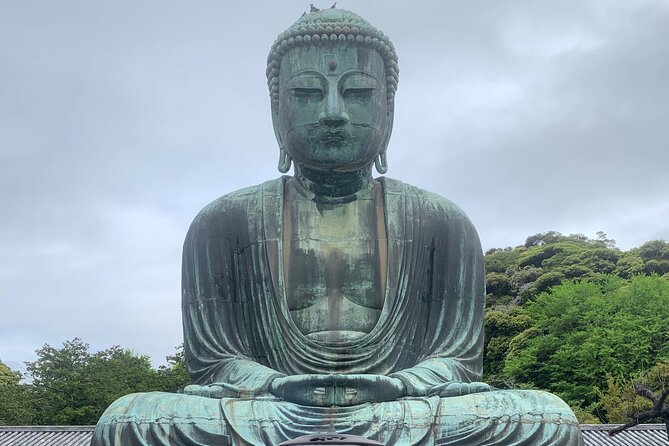
- Kotoku-in’s Great Buddha at about 13.35 meters tall, with a full set time to actually look
- Hokoku-ji bamboo grove as a calm Zen break from sightseeing streets
- Tsurugaoka Hachimangu and Hase-dera for shrine focus plus flower-season views
- Komachi Street shopping time that’s easy to use for gifts and snacks
- Optional swap stops: Enoshima by the sea or Yokohama Chinatown
Why this private day trip feels easier than DIY routes
Kamakura and Yokohama sit close enough on the map that you can string them together yourself, but the day can get annoying fast. You’re dealing with multiple train lines, station exits, and repeated walking just to reach one gate after another. With a private air-conditioned vehicle and a bilingual chauffeur, you get from spot to spot with less stress and more daylight left for photos.
The tour is sized for small groups—up to 6—so it feels like you’ve hired a local to drive and guide, not like you’re being marched. You also get bottled water, plus help taking pictures or video if you want non-selfie shots. It’s a small thing, but it matters when you’re standing in front of big temple architecture and everyone wants a good angle.
The Kamakura route: Great Buddha to bamboo calm
Your day starts with Kotoku-in Temple and the outdoor Great Buddha. This is the classic “wow” moment, with the bronze Amida Buddha standing roughly 13.35 meters tall on the temple grounds. You’ll get about 40 minutes here, which is enough time to walk around the viewing areas, get a sense of scale, and not feel rushed.
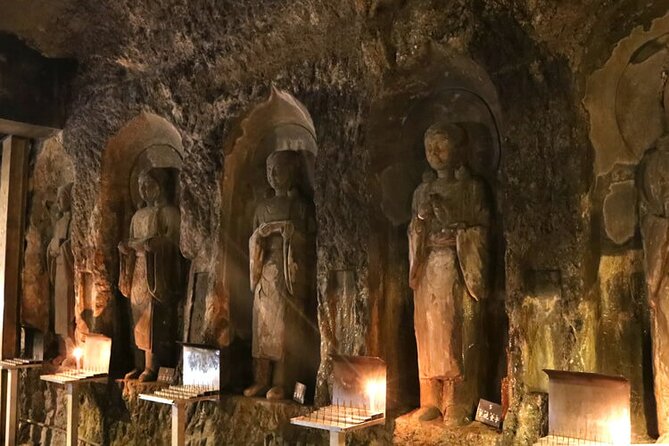
The biggest value of going with a guide is that you’re not just looking at a statue—you’re getting the why behind it. Abdul’s tour style (in the reviews) is the kind that makes temple stops stick: he explained the Buddha in a way that felt fun, and he answered questions without dodging the personal ones. If you’re the type who likes to understand what you’re looking at, that matters more than you might think.
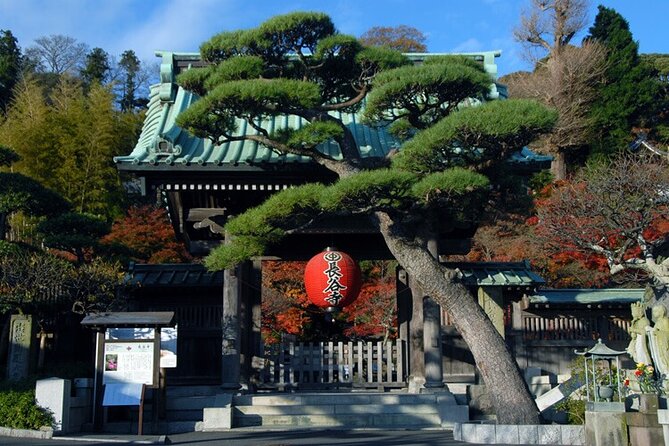
Next comes Hokoku-ji Temple and its bamboo grove. Expect about an hour here, and plan to slow down. The whole point is the contrast: you’re leaving the spectacle of a huge bronze landmark and stepping into a space built for quiet and Zen calm. If your schedule in Tokyo has you sprinting from one neighborhood to another, this is the palate cleanser.
Practical tip: bamboo groves are often a little slippery and shaded. Wear shoes you don’t mind getting slightly dusty, and take a few minutes just to stand still. It’s one of the few spots on the day where you can let the noise drop out.
Tsurugaoka Hachimangu: samurai-era meaning in a shrine setting
After the bamboo, you’ll head to Tsurugaoka Hachimangu Shrine. This is Kamakura’s most important shrine, dedicated to Hachiman, the patron deity of the samurai. You’ll usually get about an hour, which is enough time to understand the layout and not treat it like a checklist.
This stop is more than gates and incense smoke. The shrine is tied to the historical power shifts that made Kamakura matter in Japan’s story. When you know who Hachiman represents and why samurai culture latched onto that symbol, the whole place reads differently. If you’ve ever looked at a shrine and thought, I don’t know what I’m supposed to be noticing, a guide helps you spot the right details.
Hase-dera Temple: views, flowers, and the coast connection
Hase-dera comes next, with about 1 hour 30 minutes. It’s known for seasonal flowers and coastal views, which means your experience can vary by the time of year you go. Even if flowers are not at peak bloom, you still get the temple atmosphere plus the geography—this isn’t a flat inland stop.
This is also a good break from the heaviest walking days because you get time to take in viewpoints and the overall feel of the grounds. If you like photo stops that aren’t just “one perfect picture and run,” you’ll probably enjoy Hase-dera more than the ultra-fast itinerary types.
Komachi Street shopping time: snacks and souvenirs without rushing
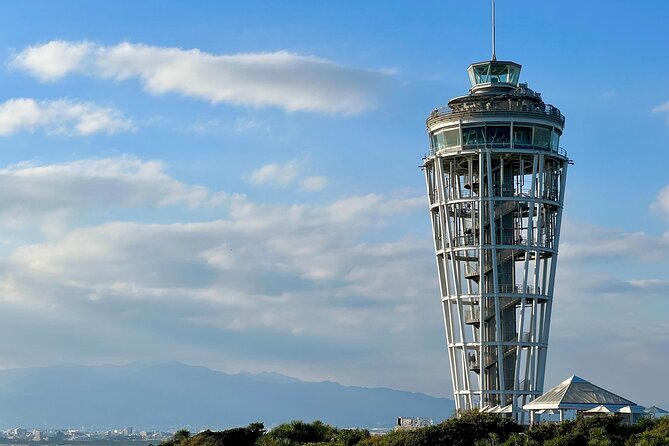
From there, you’ll have optional time for Komachi Street shopping (about 1 hour). This is one of the most convenient parts of Kamakura for gifts, snacks, and casual browsing. It runs from the entrance area of Tsurugaoka Hachimangu, so the flow makes sense: shrine first, then a stretch where you can actually spend time.
A guide can help here too, mainly by steering you toward what’s worth the stop. You’ll likely find plenty of small food items and souvenir options, but the time limit keeps it from turning into a full-day shopping detour. Use this hour like a reset button: grab something small to eat, pick up a couple of easy gifts, and move on with your energy intact.
Enoshima option: sea air when you want a change of pace
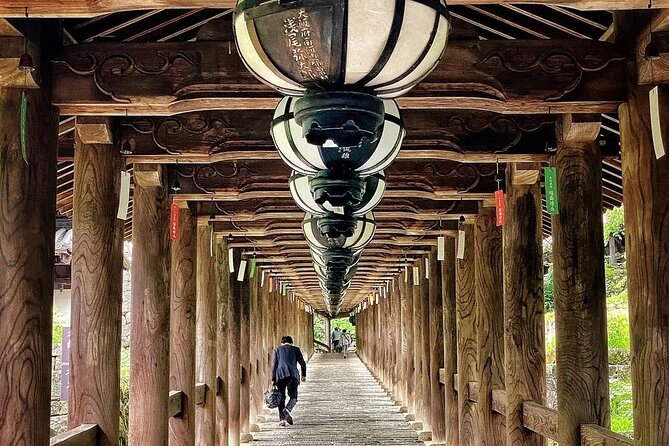
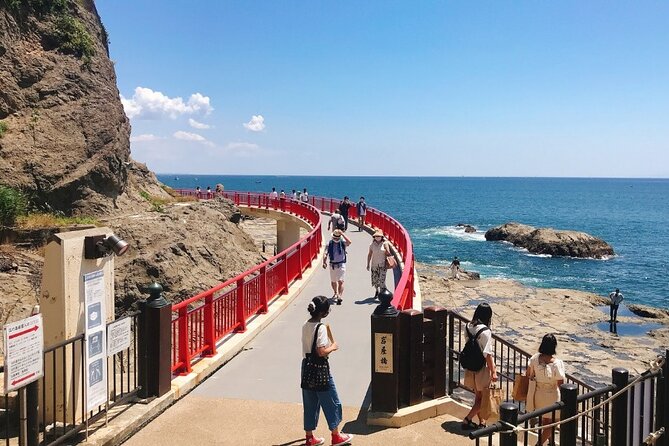
The itinerary includes Enoshima Island as an optional add-on (about 1 hour 30 minutes). Enoshima is a coastal escape near Kamakura, and it’s known for ocean views plus shrines and a seaside culture. If you want the day to shift from temples and streets into something with a sea breeze, this is the switch that does it.
Because Enoshima admission is not included, you’ll want to factor that cost into your day budget. Also, coastal areas can be weather-sensitive. If it’s foggy or rainy, you may find the views less dramatic than you hoped, so consider how much you care about scenery that day.
If you’re traveling in a group that includes both temple fans and people who need variety, Enoshima is usually a safe compromise.
Yokohama option: Chinatown 80 and the food-first atmosphere
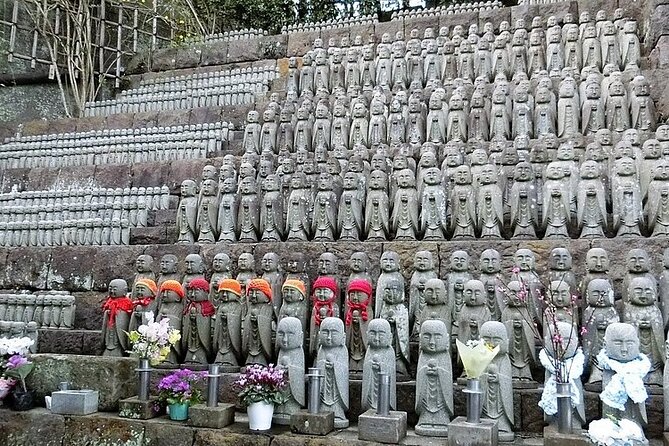
If you choose the Yokohama side option, you’ll likely spend about 1 hour 30 minutes in Yokohama Chinatown, also known as ChinaTown 80. It’s Japan’s biggest Chinatown, with a strong Chinese culture presence through shops, restaurants, and cultural spots.
This stop works well after Kamakura because it’s a different flavor of tourism. Instead of stepping through temple spaces, you’re strolling through food and street life. If you’re the type who likes to eat your way through cities, this is one of the more satisfying ways to end the day.
You’ll also appreciate that the group stays private. You can move at your pace, pause for pictures, or keep walking until you find a stall that looks good. With a car waiting and a guide coordinating timing, you avoid the common problem where everyone is ready to eat but the “real plan” is still 30 minutes away.
Price and logistics: what $435.71 buys you
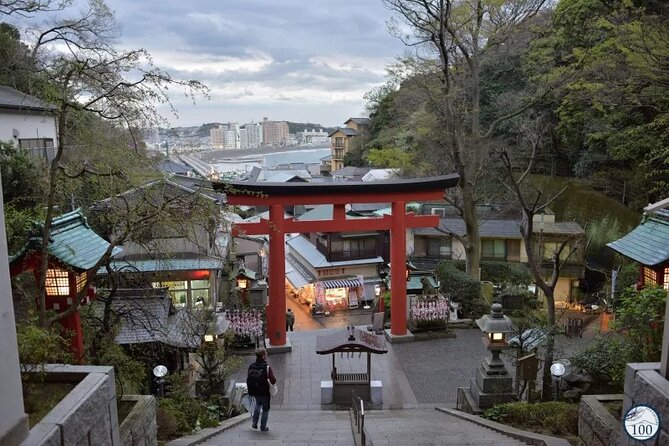
The price is $435.71 per group for up to 6 people, for an 8 to 10 hour day. That sounds high if you’re thinking per person without doing the math, but the value changes when you split it. In a group of 4–6, the cost per person often lands in the same zone as two or three paid attractions plus taxis, except here you’re also paying for a private bilingual chauffeur and an in-person English guide.
What you’re really buying is time and reduced friction:
- Fewer transport headaches than cobbling together trains and transfers
- Admission planning support (since key sights are not included)
- Built-in pacing with set stop times
- Help with photos/video, which is surprisingly useful for group shots
For solo travelers or couples, private transport can still be worth it if you strongly dislike transit stress, but you may want to compare against a DIY day if you’re comfortable navigating stations.
How long 8 to 10 hours actually feels on the ground
This tour is designed as a full day, and it usually works best if you arrive ready to walk a bit. Even with a vehicle doing the long connections, you’ll still spend time on foot around temple areas and shopping streets. That’s normal for Kamakura.
The smart part is that the schedule uses time blocks that match each location’s rhythm:
- Big landmark viewing first (Kotoku-in)
- Quiet nature stop next (Hokoku-ji bamboo grove)
- Shrine and temple stops with time to look (Tsurugaoka Hachimangu and Hase-dera)
- A practical shopping window (Komachi Street)
- One optional add-on depending on mood (Enoshima or Yokohama Chinatown)
If you try to do these places independently, you often lose time to transit and “where is the entrance” moments. Here, you spend that time looking.
Weather, tickets, and what to budget day-of
The tour requires good weather. That doesn’t mean every rainy day cancels, but you should be ready for the possibility of a schedule shift. Also, key admissions are not included:
- Kotoku-in Temple admission
- Hase-dera Temple admission
- Hokoku-ji Temple (Takedera Temple) admission
- Enoshima Island admission (if you select it)
So bring more than just your phone. Even if you hate carrying cash, you’ll want a payment plan for admissions. If you’re the kind of traveler who likes to know costs up front, build a buffer into your budget for those sites.
On the plus side, you do get a mobile ticket, and bottled water plus air-conditioning help make a long day more manageable.
Who this tour suits best (and who might skip it)
This works best for:
- First-time visitors who want Kamakura’s highlights without transit stress
- Small groups that want a driver plus an English-speaking guide
- People who care about the meaning behind the sights, not just the photos
- Travelers who appreciate a quiet break in a bamboo grove after busy streets
You might skip it if:
- You’re traveling solo on a tight budget and you’re happy with trains
- You want total spontaneity with no fixed pacing
- You don’t want to pay extra on top for admissions
Should you book this Kamakura and Yokohama private tour?
If you want a smooth day with real context—especially if you like learning as you go—this is an easy yes. The private format is the core advantage, and the guide experience stands out because it turns major stops into understanding moments. Abdul’s on-time, courteous approach and willingness to answer questions made the trip memorable for the people who reviewed it, and that’s exactly what you should look for in a guide.
Book it if you can afford private transport and you’ll likely share the cost with up to five others. If you’re going as a couple and you hate transit, it can still be a comfort purchase. If you’re purely budget-driven and love figuring things out on your own, compare the admission costs plus transport time first.
FAQ
Is this tour private or shared?
It’s a private tour/activity, so only your group participates.
How long is the Kamakura and Yokohama tour?
The duration is about 8 to 10 hours.
What’s included in the price?
Included items are an air-conditioned vehicle, private transportation, bottled water, fuel charges and parking fee and toll/tool charges, free picture taking or video making assistance, and an in-person English guide.
Which admissions are not included?
Admission/entry is not included for Kotoku-in (Great Buddha of Kamakura), Hokokuji Temple (Takedera Temple), and Hase-dera Temple. Enoshima Island admission is also not included if you choose it.
Does the tour offer pickup?
Yes, pickup is offered.
What happens if the weather is bad?
The experience requires good weather. If it’s canceled due to poor weather, you’ll be offered a different date or a full refund.