REVIEW · BERLIN
Berlin City Tour by Private Car
Book on Viator →Operated by EU ON TOUR · Bookable on Viator
Berlin can feel big and loud. This tour gives you the map fast.
In about 4 hours, you get a guided pass through major landmarks tied to reunification, Cold War tensions, and Jewish life in Germany. It’s private, done by car, and offered in English, so you’re not stuck reading plaques alone while half your day disappears in transit.
What I really like is the balance of “wow” sights and “stop and think” moments. You hit Brandenburg Gate and the Wall area, then you switch gears to the Memorial to the Murdered Jews of Europe, where silence matters. I also liked how the guide experience shows up in real ways, especially with Shadi, who’s described as caring, thoughtful, and an excellent driver—helpful if your group includes someone with mobility needs.
One thing to consider: the timing is tight. You’ll spend focused blocks at each key site, but it’s not a slow museum day. If you want to linger for photos and reading, you’ll likely want to plan a return visit after this tour sets your bearings.
In This Review
- Key things that make this tour worth your time
- Getting your bearings in 4 hours without the headache
- Potsdamer Platz: where Berlin reinvents a border strip
- Brandenburg Gate: the icon, the architecture, and the politics
- The Holocaust Memorial: where the guide’s pacing matters
- Alexanderplatz: a practical window into everyday Berlin
- Memorial of the Berlin Wall: more than a photo relic
- Checkpoint Charlie: the Cold War in one very specific place
- Jewish Museum Berlin: exhibitions that connect time and people
- What Shadi brings to the experience (and why that matters)
- Price and value: what $355.04 per person buys you
- Who this tour fits best
- Should you book this Berlin City Tour by Private Car?
- FAQ
- FAQ
- Is this a private tour?
- How long is the Berlin City Tour by Private Car?
- What language is the tour offered in?
- Is pickup included?
- Are admission tickets included for the stops?
- What happens if the weather is bad?
Key things that make this tour worth your time
- A private car route that keeps stops close together so you lose less time to Berlin traffic and station changes
- A guided walkthrough that connects landmarks instead of treating them like separate photo ops
- Shadi’s careful driving and attention to the group, including for guests with mobility issues
- A strong mix of Cold War sites (Berlin Wall, Checkpoint Charlie) and reflective history (Holocaust Memorial)
- Short, efficient stop lengths that work for first-time visitors who want the big-picture story
Getting your bearings in 4 hours without the headache
Berlin is a city of layers. Streets that feel modern sit on top of old borders, and a five-minute walk can turn into a half-day history lesson. This kind of private-car city tour helps because it compresses the “where do I start?” problem into a single plan.
The format matters. With a private group, you’re not squeezed into a random crowd schedule. And because it’s in English, you can ask quick questions and get context while you’re standing in the right place, not later after dinner.
You also get a nice rhythm: drive for orientation, then short site windows where a guide can point out the details you’d otherwise miss. It’s especially good if you want the classic Berlin highlights but you also care about why they matter.
Potsdamer Platz: where Berlin reinvents a border strip
Your day begins at Potsdamer Platz, a place that used to be part of the Berlin border zone and then became one of the city’s loudest symbols of change. It’s the kind of spot where you notice how Berlin can switch from tense to shiny in a heartbeat.
This area has a knack for superlatives. The site was once known as the largest construction project in Europe, and it later became the stage for major events like the Berlinale (the big public film festival) and huge concerts in the modern era. Even if you’re not chasing facts, the atmosphere gives you a clue: this is where Berlin likes to show the world it can build again.
What I’d do here is simple. Look around for the “old-meets-new” design language—then listen for the story about how a border area turned into a place for crowds, film, and big-city ambition. The ~40 minutes window is enough time to get oriented before you move on.
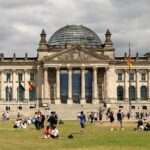
Brandenburg Gate: the icon, the architecture, and the politics
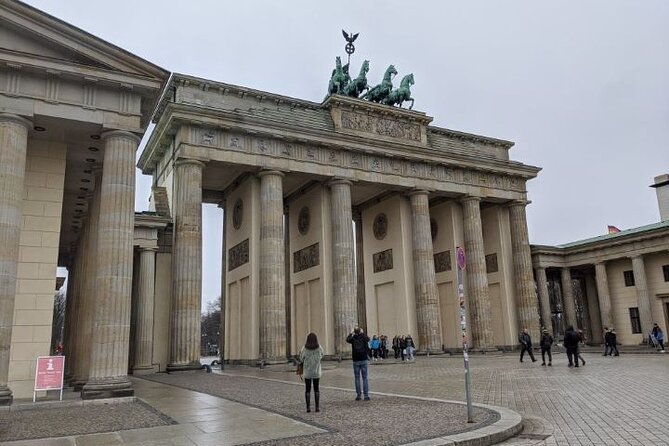
Next is the Brandenburg Gate, Berlin’s most photographed monument. It’s not just a photo stop—it’s a shortcut to understanding how power and symbolism worked in Europe for centuries.
The gate was built from 1788 to 1791 under the direction connected to Prussian King Friedrich Wilhelm II, using architect Carl Gotthard Langhans. It’s modeled after gateways from Athens, specifically the Acropolis style, with Doric columns that give it that strong, classical look.
Here’s the practical reason this stop is valuable in a tour like this: the gate sits at a crossroads of meanings. In one moment it can feel like “history textbook.” In the next moment it’s tied to modern freedom narratives. If you’re seeing multiple landmarks in one day, this one helps stitch the story together.
You also get about 40 minutes, so you can walk around, take photos, and still have time to understand what you’re actually looking at.
The Holocaust Memorial: where the guide’s pacing matters
Then the tour shifts tone at the Memorial to the Murdered Jews of Europe. This is the kind of stop where the best help isn’t a long speech—it’s timing, context, and the right pace.
The design creates a space for reflection, and the location—near major downtown sites—can trick you into thinking it’s just another landmark. It isn’t. This is where you’re meant to slow down and let the setting do its work.
In about 25 minutes, you can walk the memorial paths, read what you need, and step back to absorb what the guide is connecting it to: the importance of memory and the idea that forgetting leads to repetition. If you prefer quiet moments over constant commentary, this stop is usually a good match, as long as your group doesn’t rush.
Alexanderplatz: a practical window into everyday Berlin
Moving to Alexanderplatz shifts you from “monument day” into “city life day.” This is where Berlin feels lived-in, with the mix of classic city structure and big landmarks that still function today.
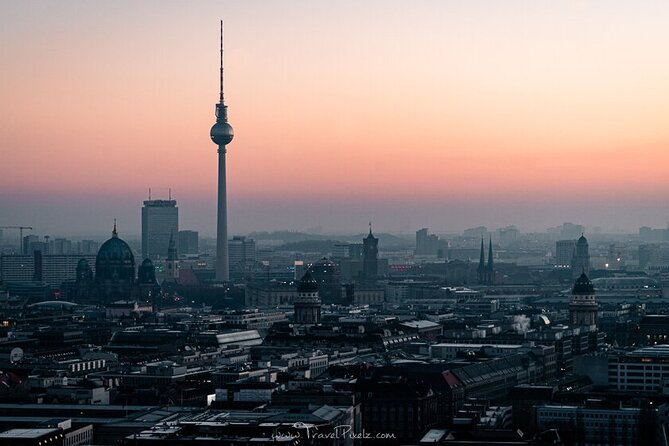
You get a look at nearby areas like Nikolaiviertel, where you’ll notice the cobblestone streets and the sense of an older Berlin mood. The tour also references the Fountain of Friendship between Peoples, Berlin City Hall, the Pleasure Garden, and big visual markers like the Berlin TV Tower and the Berlin World Clock.
The tour’s ~30 minutes at this stop is a useful reality check. You don’t have time to explore every street, but you do get enough time to understand what’s around you and what areas you might want to revisit on your own. If you want to build a “second-day plan,” Alexanderplatz is a strong place to do it because it’s central and packed with clues.
Memorial of the Berlin Wall: more than a photo relic
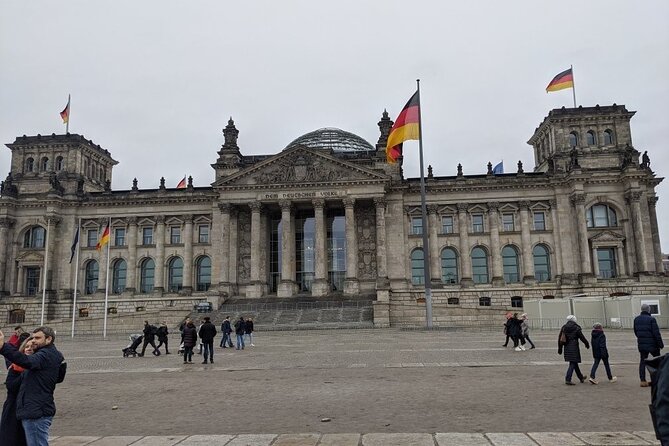
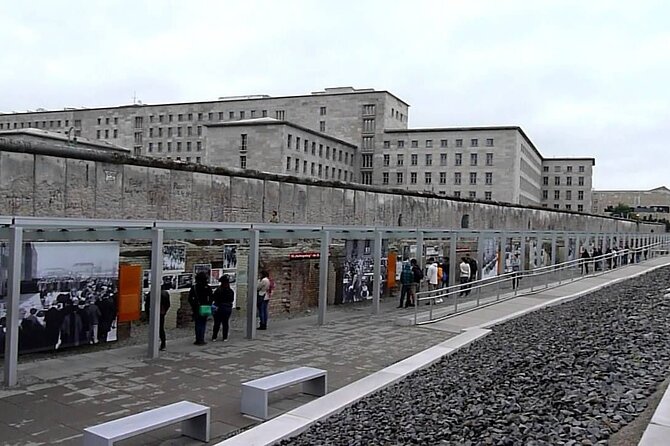
Next up is the Memorial of the Berlin Wall. Standing here, it helps to hear the Wall described as both a physical barrier and an ideological one. It was erected by the German Democratic Republic and functioned to prevent East Berliners from reaching the West, under the pressure and watch of major Western Allies.
What I find effective about this stop is that it gives you a straight line from divided streets to the choices people made. The tour treats it like a lesson you can walk through, not just a wall segment for selfies.
You’ll have about 30 minutes, which is enough to understand the basics, learn how to read the site, and then move on without your attention drifting. If you’re the type who likes to take photos, do it—but also take a minute to look away from your camera. The emotional tone is part of the experience.
Checkpoint Charlie: the Cold War in one very specific place
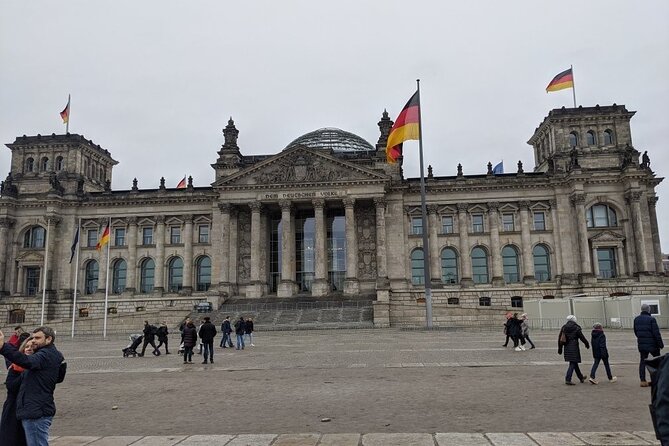
Then you hit Checkpoint Charlie, which is probably the most famous border crossing image in Cold War pop culture—and for good reason. It’s one of those places where history becomes concrete because you can picture the standoff without needing imagination.
The tour frames it as the most iconic crossing between East and West Berlin during the Cold War, tied to the Berlin Crisis in 1961, when American and Soviet tanks were part of a tense standoff. Even if you’ve seen the name before, standing there helps the words become real.
You get around 30 minutes here as well. That’s just enough to understand why this checkpoint symbolized the larger conflict, and to see it as a turning point in how East and West communicated and threatened each other.
Jewish Museum Berlin: exhibitions that connect time and people
The final major stop is the Jewish Museum Berlin. The museum’s focus is on special exhibitions and how they relate to history, current topics, and the work of Jewish creators. It’s not presented as a single-idea museum; it’s shown as a place where art and ideas help explain lived experiences.
The time given here is about 40 minutes, which is enough for a structured visit that still feels like you’re actually inside the museum rather than just passing through the entrance hall. If you’re curious about how Jewish life is represented across time in Germany, this stop adds a perspective that complements the Wall and Cold War sites.
One practical note: the tour information lists admission ticket free for the stops. Still, museum access can be tied to special exhibitions, opening conditions, or what you specifically want to see. If a particular exhibition is a must for you, you might want to check ahead so you don’t build expectations around just the overall museum name.
What Shadi brings to the experience (and why that matters)
A good city tour isn’t just a route. It’s what happens when you pause in the right place and someone explains what you’re looking at, in plain language.
Your guide here is Shadi, and the feedback is consistent: he’s described as a helpful, thoughtful, and caring guide who shares a lot of history in a way that makes the sites click. One review also highlighted that he’s an excellent, careful driver, which is a big deal in a private-car setup when you’re also trying to keep timing tight.
There’s also a nice extra: the tour can be a good option if you have mobility concerns. One group specifically mentioned that Shadi supported them, which is reassuring if you’re trying to plan a day that doesn’t become a constant struggle with long walks.
Price and value: what $355.04 per person buys you
At $355.04 per person for roughly 4 hours, this isn’t a budget “hop on a tram and survive” option. You’re paying for two things: private time with a guide and the convenience of a private car that links central sites efficiently.
For value, think in terms of stress saved. Berlin has a lot of transit options, sure, but bouncing between major sites while carrying bags, managing timing, and stopping for quick photos can eat your day. A private car route can reduce friction, especially if the weather is questionable or you’re traveling with someone who moves slower.
This tour tends to make the most sense when:
- You’re in a small group and can share the per-person cost
- You want a first-pass orientation with the major landmarks
- You’d rather spend energy learning the story than navigating logistics
If you’re solo and cost is your biggest concern, you might look at other group options. But if your priority is comfort plus a guided “big picture” day, the pricing feels more reasonable for what’s included.
Who this tour fits best
This is a strong choice for first-time visitors who want the headline Berlin stops without turning the trip into a study session at every corner. It also works well for people who like a mix of spectacle and reflection—because you get both the iconic monuments and the heavier history moments.
I’d especially consider it if:
- You want a guided overview rather than self-guided walking
- You prefer English interpretation on-site
- Your group has mixed mobility, and you want a plan built around access and pacing
If you’re the type who loves long museum stays, you’ll still enjoy the day, but you’ll probably want extra time later to return to the places that hooked you most.
Should you book this Berlin City Tour by Private Car?
I’d book it if you want a structured, first-time Berlin hit list with a guide who connects the dots. The biggest win is the way the day moves from modern Berlin energy at Potsdamer Platz to the Cold War spine of the Wall and Checkpoint Charlie, then balances it with reflection at the Holocaust Memorial and perspective at the Jewish Museum Berlin.
Skip it only if your perfect day is slow, deep museum time and long unplanned wandering. This tour is designed to cover ground and give you a clear story arc in a single afternoon. Once you’ve done that, Berlin becomes easier to explore on your own—because you’ll know what to chase next.
FAQ
FAQ
Is this a private tour?
Yes. It’s a private tour/activity, and only your group participates.
How long is the Berlin City Tour by Private Car?
The duration is about 4 hours.
What language is the tour offered in?
The tour is offered in English.
Is pickup included?
Pickup is offered.
Are admission tickets included for the stops?
The tour details list admission ticket free for the stops included.
What happens if the weather is bad?
The experience requires good weather. If it’s canceled due to poor weather, you’ll be offered a different date or a full refund.