REVIEW · HANOI
Sapa 3D2N Homestay and Hotel Experience by Limousine Bus
Book on Viator →Operated by Mountain Light Travel · Bookable on Viator
Rice terraces and village paths start early. This 3-day Sapa 3D2N setup ties together a modern sleeping bus, time in Sapa town, and a night in a Ta Van homestay, plus guided stops with ethnic communities along the way.
I especially like the balance: you get a comfortable 3-star base in Sapa town for one night, then you switch gears to an actual homestay night in Ta Van. It’s the kind of pacing that keeps the trip from feeling like nonstop bus and photos.
One thing to consider: you should have moderate physical fitness, because the route includes real walking days—about 6 km in Muong Hoa Valley and an 8 km hike morning for Giang Ta Chai—plus the homestay sleeping setup is shared (private rooms aren’t included).
In This Review
- Key things to know before you go
- From Hanoi to Sapa: sleeping bus comfort and a 6:00 am kickoff
- Sapa Town on Day 1: first sights, a proper lunch, and hotel check-in
- Muong Hoa Valley on Day 2: a 6 km trek plus Black H’mong village time
- Y Linh Ho: rice terraces and a Black H’mong community
- Lao Chai: longer village time and panoramic views
- Ta Van homestay night: dinner, local life, and shared sleeping reality
- Day 3 Giang Ta Chai: the Red Dao morning walk and what to pack for it
- Why this stop is worth the effort
- Meals, tickets, and the real value of $98
- How to pack (so the hikes feel manageable)
- Who this Sapa 3D2N homestay-and-hotel tour fits best
- Should you book this Sapa 3D2N by limousine bus?
- FAQ
- What does the tour include?
- What is the meeting time?
- What’s included for accommodations?
- Is the tour physically demanding?
- How big is the group?
- What transport do you use?
- What’s not included in the price?
- Can I cancel for a refund?
Key things to know before you go

- Round-trip sleeping bus with modern facilities cuts down on transport stress between Hanoi and Sapa
- Hotel in Sapa town + homestay in Ta Van gives you comfort first, then local life
- Muong Hoa Valley trek (about 6 km) is built for views and village context, not marathon fitness
- Village visits with Black H’mong and Red Dao communities focus on daily life, clothing, and farming
- An English-speaking guide can make or break the experience, and guides such as Phinh and Thao Thi are highlighted for being friendly and attentive
- Max 50 travelers helps keep the group manageable and the pace realistic
From Hanoi to Sapa: sleeping bus comfort and a 6:00 am kickoff
This trip runs on an easy-to-understand rhythm: you travel by sleeping bus between Hanoi and Sapa (and back), then you spend your daylight hours trekking and visiting villages. The big practical win is that the long distance is handled for you, instead of cobbling together bus schedules on your own.
A pickup is offered, and the experience start time is listed as 6:00 am, so plan your morning like you would for a day trip—early, prepared, and not expecting to roll out of bed leisurely. If you’re sensitive to early wake-ups, this is the one part that can feel a little sharp.
The tour also uses a mobile ticket, which is handy if you like everything in one place. And with a maximum group size of 50, you’re less likely to feel like you’re fighting a crowd just to hear your guide.
Sapa Town on Day 1: first sights, a proper lunch, and hotel check-in
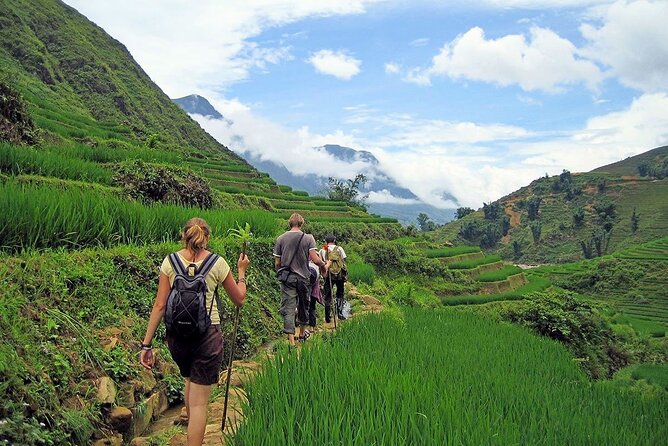
Day 1 is your settling-in day. You arrive in Sapa town, and you’ll get your first close-up look at traditional clothing from ethnic groups such as H’mong, Dzao, and Tay. In Sapa town, clothing matters more than you’d think—people wear it for daily life and community visibility, so you’re not just watching a performance.
You also have lunch included, with local Vietnamese dishes. This matters because Sapa can be pricey and confusing on your first day; having lunch handled means you spend your energy on the fun part—walking around and orienting yourself—rather than hunting for food.
After lunch, you’ll check into a 3-star hotel in Sapa town for one night (two people sharing per room). This is a smart structure for most visitors: you get a real bed and a shower before the hiking days start. If you’re thinking you might feel cold or tired in the mountains, this hotel night is your buffer.
Possible drawback: because Day 1 is built around arrival and orientation, you might feel like you’re still in the “getting ready” phase—then Day 2 hits with walking.
Muong Hoa Valley on Day 2: a 6 km trek plus Black H’mong village time
Day 2 is the day you’ll remember for the walking. You start trekking about 6 km to the southeast of Sapa along the slopes of Muong Hoa Valley. The route is positioned as a scenic, moderate trek (two hours on the schedule), which is a good sign if you want exercise but not a whole-day grind.
Here’s how I’d think about this part: the trek is not just about reaching a point. It’s about moving slowly enough that you can take in daily farming rhythm and valley views, and then turning that into cultural context when you reach villages.
Y Linh Ho: rice terraces and a Black H’mong community
Next stop is Y Linh Ho, scheduled for about 1 hour and listed as included. This village is home to the Black H’mong ethnic group, and the experience description highlights rice terraces and the rural mountain way of life.
If you like village visits where you can actually slow down and look closely, Y Linh Ho is a good length. One hour is enough time to get your bearings, chat (through your guide), and understand what you’re seeing without feeling rushed.
Lao Chai: longer village time and panoramic views
Then comes Lao Chai for around 2 hours. It’s described as a traditional village of the Black H’mong people, with daily farming activities and panoramic views toward Hoang Lien Son.
Two hours gives you room for the most useful kind of travel moment: watching people do everyday things while your guide explains what they’re doing and why. You’ll also likely do more “look and learn” than “pose for photos,” which is a better use of time if you want something authentic.
What could trip you up here: weather. Sapa can be damp and chilly, and trekking on slopes means you’ll want good traction. If you show up in worn shoes, your comfort will drop fast, even if the distance sounds manageable on paper.
Ta Van homestay night: dinner, local life, and shared sleeping reality
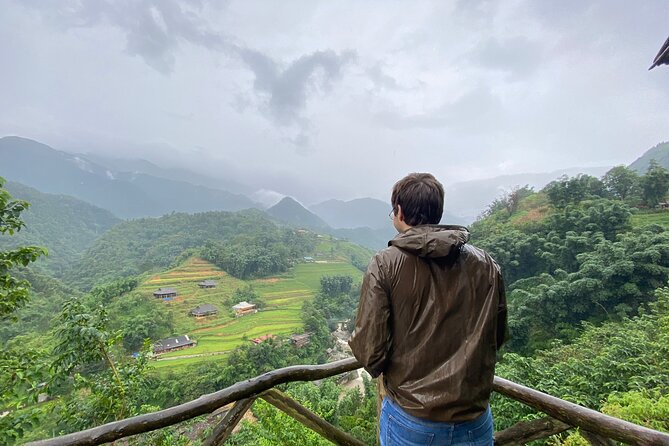
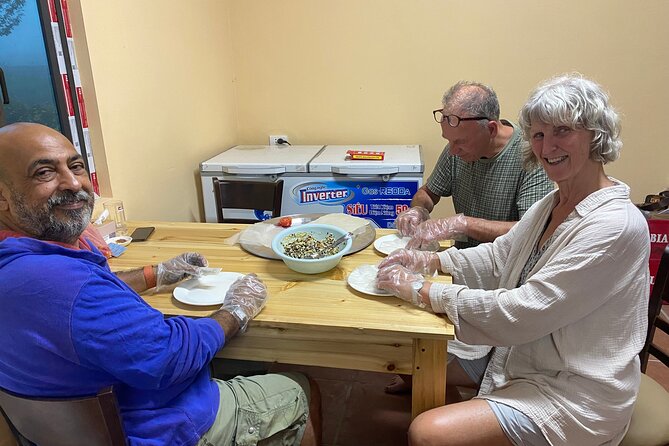
After Day 2, you sleep in Ta Van village for one night. The homestay package includes dinner, and it’s the other half of what makes this tour feel real instead of staged.
The homestay detail that matters most for your expectations: private rooms at the homestay aren’t included. That means you should expect shared sleeping arrangements. If privacy is a must, you’ll want to think hard before booking or ask if upgrades are possible (the listing only states that private rooms are not included, not that they are impossible).
Still, the trade is usually worth it. A homestay night in Ta Van is where the trip shifts from sightseeing to human-scale experience. You’ll likely see how families manage the evening routine—food preparation, sleeping arrangements, and the simple flow of time in a mountain village.
Practical advice: bring a small supply kit for the night—headlamp or small flashlight, basic toiletries, and a light layer you can sleep in. Homestays can vary, and the comfort boost from being prepared is huge.
Also, don’t treat the homestay like a hotel. You’ll get the best experience if you keep your voice low, ask before taking photos, and follow your guide’s cues.
Day 3 Giang Ta Chai: the Red Dao morning walk and what to pack for it
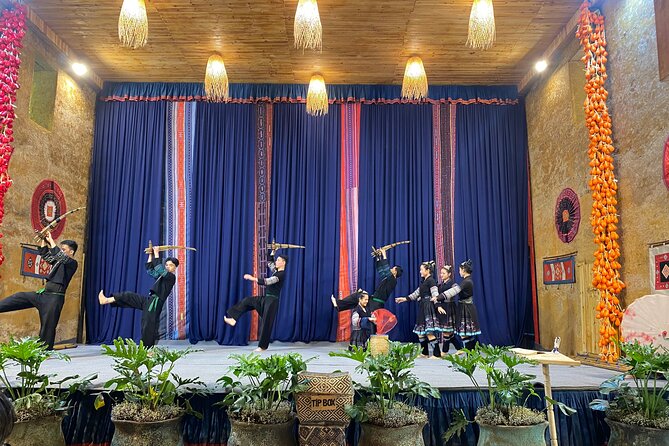
Day 3 focuses on Giang Ta Chai Village, with a scheduled 3-hour block and an 8 km walk in the morning. The plan labels Giang Ta Chai as a village of the Red Dao people, and it positions this stop as one of the attractive places for travelers who want to experience the area firsthand.
The only “watch this” item here is that the wording mixes timing: it mentions visiting two places in the morning of the second day, while Giang Ta Chai is listed under Day 3. Don’t panic—this happens in tour descriptions sometimes. But it does mean you should be ready for an early, active start on the day your schedule includes Giang Ta Chai.
Why this stop is worth the effort
An 8 km walk is the longest stretch on the itinerary, so you’ll want a reason beyond checking a box. The itinerary’s value here is the village connection: you’re walking in the same region where communities rely on mountain agriculture, and your guide can connect what you see to daily routines and traditional dress.
For many people, this is when Sapa stops feeling like a destination and starts feeling like a lived-in place.
Packing reality check: day three walking means you’ll want your feet happy from the start. If your Day 2 shoes are rubbing, you’ll feel it. Bring blister care if you tend to get them, and make sure you have a warm layer even if the morning looks bright.
Meals, tickets, and the real value of $98
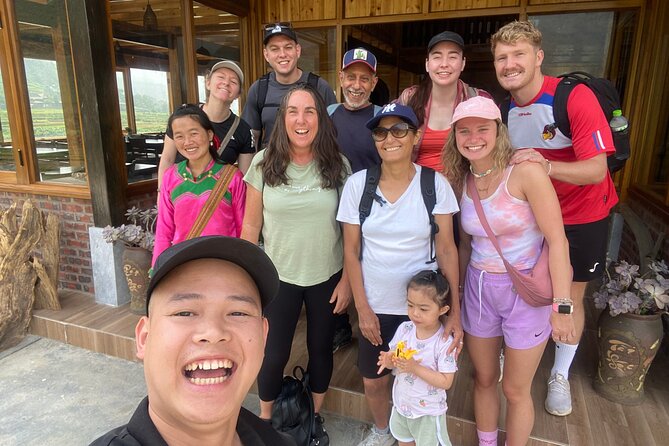
At $98 per person, this tour is priced like a budget-friendly way to get a lot handled for you. But the real question is what you’re buying with that money: transport, sleeping arrangements, meals, and access.
Here’s what’s included:
- Sleeping bus ticket Hanoi–Sapa–Hanoi with modern facilities
- 1 night in a 3-star hotel in Sapa town, based on two people sharing per room
- 1 night in a homestay in Ta Van village
- Breakfast (2)
- Lunch (3)
- Dinner
- All entrance tickets listed in the itinerary
- English-speaking tour guide
- Pickup offered and mobile ticket
What’s not included:
- Government tax
- Beverages
- Single supplement
- Tips
- Private rooms at the homestay
So where’s the value? If you tried to assemble this yourself—round-trip transport, hotel + homestay, and guided village stops with entrance fees—you’d likely spend more than $98 once you factor in convenience. Also, the guide is doing real work: translating, pacing the day, and connecting the dots between scenery and village life.
One more value point: the itinerary is built around short, scheduled village blocks rather than vague “see a market” time. That tends to make the day feel structured and less chaotic.
How to pack (so the hikes feel manageable)
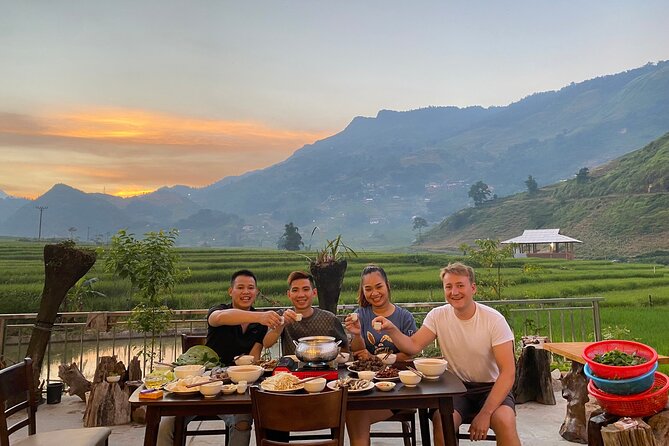
Your fitness needs are described as moderate, and the walking distances support that. To make the walking days feel good instead of miserable, focus on comfort and warmth.
Bring:
- Good traction shoes (mud and slope are the usual suspects in Sapa)
- Layers: a warm top plus a rain layer you can trust
- A small daypack for water and snacks
- A headlamp or small flashlight for the homestay evening
Plan around the village stops:
- Keep a respectful tone and follow your guide’s instructions
- Bring small cash for any drinks or extras you want, since beverages aren’t listed as included
- If you like photos, expect to ask before you shoot close-up portraits
Also, remember that you’ll be moving between altitudes and weather conditions. The mountain can feel colder in minutes.
Who this Sapa 3D2N homestay-and-hotel tour fits best
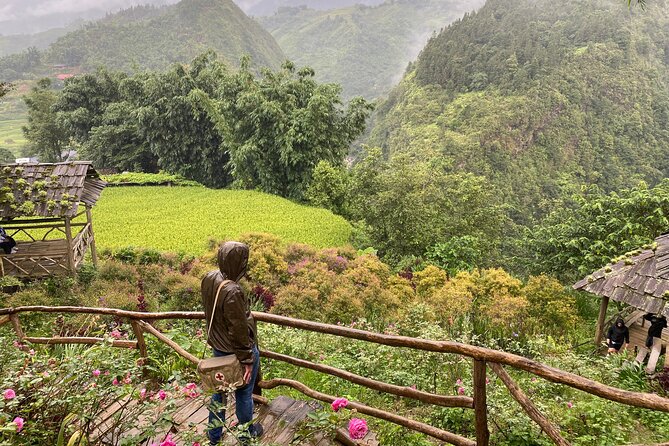
This is a strong match for you if you want:
- Guided village trekking with time to actually see daily life
- A mix of hotel comfort and a real homestay night
- An itinerary that handles meals and entrance fees so you can focus on the route
It’s less ideal if:
- You want lots of privacy at the homestay (private rooms aren’t included)
- You hate walking days or aren’t comfortable with a moderate fitness level
- You prefer fully flexible, do-what-you-want scheduling (this plan is structured for a reason)
One more note from the guiding style you can encounter here: guides such as Phinh and Thao Thi are highlighted for being friendly and attentive, with a focus on explaining local practices and traditions clearly. That kind of guide can turn village visits from just scenery into understanding.
Should you book this Sapa 3D2N by limousine bus?
Book it if you want the Sapa experience that blends transport convenience with real mountain village time. The biggest strengths are the sleeping bus that connects you to the region, the comfort of a Sapa town hotel night, and the Ta Van homestay plus guided stops that give context—not just views.
Skip or reconsider if your priorities are privacy, low walking, or total freedom. The itinerary includes an 8 km morning and shared homestay sleeping, so you should be honest about your comfort needs before you say yes.
If you’re the kind of traveler who’s happy trading a bit of creature comfort for a more lived-in Sapa feel, this is a solid value at $98—especially since meals, entrance tickets, and an English-speaking guide are part of the package.
FAQ
What does the tour include?
The package includes dinner, 1 night at a 3-star hotel in Sapa town (two people sharing per room), 1 night at a homestay in Ta Van village, sleeping bus tickets Hanoi–Sapa–Hanoi with modern facilities, all entrance tickets listed in the itinerary, an English-speaking tour guide, breakfast (2), and lunch (3).
What is the meeting time?
The start time is listed as 6:00 am.
What’s included for accommodations?
You get 1 night in a 3-star hotel in Sapa town (two people sharing per room) and 1 night in a homestay in Ta Van village.
Is the tour physically demanding?
You should have a moderate physical fitness level. The schedule includes trekking of about 6 km and a later walk of about 8 km.
How big is the group?
The maximum group size is 50 travelers.
What transport do you use?
You travel by sleeping bus with modern facilities between Hanoi and Sapa (and back). Pickup is also offered, and the tour description mentions a limousine bus experience.
What’s not included in the price?
Not included are government tax, beverages, single supplement, tips, and private rooms at the homestay.
Can I cancel for a refund?
Yes. You can cancel up to 24 hours in advance for a full refund. If you cancel less than 24 hours before the start time, the payment is not refunded.