REVIEW · HANOI
From Hanoi: 2-Day Sapa Limo Bus Tour & Fansipan Peak Visit
Book on GetYourGuide →Operated by Go Asia Travel · Bookable on GetYourGuide
Sapa feels worlds away in just two days. I love the Lao Chai Ta Van trek and the big-ticket Fansipan Peak cable car-and-steps experience. The one caution is weather: fog and wind can steal some of the view right at the top.
What makes this tour work is the structure. You get limousine bus comfort for the Hanoi–Sapa stretch, a local English-speaking guide for the village portion, and planned meals so you’re not stuck hunting for food with limited time.
It’s also a pretty packed two days. The Fansipan climb (600 steps) happens without a guided escort once you reach the cable car area, so you’ll want to pace yourself and bring the right gear for altitude and cold.
In This Review
- Key points to know before you book
- Hanoi to Sapa by limousine bus: what the ride is really like
- Day 1: Lao Chai Ta Van trekking with rice terraces and real village life
- Day 2: Fansipan by cable car, 600 steps, and the pagoda on top
- Sapa free time: using your own afternoon wisely
- Hotel and included meals: what to expect from the 3-star stop
- Price and logistics: what’s handled, what costs extra, and why the package can be worth it
- Packing and money tips that prevent headaches in Sapa
- Should you book this 2-day Sapa limo bus and Fansipan tour?
- FAQ
- What’s included in the tour?
- Is the Fansipan cable car ticket included?
- How long is the cable car ride to Fansipan?
- How much trekking and climbing should I expect?
- Will I have an English-speaking guide during the trek?
- What meals are covered during the two days?
- Do I need cash in Sapa?
Key points to know before you book
- Lao Chai Ta Van trek is the heart of Day 1, with rice-terrace walking and a local guide
- Fansipan by cable car saves time, but you still face 600 steps to the peak
- Expect self-guided time up at Fansipan after the cable car ticket is handled with driver support
- Sapa time is real free time, not just a quick stop before the bus
- Meals are included, but quality can vary between set menus and hotels
- Cash matters in Sapa, and the cable car ticket is paid separately
Hanoi to Sapa by limousine bus: what the ride is really like
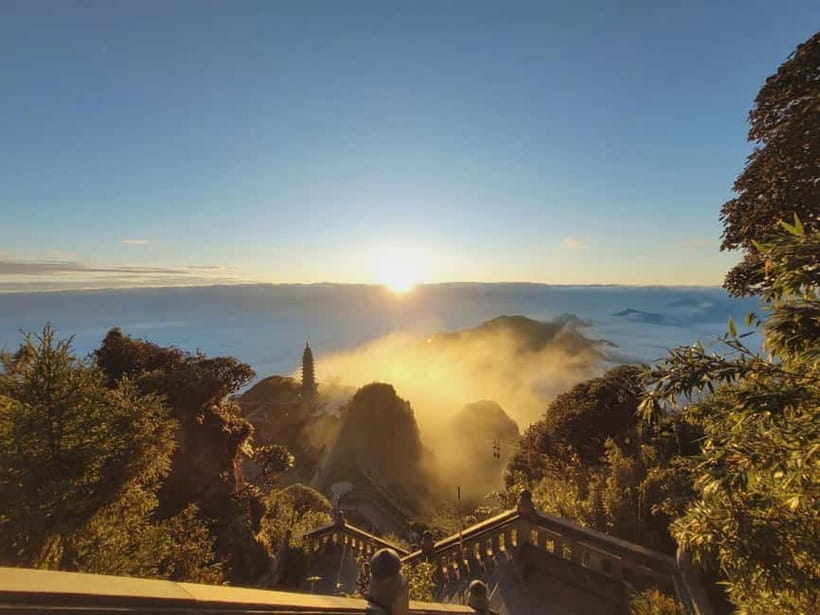
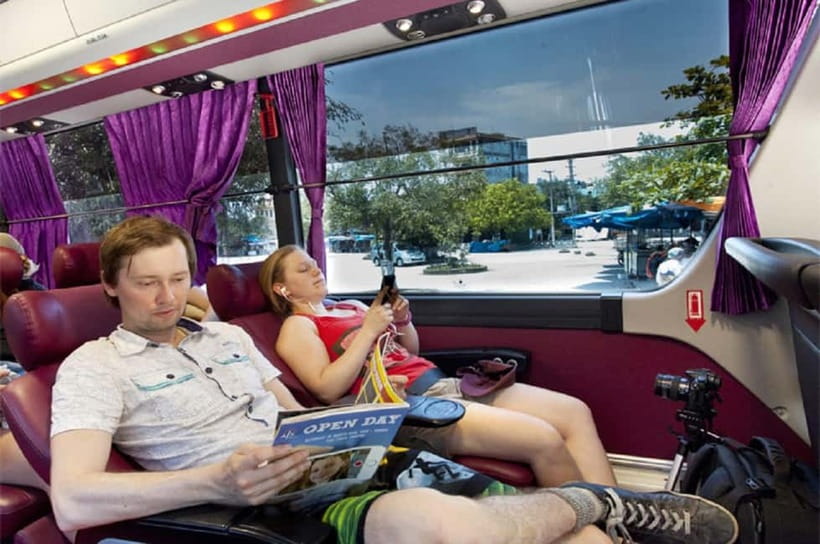
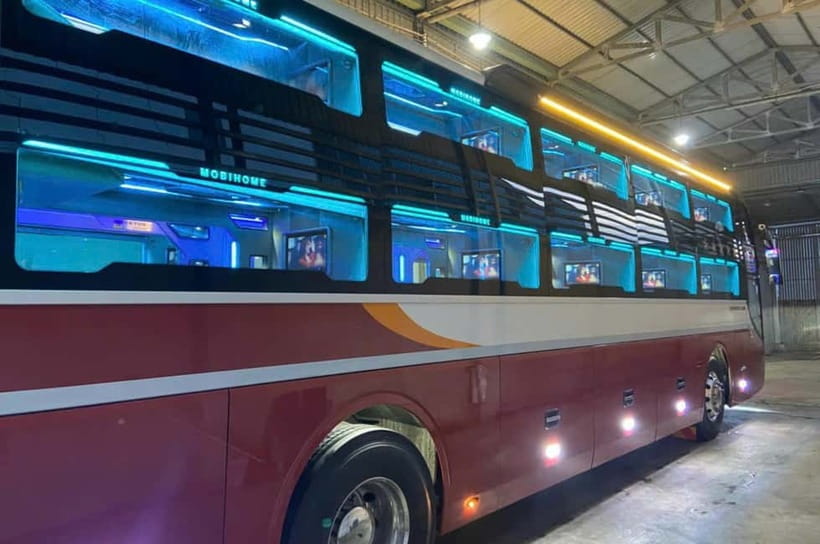
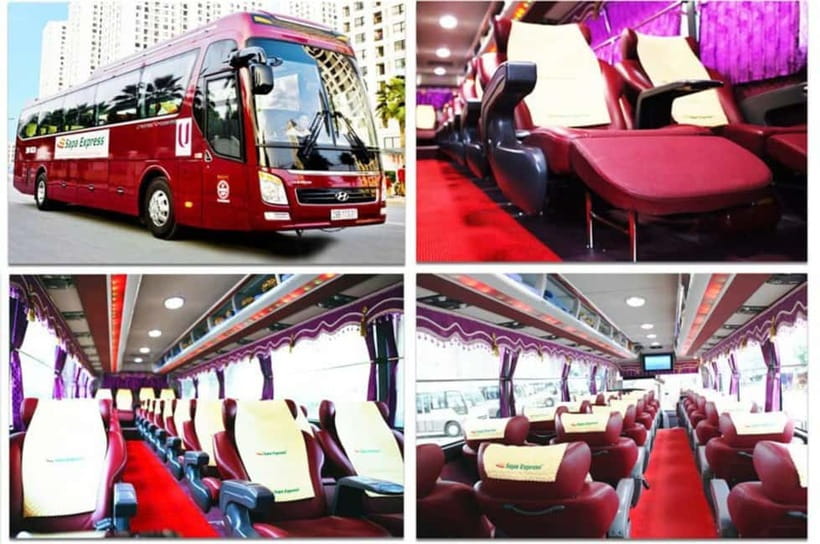
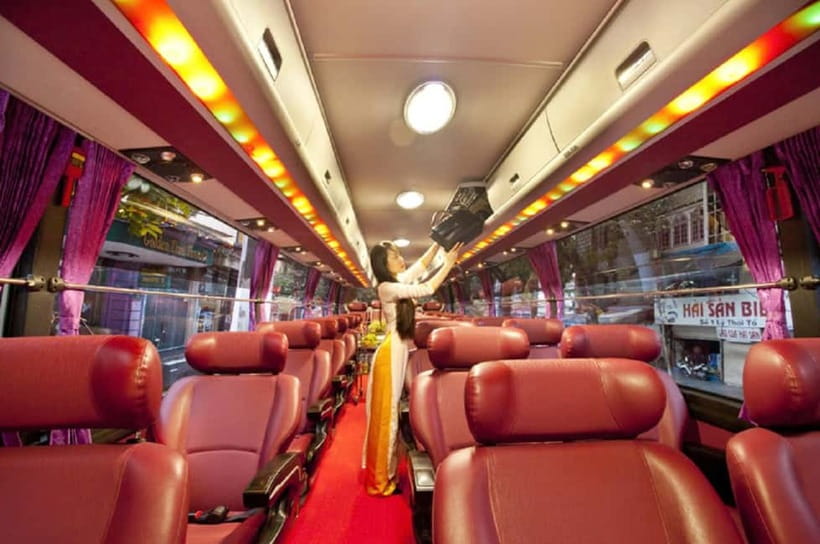
This is the kind of trip that starts with a long road segment, so bus comfort matters more than you might think. You leave Hanoi early and ride a limousine-style bus that’s designed to feel more relaxed than a basic coach. There are also scheduled breaks on the way, including stops in Phu Tho Province and Lao Cai City, before you reach Sapa town.
In reviews of this route, many people travel with a sleeper-bus setup (some upgrades include individual cabins where you can lie down). The upside is obvious: you turn part of the journey into rest. The trade-off is smaller space—if you’re tall, you’ll feel it more in standard sleeper layouts. Some sleeper configurations also involve restroom stops where you may need small Vietnamese cash notes, so don’t show up with only large bills.
One more reality check: the Hanoi–Sapa road is long enough that the mood on board can vary. Most departures are well organized, but a few reports note rougher bus behavior—extra delivery stops, unclear break timing, or drivers who don’t communicate much at stops. You can reduce the stress by having your own plan: water ready, a light snack, and your biggest priority items (phone charger, meds, tissues) within easy reach.
If you want a low-effort way to get to Sapa without planning transport and hotel yourself, this bus leg is a big part of the value.
Day 1: Lao Chai Ta Van trekking with rice terraces and real village life
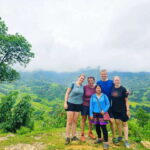
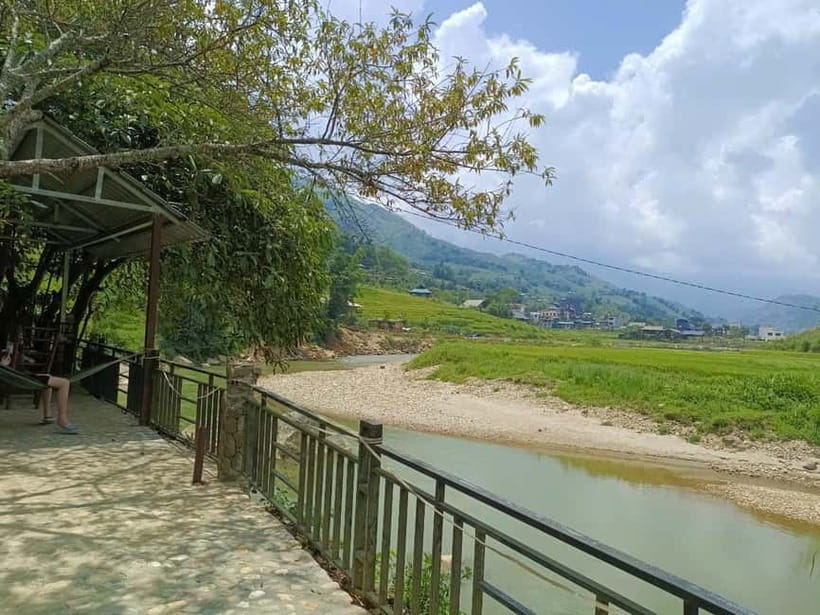
Day 1 is built around walking—gentle-to-moderate, but still outdoors and still at altitude. After lunch in Sapa, you head into the mountain area for a trek through rice terraces and along the Muong Hoa Stream. The trail leads you into the Black Hmong village area of Lao Chai, surrounded by the Hoang Lien Son Mountain range.
What I like about this kind of village day is that it’s not just photo stops. You’re guided by a local English-speaking guide, and the goal is to understand daily life—how people live up here, how the community organizes work and routine, and what the landscape means to their way of making a living. In past departures, guides have been named Song, Susu, Lô, and other local hosts—so the storytelling often comes from someone who actually belongs to the story, not just someone reciting general facts.
Pace matters. On this route, the trek is often described as about just over three hours at a leisurely pace, with frequent photo pauses. That means you’re not trying to “win” the mountain; you’re moving steadily, stopping often, and taking in how the village and terraces work together. Still, bring insect repellent and plan for damp or cool air if the sky is overcast.
The cultural side is the main reason to choose this tour over a faster bus-only day. You’ll meet locals and see the rhythm of mountain life up close. The one possible drawback: some lunch or village-area experiences can feel intense if you’re sensitive to what rural life can include. One group reported seeing a pig being slaughtered near their lunch restaurant, which is a strong reminder that this isn’t a staged theme park.
If you can handle that level of realism, the trek day is the most meaningful part of the overall package.
Day 2: Fansipan by cable car, 600 steps, and the pagoda on top
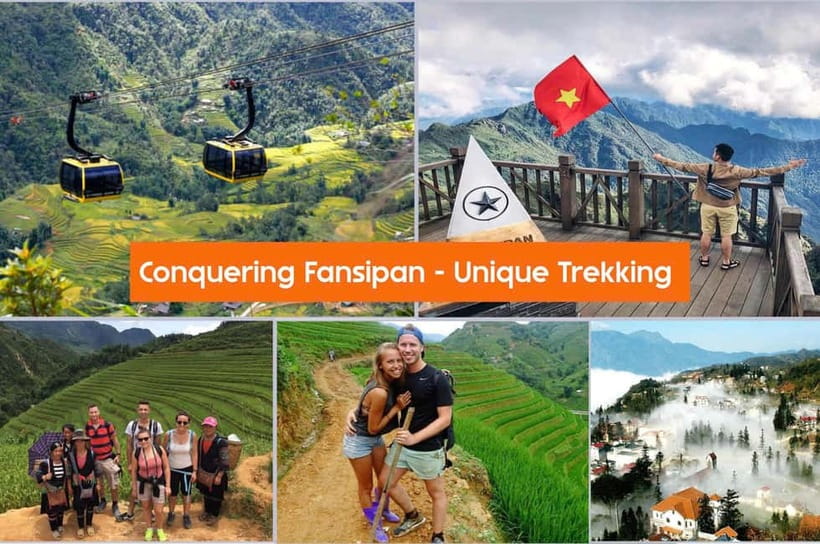
Fansipan is why many people sign up, and this tour gives you a smart mix of speed and challenge. You transfer to the cable car station and your driver helps with buying the cable car ticket. Then it’s a self-paced cable car ride of about 20 minutes up to the peak area.
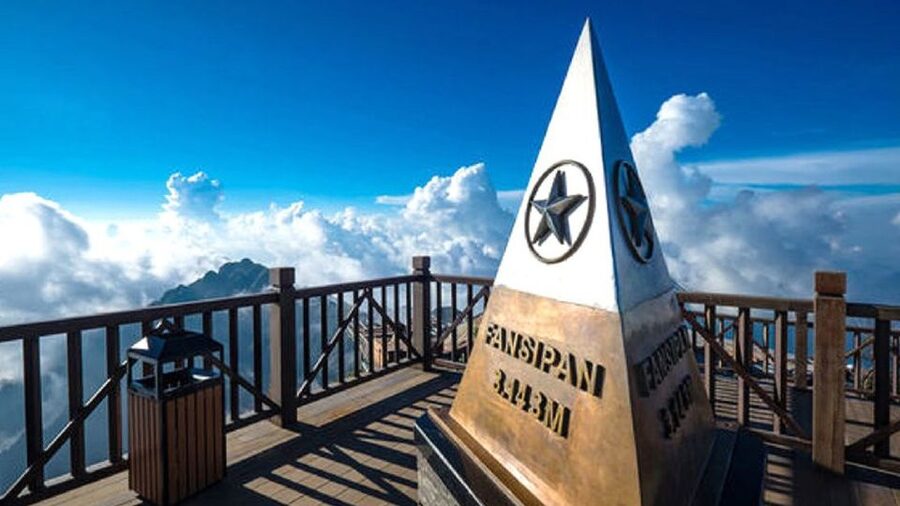
Once you’re up there, the experience becomes physical. You’ll admire the scenery, visit the pagoda area, and then climb 600 steps to the peak, known as the Roof of Indochina. Expect it to feel harder than you think—not because the steps are technical, but because you’re at high altitude (people report feeling a bit giddy around 3400 meters). Rain and wind can also make the climb feel slippery and strenuous, and the top can get cold fast.
The view is the big variable. On clear days, Fansipan can look otherworldly. In bad weather, fog can erase the distance and you might not see much beyond the immediate surroundings. Even then, it’s still worth going for the peak atmosphere: temple spaces, wind on your face, and that real sense of reaching the top.
There’s also a practical note: one review mentioned a monorail option for visitors who don’t want to walk all 600 steps. If you know steps are your weakness, ask at the peak area about options once you arrive, since your cable car entry is only part of the overall route.
Crowds can happen too—Fansipan is famous—so plan to go at an easy pace and expect people around the key viewpoints. If Fansipan is closed for maintenance on your specific day (it has happened on some departures), substitution has been reported, including switching to places like the Glass Bridge. That doesn’t replace Fansipan for most people, but it keeps the tour moving.
Sapa free time: using your own afternoon wisely
After you come back down from Fansipan, you’ll have lunch and then real time to explore Sapa on your own before heading back to Hanoi. This is important. Sapa is small enough to wander, but good enough to enjoy without a rigid schedule—markets, cafés, viewpoints, and local street life.
What you can do with this free time depends on your weather. If clouds are low or the sky is drizzly, you may prefer indoor stops or short loops near town. If it’s clear, you’ll want to walk to viewpoints and take advantage of that Sapa “sea of clouds” feel people talk about.
The tour’s value here is that you’re not forced to cram everything into Day 1. You get one day to see village life with a guide, and another block of time to relax and explore town at your own rhythm—no constant calling of group members, no rush to check off one more stop.
If you’re shopping, go easy on the bargaining energy. You’ll get more joy by spending your attention on the little details: how locals move, what’s being sold, and how Sapa feels in the evening after the day tours thin out.
Hotel and included meals: what to expect from the 3-star stop
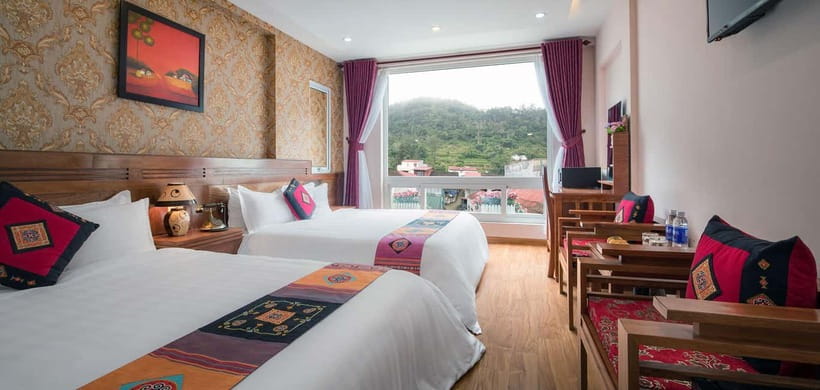
You’ll sleep in a 3-star hotel on a twin-sharing basis, and meals are included: two lunches and one dinner, plus breakfast. In many stays, the hotel is described as clean and convenient—often close to the market/night market area, which matters because it keeps your evening choices simple.
That said, the quality isn’t uniform. Some people love specific hotels, like stays at places such as The View Sapa Hotel, with spacious rooms and added perks (some mention a swimming pool). Others describe rooms as basic and point out practical issues such as towels being hard to find or limited toiletries (one report noted no toilet paper). Wi-Fi can also be inconsistent.
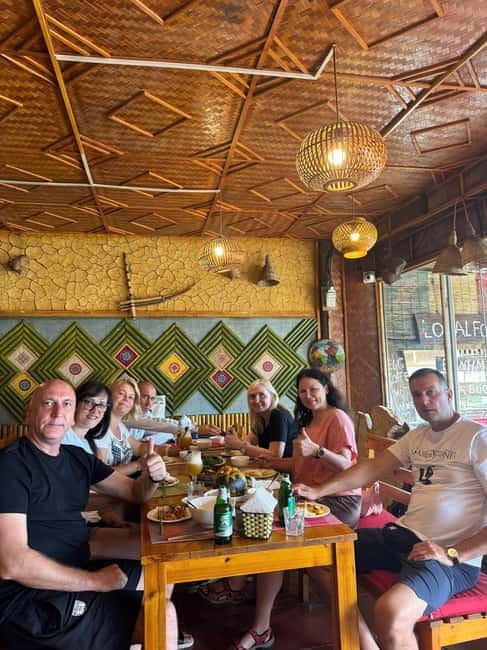
Food is the most mixed category. Many meals are described as basic, good, or decent given the package format. But you’ll also see blunt feedback that set-menu meals weren’t great. The lesson for your planning: don’t build your food expectations around fine dining. If you know you’re picky, bring a simple snack you enjoy and keep a backup plan for one meal outside the package.
The good news is that the included meals reduce decision fatigue. After a trek day and a peak day, you don’t want to be deciding where to eat while your legs are doing the thinking. This tour handles those meals for you, even if the style varies by departure.
Price and logistics: what’s handled, what costs extra, and why the package can be worth it
This tour bundles the big-ticket logistics: round-trip bus between Hanoi and Sapa, a hotel bed, meals, and the Day 1 village guide with transfers tied to the scheduled activities. It also includes entrance support for Lao Chai Ta Van and a local English-speaking guide for the village portion. Those items are exactly what make DIY planning annoying—booking transport, lining up a proper guide, and coordinating how you get to the right places on time.
What you pay separately:
- Fansipan cable car ticket: about 35 USD per person, paid on arrival (as reported in the tour data you provided)
- Holiday surcharge: an extra 700,000 VND per person on specific dates (April 30, May 1, Sep 1–3, Dec 24–31, and Jan 1, 2026)
The value question is simple. If you’d otherwise need to solve everything—bus schedules, hotel choice, village guide timing, and the peak cable car—this package usually costs less hassle than assembling it all yourself. You trade a bit of flexibility for coordination and peace of mind.
There is one more logistics detail that affects the whole experience: luggage. You can store your luggage in the bus trunk during the trip, then keep it at your hotel in Sapa and start the trek without hauling everything uphill. That’s not glamorous, but it makes the day feel easier.
Finally, note the tour is built for a fast rhythm. You’re not paying for a slow, lingering Sapa week. If you hate tight schedules, you might feel rushed. If you like a clean plan that gets you to both village life and the top, it’s a strong fit.
Packing and money tips that prevent headaches in Sapa
This is a mountain town. Small gear choices turn into big comfort.
Bring:
- Trekking shoes (non-negotiable if you want secure footing)
- Sunglasses and sun cream (even when clouds are around)
- Insect repellent
- Medication you might need
- Cash in Vietnamese Dong (Sapa banking can be unreliable)
- A plan for cold at Fansipan: the peak area can be chilly, so a jacket is a smart idea
Money-wise, you’ll want Vietnamese Dong for everyday situations, but one useful detail is that US dollars, Euros, and Australian dollars are accepted in Sapa. That reduces the risk if you arrive with the wrong cash mix.
Also, consider altitude. Even when you pace yourself, the combination of steps and thin air can make you feel lightheaded. Slow breaths, steady walking, and water help. If you’re prone to altitude symptoms, take the climb seriously and don’t rush.
Should you book this 2-day Sapa limo bus and Fansipan tour?
Book it if you want an organized, efficient route that connects Hanoi to Sapa with minimal planning. The biggest selling points are the guided village trek (where local storytelling actually matters) and the chance to reach Fansipan Peak without spending a full day figuring out transport and tickets.
Skip it or think twice if you strongly dislike step climbing, get bothered by cold and wind, or are extremely sensitive to any intense sights that can show up around rural life and food stops.
For most people, this is a good deal: you pay for coordination, meals, and a guide on the part where you’ll benefit most from local context. With the right shoes and realistic expectations about weather and food quality, it’s a memorable two days in Northern Vietnam.
FAQ
What’s included in the tour?
The package includes round-trip bus tickets between Hanoi and Sapa, a twin-sharing room in a 3-star hotel, meals (2 lunches, 1 dinner, and 1 breakfast), Lao Chai Ta Van entrance, round-trip transport from the hotel to the cable car station, and a local English-speaking guide for the Lao Chai Ta Van portion.
Is the Fansipan cable car ticket included?
No. The cable car Sapa–Fansipan ticket is not included. It’s listed as about 35 USD per person and is paid on arrival.
How long is the cable car ride to Fansipan?
The cable car ride is about 20 minutes each way.
How much trekking and climbing should I expect?
You’ll do a village trek on Day 1 through rice terraces and along Muong Hoa Stream (the walk is often described as just over 3 hours at a leisurely pace). On Day 2, you’ll climb 600 steps to reach the peak area.
Will I have an English-speaking guide during the trek?
Yes. There is a local English-speaking guide for the Lao Chai Ta Van village visit and trek.
What meals are covered during the two days?
Day 1 includes lunch and dinner. Day 2 includes breakfast and lunch.
Do I need cash in Sapa?
Yes. The tour notes that you should bring cash in Vietnamese Dong because the banking system in Sapa sometimes does not function well. US dollars, Euros, and Australian dollars are accepted in Sapa.