REVIEW · HUE
Private Car From Hue To Hoi An
Book on Viator →Operated by Huebookingtour - Private tours · Bookable on Viator
A coast road with culture stops is the plan. This private Hue to Hoi An ride strings together Lang Co, Hai Van Pass, Marble Mountains, and craft-and-history stops, with hotel pickup and drop-off so you don’t waste time figuring out transport. The pace also gives you a solid “first look” at central Vietnam without the stress of hopping between buses and taxis.
I especially like the way the day explains context. At the Sa Huynh & Champa Culture Museum, you’ll spend time learning how the Champa people shaped this region from the 2nd century to the 13th century, which makes Hoi An feel less random once you arrive.
One thing to plan for: meals aren’t included. You’ll be on the road about 8–9 hours, so you’ll want to budget for lunch and drinks (or at least be ready to grab something along the way).
In This Review
- Key highlights worth knowing before you go
- A Hue to Hoi An private car day that actually feels efficient
- Lang Co and the Lập An lagoon: quick photos, zero ticket hassle
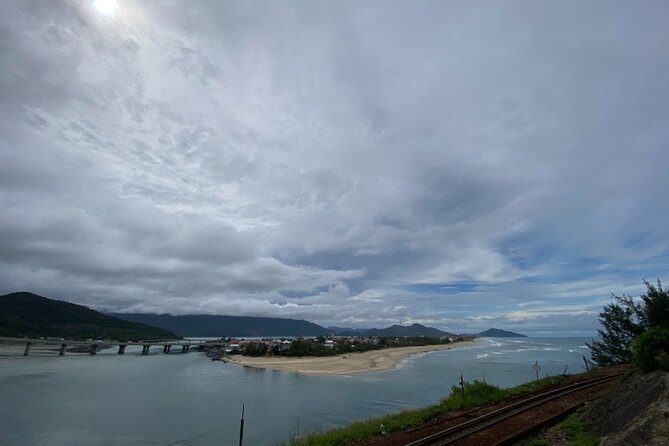
- Hai Van Pass: the famous road without the navigation headache
- Sa Huynh & Champa Culture Museum: how central Vietnam shaped Hoi An
- Marble Mountains (Ngu Hành Sơn): caves, steps, and mixed religion sites
- Eucalyptus oil village, the 1965 landing beach, and Non Nuoc stone carving
- Meals not included: how to avoid the hungry, rushed feeling
- Price and value: is $60 per person a fair deal?
- Who this tour suits best (and who should reconsider)
- Should you book this Hue to Hoi An private car tour?
- FAQ
- What does the $60 per person price include?
- How long is the tour?
- Where do we start?
- Are meals included?
- Are admissions included for the stops?
- Is this tour private?
- Is free cancellation available?
Key highlights worth knowing before you go
- Private car from Hue to Hoi An with hotel pickup and drop-off, so you start and end smoothly
- Big-view stops at Lang Co and the Hai Van Pass, both with free admission listed
- Sa Huynh & Champa Culture Museum gives the historical backbone for your day (45 minutes)
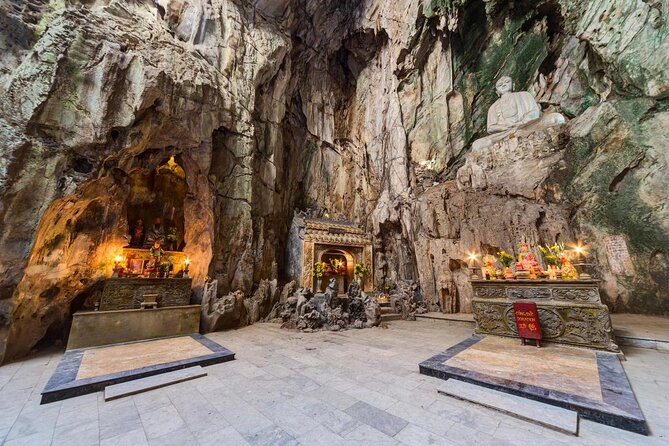
- Marble Mountains (Ngu Hanh Son): caves plus Hindu and Buddhist worship sites, about 1 hour
- Craft and culture experiences on the route, including eucalyptus oil making and Non Nuoc stone carving
A Hue to Hoi An private car day that actually feels efficient
This tour is basically a smart fix for a common problem in Vietnam: you want the sights, but you don’t want to spend your vacation time negotiating transport. With a private vehicle, you get a direct Hue-to-Hoi An one-way transfer that’s structured like a proper sightseeing day.
The route is known for impressive coastal views along the way, and the “private” part matters more than you might think. You can keep the day moving even with families or mixed-energy groups. In feedback I saw mentions of groups that included kids and even a baby, and the private format helped everyone stay together instead of splitting up.
You’ll also notice that driver quality is part of the value here. Some groups reported English support that ranged from solid to “trying their best,” and in any case you’ll be safest leaning on clear instructions and simple timing. If you care a lot about guidance in English, you can ask ahead what language support looks like for your driver or guide.
Lang Co and the Lập An lagoon: quick photos, zero ticket hassle
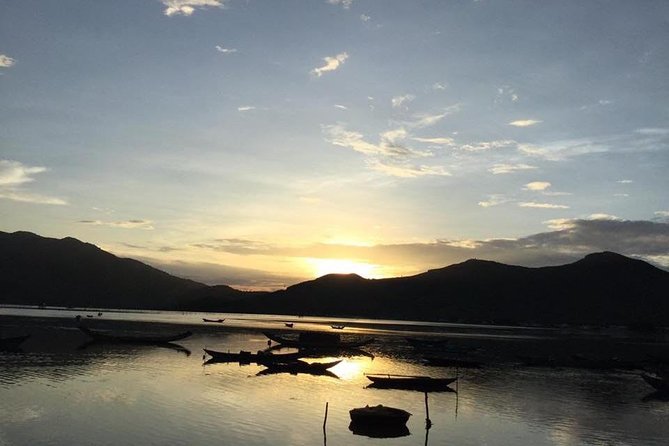
Lang Co is one of those stops that’s short on the clock but long on payoff—good when you’re doing an all-day transfer. You get about 15 minutes here, and the admission is listed as free, so you can spend that time looking at the water and stretching your legs without turning it into another paid attraction.
Why it’s worth it: Lang Co is on the coast, so you’re building a visual story for the rest of the day. Those sea-and-sky breaks also help you reset before the more intense viewpoints later.
Practical consideration: the stop is short. If you show up needing lots of time to shop or linger, you might feel rushed. This is a “snap, breathe, and keep going” kind of stop. If you’re traveling in hot midday sun, it’s smart to have water ready.
Hai Van Pass: the famous road without the navigation headache
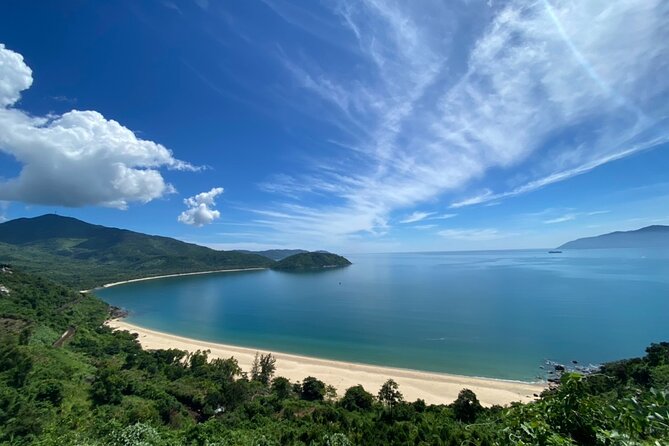
Then comes the big viewpoint moment—Hai Van Pass. It’s listed as a 30-minute stop with free admission, and it’s the kind of place that makes people understand why this route is famous.
What you’ll get out of it: a high point above the coast, plus a chance to look across the scenery instead of only seeing it from the road. Even if you’re not the type who loves scenic pull-offs, the pass does the job of giving you that “now I get it” perspective.
Potential drawback: it can be windier and cooler than you expect at altitude, or it can be hazy on certain days. Bring a light layer if you run cold easily. And treat this stop like a photo window—once you’re in, get your pictures and then enjoy the view rather than waiting for perfect light.
Sa Huynh & Champa Culture Museum: how central Vietnam shaped Hoi An
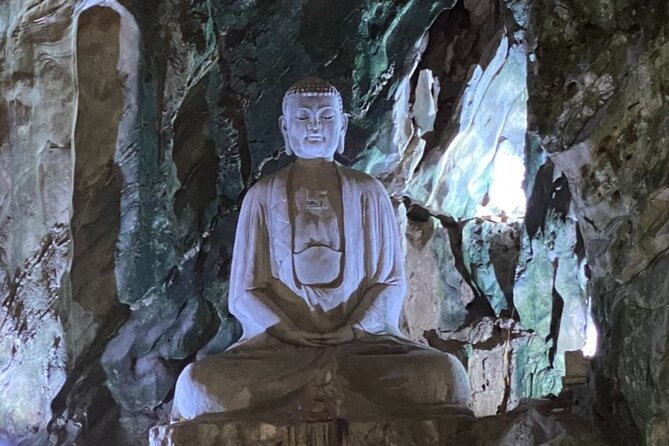
This is the most “brain” stop of the day, and it’s one I’d gladly prioritize on a first trip. The Sa Huynh & Champa Culture Museum is listed at 45 minutes, and admissions are free.
Here’s what makes it matter: the museum focuses on Champa history—specifically the period when the Champa lived in central Vietnam from the 2nd century to the 13th century. Even if you know almost nothing about the Cham, this stop gives you a timeline and a sense of why certain styles and religious influences show up later around the region.
For me, the value is that it turns Hoi An into more than a pretty old town. You start to see how trade, religion, and local culture blended over centuries, which makes your later visits feel more connected.
A consideration: museum time is fixed at about 45 minutes. If you love reading every label, you might wish you had longer. If you’re more of a “use it to orient yourself” person, you’ll be happy with this timing.
Marble Mountains (Ngu Hành Sơn): caves, steps, and mixed religion sites
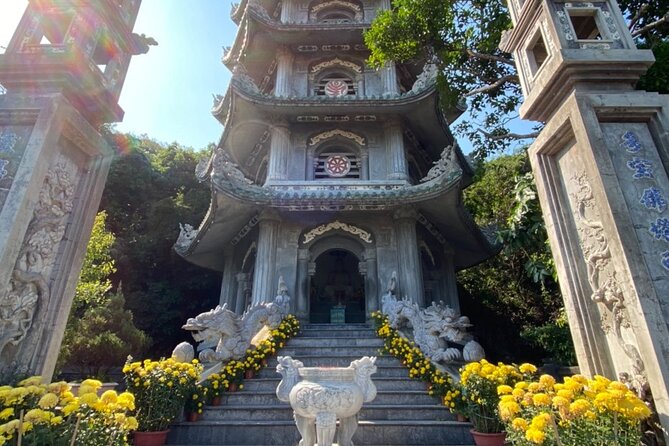
Marble Mountains is a major contrast after museum time: you go from learning to walking. This stop is listed as about 1 hour, with free admission, and it involves visiting multiple marble peaks and their caves.
What makes it special is the mix of worship traditions. The visit includes caves and temples used for both Hindu and Buddhist practices. That blend is one of those details that helps you understand Vietnam as a place where beliefs overlap in real, lived space—not just in theory.
What to expect physically: stairs and cave passages. Wear shoes you trust. If you have knee issues, keep your pace steady and don’t feel pressured to run ahead of your group. And bring a headlamp feel only if you really need it—cave lighting can be uneven, but the biggest issue is footing.
Weather note: rain can slow things down. If it’s wet, the surfaces can feel slippery, and your “one hour” can stretch in a hurry. Build in patience and go slow.
Eucalyptus oil village, the 1965 landing beach, and Non Nuoc stone carving
The day also includes a set of route stops that are less about famous viewpoints and more about how people work and live in central Vietnam.
First up is the eucalyptus oil village. The focus is on how to make eucalyptus oil, so you’re not just looking—you’re learning the process. This is the kind of experience that’s valuable because it gives you a practical window into local production and daily life.
Next comes a beach tied to history: the beach where the U.S. Marines landed in 1965. This isn’t just a photo-op. It adds weight to the scenery by reminding you that this coast has seen major historical events, not only tourism.
Then there’s Non Nuoc Stone Carving Village, where you learn how stone statues are made. If you like hands-on craft, this is where the day feels most tangible. You’ll watch how an idea becomes a figure, which helps you understand the skill behind the art you might later see sold around Hoi An and Da Nang.
Trade-off: these stops can be shorter in practice than you’d think. They’re scheduled within an 8–9 hour day, so you’ll want to come ready to move, listen, and take in what you can. If you’re the type who wants to buy souvenirs slowly and chat for an hour, you might need to do that later once you’re settled in Hoi An.
Meals not included: how to avoid the hungry, rushed feeling
Meals and drinks are not included, and that affects the day more than you’d guess. Without food built in, you’re responsible for timing your lunch and snacks.
My practical advice: treat the day like a long transfer with stops. Pick a plan for lunch before you go—either you eat at a scheduled break you can reach easily, or you budget for a quick meal once you’re closer to Hoi An. If you want the smoothest experience, carry water and a small snack so you’re not bargaining with your energy level at the wrong moment.
Also, since the stops include caves and outdoor viewpoints, you’ll often be moving between shaded and sunny spots. A snack helps you keep your focus for the museum and craft segments instead of feeling distracted.
Price and value: is $60 per person a fair deal?
At $60 per person, this isn’t the cheapest transfer option, but it’s also not trying to compete with the absolute budget end of travel. The value comes from three things you’d otherwise have to piece together on your own:
- Private one-way car with hotel pickup and drop-off
- A full day of structured stops—some with free admissions listed—rather than just driving you between cities
- A guided, interpretation-focused flow through history and craft
Meals are excluded, so you should treat the $60 as transportation + experience. If you’re traveling with family or a small group, private transfer value usually improves because splitting costs across people makes the “private” part feel more affordable than it looks at first glance.
The other subtle value: group discounts are listed. That means if you’re traveling as a small crew, you may get a better effective price than a straight per-seat logic.
Who this tour suits best (and who should reconsider)
This tour is ideal if you’re a first-timer trying to cover the Hue-to-Hoi An corridor with minimal stress. It’s also a good fit if you like a mix of:
- coastal views (Lang Co and Hai Van Pass)
- context (Champa history at the museum)
- walking + culture (Marble Mountains caves and temples)
- local production (eucalyptus oil making and stone carving)
It might be less satisfying if you mainly want unstructured free time. Because the day is scheduled and stops are time-boxed, you won’t have the kind of slow wandering that some people want when they reach Hoi An. Also, if you hate stairs and caves, Marble Mountains could be a tough sell without careful pacing.
Should you book this Hue to Hoi An private car tour?
I’d book it if you want a day that feels organized, scenic, and meaningful without turning your itinerary into a headache. The best part is the combination: you get the famous viewpoints, a history anchor via Champa, and hands-on craft moments, all while staying in one private ride with pickup and drop-off.
Don’t book it if you’re looking for a fully flexible, food-included day where every stop is optional. This is structured, and meals are on you.
If you do book, my top move is simple: plan your lunch and wear good shoes. Then you’ll get the kind of first-pass orientation that makes Hoi An feel easier when you finally arrive.
FAQ
What does the $60 per person price include?
It includes a one-way private transfer from Hue to Hoi An, with hotel pickup and drop-off included.
How long is the tour?
The duration is listed as approximately 8 to 9 hours.
Where do we start?
The start time is 8:00 am.
Are meals included?
No. Food and drinks, including lunch, are not included in the tour price.
Are admissions included for the stops?
Admissions are listed as free for the stops that have admission details (such as Lang Co, Hai Van Pass, the Sa Huynh & Champa Culture Museum, and Marble Mountains).
Is this tour private?
Yes. It is a private tour/activity, so only your group participates.
Is free cancellation available?
Yes, you can cancel for a full refund if you cancel up to 24 hours in advance of the experience start time.