REVIEW · KYOTO
Private car tour Let’s uncover secrets of majestic Kyoto history
Book on Viator →Operated by Amazing Kyoto Experience · Bookable on Viator
Kyoto changes when you skip the crowd churn. This private car tour is built around “secret” shrines and temples, handled at a comfortable pace with hotel pickup, a friendly English-speaking guide (Takashi), and room for you to steer the day.
I love the way this tour uses smaller, less-visited stops instead of cramming in the loudest sights first. The other big win for me is the logistics: you get hotel pickup and drop-off plus an air-conditioned vehicle, so you’re not battling transit transfers between far-flung neighborhoods.
One thing to consider: admission costs can be a bit confusing. The schedule lists several stops as free, but the booking notes an admission fee of ¥3,000 per person, so I’d budget for that and keep lunch expectations flexible since it isn’t included by default.
In This Review
- Key highlights to know before you go
- Private Kyoto by car, not a big-bus schedule
- Price and what you’re really buying (about $108.58 per person)
- Timing that works: a full 7-hour day without rushing
- Stop 1: Fushimi Inari-taisha’s torii gates and bamboo paths
- Stop 2: Kennin-ji temple stop with the name kept secret
- Stop 3: Ryoan-ji and the organized rock garden
- Stop 4: Adashino Nembetsu-ji and the story of Hatashi roots
- Stop 5: Kinkakuji Golden Pavilion and gold-leaf upper floors
- Stop 6: Otagi Nenbutsu-ji, art craft, and tea-ceremony touches
- Stop 7: Monkey Park Iwatayama and Kyoto sweets at dessert stop
- Stop 8: Kibune Shrine with a koi pond you can feed
- Lunch, dessert, and how to get fed well
- The guide experience: Takashi’s style and why it matters
- Who this private Kyoto tour is best for
- Should you book this private Kyoto car tour?
- FAQ
- How many people are in the group?
- Where does the tour start, and is pickup included?
- How long is the tour?
- What sites are included in the day?
- Are admission fees included?
- Is lunch included?
- Is the vehicle air-conditioned?
- What’s the cancellation window for a full refund?
- Do I need a printed ticket?
- Is there any age restriction?
Key highlights to know before you go
- Up to 10 people, fully private: you avoid the big-bus shuffle and can adjust the flow.
- Hotel pickup and drop-off: you start clean, finish clean, and keep energy for walking.
- Secret temple naming: one stop hides the temple name until the tour (fun, and it adds a bit of suspense).
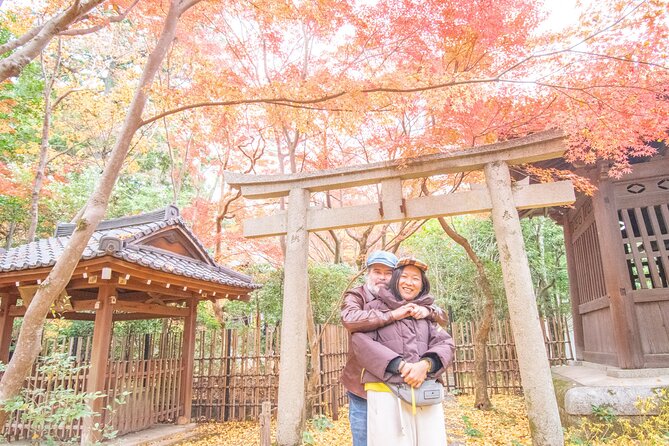
- A bamboo-and-gate morning at Fushimi Inari: thousands of torii gates plus bamboo forest paths.
- Arashiyama-style detours and temple gardens: quiet moss, organized rock fields, and art-leaning temple stops.
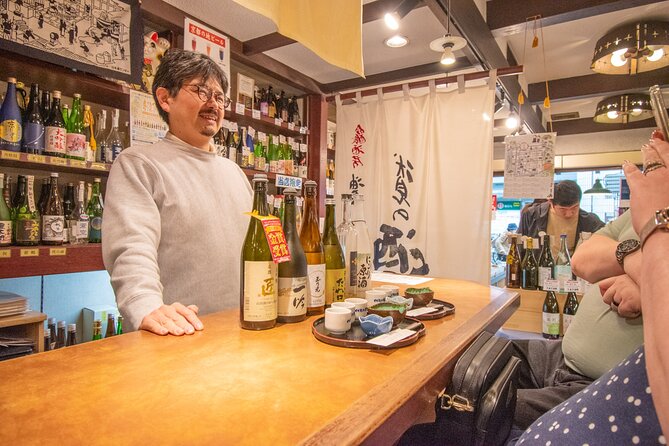
- Dessert time built in: a stop for Kyoto sweets like mochi and shaved ice with yuzu or matcha.
Private Kyoto by car, not a big-bus schedule
Kyoto can feel like a giant checklist—especially when tour buses arrive at the same time. This format is the opposite. You ride around in a private, air-conditioned vehicle with your travel group, and the pace is something you feel immediately.
The group size matters. With a maximum of 10, your day doesn’t turn into a herding exercise. I also like that the itinerary is described as adjustable. If your group wants more time at one garden or fewer steps on a hot afternoon, the guide can respond.
Price and what you’re really buying (about $108.58 per person)
At about $108.58 per person for roughly 7 hours, this is not a “cheap and fast” sightseeing deal. You’re paying for (1) privacy, (2) door-to-door transport, and (3) a guide who puts time into finding calmer spots.
Included items that drive the value:
- Hotel pickup and drop-off
- Air-conditioned vehicle
- Gas and parking up to 3,000 yen/day
- Restaurant and dessert recommendations (not a fixed restaurant, but helpful choices)
What isn’t included (and can change your final budget):
- Lunch is not included by default. The tour notes you may be able to stop for lunch if requested and timing allows.
- Admission fee of ¥3,000 per person is listed as not included, even though the stop descriptions mention free tickets for several sites. Plan for extra site costs so you aren’t surprised.
If your goal is comfort plus less crowd time, the price starts to make sense. If you’re traveling with friends and want maximum independence, you’ll likely feel the cost only when it comes time to pay. For families, seniors, or mixed-age groups, the private transport is where you’ll feel the “worth it” factor.
Timing that works: a full 7-hour day without rushing
The tour duration is about 7 hours, and that sweet spot matters in Kyoto. It’s long enough to cover major areas and still slow down for gardens, quiet temple interiors, and that “look up, read the sign” moment.
Hot-weather days are part of Kyoto life, and one review called out temperatures around 36 degrees, with the air-conditioned car making the day much more manageable. If you know your group walks slowly or you just don’t want to sprint between stops, this kind of day fits well.
Stop 1: Fushimi Inari-taisha’s torii gates and bamboo paths
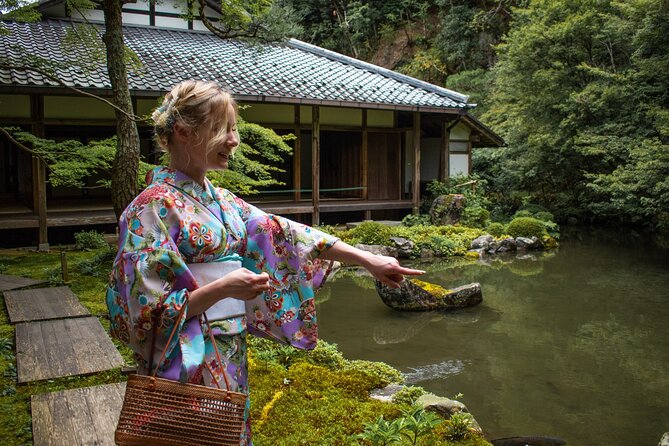
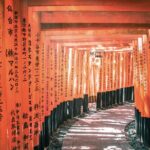
This is the start that sets the tone. Fushimi Inari-taisha is famous for its thousands of torii gates, and the tour leans into the experience instead of treating it as a photo stop.
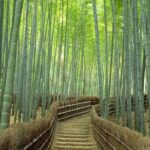
The way it’s described here is more than “walk and snap.” You’re guided into a view of the gates from inside the shrine’s mountain area, where you can also find bamboo forest paths and the quiet feeling that comes when you pause instead of rushing forward.
Practical heads-up:
- Expect walking. Even if you don’t hike all the way up, the shrine area involves movement.
- If you want best atmosphere, go with a mindset of wandering and pausing, not checking boxes.
Stop 2: Kennin-ji temple stop with the name kept secret
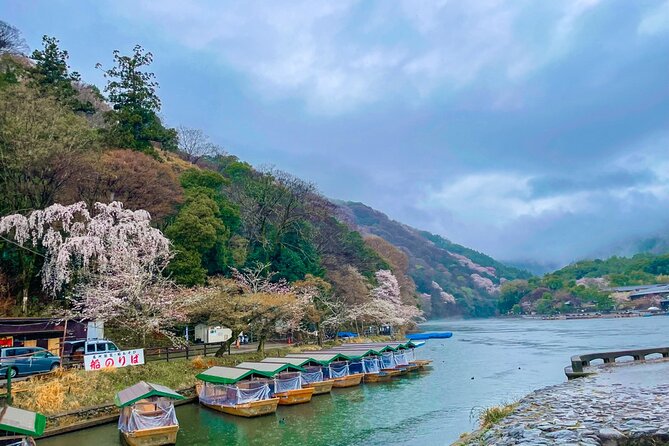
Here’s a fun twist: the temple name isn’t disclosed until the tour. That’s not just marketing fluff. It nudges you into surprise mode, and it can make a quieter garden stop feel more special.
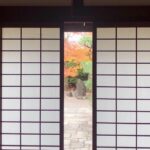
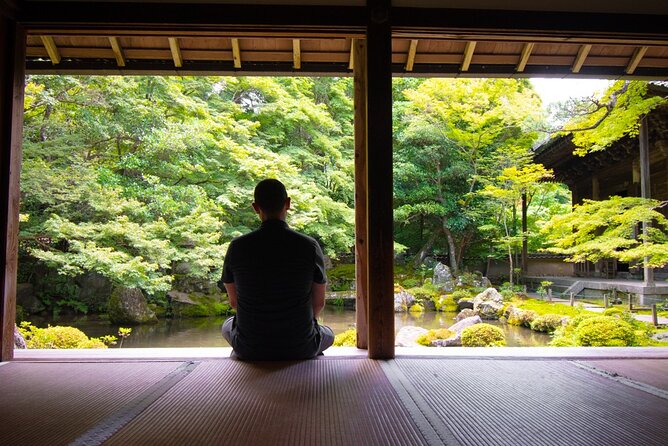
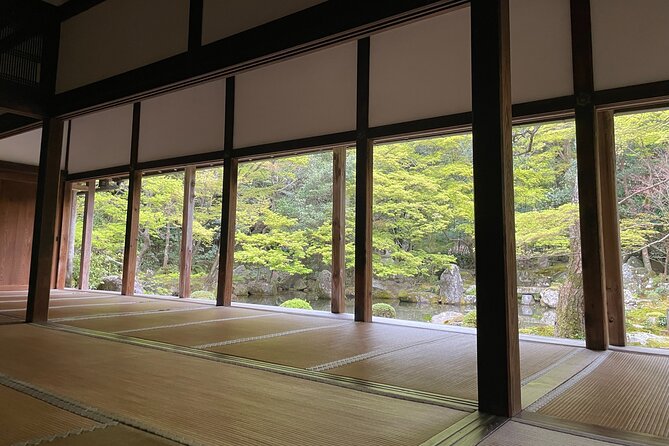
This stop is associated with an “extremely gorgeous moss garden,” a style of Kyoto beauty that hits differently than big landmark architecture. Moss gardens reward patience. The camera won’t capture everything unless you slow down enough to notice textures and the way light sits in a space.
What to consider:
- This is likely a shorter, garden-focused stop. If your group expects long explanations at every location, tell the guide upfront that you want more time for photos and reading signs.
Stop 3: Ryoan-ji and the organized rock garden
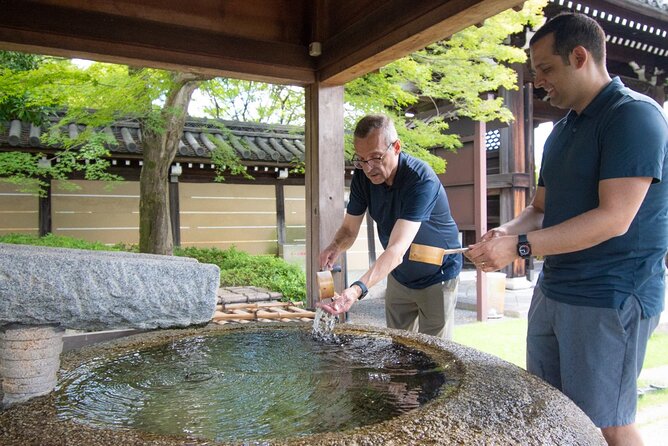
If you’ve seen a few famous temple gardens already, you still might feel a jolt at this one. Ryoan-ji is described as having millions of tiny rocks that are carefully organized into a large garden composition.
Beyond the visuals, the description ties it to Buddhist history and a “bigger Buddhism schism” context. Whether you’re into theology or not, the takeaway is simple: you’re looking at a centuries-old way of thinking, translated into a garden that stays calm even when you’re restless.
This stop is typically about observation. The main “work” is slowing your eyes down enough to see the order.
Stop 4: Adashino Nembetsu-ji and the story of Hatashi roots
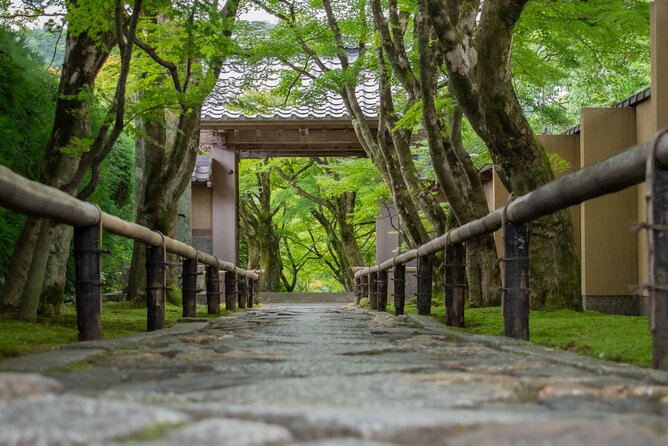
Adashino Nembetsu-ji is one of those Kyoto stops that feels like a hidden chapter. It’s described as originally erected by a group called the Hatashi and as connected to a Korean-rooted ethnic tribe in the 5th–6th century. Later, it experienced a burn in the 8th century but continued afterward.
That kind of background can make a temple feel less like set dressing. It becomes a place with survival, memory, and continuity.
Time-wise, this stop is shorter (about 30 minutes). So treat it like a “read, notice, move on” stop. If your group likes history, ask the guide to add context while you’re there, not after you’ve walked away.
Stop 5: Kinkakuji Golden Pavilion and gold-leaf upper floors
This part of the day brings you back toward one of Kyoto’s most iconic sights: the Golden Pavilion. The description notes it was a villa of Shogun Yoshimitsu Ashikaga and later converted into a temple after his death.
The headline detail is the look: a building whose two top floors are covered with gold leaf. Even if you’ve seen photos before, the real thing hits because gold leaf isn’t a flat color. It catches light differently as you change your angle.
Balance tip: since this is a major site, plan for more activity around the edges. The private-car advantage here is that you’re arriving as part of your own day flow, not trapped in a strict bus schedule.
Stop 6: Otagi Nenbutsu-ji, art craft, and tea-ceremony touches
Otagi Nenbutsu-ji is described as connected to an art master who worked across multiple arts, including tea ceremony and calligraphy. The garden is said to include tea ceremony items, which is a strong hint that this stop is meant to be experienced through small details.
This is also a good break from the heavy landmark feeling. A temple with art influences tends to reward people who like texture: garden composition, small objects, and quiet rooms.
Time-wise, it’s short (about 30 minutes). If you want more, ask the guide to slow the pace and let you linger at the parts that catch your attention.
Stop 7: Monkey Park Iwatayama and Kyoto sweets at dessert stop
This is a double-purpose stretch: a viewpoint area tied to Monkey Park Iwatayama, plus a dessert stop. The tour description includes a local dessert shop where you can try Kyoto-style sweets.
The menu ideas listed are the kind that make Kyoto feel specific instead of generic:
- Mochi (pounded rice cake) with different texture than typical mochi
- Shaved ice with yuzu or matcha flavors
If your group is food-motivated, this is a strong checkpoint. It also gives you time to cool off and reset between temple stops.
Stop 8: Kibune Shrine with a koi pond you can feed
The final stop is Kibune Shrine. It’s described as the biggest shrine erected by the powerful Hatashi-tribe and supported by the surrounding neighborhood households.
The detail I like most is practical and interactive: there’s a large koi fish pond where the tour notes you can feed fish. That turns the last stop into something lighter, especially if your legs are tired.
As a closing note, shrine days can end in a calm mood. Kibune fits that vibe well: less about monumental scale and more about neighborhood presence and a gentle atmosphere.
Lunch, dessert, and how to get fed well
Lunch isn’t included automatically. The tour says it can be possible to stop at a guide-recommended local restaurant depending on request and situation. The value here is not just food—it’s avoiding the tourist trap problem.
In reviews, lunch gets praised when guides choose smaller places. If you care about a specific type of meal, tell the guide early. One example from reviews mentions a kaiseki-style request being handled in a quaint, intimate spot.
For dessert, the plan is clearer: there’s a dedicated dessert shop stop, and it includes Kyoto-style options like yuzu or matcha shaved ice and mochi varieties.
If your group has dietary needs, bring them up. Private tours can adapt, but you still need to set expectations about what’s realistic for that day’s route.
The guide experience: Takashi’s style and why it matters
This tour is strongly associated with Takashi. Reviews highlight him as friendly, flexible, and comfortable in English, and that he can tailor the day for different ages in a group.
One practical advantage I’d bank on: when you’re with a guide, you can stop asking random questions every ten minutes. You can just listen, ask when something catches your interest, and keep moving at a human pace.
A small detail from reviews also mentions a student assistant (Chika) helping during the day. That can be a real comfort for large family groups, because it often means smoother pacing and clearer communication.
One caution from a less positive review: in a half-day option, fewer locations were covered than expected and photos weren’t taken as promised in that case. Translation for your planning: if you care about photo coverage, ask the guide what photo help is included and what isn’t, before you arrive.
Who this private Kyoto tour is best for
I’d point you toward this tour if:
- You want fewer crowds and more quiet temple time.
- You’re traveling with a family, seniors, or mixed mobility levels and want hotel pickup.
- You like Kyoto beyond the big-ticket checklist and want “secret” style stops.
- You want someone to handle route logic so you can focus on the experience.
I’d think twice if:
- You’re on a tight schedule and only want 2–3 major hits.
- You want a fully self-guided day where you control every step with zero guide input.
- You need lunch included in the price without any back-and-forth.
Should you book this private Kyoto car tour?
Yes, if your goal is a comfortable, flexible day that mixes famous Kyoto sights with calmer, story-rich stops. The hotel pickup, air-conditioned vehicle, and small group size are the main reasons this feels better than bus-style touring.
Before you book, do two quick checks:
- Budget for the ¥3,000 admission fee noted in the booking details, even if several stops say free admission.
- Decide whether you want lunch on the day. Since lunch isn’t included automatically, a simple preference message to the provider can help you avoid a scramble.
If you like the idea of torii gates in the morning, moss gardens and rock fields mid-day, then ending with Kibune’s koi pond, this itinerary-style day makes a lot of sense.
FAQ
How many people are in the group?
It’s a private tour for your group, with a maximum of up to 10 people.
Where does the tour start, and is pickup included?
Hotel pickup and drop-off are included, and pickup is offered.
How long is the tour?
The duration is about 7 hours.
What sites are included in the day?
The tour includes stops at Fushimi Inari-taisha, Kennin-ji (with the name disclosed only on the tour), Ryoan-ji, Adashino Nembetsu-ji, Kinkakuji (Golden Pavilion), Otagi Nenbutsu-ji, Monkey Park Iwatayama (with a dessert stop), and Kibune Shrine.
Are admission fees included?
Admission fee of ¥3,000 per person is listed as not included. Some stop descriptions mention free tickets, so you should still plan for possible site costs.
Is lunch included?
Lunch is not included, though the tour notes it may be possible to stop for lunch if requested and timing allows.
Is the vehicle air-conditioned?
Yes, an air-conditioned vehicle is included.
What’s the cancellation window for a full refund?
You can cancel up to 24 hours in advance for a full refund.
Do I need a printed ticket?
A mobile ticket is mentioned as a feature, so you likely won’t need to print anything.
Is there any age restriction?
There is a minimum age requirement for alcohol consumption of 18 years old.