REVIEW · OSAKA
Kyoto Customized Private Car Tour
Book on Viator →Operated by Japan Travels · Bookable on Viator
Kyoto in one car day feels surprisingly efficient. This private experience strings together the big icons you’ve seen in photos, from Fushimi Inari’s torii tunnel to the Golden Pavilion, with a guide and driver handling the timing so you can just walk, look, and breathe. It also has the kind of flexible planning that matters when Kyoto traffic and temple lines don’t behave.
Two things I like a lot: the day stays comfortable thanks to private transportation and bottled water, and the guide support is real, not script-reading. People in the reviews specifically praised drivers and guides like Mani, Talha, and Ali for being friendly, punctual, and good at getting everyone to the right places fast. One thing to weigh: you’re covering a lot in about 8 hours, so it’s not the best fit if you want a slow, no-schedule wander day, and some major sights may require paid admission.
In This Review
- Key things to know before you go
- Why a Private Car Works So Well for Kyoto Temple-Hopping
- Price and Value: What $553.80 Gets Your Group
- Timing That Matters in Kyoto: How the Day Feels in Motion
- First Stop Energy: Fushimi Inari-taisha and Its Torii Trail
- Arashiyama Bamboo Grove: The Quiet Magic Stop
- Golden Pavilion (Kinkaku-ji): Seeing Gold Without the Guesswork
- Nijō Castle and the “Nightingale Floors” Concept
- Kiyomizu-dera: Panoramic Views Plus Hillside Atmosphere
- Ginkaku-ji and Sanjūsangendō: Zen Beauty Meets 1,001 Statues
- Gion Corner: Geisha Culture, on a Schedule
- Nishiki Market: Where You Turn Seeing Into Tasting
- What the Guides Add: The Best Part Is Getting It Right
- What’s Included (and What You’ll Need to Handle)
- Should You Book This Kyoto Private Car Tour?
- FAQ
- Is this tour a private experience?
- How long is the Kyoto day tour?
- How many people can be in the group?
- Is pickup included?
- Do I need to buy tickets for temples and castles?
- Are meals included?
- What languages will the guide speak?
- Can I cancel for a full refund?
Key things to know before you go
- A true private group setup: your group rides together, up to 6 people
- Bilingual guidance in Spanish, Hindi, Urdu, and English
- An efficient classics route built around famous Kyoto landmarks in one day
- Mobile ticket + pickup available so you waste less time figuring things out
- Some sights may be ticketed even when the stop is on the route
- Food is not included, so plan for snacks or a meal stop on your own
Why a Private Car Works So Well for Kyoto Temple-Hopping
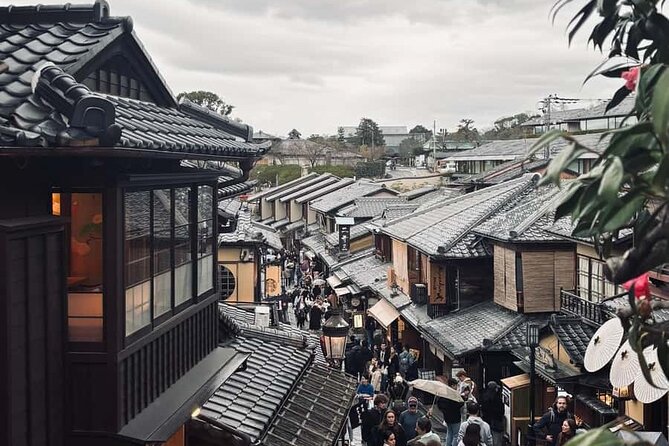
Kyoto is gorgeous, but it can be a time trap. Distances add up, buses can be crowded, and walking from one famous site to the next usually takes longer than you expect. With a private car day, you get the best of both worlds: iconic stops plus smoother transitions.
Because this is for groups of up to 6, you also get a quieter flow inside the vehicle. That matters when you’re trying to keep a family together, travel with grandparents, or just want the comfort of not sharing your ride with strangers.
Price and Value: What $553.80 Gets Your Group
This tour is listed at $553.80 per group (up to 6), which means the per-person cost drops as your group size increases. If you’re traveling as a couple, it may feel like a splurge compared to public transit, but you’re paying for time-saving logistics plus guide help.
You’re also not paying just for driving. The tour includes a multilingual guide (Spanish, Hindi, Urdu, English), bottled water, and transportation from the meeting point. If you want a day that works even when your group’s interests shift on the fly, that flexibility is part of the value.
Where the price can feel less “worth it” is if you’re traveling solo or you only care about one or two stops. In that case, Kyoto is easy enough to do on your own. But if your goal is multiple big sights without stress, this kind of group setup usually makes sense.
Timing That Matters in Kyoto: How the Day Feels in Motion
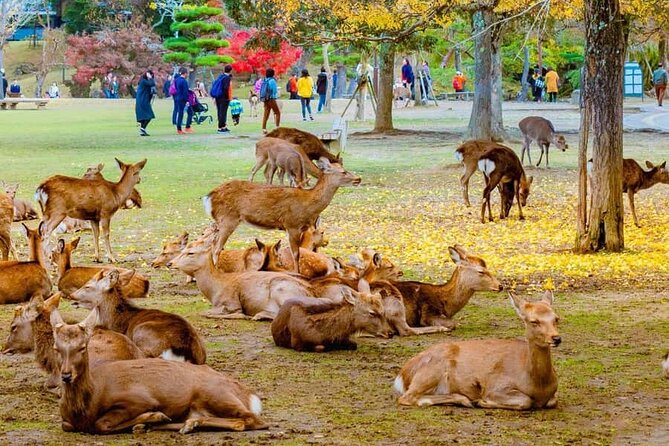
The tour runs about 8 hours, and it’s scheduled within a broad daily window (9:00 AM to 6:00 PM). In practice, the real advantage is that you can start early and keep momentum. Kyoto crowds build quickly, especially around the most photographed shrines and temples.
The route includes morning-to-late-day classics, switching between forest paths, temple courtyards, and cultural neighborhoods. Expect a rhythm: walk, stop, photo, then transfer. If you’re the type who likes long sits and slow museum pacing, build in breaks by using your shopping or tea-demo time as downtime.
First Stop Energy: Fushimi Inari-taisha and Its Torii Trail
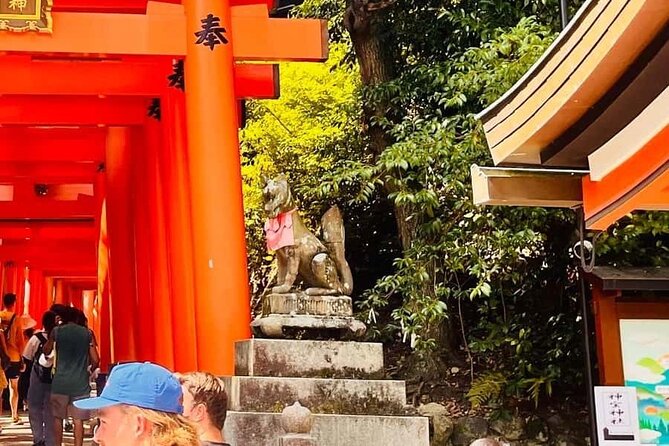
You start at Fushimi Inari-taisha, where thousands of red torii gates guide you along forest-like trails. This is the kind of place where your experience changes hour by hour: early feels calmer, and later can feel like a parade.
Even with a timed stop around 1 hour, plan to move at a comfortable pace. Some people enjoy going deeper up the trail for quieter viewpoints, while others are happiest staying near the main gate path. Either way, wear shoes you can hike in, because the ground is uneven in sections.
Arashiyama Bamboo Grove: The Quiet Magic Stop
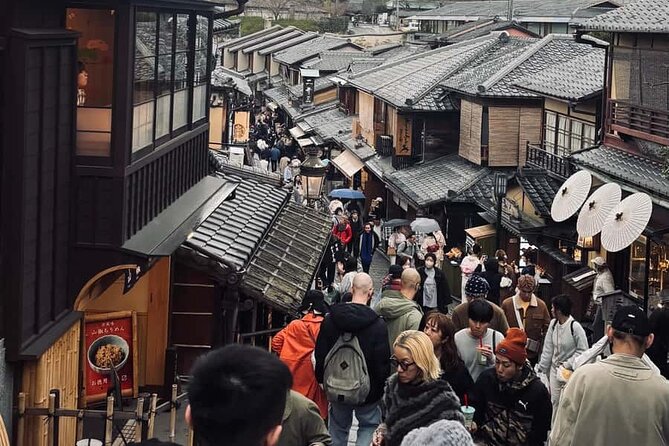
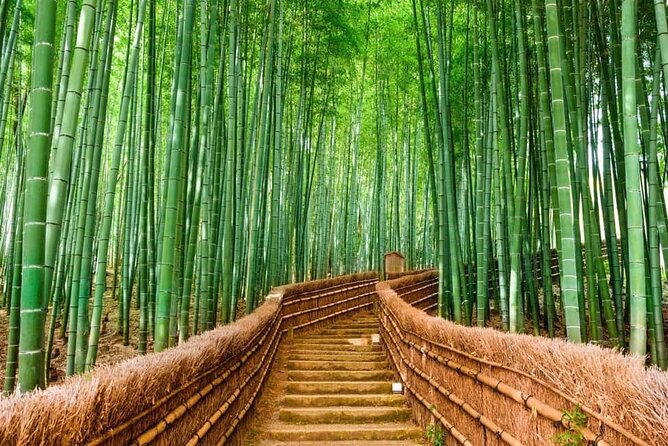
Next comes Arashiyama Bamboo Grove, one of Kyoto’s most atmospheric walking spots. The bamboo columns create a cool, shaded feeling even on warm days, and the sound of moving stalks can make the whole place feel slower.
You get about 1 hour here, which is enough to walk the main area and catch a few different angles. If you love photos, this is also a good stop to be intentional about timing and viewpoints, since the light can change quickly in the grove.
Golden Pavilion (Kinkaku-ji): Seeing Gold Without the Guesswork
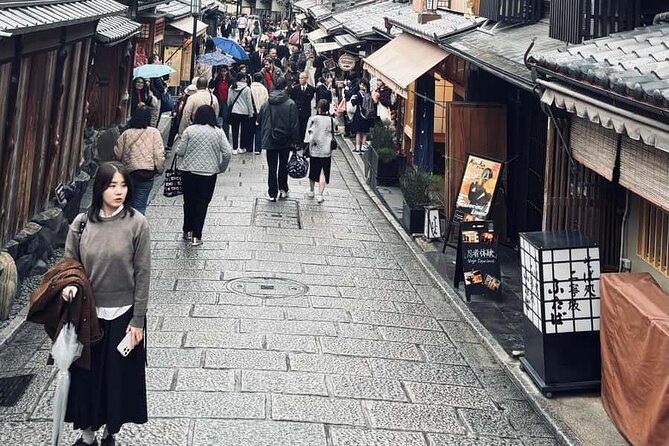
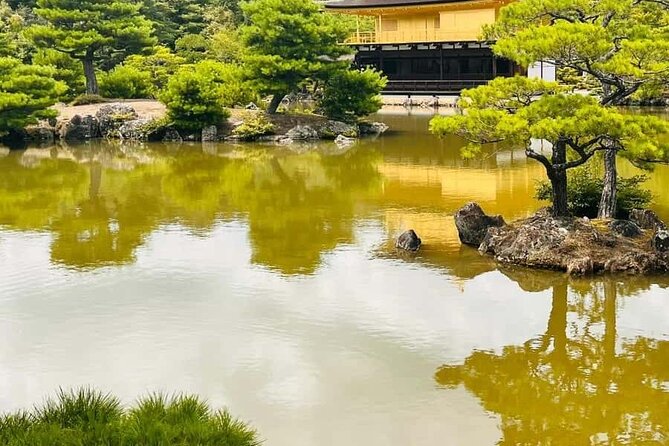
Then it’s Kinkaku-ji, the Golden Pavilion, with that iconic gold-leaf look reflected in the pond. This is a place where you’ll notice details quickly if you slow down: the way the structure frames the water, and how the courtyard feels more composed than the surrounding streets.
Entry may involve ticketed admission depending on how you visit, so keep that in mind. The payoff is that the stop is visually rewarding even if you only have an hour. Go early if you can, so you’re not fighting for sightlines.
Nijō Castle and the “Nightingale Floors” Concept
This tour is designed to include Nijō Castle, known for elegant rooms, gardens, and the famous floor feature often called the “nightingale floors.” The core idea is that those floors create a distinctive sound underfoot, adding a layer of historic realism to the rooms.
Nijō Castle is also one of those sights where guided context helps. Even if you’re not a deep-history person, it’s easier to appreciate the layout and purpose when someone explains what you’re looking at.
Kiyomizu-dera: Panoramic Views Plus Hillside Atmosphere

After the castle, you head to Kiyomizu-dera, perched on a hillside with broad views of Kyoto. The main wooden stage area is the star, but what makes this stop special is that you’re not just inside a temple complex—you’re in a lively old-street area where browsing is part of the experience.
You also get around 1 hour here, which can feel short if you want every viewpoint. If you enjoy shopping, the nearby streets give you a natural place to slow down without derailing the whole day.
As with other major temples, ticketed entry may apply, so it’s smart to keep some flexibility in your budget and time. Even if a specific stop is marked with free admission for the tour flow, the paid parts are what usually need planning.
Ginkaku-ji and Sanjūsangendō: Zen Beauty Meets 1,001 Statues
The middle of the day balances two different flavors of Kyoto spirituality.
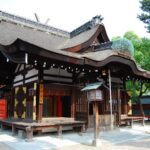
At Ginkaku-ji (Silver Pavilion), you’ll see refined Zen aesthetics and garden details, including a sand garden that rewards patient looking. This stop is about the calm feeling—moving gently, noticing surfaces and patterns, and letting the place set your pace.
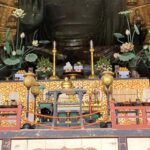
Then you shift to Sanjūsangendō, the long wooden hall housing 1,001 Kannon statues. This is a totally different kind of wow: not one perfect view, but a wall of sacred figures that hits you with scale. If you like visual intensity and unusual specifics, this is often the moment people remember later.
Gion Corner: Geisha Culture, on a Schedule
Next up is Gion Corner, a cultural performance space designed to show you Kyoto traditions in a compact format. You can see traditional dance and tea ceremony demonstrations, plus other performances that help you understand what’s going on without needing a lot of background.
This is a smart slot in a full-day plan because it offers seated time in the middle of walking-heavy stops. It also helps you connect Kyoto’s present-day culture with the temple-and-shrine world you’ve been touring.
Nishiki Market: Where You Turn Seeing Into Tasting
The final stretch includes Nishiki Market Shopping District, often called Kyoto’s kitchen. Here you can snack, sample street foods, and grab small souvenirs that feel more local than the standard tourist counters.
Because food and drinks aren’t included, this is where you can treat the market as your flexible budget moment. If you eat lightly throughout the day, Nishiki is a great place to make up for it with a meal-style snack approach.
A practical tip: set a rough plan before you start wandering. Markets tempt you with choices, and when you’ve already walked all day, it’s easy to overspend without realizing it.
What the Guides Add: The Best Part Is Getting It Right
One reason people rate this tour highly is that the human side is strong. In the feedback, guides and drivers like Mani, Talha, and Ali were called out for being courteous and punctual, plus knowledgeable enough to help your day run smoothly.
The helpful part isn’t just where to go. It’s also how to get there with timing, how to keep your group moving, and how to adjust when your interests shift. Some guides even help with small add-ons like a restaurant recommendation, which can be a big deal when you want food that fits your pace and tastes.
If you care about not only visiting but understanding what you’re seeing, a good guide changes the day from sightseeing into something more personal.
What’s Included (and What You’ll Need to Handle)
Included:
- Private transportation and pickup from the meeting point area
- Bottled water
- Bilingual guide support (Spanish, Hindi, Urdu, English)
- A mobile ticket
- Flexible adjustments based on what your group wants to do
Not included:
- Food and drinks
- Any paid admission portions at sights where ticketed entry applies
What I’d plan for:
- Bring some cash or a card for ticketed entries and market snacks.
- Wear comfortable shoes; even “just” an hour at temples can mean lots of uneven walking.
- If your group has mobility differences, tell the guide early so you can choose the easier routes.
Should You Book This Kyoto Private Car Tour?
Book it if you:
- Want a first-timer Kyoto day that hits major landmarks without spending hours planning connections
- Are traveling as a group (up to 6) and want the ride comfort to actually pay off
- Value a guide who helps you move smartly and answer questions as you go
- Like the idea of a structured day with some room for flexibility
Skip it or reconsider if you:
- Want a slow, in-depth experience at only one or two places
- Prefer to plan everything yourself and travel independently by transit
- Don’t want to manage ticket costs for major sights that may require paid entry
- Feel uncomfortable with an action-packed 8-hour schedule
If you’ve got limited time and want Kyoto to feel doable, this kind of private car route is a practical way to see the highlights while keeping your energy for the moments that matter.
FAQ
Is this tour a private experience?
Yes. It’s a private tour/activity, meaning only your group participates.
How long is the Kyoto day tour?
It runs for about 8 hours (approx.).
How many people can be in the group?
The price is for a group of up to 6 people.
Is pickup included?
Pickup is offered, and transportation is included from the meeting point area.
Do I need to buy tickets for temples and castles?
Some stops include ticketed admission based on the sights you visit, such as major temples and Nijō Castle. It’s a good idea to budget for paid entry where required.
Are meals included?
No. Food and drinks are not included.
What languages will the guide speak?
The tour includes a bilingual guide in Spanish, Hindi, Urdu, and English.
Can I cancel for a full refund?
Yes. You can cancel up to 24 hours in advance for a full refund. If you cancel less than 24 hours before the start time, the amount paid is not refunded.