REVIEW · OSAKA
Private Car Full Day Tour of Osaka Temples, Gardens and Kofun Tombs
Book on Viator →Operated by Pinpoint Traveler, Inc · Bookable on Viator
Osaka by private car feels unfairly easy. You get a private guide with hotel pickup, plus a tour that mixes Osaka Castle, major temples and shrines, and real kofun tombs in Sakai—exactly the kind of day that feels tailored instead of rushed. I love the flexible pacing (time for photos and slower steps), and I like how the stops actually explain the why behind each place. One consideration: some gardens cost extra and they close on specific dates, so you’ll want a plan B for the day you go.
If you’ve seen Osaka only from station-to-station, this course helps you get the shape of the city fast: castle grounds up close, then Shitennoji’s long Buddhist story, then a Shinto shrine that changes the mood, and finally Sakai’s older, south-side heritage. Many days run with guides such as Kevin, Jamie, Hugo, and Levy, and they’re praised for history context, patience, and customizing on the fly—useful if you’re traveling with seniors, kids, or if you just have strong preferences.
In This Review
- Key highlights to focus on
- Private luxury car + a flexible guide: the real value
- Osaka Castle stop: outside views first, then decide how much interior time
- Shitennoji Temple: one of Japan’s oldest Buddhist sites, plus an optional garden fee
- Shinsekai quick walk: the retro Osaka intermission
- Sumiyoshi Taisha shrine: Shinto sacred style, right after Buddhism
- Sakai City Hall observatory: the panoramic before the kofun
- Kofun tomb visit + Daisen Park: Sakai’s slower, older side
- Lunch at kaiten sushi: easy energy, plus a cultural bonus
- How the day stays comfortable: walking, timing, and small route tweaks
- Price and logistics: when this private tour is a smart deal
- Best-fit travelers (and who might not love it)
- Should you book this private Osaka-and-Sakai tour?
- FAQ
- FAQ
- What time does the tour start?
- How long is the tour?
- How many people are in a group?
- Is hotel pickup included?
- What’s included in the tour price?
- Are entrance fees included?
- What about lunch?
- Are the gardens always open?
- If a garden is closed, will the plan change?
- Do kids need car seats?
Key highlights to focus on
- Hotel pickup and door-to-door comfort in a private vehicle, so you’re not managing trains between distant stops.
- Kofun tomb area + Daisen Park in Sakai, which feels more local and less “tour bus” than central Osaka.
- Shitennoji + Sumiyoshi Taisha back-to-back, giving you a clear contrast between Buddhist and Shinto sacred spaces.
- Photo-friendly pacing—the best days include time to linger without feeling cut short.
- Optional gardens with fixed closures, so you’ll want to check your travel day.
- Kaiten (revolving) sushi lunch stop, a fun, easy win for a full sightseeing day.
Private luxury car + a flexible guide: the real value
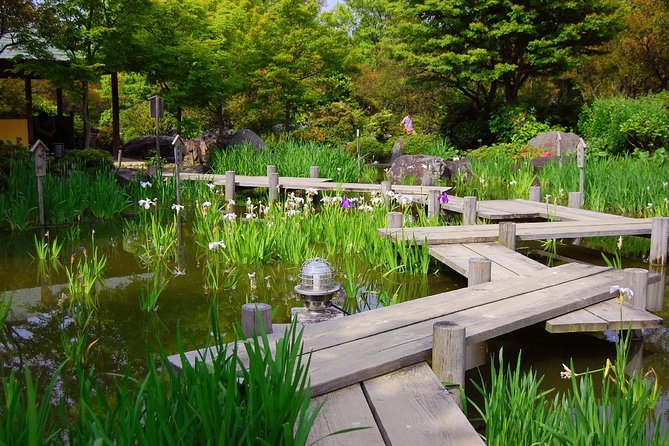
This is built for people who want a full day that feels controlled. You start with pickup at your Osaka hotel, climb into a private vehicle, and spend the day with one guide who adjusts the flow as the morning unfolds. That matters in a city like Osaka, where you can easily lose time switching lines, walking from stations, and trying to “race” a sightseeing list.
The private format also means your guide can guide your attention. You’re not just pointed at famous gates and pagodas—you’re guided to what’s worth noticing and what to ignore. In the reviews, guides like Kevin and Jamie are singled out for making each stop make sense, while also keeping the day relaxed rather than cram-packed.
Is this luxury worth it? For up to 6 people, the per-group price can start to look sensible compared with piecing together taxis plus separate ticketed experiences. It’s especially good if you’re in a mixed group—two adults who want history, plus someone who needs a slower pace, plus a kid who wants stops that don’t feel like a lecture.
Osaka Castle stop: outside views first, then decide how much interior time
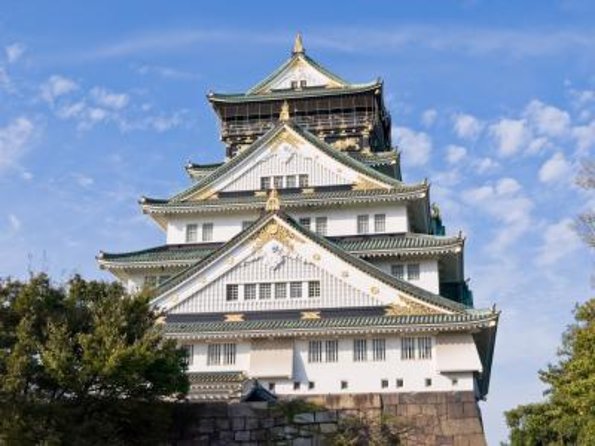
You’ll begin at Osaka Castle with a walk through the grounds, right up near the structure. The big win here is timing and stance: you’re positioned for the impressive outside views, and you’re not stuck with the inside-only mindset some visitors have.
The tour plan keeps the focus on the exterior, and the vibe is practical: enjoy the stronghold’s presence, then move on. If you’re the type who loves museum halls and displays, you might still want more, but if you don’t care much for exhibits, the outside is doing most of the work.
Where the private-car format helps: your guide can help you dodge the worst crowd flow and choose walking routes that fit your pace. One review specifically praised how the guide helped avoid major crowds around the castle, which is exactly the kind of small advantage that makes a big difference at peak hours.
Shitennoji Temple: one of Japan’s oldest Buddhist sites, plus an optional garden fee
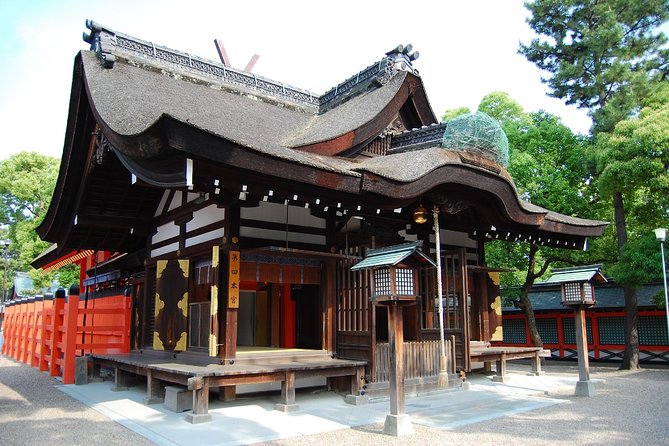
Next comes Shitennoji, often described as one of Japan’s oldest Buddhist temples. The stop works because it’s not just “pretty buildings.” You get the temple setting plus the stories and context that make it feel like a living place, not just a photo spot.
A key detail: the tour notes the Japanese garden at Shitennoji as optional and it costs extra (300 yen per adult). You can think of this as your choice point. If you like gardens and quiet walking, add it. If you’d rather keep energy for the later Sakai kofun area, skip it and use that time for slower photo breaks or shopping nearby.
Also note the closure schedule. The Japanese garden at Shitennoji is closed on the 21st of each month. That doesn’t make Shitennoji pointless—it just means your “garden add-on” might turn into a longer temple-grounds moment instead.
Shinsekai quick walk: the retro Osaka intermission
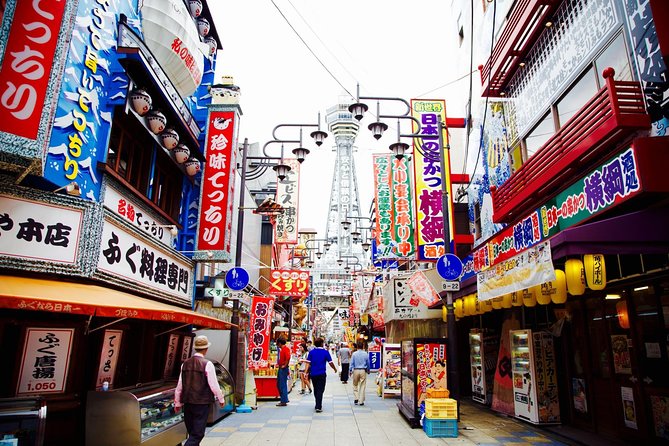
After temples, you’ll get a quick walk through Shinsekai, an older entertainment quarter. This is short on the itinerary, but it plays a useful role: it resets your eyes. You go from sacred space back into street-level Osaka, where signage, architecture, and the feeling of everyday life do part of the city education.
If you love street snacks and neighborhood atmospheres, this is the kind of stop that helps you understand Osaka beyond the major landmarks. Even if you don’t plan to buy anything, it’s a good time to watch how locals and visitors move through the area.
Because it’s a private tour, your guide can also adjust how long you linger here. If you’re energetic, you can take the walk in a relaxed way. If you need to conserve energy, it stays quick and purposeful.
Sumiyoshi Taisha shrine: Shinto sacred style, right after Buddhism
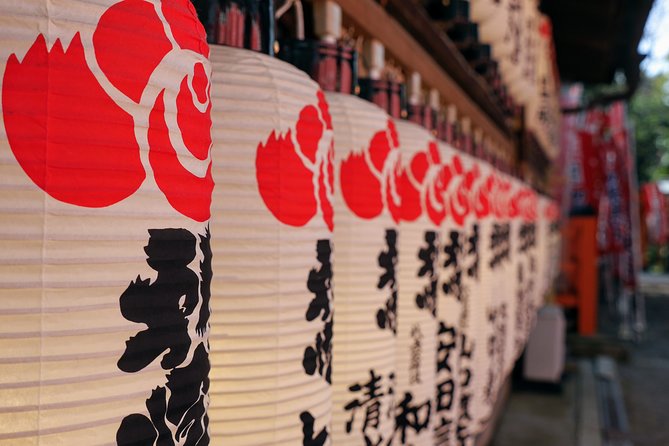
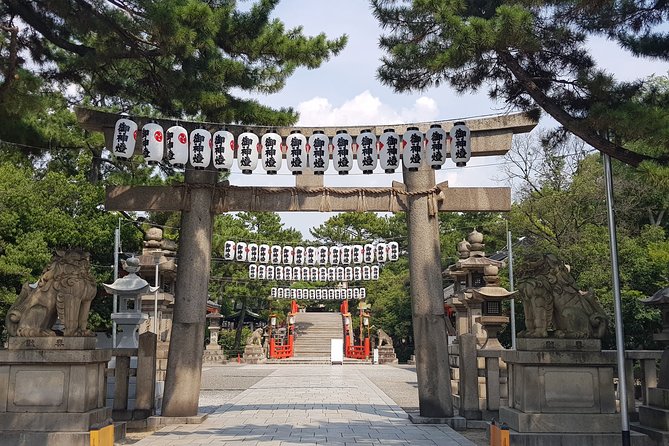
Then the mood shift: Sumiyoshi Taisha, a major Shinto shrine. The tour intentionally pairs this with Shitennoji so you can feel the difference between Buddhist temple design and Shinto shrine style without needing extra explanation.
A highlight is the famous arched bridge on the grounds. It’s one of those visual elements that sticks in your memory because it’s so recognizable once you see it. More important, though, is what your guide helps you notice: how the shrine layout and visual language do different work than the Buddhist compound you saw earlier.
This stop is a solid anchor for the day because it gives you a clean “before and after.” If you’ve been wondering about those differences—shrines versus temples—this itinerary makes that question easier.
Sakai City Hall observatory: the panoramic before the kofun
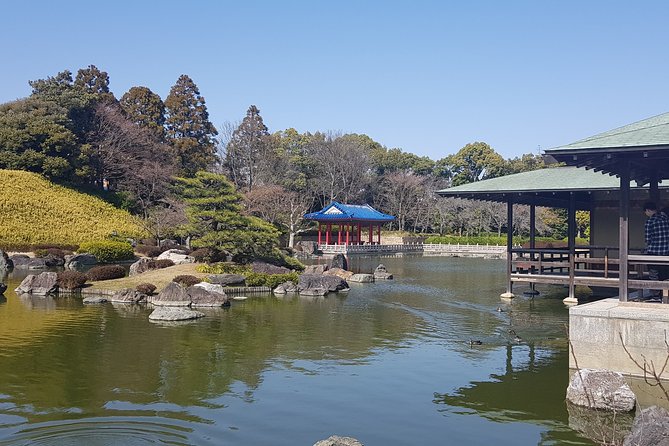
Once you head south to Sakai, you’ll pause at Sakai City Hall’s observatory (21st floor). You get a wide view over the city—Osaka to the north, the mountains marking Nara to the east, and the coast stretching out in the other direction.
This view stop is short, but it helps you “place” everything you’re about to see. The kofun tombs you’ll visit next aren’t just isolated monuments; they’re part of Sakai’s geography and the older story of settlement along the region.
If you’re photo-minded, this is also a moment to capture a skyline context shot that makes the later tomb visit feel more grounded. A private guide can time it around your energy levels, not just a group timetable.
Kofun tomb visit + Daisen Park: Sakai’s slower, older side
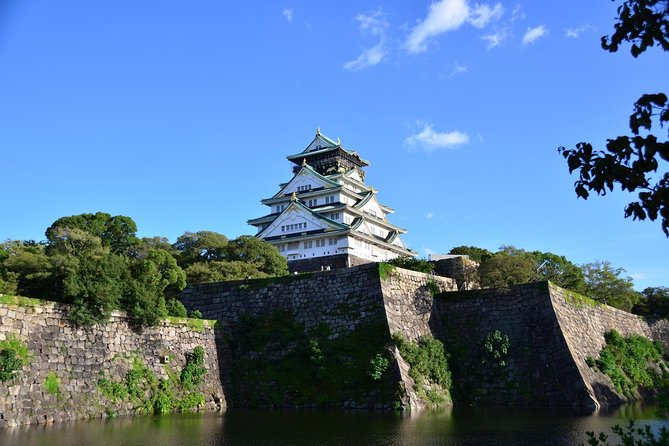
The kofun tomb portion is the point of this tour for many people. Kofun are the key to understanding Japan’s ancient power centers—large burial mounds that explain how people organized their world long ago. You’ll explore one of the tombs during the visit.
After that, you move to Daisen Park, where the itinerary includes time to stroll a Japanese garden area. This is the “slow down” segment of the day. The park is described as lightly toured compared to many central Osaka sights, and that’s exactly why it works late in the itinerary: you’re more likely to feel calm and spread out here.
Two practical notes:
- Tickets for Daisen Park are not included, and the entrance fee is listed as 200 yen per person.
- The Japanese garden at Daisen Park is closed on Mondays, unless Monday is a holiday (in which case it’s closed Tuesday).
If the garden is closed on your day, the tour provides flexibility. You can spend time shopping, tour other locations by car, or do something else based on what you prefer. That’s one of the reasons I like this plan: it doesn’t treat the garden as a make-or-break checklist item.
Lunch at kaiten sushi: easy energy, plus a cultural bonus
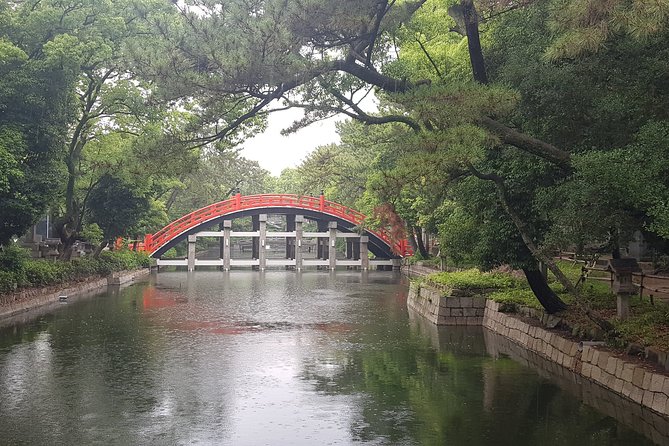
Lunch happens at a kaiten sushi, or revolving sushi, restaurant. The idea is simple: you get a Japanese-food meal that’s fast, fun, and built for group flow. Since the tour notes that food and drinks are not included, budget to pay for what you order.
What I like about this lunch style for a private tour is that it keeps the day moving without killing the fun. The best outcome is that you eat something comforting after a temple-heavy first half of the day, then you’re back in the car before fatigue catches up.
A small strategy: if you’re traveling with picky eaters or kids, ask your guide for the menu approach you’ll feel most comfortable with once you reach the restaurant. In a private setup, that kind of adjustment is usually easy.
How the day stays comfortable: walking, timing, and small route tweaks
The tour involves a moderate amount of walking. That can range from easy museum-style strolls to temple-grounds movement and a brief neighborhood walk in Shinsekai. If your group includes seniors, the reviews highlight that guides can be very patient with slower paces.
Timing also matters. The itinerary is described as a model course, and it notes that timing and deviations may happen due to traffic and external factors. In practice, that means you should treat the day as flexible rather than clockwork.
If you want to maximize comfort, come prepared for a long day from 8:30 am onward, with good walking shoes. The private car keeps the big travel friction low, but your body still needs to handle sightseeing legs.
Price and logistics: when this private tour is a smart deal
The price is listed as $708.78 per group (up to 6). You’re paying for a package that includes a local guide, private vehicle transport, and central Osaka hotel pickup. The tour also offers a mobile ticket.
Value depends on your situation:
- If you’re two to four people, the private format can feel premium, but it can still be fair if you avoid taxis plus pay for separate guided entry experiences.
- If you’re a group of 5–6, it often becomes one of the more rational ways to do Osaka and Sakai in one day without stress.
- If you care about pacing and not being herded, this style is usually worth it.
Don’t ignore the extras. Entrance fees are listed for parts of the experience: 500 yen per person for the Osaka Temples, Gardens and Kofun Tombs area, and 200 yen per person for Daisen Park. Plus, optional gardens like the Shitennoji Japanese garden add 300 yen per adult.
Pickup logistics also matter. Central Osaka hotel pickup is included, but Osaka port area pickup/drop-off adds 2,500 yen each way. Shin-Osaka adds 1,000 yen each way. If you’re staying outside central Osaka, this could affect the “all-in” budget.
Best-fit travelers (and who might not love it)
This tour fits best if you want one guide guiding the whole day and you’d rather not plan the ride segments yourself. It’s also great if you’re the type who likes explanations—how Buddhist temple layouts differ from Shinto shrines, or why kofun tombs matter.
It’s especially useful for:
- Families with kids who need breaks.
- Couples or friend groups who want calm pacing and photo time.
- Visitors who want Sakai included, since that’s usually harder to fit with public transit.
You might not love it as much if your priority is doing lots of stops outside the plan and you’re comfortable building your own day from scratch. This is a curated route with a strong set of anchors: Osaka Castle, Shitennoji, Shinsekai, Sumiyoshi Taisha, and Sakai’s kofun and Daisen Park.
Should you book this private Osaka-and-Sakai tour?
If your goal is a high-quality day that explains Osaka and also reaches Sakai, I’d lean yes. The mix is well chosen: castles and temple storytelling early, then a Shinto contrast, then south to kofun tombs and a quieter garden in Daisen Park. Add the private vehicle and hotel pickup, and the day feels easier than the sightseeing list suggests.
Book this tour if you:
- Want a flexible itinerary with your own pacing.
- Care about context, not just checkmarks.
- Prefer a calm experience with fewer crowd battles.
Hold off if:
- You’re counting on specific garden hours and your travel date hits known closures.
- Your group has little interest in temple/shrine heritage and you’re mainly after nightlife or shopping.
FAQ
FAQ
What time does the tour start?
It starts at 8:30 am.
How long is the tour?
It’s listed as about 8 hours.
How many people are in a group?
The price is per group up to 6 people.
Is hotel pickup included?
Central Osaka hotel pickup is included. Pickup or drop-off from the Osaka port area costs an added 2,500 yen each way, and Shin-Osaka adds 1,000 yen each way.
What’s included in the tour price?
Included are a local guide, transport by private vehicle, and central Osaka hotel pickup, plus a mobile ticket.
Are entrance fees included?
Entrance fees are not listed as included. The tour notes 500 yen per person for Osaka Temples, Gardens and Kofun Tombs, and 200 yen per person for Daisen Park. Some parts of sites may be free depending on how the stop is handled.
What about lunch?
The itinerary includes a stop for kaiten sushi (revolving sushi). Food and drinks are listed as not included, so you’ll pay for what you order.
Are the gardens always open?
No. The Japanese garden at Shitennoji is closed on the 21st of each month. The Japanese gardens at Daisen Park are closed on Mondays (unless Monday is a holiday, then they’re closed on Tuesday).
If a garden is closed, will the plan change?
Yes. If the Daisen Park Japanese Garden is closed on your tour day, you can choose an alternative activity such as shopping or touring other locations by car.
Do kids need car seats?
Yes. Children under 6 years old or under 140 cm MUST use car seats. A child seat costs 1,000 yen payable on the day of the tour, and you should request it in advance.