REVIEW · KYOTO
Kyoto Custom Private Car Tour with Local Guide
Book on Viator →Operated by GoAmigo! · Bookable on Viator
Kyoto can feel like a full-contact sport. This private car tour helps you cover major stops fast, without the subway sprinting, and you get a guide’s on-the-ground help along the way. I particularly like the private pacing: you spend time where you want, not where the bus schedule forces you.
The second big win is the mix of sights: bamboo-area scenery, a classic shopping street, and two of Kyoto’s most photo-friendly temple/shrine experiences in one day. A guide like Ami is also the kind of person who can steer you to the best photo spots and keep you from wandering off in the wrong direction.
One thing to consider: you’re packing in a lot, so you’ll want comfortable shoes and a flexible mindset. Also, as with any guide-based service, the quality of commentary can vary, so decide ahead of time how much history you want versus how much you just want the stops.
In This Review
- Key things to know before you go
- Kyoto in one day, minus the subway shuffle
- How the route works: Arashiyama, markets, Kiyomizu, then Inari
- Arashiyama: Sagano Scenic Railway and the bamboo grove walk
- Nishiki Market: a fast taste of old Kyoto street life
- Kiyomizu-dera: the main stage view and the temple approach
- Sannenzaka and Ninenzaka: classic lanes for photos and shopping
- Fushimi Inari-taisha: iconic torii gates at the right tempo
- Air-conditioned comfort, parking help, and bottled water
- Guide style: flexibility, pacing, and picture-friendly help
- Price and logistics: is $448 for up to 2 actually good value?
- Plan like a local: what to bring and how to pace yourself
- Who should book this Kyoto private car day
- Should you book this Kyoto custom private car tour?
- FAQ
- How long is the Kyoto custom private car tour?
- How many people can join the tour?
- Does the tour include pickup?
- What’s included in the price?
- Are admission fees included for temples and shrines?
- Is lunch included?
- Which main sights are on the route?
- Is the tour car-based throughout the day?
- When should I book?
- What’s the cancellation window?
Key things to know before you go
- Private for up to 2 people in an air-conditioned vehicle, so you’re not stuck with a large group’s tempo
- A guide plus a driver helps you keep moving and handle tricky parking areas
- Arashiyama to Fushimi Inari in one long day means fewer transport hassles and more time on the ground
- Bamboo grove + markets + temples/shrines gives you a clear Kyoto sampler without hopping between far-flung plans
- Parking fees and bottled water are included, but lunch and temple/shrine admission are not
Kyoto in one day, minus the subway shuffle
If you’re short on time, Kyoto has a way of laughing at your itinerary. Sites are spread out, crowds pool in the most popular corners, and transit can turn sightseeing into a schedule puzzle.
This is built for efficiency. You ride in an air-conditioned car between big-name areas, and you’re not fighting for space on crowded trains. The private setup also matters: you’re not waiting for 20 strangers to find the same entrance or line up for the same photo.
The day is designed to be a “see a lot, still enjoy it” rhythm. It’s not a lightning-bolt tour that treats you like luggage. The better tours balance speed with breaks, and the format here gives your guide a chance to adjust your flow based on how you’re feeling.
How the route works: Arashiyama, markets, Kiyomizu, then Inari
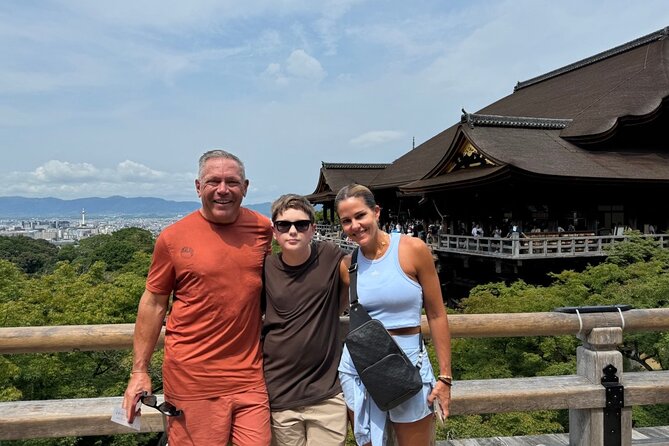
The itinerary is basically a sweeping arc through five well-known Kyoto zones. You start in the Arashiyama area, swing to central Kyoto for shopping and streets, then move through the eastern temple district and finish at the iconic shrine lanes of Fushimi Inari-taisha.
That order makes sense for people who want variety in one day:
- Arashiyama brings nature and riverside views early.
- Nishiki Market adds food-street energy and quick shopping.
- Kiyomizu-dera delivers a signature Kyoto skyline view.
- Sannenzaka/Ninenzaka gives you classic lanes and photo angles.
- Fushimi Inari caps it with the torii gate photo spectacle.
And because you’re in a private vehicle, you’re not spending your limited time trying to connect lines and transfer buses. You get “door-to-door” convenience in the parts that usually eat up a day.
Arashiyama: Sagano Scenic Railway and the bamboo grove walk
Arashiyama is the Kyoto start that feels almost different from the rest of the city—more nature, more open-air atmosphere, more green texture.
Your time here mixes two things that pair well together:
- A short Sagano Scenic Railway ride (about 25 minutes), which is a comfortable way to enjoy the scenery without turning it into a full walking hike.
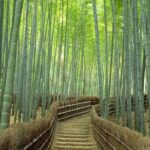
- A walk along the riverside trail up toward an observation deck, plus time to explore the bamboo grove area.
This combo is smart because it gives you both viewpoints and the classic bamboo look. The riverside-to-deck-to-grove flow also helps avoid the “arrive, get photographed, leave” feeling. You’re given time to actually move through the landscape and not just stand at one spot.
One small caution: Arashiyama can be crowded, and paths can get busy in peak seasons. Going early in your day helps. Also, if your group has limited walking stamina, tell the guide at the start—flexibility is one of the strengths people highlight with Ami, especially when heat or mobility issues come up.
Nishiki Market: a fast taste of old Kyoto street life
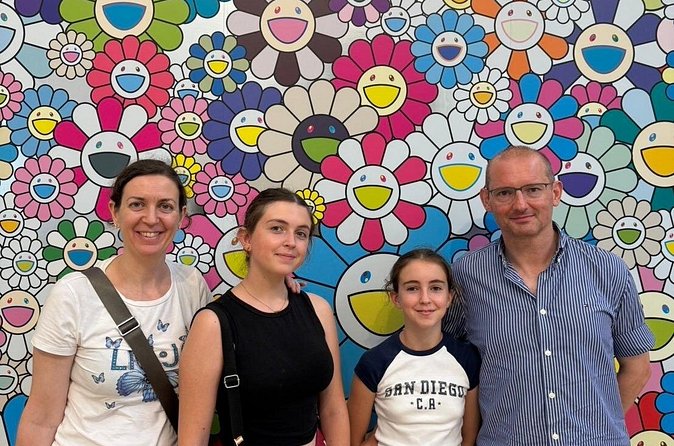
After nature comes the city buzz. Nishiki Market is one of those places that rewards curiosity: food stalls, small shops, and the constant hum of people who know exactly where they’re going.
You get about 40 minutes here. That’s long enough to:
- grab a snack or two if you want (lunch isn’t included, but you can still eat here),
- browse small items and souvenirs,
- and get a feel for Kyoto’s kitchen-and-shop culture.
With only 40 minutes, you can’t do everything. So decide your goal before you step in—snacks, shopping, or both. If you’re the type who can spend an hour in one alley browsing, you might want to keep your expectations realistic and pick your top 1–2 shops.
Kiyomizu-dera: the main stage view and the temple approach
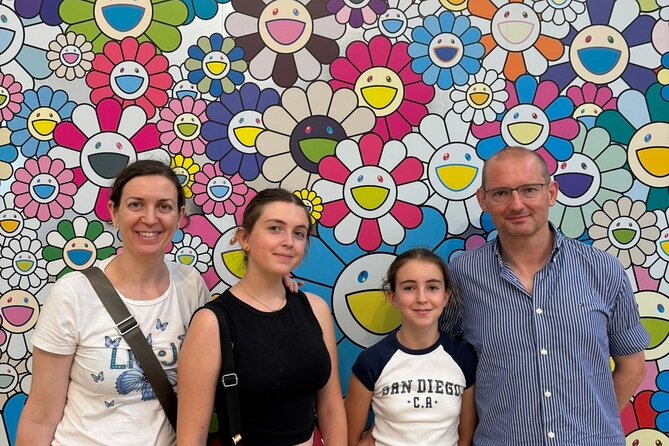
Then it’s onto Kiyomizu-dera, Kyoto’s famous temple landmark. Your time here is about 40 minutes, which is enough for the essential experience: see the main sights and enjoy the viewpoint.
The standout detail here is the stage area. From there, you can look out over Kyoto—views that tend to feel dramatic because you’re looking down into the city rather than up at it.
Also, your plan includes time to wander into the nearby street area that connects temple visiting with the classic Kyoto “old streets” vibe. That sets you up nicely for the next stop, when the lanes become the main event.
A practical tip: in temple areas, stairs and uneven ground are common. If your plan includes lots of walking, wear shoes with real grip. You’ll thank yourself later when you’re moving between levels.
Sannenzaka and Ninenzaka: classic lanes for photos and shopping
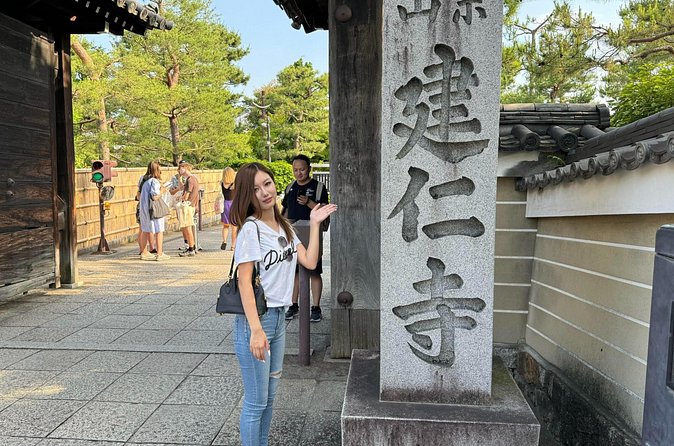
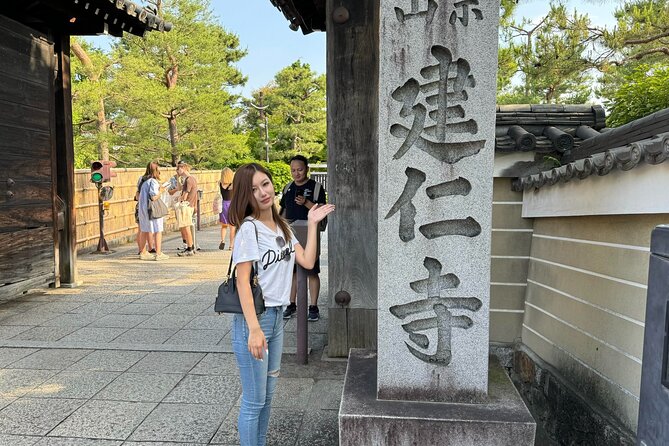
Sannenzaka and Ninenzaka are the lanes people associate with Kyoto’s postcard look. They’re lined with souvenir shops and small storefronts, and they offer plenty of photo angles—especially when you find a spot where you can frame the street receding behind you.
You’ll spend around 30 minutes here. That’s enough time to:
- stroll slowly for photos,
- pop into a couple of shops if something catches your eye,
- and enjoy the atmosphere without turning it into a full half-day detour.
The lanes can be slick or crowded, depending on the day and season. If you like taking pictures, aim for calm moments—step aside when foot traffic gets thick, and let the stream pass before you shoot.
Also, if you’re interested in extra activities like kimono experiences, remember those aren’t part of the core package. You’ll need to plan and pay separately if you decide to add something.
Fushimi Inari-taisha: iconic torii gates at the right tempo
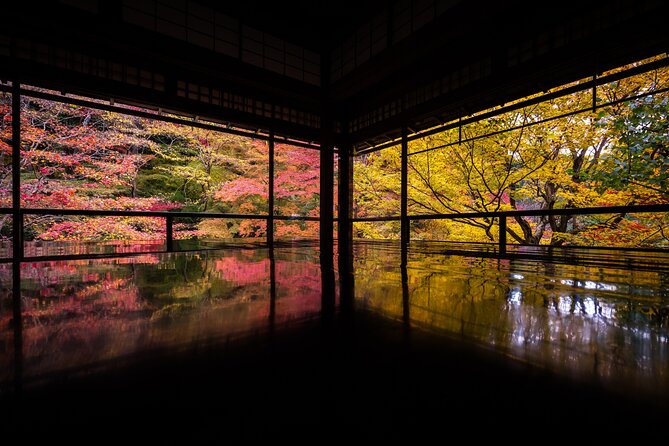
To end the day, you hit Fushimi Inari-taisha, the shrine famous for its torii gates and that classic “tunnel” look.
You’ll have about 40 minutes here. That’s a very workable amount of time because you can do the essentials—walk through the shrine area, get the iconic gate photos, and still keep the day from stretching into fatigue.
This is also the spot where the private format really pays off. If you were doing this by yourself, you’d spend more time figuring out the best entry points, dealing with crowds, and re-planning on the fly. In a guided car-and-walk setup, you can focus on the walking route you want instead of spending energy on logistics.
If you’re coming late-day and the light is shifting, you’ll also appreciate having time to pick your angles instead of being rushed out immediately.
Air-conditioned comfort, parking help, and bottled water
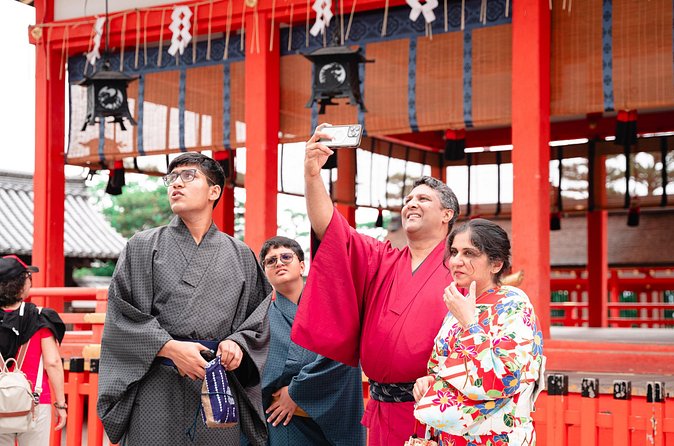
Between stops, you’re in an air-conditioned vehicle. That matters more than it sounds in Kyoto, especially if you’re visiting during warmer months. It’s the difference between arriving at each site feeling fresh versus feeling like you’ve already done the sightseeing just by getting there.
Parking fees are included, too. That’s a quiet but real value-add. In central Kyoto, parking can be a hassle, and not every tour format can make smooth car access happen. Here, your driver handles the “getting you there” part so your guide can stay with you and keep the day cohesive.
And yes, you also get bottled water. It’s small, but it prevents that annoying moment where everyone realizes they’re thirsty right when the schedule is moving.
Guide style: flexibility, pacing, and picture-friendly help
A big part of why people like this tour is the guide’s real-world approach, not just the fact that someone speaks English.
The highlights from the guide experience include:
- Flexibility with the schedule if it’s hot or if your group needs a slower pace
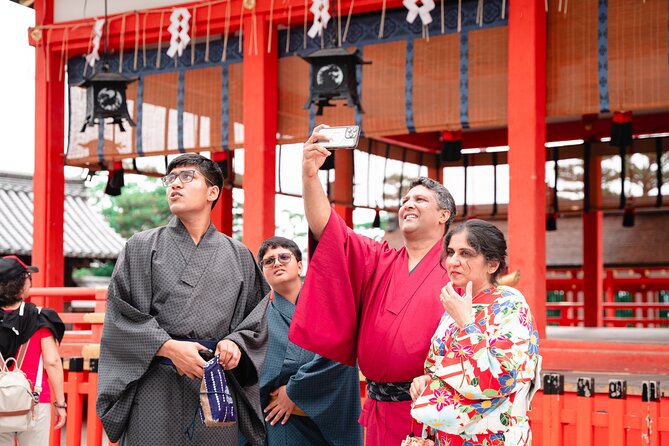
- A guide who helps with where to stand for photos and how to frame the background so you don’t just get a blurry crowd shot
- Getting help if someone in the group can’t walk as far, with the plan adjusted rather than forcing the same route
One especially practical touch: some guides will take photos with you in the background, then share them later so you don’t have to juggle your phone during the walk. If you care about pictures but don’t want to turn the day into a selfie-production, that’s worth its weight.
That said, there is one caution that keeps this review honest: not every guide experience is equally strong on history or commentary. If you want deep explanations at each stop, communicate what you want at the start. If you want quick site value and smooth logistics, this format fits that mood well.
Also, if you had a bad experience, the provider’s response indicates they’ll discontinue working with a guide when feedback shows a mismatch in expectations. That’s a signal they take quality issues seriously, not just good weather.
Price and logistics: is $448 for up to 2 actually good value?
At $448.04 per group for up to 2 people, this is not a budget tour. But it doesn’t pretend to be. The value is in what you buy:
- Private vehicle time across multiple Kyoto districts
- Parking handled (included)
- On-the-ground guidance so you spend more time at the sights and less time figuring it out
- Air-conditioning during transfer periods
If you try to replicate this on your own, the hard parts aren’t only ticket prices. It’s the friction: transit time, crowd management, and the constant micro-decisions about where to go next. This tour basically pays for friction reduction.
Where the price might feel less worth it is if you love independent wandering and you already know your transit route. If you’re comfortable navigating Kyoto without a guide and you don’t mind less comfortable transfers, you could spend less.
But if you want a day that feels coordinated, with a local guide keeping you on track and moving, the cost starts to make sense fast—especially because you’re paying per group, not per seat of a giant bus.
Plan like a local: what to bring and how to pace yourself
This is a long day—about 8 to 10 hours. You’ll be walking between key areas, plus navigating stairs and crowded lanes around temples and shrines.
Bring:
- Comfortable shoes with grip
- A light layer (Kyoto weather can swing)
- Your phone for photos, but also a small buffer for battery
Pacing strategy that works:
- Treat the morning as your “photos and viewpoints” block.
- Use Nishiki and the lanes as your “slow down and snack/shop” block.
- Finish with Inari, but don’t force a super long climb if you’re feeling tired. If you want a specific photo angle, ask the guide where to go first.
Also, remember what is and isn’t included. Lunch and dinner aren’t included. Admission fees for shrines and temples aren’t included either. The schedule notes admission ticket free for some stops, but the overall tour package doesn’t promise every entrance fee. So it’s smart to keep a little extra cash or card just in case.
Who should book this Kyoto private car day
This tour is a strong fit if:
- You’re visiting Kyoto for the first time and want the most famous sites in one day
- You care about comfort between stops (air-conditioned car beats public transit in the heat)
- You prefer a local guide who can help with photo spots and flow
- You want private flexibility for pace and walking distance
It may not be the best choice if:
- You hate structured sightseeing and want total freedom
- You’re on a tight budget and can handle more transit friction
- You’re looking for a deep, lecture-style history experience at every stop
Should you book this Kyoto custom private car tour?
If you want a coordinated Kyoto day that hits Arashiyama, Nishiki Market, Kiyomizu-dera, Sannenzaka/Ninenzaka, and Fushimi Inari without turning your trip into a transit puzzle, I think this is a smart booking. The private car, guide support, and ability to adjust are the ingredients that make a long day feel manageable.
My booking advice is simple:
- Book it if you’re time-tight and want smooth logistics.
- Ask early what the guide will focus on—photo spots, route pacing, and practical guidance—or more historical commentary.
- Wear shoes you’d wear for a real walk. Kyoto doesn’t care that you’re on vacation.
If those checkboxes match your style, this is a strong way to see Kyoto’s greatest hits in a single, well-organized day.
FAQ
How long is the Kyoto custom private car tour?
The tour runs about 8 to 10 hours, depending on your pace and what you choose to do at each stop.
How many people can join the tour?
It’s a private tour for your group only, with pricing listed for up to 2 people.
Does the tour include pickup?
Yes, pickup is offered.
What’s included in the price?
Included are an air-conditioned vehicle, parking fees, and bottled water.
Are admission fees included for temples and shrines?
No. Admission fees for shrines and temples are not included. Some parts of the schedule list admission ticket as free, but the overall tour notes that shrine and temple admission fees aren’t part of the package.
Is lunch included?
No. Lunch and dinner are not included.
Which main sights are on the route?
You’ll visit Arashiyama, Nishiki Market, Kiyomizu-dera, Sannenzaka Ninenzaka, and Fushimi Inari-taisha.
Is the tour car-based throughout the day?
Between stops, you travel by air-conditioned vehicle, with walking time at each attraction.
When should I book?
On average, this is booked about 57 days in advance.
What’s the cancellation window?
You can cancel for a full refund up to 24 hours before the experience’s start time.