REVIEW · KYOTO
Kyoto and Nara Private Car Tour with a Local English Guide Driver
Book on Viator →Operated by Japan Luxury Tours · Bookable on Viator
One car can cover two old capitals. This private tour bundles Kyoto and Nara in about 10 hours, with an English- and Japanese-speaking guide and a group size up to 13. I love the hotel pickup and the chance to choose your private vehicle, plus the local explanations that make each stop feel intentional. The catch: the day is packed, so you’ll get mostly short visits instead of slow, sit-down time.
I also like how the tour leans on Japanese staff and a green-number licensed driver setup for reliability. In reviews, guides such as Yama and Hibiki get called out for clear English and keeping things smooth for families. If you want lots of “wandering with no plan,” this might feel a bit scheduled.
In This Review
- Key highlights worth planning around
- Private car in Kyoto and Nara: fewer transfers, more control
- The safety and guide quality angle (and why the names matter)
- Kyoto hits first: Fushimi Inari to Arashiyama bamboo and Tenryu-ji
- Gion, Kinkaku-ji, and Kiyomizu-dera: iconic Kyoto without the transit headache
- Nijo Castle and a scenic detour: Amanohashidate and Ine no Funaya
- Nara in one go: deer park, Todai-ji, Kasuga Taisha, and Kofuku-ji
- What’s included, what costs extra, and how to budget like a pro
- Who should book this private car day (and who should skip it)
- Should you book Kyoto and Nara Private Car Tour?
- FAQ
- How long is the Kyoto and Nara private car tour?
- What is the group size limit?
- Does the tour include hotel pickup and drop-off?
- Are entrance fees included?
- Is Wi-Fi available during the tour?
- What language does the guide speak?
- Are there extra costs on the day of the tour?
- Is there a mobile ticket?
Key highlights worth planning around
- Hotel pickup and drop-off so you’re not fighting transit at the start and end of the day
- English-Japanese local guide who can explain what you’re seeing, not just where it is
- Private vehicle with Wi‑Fi and air-conditioning, helpful when Kyoto turns hot or rainy
- Arashiyama extras are on the table, like the Sagano Torokko train and Monkey Park (not included)
- You’ll pay some extras in yen, mainly entrance fees and day-of driving costs
Private car in Kyoto and Nara: fewer transfers, more control
Kyoto and Nara are great, but they’re also famous for how time evaporates between sites. The big win here is the private car. You get door-to-door convenience via hotel pickup and drop-off, and that means you can spend your energy on sights instead of figuring out which train goes where.
This setup is especially useful if you’re traveling with kids, elderly relatives, or anyone who doesn’t want to do stairs and transfers all day. One review nailed the feeling: being in a car cuts the stress of station navigation and long back-and-forth routes. With a private group, you can also set a pace that works for you—within the overall itinerary.
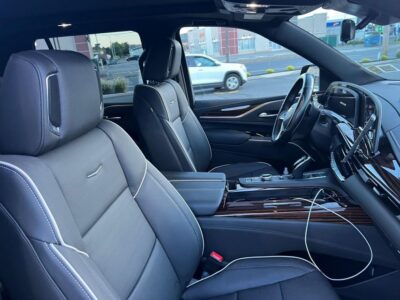
Another practical perk: you can choose the car you want. That sounds like a small thing, but in a day that covers a lot of ground, comfort matters. You also get Wi‑Fi on board and an air-conditioned vehicle, which can turn a long day into a calmer one when weather or crowds get unpredictable.
The safety and guide quality angle (and why the names matter)
You’re not just buying transportation. You’re buying trust: experienced drivers and guides who can handle the real-world messiness of a sightseeing day.
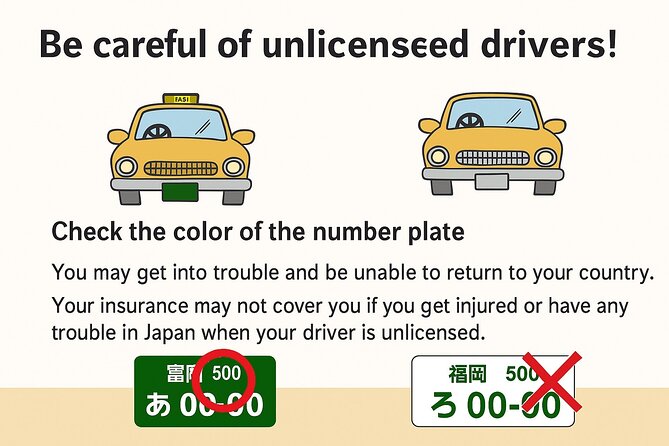
The tour emphasizes Japanese guides and professional licensed drivers (the “green number” detail is part of the driver credential). That matters because driving and parking around busy temple areas can be tricky, and you want someone who knows the rhythm of the streets. The company also mentions free Japanese language support in emergencies, which is the kind of safety-net detail that’s hard to put a price on.
Then there’s the guide factor. Reviews specifically mention Yama and Hibiki for speaking English well and giving useful history at each stop. In other words, you’re not stuck reading signs while your group moves on. You get someone who can translate what matters: why a shrine looks the way it does, what a temple is known for, and how the geography connects the day.
Kyoto hits first: Fushimi Inari to Arashiyama bamboo and Tenryu-ji
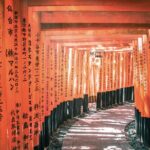
The day starts strong with Fushimi Inari-taisha, the shrine famous for Senbon Torii—the tunnel of red gates winding up a wooded slope. Even if your visit is brief, this is one of those places where a guide helps you avoid the common mistake: stopping at the first view and missing how the route changes as you move higher. In a fast itinerary, it’s worth having someone point out the best-feeling stopping spots.
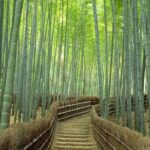
Next comes Arashiyama, which is one of Kyoto’s most scenic districts. You’ll hit the Bamboo Forest area, along with Tenryu-ji Temple and the nearby Togetsukyo Bridge. Tenryu-ji is known for its UNESCO World Heritage gardens and classic temple architecture, so this part of the route feels like a visual breather after Fushimi Inari.
A few small details make this sequence work:
- Bamboo Forest and bridge views tend to be very photo-focused, so short time can still be satisfying if you know when and where to pause.
- Tenryu-ji’s admission is not included, so you should treat this as a “worth it if you’re into gardens” stop rather than a guaranteed time-sink.
The itinerary also includes the Arashiyama Kimono Forest, a modern, photogenic installation near Arashiyama Station. This is a nice contrast to the older temple setting. Think of it as your “fun photo break” while you’re already in the neighborhood.
Two optional extras sit here too. The Sagano Romantic Train (Sagano Torokko Train) and Monkey Park Iwatayama both appear in the plan, but their admission is listed as not included. If you like animals and viewpoints, Monkey Park can feel like a quick adventure. If you prefer scenic rail time, the train ride can be a relaxing pause. Either way, plan on these costing extra beyond the base price.
Gion, Kinkaku-ji, and Kiyomizu-dera: iconic Kyoto without the transit headache

After Arashiyama, the route shifts toward Kyoto classics, and it keeps moving through areas that are typically hard to string together. This is where the car really earns its keep.
Gion is next, Kyoto’s most famous old district for geisha and maiko culture. You’re not signing up for a “performance,” but you’re getting the right walking-area atmosphere—Hanami-koji Street and the Shirakawa Canal area are the vibe zones. In short stops, I think it’s best to do what locals do: take in the street details, then move on before you burn daylight.
Then you’ll visit Kinkaku-ji (Golden Pavilion). This one is a major draw, and admission is listed as not included. If Kinkaku-ji is the reason you booked this tour, budget time and money for a more satisfying visit than a quick peek. Next, Nishiki Market Shopping District comes in as Kyoto’s “kitchen” street experience—perfect for snacks and small purchases when you want to taste the city without committing to a full meal.
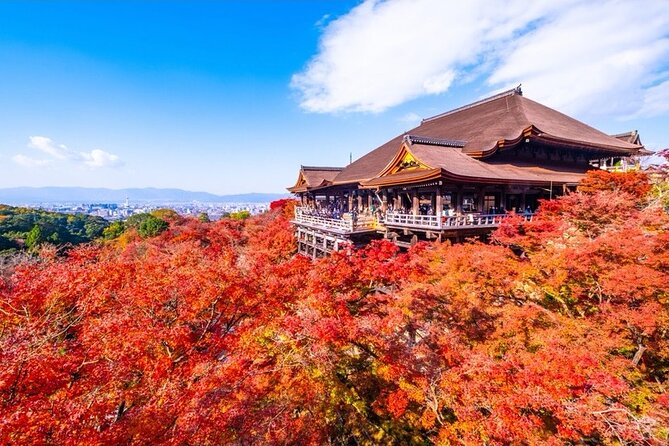
The Higashiyama temple stretch continues: Kiyomizu-dera, Ginkaku-ji (Silver Pavilion), Yasaka Shrine, and Sanjusangendo Temple are all on the route. This cluster is powerful, but it’s also where you’ll feel the tradeoff of a 10-hour schedule. With brief windows at each stop, you get the highlights and the meaning—then you move on.
A useful way to handle it: prioritize what you care about most. If you’re a temple-architecture person, focus your attention at Kiyomizu-dera and Sanjusangendo. If you prefer calmer gardens, Ginkaku-ji’s mossy, refined vibe may be your moment. Yasaka Shrine tends to feel energetic because it sits between Gion and Higashiyama and is lively on its own.
Nijo Castle and a scenic detour: Amanohashidate and Ine no Funaya

One thing that surprised me (in a good way) is how the route doesn’t stay strictly inside central Kyoto. Nijo Castle appears next, and it’s another UNESCO World Heritage stop. This can be a nice change of pace: you shift from temple worship spaces to a former shogun residence feel, with palace buildings and gardens.
After that, the plan includes Amanohashidate and Ine no Funaya, plus Amanohashidate View Land. These are well-known for scenic views and regional atmosphere rather than just landmark temples. Amanohashidate is a 3.6-kilometer sandbar known as the Bridge to Heaven, lined with pine trees. Ine no Funaya is famous for traditional boathouses built right on the water.
Here’s how to think about this section if you’re planning your expectations:
- This part adds variety, especially if you’ve already seen lots of temple exteriors.
- But it’s still part of a packed day. Scenic stops can be quick, so be ready to enjoy the viewpoints efficiently.
- Entrance fees for these stops are listed as not included, so you’ll want a little extra cash and flexibility.
If you love “Japan beyond Kyoto,” this detour can make the day feel more like a real itinerary and less like a checklist.
Nara in one go: deer park, Todai-ji, Kasuga Taisha, and Kofuku-ji

The day ends with Nara’s big names, and the logic is clear: start with Nara Park, then move into the temple and shrine heavy hitters.
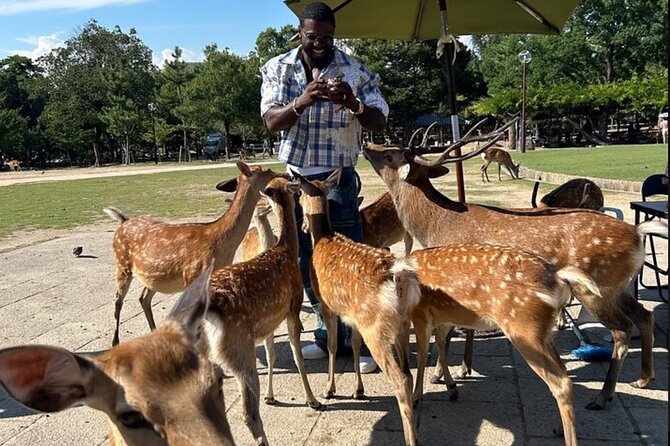
Nara Park is where you’ll see the deer. This is one of Japan’s most famous “walk-through” experiences, because the animals are part of the scenery and the photo opportunities. It’s also a good place for a reset. You’re not just staring at buildings—you’re in the same park space where Nara’s identity lives.
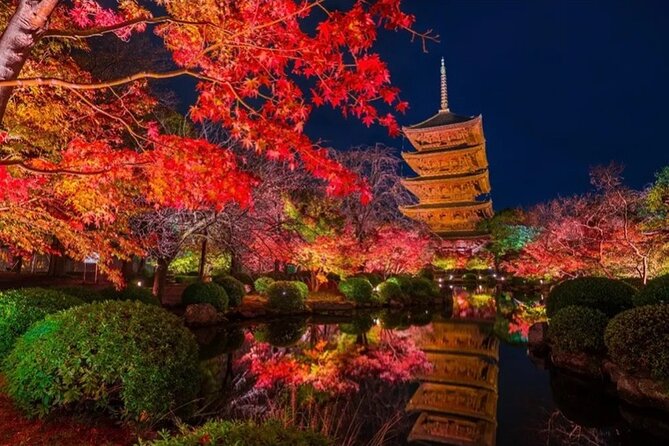
Then comes Todai-ji Temple, famous for the Great Buddha Hall (Daibutsuden). The main hall is the headline, and like many top temples here, admission is listed as not included. Next you’ll go to Kasuga Grand Shrine, known for hundreds of bronze and stone lanterns that create a magical effect at night (even during the day, the number of lanterns is striking). After that, Kofuku-ji Temple’s five-story pagoda is on the route.
This Nara segment works well in a private-car format because these are major sites that otherwise take time to hop between. Having a guide who can explain what you’re seeing is key, since Nara’s structures connect to older Buddhist and Shinto traditions in a way that can be hard to decode if you’re only reading quick signs.
What’s included, what costs extra, and how to budget like a pro
Let’s talk money and time, because this tour is a value play—but with a couple of common add-ons.
Included:
- Experienced local English and Japanese-speaking guide
- Hotel pickup and drop-off
- Private transportation with a professional licensed driver
- Wi‑Fi on board and air-conditioned vehicle
- Fully customizable tours based on your preferences
- Complimentary support for Shinkansen and restaurant reservations
- Mobile ticket
Not included:
- Entrance fees (temple and shrine admissions are not included)
- Meals
- Driving costs like gas/parking/highway fees in Japanese yen cash on the tour day, listed as ¥10,000.00 per booking
There are also optional upgrades:
- Kansai Airport Transfer is listed as an extra fee option
- A Mercedes-Benz V-Class is offered as a high-cost option for VIP-level transport
My practical advice: treat the base price as your transportation + guide + routing. Then set aside a separate budget for admissions and any optional add-ons like the train or Monkey Park if you choose them. If you’re a shopping person, Nishiki Market is also a place where spending can creep up fast, so decide in advance if you want snacks only or proper gifts.
Who should book this private car day (and who should skip it)
This tour is a strong fit if you want:
- One-day access to Kyoto and Nara highlights without juggling trains, taxis, and walking distances
- A guide who can explain context while you’re moving fast
- A comfortable setup for families, including kids and elderly visitors (this came up in reviews)
- A mix of temples, shrine areas, shopping, and scenic detours like Amanohashidate
You might want to choose something else if:
- You hate tight schedules and prefer long museum-style visits
- You’re only interested in one or two sites and want deep, unhurried time there
- You don’t want to pay extra entrance fees and optional activities (since admissions are not included)
The customizable promise is important here. If you tell the guide what matters most, you can often shift emphasis within the overall route. That’s where private tours can feel smarter than fixed group schedules.
Should you book Kyoto and Nara Private Car Tour?
If your priority is efficiency with comfort—and you like having a guide explain what you’re seeing—this is a solid booking. The combination of hotel pickup, private transport for a group (up to 13), English-Japanese guidance, and well-rated guides like Yama and Hibiki makes it feel like a low-friction way to handle two big cities.
If you’re the type who needs 90 minutes alone inside every major temple, or you want zero added fees, you may find the itinerary too fast. But if you want a day that covers Kyoto icons like Fushimi Inari, Arashiyama, Gion, Kinkaku-ji, Kiyomizu-dera, and then transitions into Nara’s deer-and-buddha core, this tour’s format is exactly built for that.
FAQ
How long is the Kyoto and Nara private car tour?
The tour is listed as about 10 hours.
What is the group size limit?
The price is per group for up to 13 people.
Does the tour include hotel pickup and drop-off?
Yes, hotel pickup and drop-off are included.
Are entrance fees included?
No. Entrance fees are not included.
Is Wi-Fi available during the tour?
Yes, Wi‑Fi on board is included.
What language does the guide speak?
The guide is described as fluent in English and Japanese.
Are there extra costs on the day of the tour?
Yes. Gas, parking, and highway fees are listed as ¥10,000 cash per booking on the tour day. Entrance fees and meals are also not included.
Is there a mobile ticket?
Yes, mobile ticket is included.