REVIEW · OSAKA
Koyasan Day Trip by Private Car from Osaka
Book on Viator →Operated by MagicalTrip Inc. · Bookable on Viator
Koyasan by private car is surprisingly easy. This private day trip turns the spiritual heart of Japan into a smooth, guided route—UNESCO temples, sacred ceremonies, and a traditional vegan monk-style meal, all with comfort built in. I like that you get private transport plus a dedicated English-speaking guide, so you’re not guessing your way around.
I also love the focus on places you usually cannot just wander into: exclusive temple access and the visually powerful Goma fire ritual. That said, it is a long 10-hour day, and the schedule can adjust if weather or traffic changes the plan.
From Osaka, the biggest win is how the day flows. You start at 8:00 am near JR Osaka Station, ride in a comfortable vehicle, and move from shrine to temples to Okunoin at a pace that still leaves room to listen. One possible drawback: you’re walking and standing at several sacred sites, so plan on some endurance and layered clothing.
In This Review
- Key Highlights You’ll Feel Immediately
- Why This Koyasan Day Trip Feels Smarter Than DIY
- Osaka Pickup, Private Car Comfort, and a 10-Hour Rhythm
- Katsuragi-cho Shrine Stop: Start With Water and Quiet
- Mt. Koya Rise: Kukai and the Core Ideas Behind the Sites
- Danjyo Garan Temple Complex: Pagodas, Halls, and Symbolic Architecture
- Kongobu-ji Temple and the Rock Garden Silence
- Shojin Ryori in Koya-cho: Vegan Monk-Style Lunch That’s Actually Filling
- Shojoshin-in Temple: Normally Off-Limits Access
- Goma Purification Fire Ceremony: A Visually Powerful Ritual
- Okunoin Cemetery Walk: Lantern Path and the Weight of a Sacred Place
- Price and Value: What You’re Really Paying For at $520.29
- Timing and Weather Reality: Why Your Day Can Shift
- Who This Tour Fits Best (and Who Might Want Another Option)
- What to Bring and How to Prepare
- Should You Book This Koyasan Private Car Tour?
- FAQ
- How long is the Koyasan day trip from Osaka?
- Is hotel pickup available?
- Do I need to buy temple tickets?
- Will the guide speak English?
- Is there a vegan lunch option?
- Are the temples included on the tour normally open to the public?
- Where does the tour start and end?
- What happens if weather or traffic affects the schedule?
Key Highlights You’ll Feel Immediately
- Exclusive temple time at a normally off-limits temple, with translation support from the guide
- Goma fire ritual experience tied to esoteric Buddhist purification practices
- Shojin Ryori vegan lunch in Koya-cho, presented as a monk-developed Buddhist meal
- Okunoin cemetery walk through the lantern-lit path toward the most sacred resting grounds
- Rock garden serenity at Kongobu-ji alongside the main Shingon temple complex
Why This Koyasan Day Trip Feels Smarter Than DIY
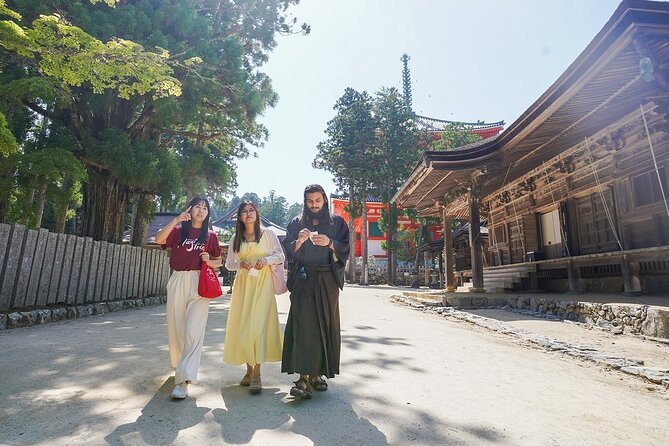
If you’ve ever tried to reach Koyasan on your own, you know the real issue is not just getting there—it’s the time and mental load. This tour reduces both by handling the main transport and putting an English-speaking guide at the center of your day. You spend less time figuring routes and more time understanding what you’re seeing.
The private format matters, too. You’re not stuck with a one-size-fits-all pace or forced into a group scramble at each stop. Instead, the flow is set up to support guided time at major sites and also special access moments that would be hard to line up independently.
Osaka Pickup, Private Car Comfort, and a 10-Hour Rhythm
The day begins at 8:00 am at McDonald’s near JR Osaka Station (Sakurabashi Exit Restaurant area). You’ll end back at the same meeting point, which is a relief if you’d rather not coordinate extra transport after a long day.
On the logistics side, this is built for comfort:
- Pickup is offered (hotel pickup is listed), plus a private chauffeur.
- The vehicle ride is part of the plan, not an afterthought.
- Tickets are handled as part of the experience (mobile ticket), and admission is included.
A 10-hour day can still feel like a lot, but the stops are spaced so you’re not just rushing through stone and silence. You’ll have guided time at major temple complexes and shorter moments at specific sites, plus a full hour for lunch.
Katsuragi-cho Shrine Stop: Start With Water and Quiet
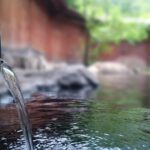
You begin with a local shrine stop at Katsuragi-cho, where the focus is a sacred waterfall. The tour frames it as an upstream spot along the Anabushi River (also referred to as the Shijuhasse River), with sources tied to Mount Mikuni and Mount Shuku.
Why this first stop works: it shifts you from Osaka’s energy into Koyasan’s slower pace. Even if you’re not a temple expert, a shrine setting like this is a fast way to read the mood of the place—water, ritual space, and the sense that the landscape has meaning.
This stop is also light on cost and time: about 30 minutes and free admission, so it sets the tone without eating your day.
Mt. Koya Rise: Kukai and the Core Ideas Behind the Sites
Next comes Mt. Koya, where you ascend and get a key cultural grounding. This part is short—around 10 minutes—but it matters because it gives you the story thread. Your guide shares beliefs connected to Japanese Buddhism and the founder figure Kukai, the monk who established this sanctuary over 1,200 years ago.
If you’re the type who likes to know why a place exists before taking it in, this is time well spent. Without that setup, Danjyo Garan and Kongobu-ji can feel like impressive architecture. With it, you’re better able to understand the symbolism and spiritual focus behind what you’re seeing.
Danjyo Garan Temple Complex: Pagodas, Halls, and Symbolic Architecture
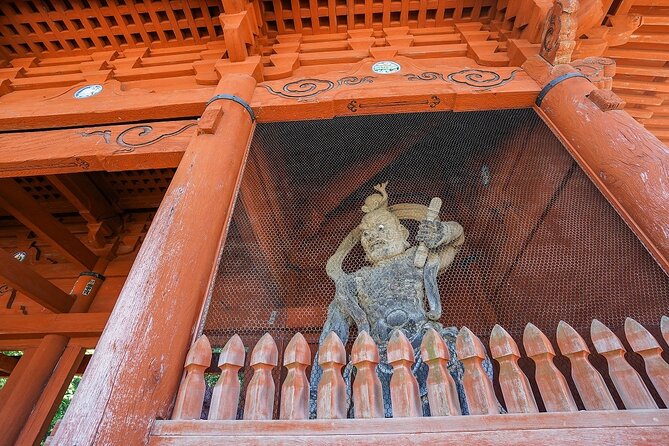
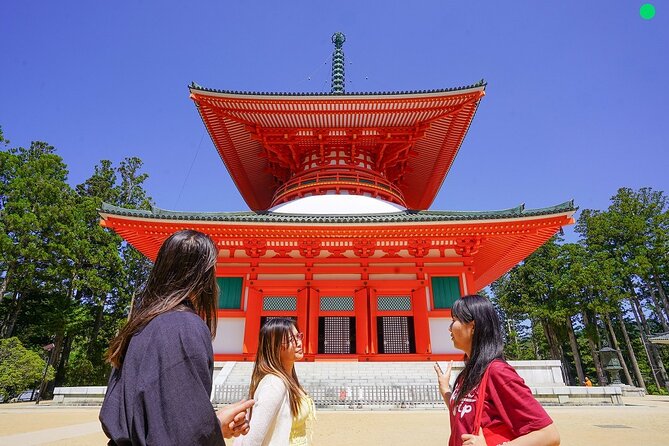
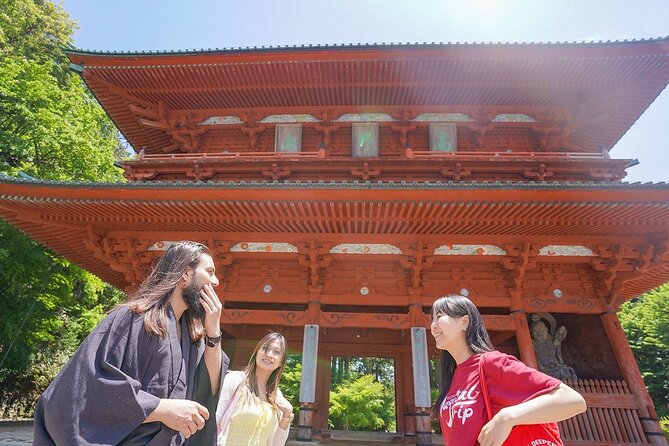
At Koyasan Danjo Garan, you’ll visit one of the most significant temple complexes in the area. The tour time is about 20 minutes, with admission included.
What makes this stop feel important is the mix: striking pagodas, tranquil halls, and architecture built to reflect teachings in esoteric Buddhism. Even in a short visit, you’re usually able to pick out the structures that represent the ideas the guide is explaining—so you’re not just looking at buildings, you’re learning how they function as a spiritual statement.
Practical note: temple complexes often require quiet walking and respectful behavior. Keep your voice down, and treat this as a listening stop, not a photo sprint.
Kongobu-ji Temple and the Rock Garden Silence
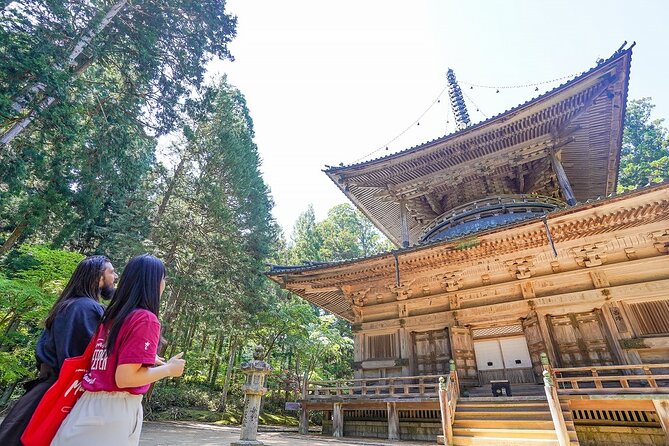
Then you head to Kongobu-ji, described as the main temple of the Shingon sect. You get around 40 minutes here, including admission.
The headline feature is Japan’s largest and striking rock garden. But the value is bigger than the garden itself. You’ll be in hushed wooden corridors and main temple spaces where the atmosphere supports slower attention. A good guide helps you notice how the layout and stillness fit the overall spiritual tradition, not just the visual design.
If you’re traveling with family or friends who sometimes lose patience in long temple visits, this stop can still work well. The rock garden gives you something concrete to focus on, while the corridor walk offers a natural pause.
Shojin Ryori in Koya-cho: Vegan Monk-Style Lunch That’s Actually Filling
Lunch happens in Koya-cho with a traditional Buddhist vegan meal called Shojin Ryori. You’ll have about 1 hour here, with admission listed as free for the lunch portion (the meal itself is included).
The best part: Shojin Ryori is described as a delicate plant-based meal once developed for monks. That phrasing matters. It tells you this is not just vegetarian food for convenience—it’s food shaped by Buddhist practice and monastic life.
It’s also explicitly vegan-friendly, and you’re invited to inform the operator of dietary restrictions at booking. That helps you avoid the common stress of wondering if the meal will match your needs.
One more small benefit: the guide’s food and drinks are covered. That usually means the guide can stay fully focused on the experience rather than needing stops for themselves.
Shojoshin-in Temple: Normally Off-Limits Access
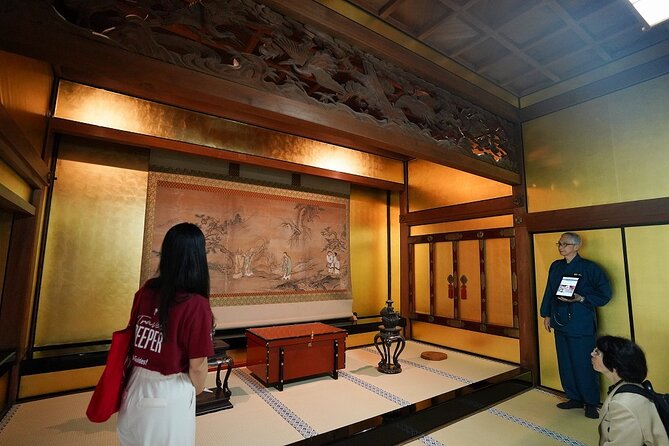
The next highlight is Shojoshin-in Temple, where you’ll get access to a temple that’s normally off-limits. Your visit is around 30 minutes and admission is included.
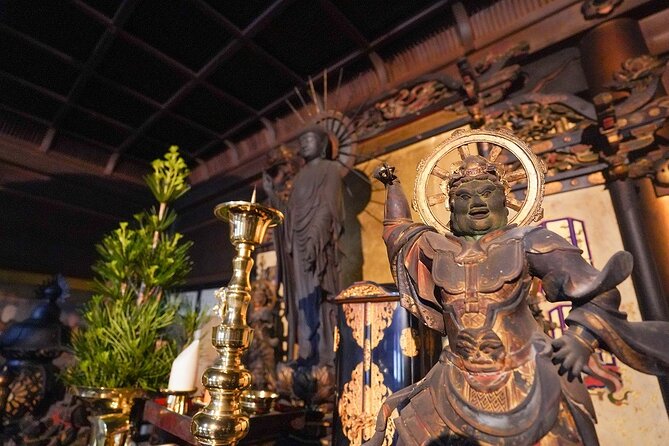
What’s distinctive here is the level of guided context. You’ll tour inside, and the experience includes translation support with a resident monk. That combination matters because it gives the rituals and symbols more meaning than you’d get from a generic walkthrough.
This is also where a private group really shines. A resident monk and temple staff are not running a show for mass crowds. Your timing and respectful behavior are part of why you’re allowed in at all.
Goma Purification Fire Ceremony: A Visually Powerful Ritual
Immediately after the temple visit, you’ll join the Goma fire ritual. This is one of the more visually intense moments in the day, with about 30 minutes included and admission included.
The tour describes it as a Buddhism purification fire ceremony tied to esoteric Buddhism. The key word for you to remember is purification—this ritual isn’t presented as a performance. It’s a spiritual act with symbolic meaning, so it’s worth treating it as such: watch carefully, listen to the guide’s translation, and try not to treat it like a quick photo stop.
If you’re sensitive to loud sounds or strong smells, know that a fire ceremony may have those elements. The tour data doesn’t list comfort details, so I’d come prepared to handle a more intense sensory moment than a typical temple stop.
Okunoin Cemetery Walk: Lantern Path and the Weight of a Sacred Place
To close the day, you walk to Koyasan Okunoin, described as Japan’s most sacred cemetery. You’ll have about 1 hour for this section, including admission.
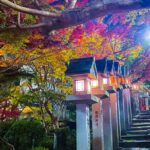
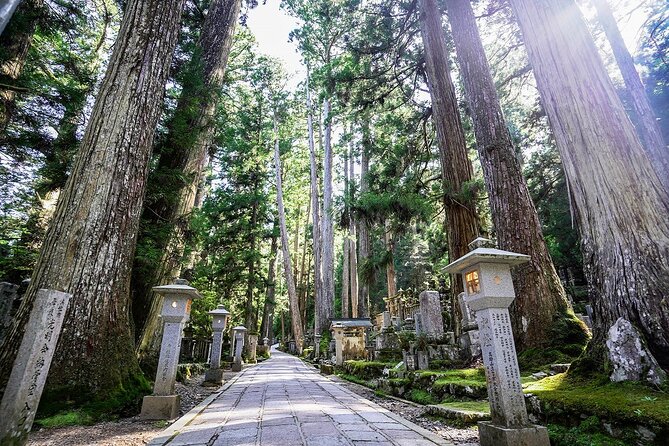
Expect a lantern-lit path and gravestones covered in moss—an atmosphere built for quiet reflection. The Okunoin part is often why people want Koyasan in the first place: it’s not just temples and gardens, it’s the feeling of being in a long, sacred continuum.
This is also where you’ll likely notice the stamina demands of a 10-hour day. The walk is time-based (about an hour), but the pace can still feel slower because of the spiritual quiet and the way you’re meant to move. Wear comfortable shoes and give your body permission to go at a calm speed.
Price and Value: What You’re Really Paying For at $520.29
At $520.29 per person, this is not a bargain-basement day trip. But it is built like a premium private experience: private vehicle with chauffeur, dedicated English-speaking guide, entry tickets included, lunch included, and special access to sites that are not typically open.
Here’s the value equation I see:
- If you’d otherwise spend extra time and money sorting transport, this removes that friction.
- Private access and guided translation at temples adds more than convenience—it adds understanding.
- Shojin Ryori lunch means you don’t lose time hunting food on the mountain.
Group discounts are listed, so check if your party size affects the total. And if you’re traveling as a couple or small group, the private setup often feels more reasonable because you’re buying back your time and stress.
Guides in recent feedback are frequently praised for being warm and attentive, with names like Meri and Megui showing up. That matters because your day is spiritual and historical, and a guide’s tone affects how the experience lands.
Timing and Weather Reality: Why Your Day Can Shift
The operator notes that the itinerary may be adjusted or canceled depending on weather or traffic conditions, and refunds are not provided for limited visibility due to weather.
This is important for you to plan mentally. If it’s raining, expect less pleasant walking conditions—especially on the way to Okunoin. If it’s foggy or visibility is limited, they may prioritize safer or more workable route segments. In other words, the day is designed to protect the experience, not just the clock.
Also, if any shrines or temples are closed that day, the tour visits alternatives instead, without refunds for those changes.
Who This Tour Fits Best (and Who Might Want Another Option)
This Koyasan private car trip is a strong match if:
- You want an English-speaking guide to explain Buddhism and symbolism as you go.
- You care about access to places not normally open to the public.
- You prefer comfort and reduced transport stress over DIY time.
It can be a harder fit if:
- You want a more flexible schedule with minimal structure.
- You dislike ceremonial intensity like the Goma fire ritual.
- You’re very sensitive to walking on uneven or temple-path terrain.
What to Bring and How to Prepare
Even though the guide and included elements handle a lot, you should still prepare like you’ll be outside for most of the day.
Bring:
- Comfortable walking shoes for Okunoin.
- A light layer for temperature changes between Osaka and the mountain.
- Any dietary needs you have, shared at booking for the Shojin Ryori meal.
If you’re planning photos, remember this is a sacred setting. Keep your behavior respectful and follow guide instructions on where and how to stand.
Should You Book This Koyasan Private Car Tour?
Yes, if you want Koyasan with minimal headaches and a guide who can translate meaning, not just facts. The biggest reason to book is the combination: private transport, English guidance, exclusive access, and included experiences like Shojin Ryori and the Goma purification fire ritual.
If you’re on a tighter budget or you’re comfortable doing more independent transit and temple research, you might choose another approach. But if your goal is a thoughtful, guided spiritual day—without scrambling for trains and tickets—this private car version is the cleanest way to get there.
FAQ
How long is the Koyasan day trip from Osaka?
The tour lasts about 10 hours.
Is hotel pickup available?
Pickup is offered, and hotel pickup is listed.
Do I need to buy temple tickets?
No. Admission tickets are included for the temple and ceremony stops, and you’ll receive a mobile ticket.
Will the guide speak English?
Yes. The tour includes a dedicated English-speaking guide.
Is there a vegan lunch option?
Yes. Lunch is Shojin Ryori, described as a Buddhist vegan meal, and vegetarian and vegan options are available. You should inform the operator of any dietary restrictions when booking.
Are the temples included on the tour normally open to the public?
Some places are described as normally off-limits and opened exclusively for this experience, so you get access that you likely wouldn’t get on your own.
Where does the tour start and end?
It starts at McDonald’s near JR Osaka Station Sakurabashi Exit Restaurant (Osaka, Kita Ward, Umeda, 3-chōme, 11 B1) at 8:00 am and ends back at the meeting point.
What happens if weather or traffic affects the schedule?
The tour may adjust or cancel based on weather or traffic. If visibility is limited due to weather, refunds are not provided. If places are closed that day, alternative locations are visited without refunds for those changes.