REVIEW · HUE VIETNAM
Hue: Half-Day DMZ Tour to Vinh Moc Tunnels by Private Car
Book on GetYourGuide →Operated by Hue Private Drivers · Bookable on GetYourGuide
History feels close on this drive. You’ll start in Hue and roll straight to the former line dividing North and South Vietnam, then head underground to see the Vinh Moc Tunnels—an underground village that locals built to survive bombing. I also like the comfort and calm of a private AC car with a driver who can handle the long route and keep you moving on time.
One thing to plan around: parts of the DMZ area can be under reconstruction, and at least sometimes a museum may be closed or less informative than expected. Still, the key stops remain powerful—and your local site guides help you make sense of what you’re seeing.
In This Review
- Key highlights you’ll actually care about
- Hue to the DMZ: Why this day trip hits differently
- Pickup in Hue and the drive rhythm you should expect
- Hien Luong Bridge: border theater you can read with your eyes
- Ben Hai River: the 17th parallel, explained where you can see it
- Vinh Moc Tunnels: underground life that makes the war feel real
- A word on the DMZ area around it
- Transport quality: why the driver matters on this route
- Timing and meals: how to avoid getting surprised mid-day
- Price and value: is $16 a good deal for a DMZ day?
- Who should book this Hue DMZ to Vinh Moc tour
- Practical tips so your day feels easier
- Final verdict: should you book this tour from Hue?
- FAQ
- How long is the Hue DMZ tour to Vinh Moc Tunnels?
- Where does the pickup happen?
- What stops are included during the tour?
- What’s included in the price?
- Do I need to bring a flashlight?
- Are meals included?
- Is this tour suitable for everyone?
Key highlights you’ll actually care about
- Private door-to-door transport from Hue with a driver speaking basic English
- Hien Luong Bridge + the border story tied to the Geneva Accords after Dien Bien Phu
- Ben Hai River photo stop at the 17th parallel, with the demilitarized buffer explained
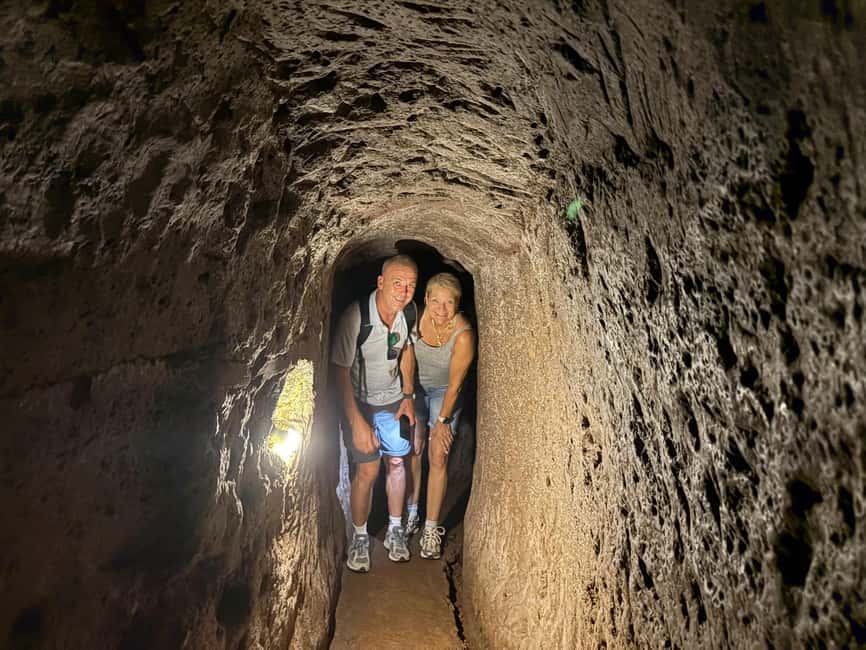
- Vinh Moc Tunnels walking route designed for an underground village, not just a short exhibit
- Local guides at the sites who explain what life was like down below
- Expect a quieter feel in a private group compared with big, crowded group tours
Hue to the DMZ: Why this day trip hits differently
This isn’t a sit-and-watch kind of tour. It’s a “follow the geography of the conflict” day. You leave Hue and travel toward the former boundary that split families, farmland, and daily life. Then you walk through the physical proof of survival at Vinh Moc, where the war isn’t described—it’s built into the tunnels you move through.
The route also matters. Central Vietnam’s wartime landmarks aren’t random stops. They form a line you can understand: border → demilitarized buffer → underground living.
Pickup in Hue and the drive rhythm you should expect
Your day starts with pickup from your hotel or homestay in Hue. You’ll want to be ready in the lobby about 10 minutes before the scheduled time. From there, you’re on the road with a private, air-conditioned car and a driver who can handle basic English and route needs.
The timing is a bigger deal here than on some tours because the drive takes real chunks of your day. Expect around 1.5 hours to reach Hien Luong Bridge. The full experience typically lands in the 6–10 hour range, depending on your day’s pace, stop length, and whether you add anything on the way back.
If you’re the type who hates rushing, you’ll probably appreciate that the stops are planned with walking time built in—especially at Vinh Moc.
Hien Luong Bridge: border theater you can read with your eyes
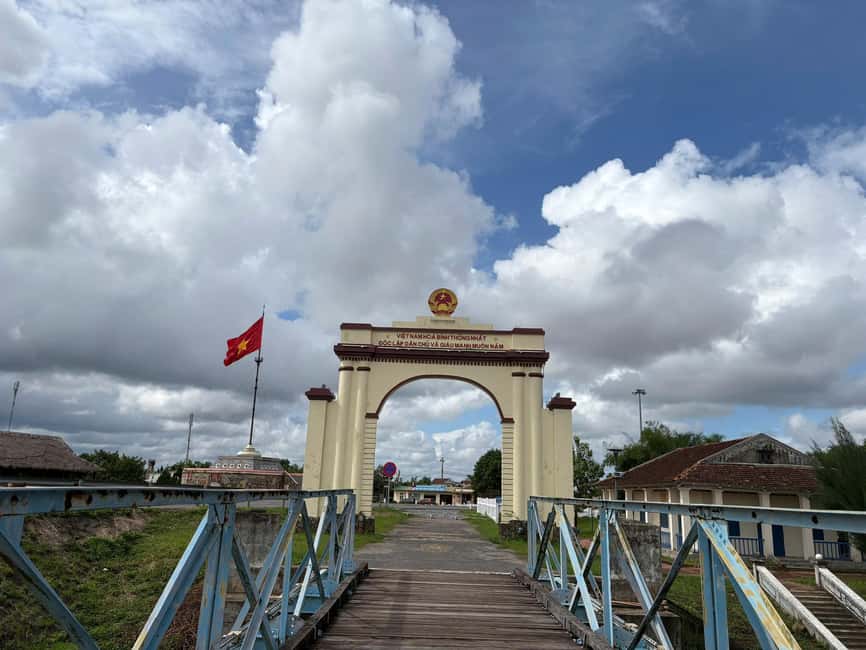
Hien Luong Bridge is the kind of place where the view looks simple, but the story is heavy. It’s strongly tied to Vietnam’s post-1954 border reality, connected to the Geneva Agreement after the Dien Bien Phu victory.
You’ll have time for photos and sightseeing, and then a longer visit where you can actually walk around and take it in. This is also where you’ll get the “how did they live with this?” explanation—from the symbolism of reunification and peace to the meaning of the line that once separated two Vietnams.
A practical tip: while you’re there, pay attention to the display elements around the bridge area. One guide-style detail that stands out in people’s memories is how visual cues like colors, flags, and loudspeaker-style elements are part of the messaging you’re meant to notice on site.
Ben Hai River: the 17th parallel, explained where you can see it
Next comes the Ben Hai River. This is a quick stop, but it’s not random. It sits along the 17th parallel, and it’s tied directly to how the demilitarized zone was laid out after the 1954 Geneva Accords.
Here’s what makes this stop useful for your understanding: it turns the war map into something physical. You’re not just hearing numbers. You see the river that helped define the dividing line, and you’re told about the buffer zone idea—an area extending five kilometers on each side.
This is also a good moment to stretch and reset your brain. The tour shifts from “border meaning” to “survival engineering” with Vinh Moc.
Vinh Moc Tunnels: underground life that makes the war feel real
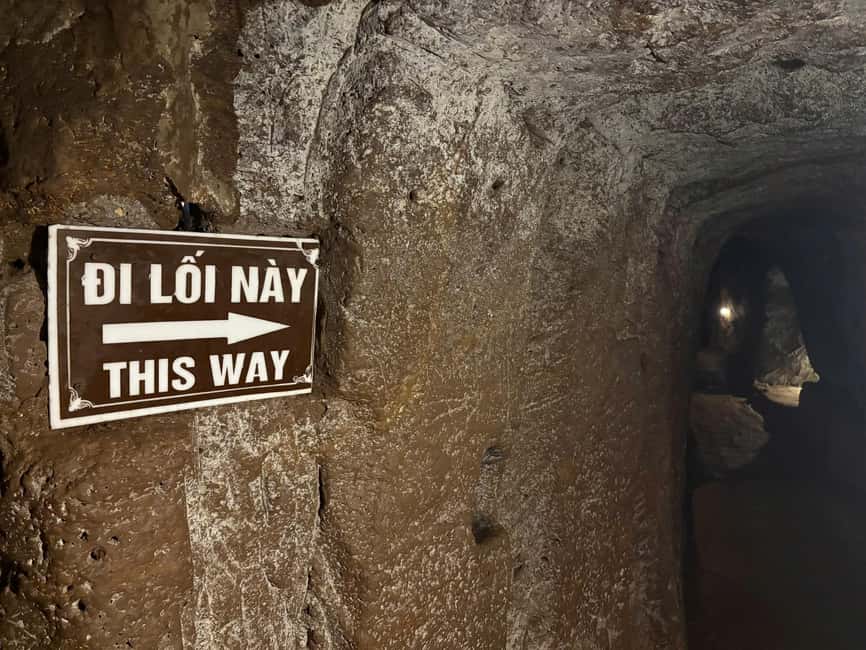
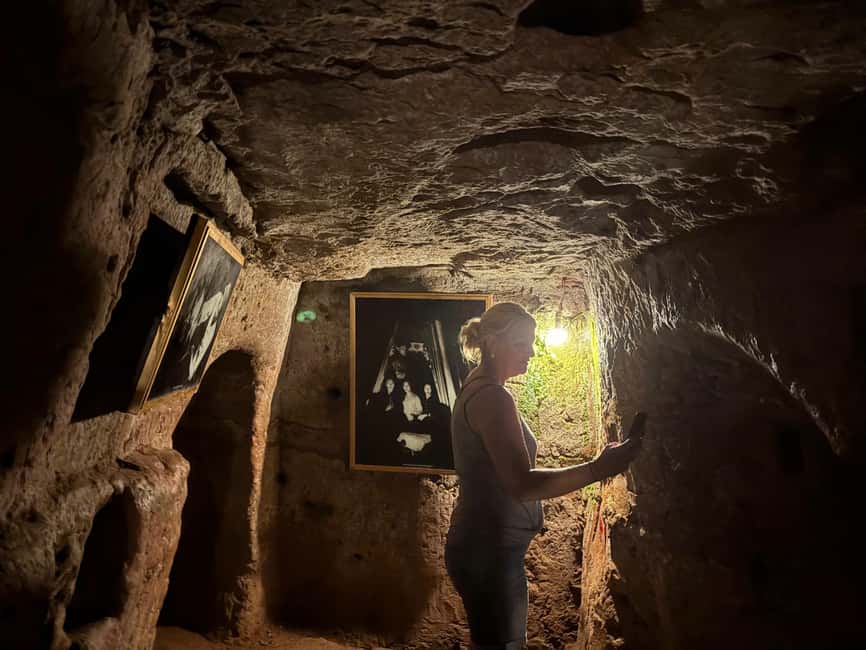
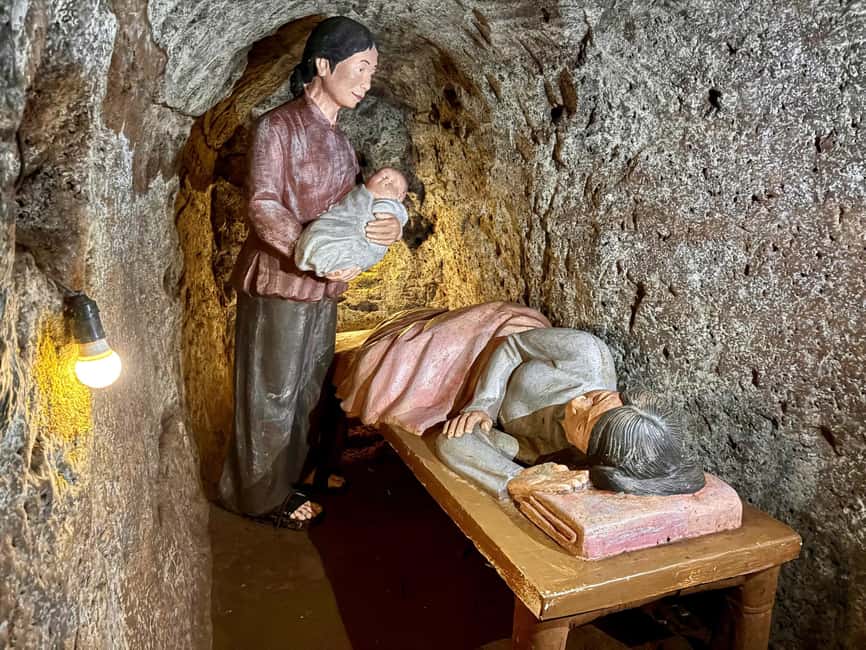
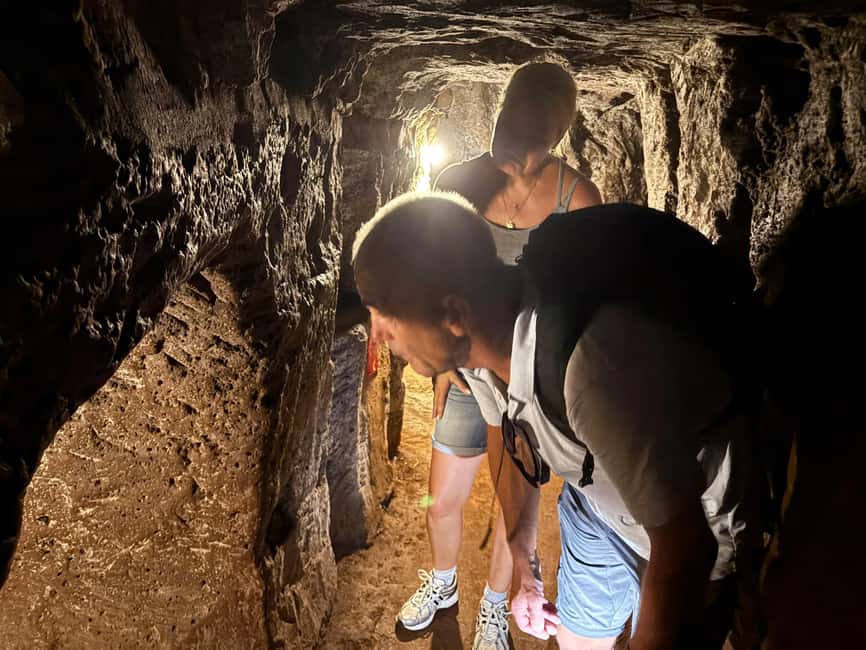
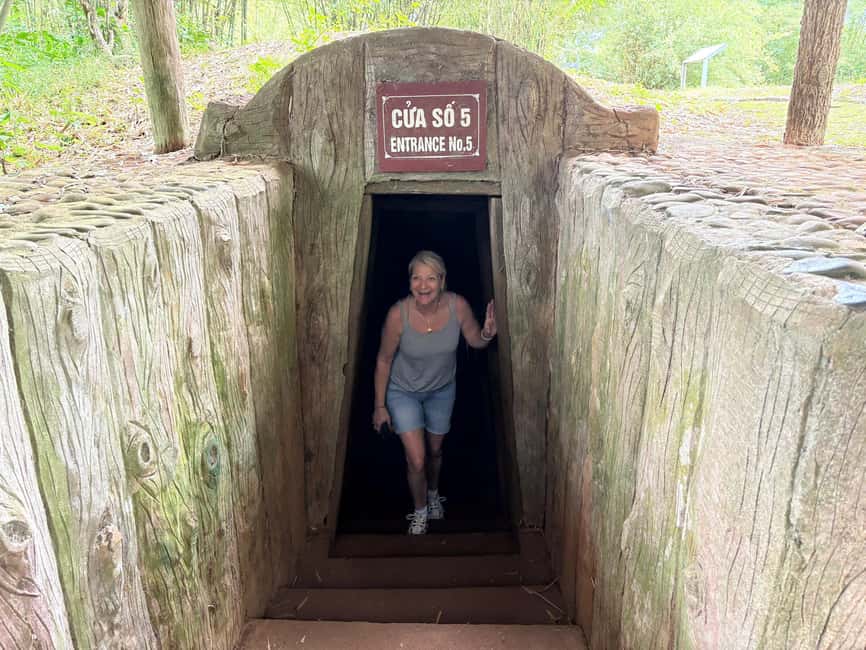
This is the main event. The Vinh Moc Tunnels in Quang Tri province are an extensive tunnel system—not just a single hallway—and they were built after heavy bombing in 1965. Locals turned underground into shelter and living space, creating a kind of underground village.
You’ll spend about an hour here with time to walk through and absorb what you’re seeing. A local guide is included on site, and this is where the day becomes personal in a way that’s hard to get from museums alone.
What to expect while you’re inside:
- It’s a walking experience, not a quick glance.
- You’ll want to move slowly enough to understand the layout as you go.
- Your guide helps connect construction choices to daily survival needs.
Bring the right gear. The tour explicitly asks for a flashlight, and you’ll be glad you have one. Even if there’s lighting, having your own light helps you actually see the details when the tunnel turns or the path dips.
One more practical note from people who’ve done this with private transport: the Vinh Moc tunnels can feel quieter and more personal when your group is smaller. That matters here. Underground spaces already compress your comfort zone—less crowding makes it easier to focus on the story.
A word on the DMZ area around it
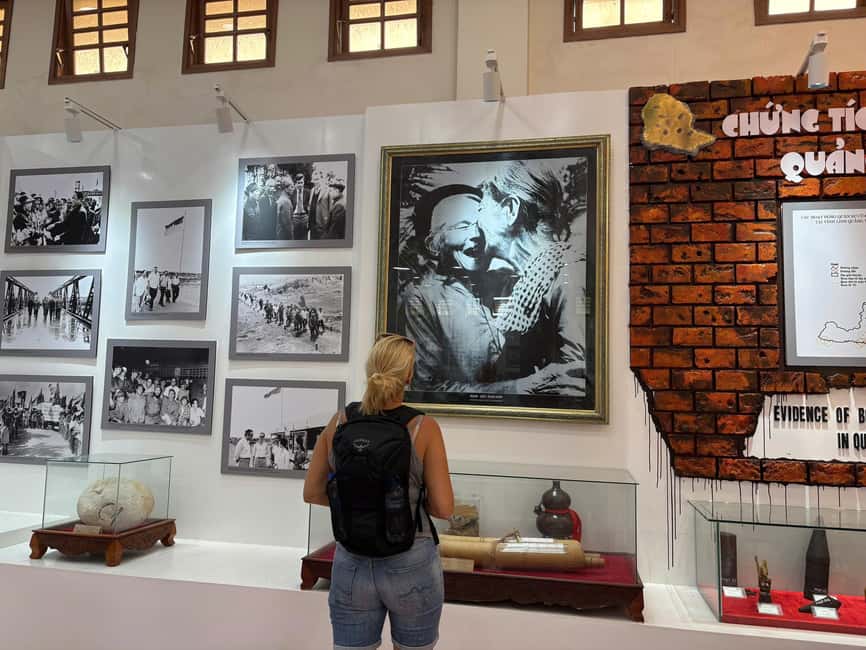
Some days, the broader DMZ museum or parts of the area may be closed or under reconstruction. That can make the on-site interpretation feel less complete than you expect.
The silver lining: the core experience still works because Vinh Moc is intact and your included local guides bring the missing context. A strong driver and guide team can also help you connect the dots between what you see above ground and what you experience underground.
Transport quality: why the driver matters on this route
On paper, this tour looks like a history day. In real life, it also becomes a “driver day.” The driving time is long enough that the comfort and competence really shape your mood.
Your experience includes:
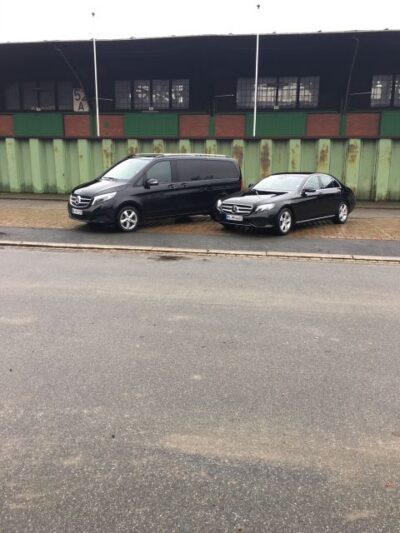
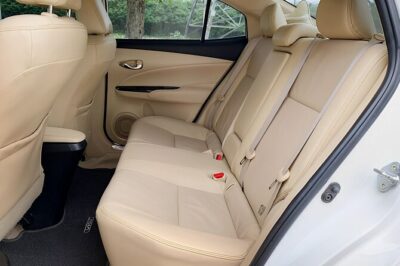
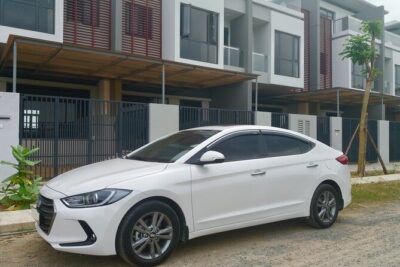
- A private AC vehicle
- A driver with basic English
- Road tolls, parking fees, and fuel handled for you
- Bottled water
From the names people remember, drivers can strongly influence how smooth the trip feels. Examples include Chris, Brian, Tommy, Try, Duc/Daniel, and Michael—different personalities, but a common theme: punctual pickup, safe driving, and explanations during the ride. Some drivers even use tools like Google Translate when questions get detailed.
That adds up to something you’ll notice: you’re not sitting in silence for hours. Even quick roadside context helps you understand why the next stop matters.
Timing and meals: how to avoid getting surprised mid-day
Your day is labeled half-day, but the total experience can stretch. The schedule includes several visits and walks, and it often lands closer to a full tour window than you might assume—especially if you’re near lunch time and you choose to eat before heading back.
If you’re picky about timing, I’d plan like this:
- You’ll likely be out for most of the day.
- You may have time for a meal depending on how your day flows.
- Keep your expectations flexible so you’re not stressed about timing gaps.
If you want a slightly more “local” feel, some drivers have offered extra stops on the way back, like a local fish market in a sea village. That’s not guaranteed, but it’s a sign of the flexibility you can sometimes get with a private car.
Price and value: is $16 a good deal for a DMZ day?
At about $16 per person, this is priced like a budget tour while still offering private transport, local site guides, entrance fees, and bottled water. For many travelers in Vietnam, that combination is the win: you pay for convenience and interpretation, not just a ride.
The value comes from three practical things:
- Private door-to-door logistics from Hue (less hassle than joining a bus schedule).
- Local guides at the sites, which turns the tunnels from a photo stop into a story you can understand.
- Entrance fees and transport costs handled, so there are fewer surprise add-ons.
Is it “cheap” in a way that sacrifices comfort or quality? Based on what consistently sticks with people who do this, no. The car is comfortable, the stops are well-paced, and the Vinh Moc Tunnel visit is treated as the core experience.
Who should book this Hue DMZ to Vinh Moc tour
This is best for travelers who:
- Want a focused DMZ day without complicated planning
- Like history explained in human terms, not just facts
- Are comfortable walking through tunnels (with flashlight in hand)
It may not fit if you:
- Are pregnant
- Have back problems
- Have high blood pressure
- Are over 95 years
Also, keep in mind that tunnels mean enclosed spaces and uneven walking. Comfortable shoes aren’t optional.
Practical tips so your day feels easier
A few small choices make a big difference:
- Wear comfortable shoes you can walk in for an extended stretch.
- Bring a flashlight for Vinh Moc.
- Pack sunscreen and a hat for the above-ground stops.
- Bring a camera—there are photo opportunities at the bridge and river, and you’ll want to remember the tunnel layout.
- No smoking in the vehicle, and alcohol and drugs aren’t allowed.
Final verdict: should you book this tour from Hue?
If you want one clear, high-impact day that connects the border line to underground survival, I’d book this. The strongest reasons are simple: the Vinh Moc Tunnels visit is the heart of the day, and the private transport plus local guiding makes it far easier to absorb than a rushed self-guided attempt.
The one caution is timing and condition: reconstruction or closures in the wider DMZ area can reduce museum-style interpretation. But the tour still delivers the key sights, and your included guides help you keep the meaning intact.
FAQ
How long is the Hue DMZ tour to Vinh Moc Tunnels?
The duration is listed as 6–10 hours, depending on the day’s timing and start time.
Where does the pickup happen?
Pickup is included from your hotel or homestay in Hue. You should be ready in the lobby about 10 minutes before the scheduled pickup.
What stops are included during the tour?
You’ll visit Hien Luong Bridge, stop at Ben Hai River for photos and sightseeing, and then visit the Vinh Moc Tunnels before returning to Hue.
What’s included in the price?
A private air-conditioned car, a driver with basic English, a local guide at the sites, entrance fees, bottled water, and road tolls/parking/fuel are included.
Do I need to bring a flashlight?
Yes. A flashlight is recommended and specifically mentioned for exploring the Vinh Moc tunnels.
Are meals included?
Meals are not included.
Is this tour suitable for everyone?
It’s not suitable for pregnant women, people with back problems, people with high blood pressure, or people over 95 years.