REVIEW · HUE VIETNAM
Hue: DMZ Half-Day Tour by Private Car to Vinh Moc Tunnels
Book on GetYourGuide →Operated by Hue Adventure · Bookable on GetYourGuide
That long war lesson hits harder underground. This half-day DMZ trip from Hue mixes Vietnam War relics with the gripping reality of Vinh Moc Tunnels. I love the way you get a structured look at the DMZ’s key demarcation sites and then move underground to see how people survived bombardment. One consideration: the tunnels are cramped and the walking can be tough, so it may not suit people with back issues or high blood pressure.
You’ll ride in a private, air-conditioned car and meet local site guides at the stops, so you’re not just sitting in traffic while things pass by. The pacing is built for a 6-hour window, with convenient hotel pickup in Hue and a drop-off back at the end of the day. If you’re short on time but still want more than a drive-by, this is a strong way to focus your day.
In This Review
- Key things to know before you go
- The Hue-to-DMZ drive: a focused way to understand the war
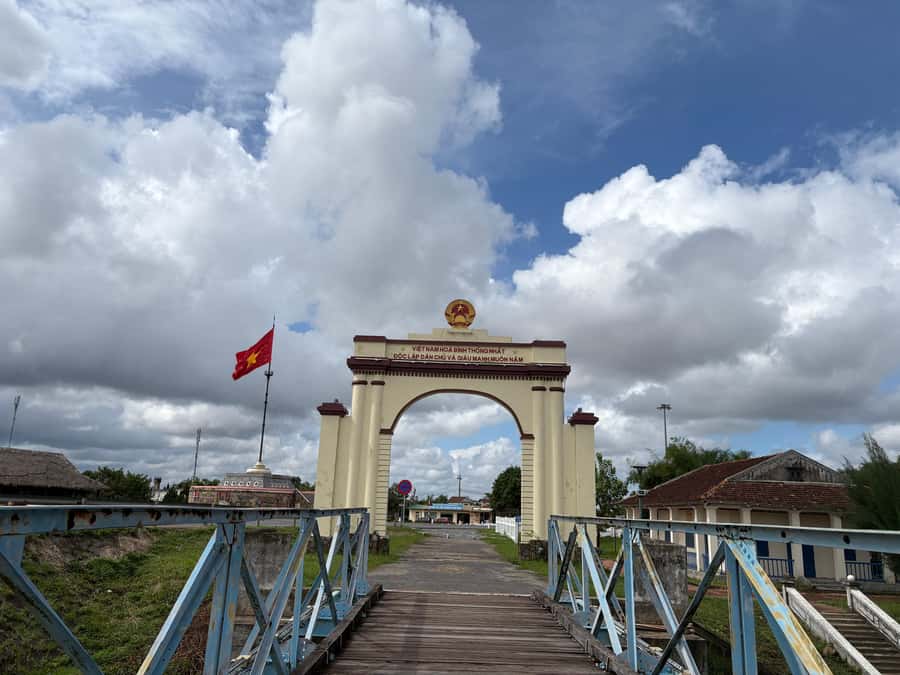
- Hiền Lương Bridge and Bến Hải River: the DMZ line you can still read
- Vinh Mộc Tunnels: what life underground was really built to solve
- Walking the tunnel circuit (and why your flashlight matters)
- Private car pacing: how the 6 hours actually works in real life
- Guides on site: what you gain without paying for a full-time narrator
- Price and value: is $17 per person actually fair?
- Comfort and safety: who should rethink the tunnels
- Who this DMZ tour is perfect for
- Quick tips for a better visit
- Should you book the Hue DMZ Half-Day Tour by Private Car?
- FAQ
- How long is the DMZ half-day tour from Hue?
- How much does the tour cost?
- Is hotel pickup and drop-off included?
- What’s included in the price?
- Is there a live tour guide included?
- What should I bring?
- Who shouldn’t take this tour?
Key things to know before you go
- Hien Luong Bridge + Ben Hai River: the DMZ relic cluster tied to the Geneva Agreement’s demarcation line
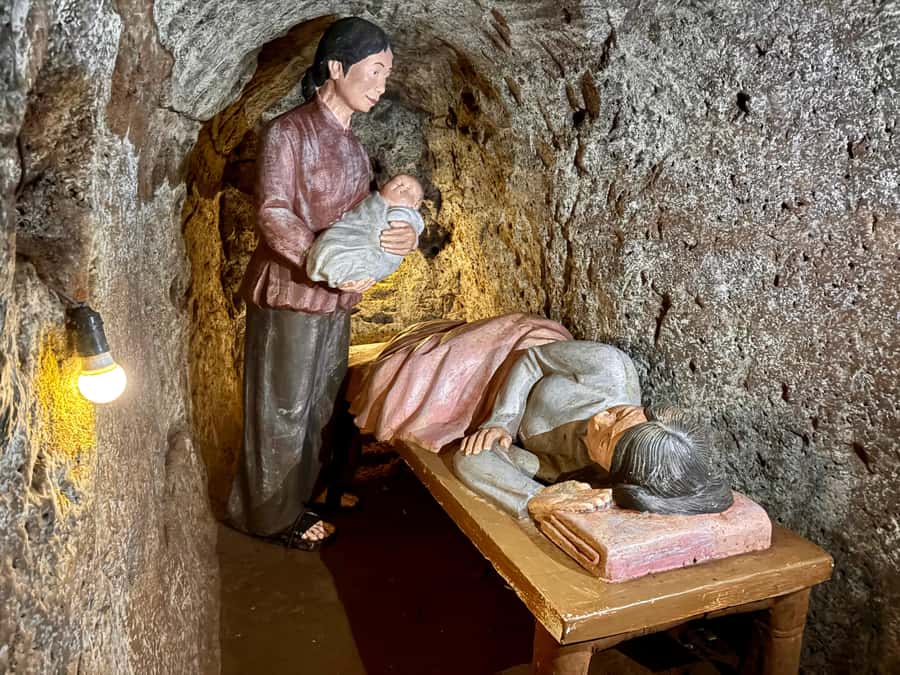
- Vinh Moc Tunnels: an underground village system with wells, kitchens, family rooms, and clinics
- Bring a flashlight: it’s specifically recommended for exploring tunnel areas
- Private transport, basic English driver: you’ll still meet local guides on-site
- Not for everyone: avoid if you’re pregnant, use a wheelchair, have back problems, or have high blood pressure
The Hue-to-DMZ drive: a focused way to understand the war
Hue sits in central Vietnam, close enough to the DMZ that you can reach the historic zone without losing a whole day. This tour keeps things practical: you’re picked up in Hue, driven to Quang Tri province, and brought back within a 6-hour time block. That matters because DMZ sites aren’t just sightseeing stops. They’re emotional, and you’ll want time to actually absorb what you’re looking at.
The private car also changes the feel. You’re not juggling a group’s pace, and you’re less rushed through the photo stops. Plus, the itinerary is built around the two most meaningful anchor points: the demarcation relic cluster (Hien Luong Bridge and Ben Hai River) and the Vinh Moc Tunnel system. You’ll get the war’s “surface line” first, then the “survival underground” part.
Hiền Lương Bridge and Bến Hải River: the DMZ line you can still read
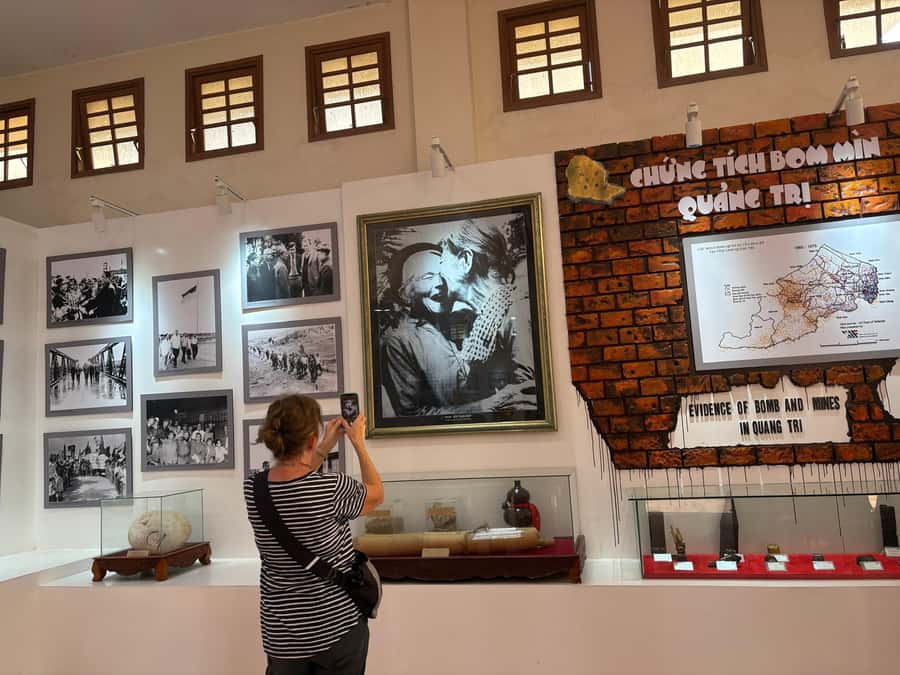
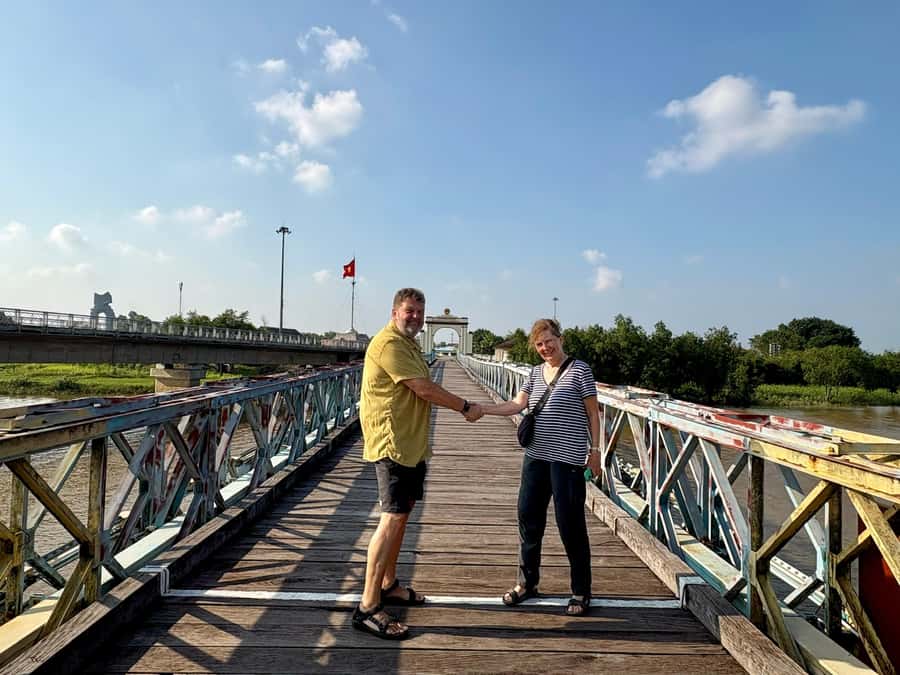
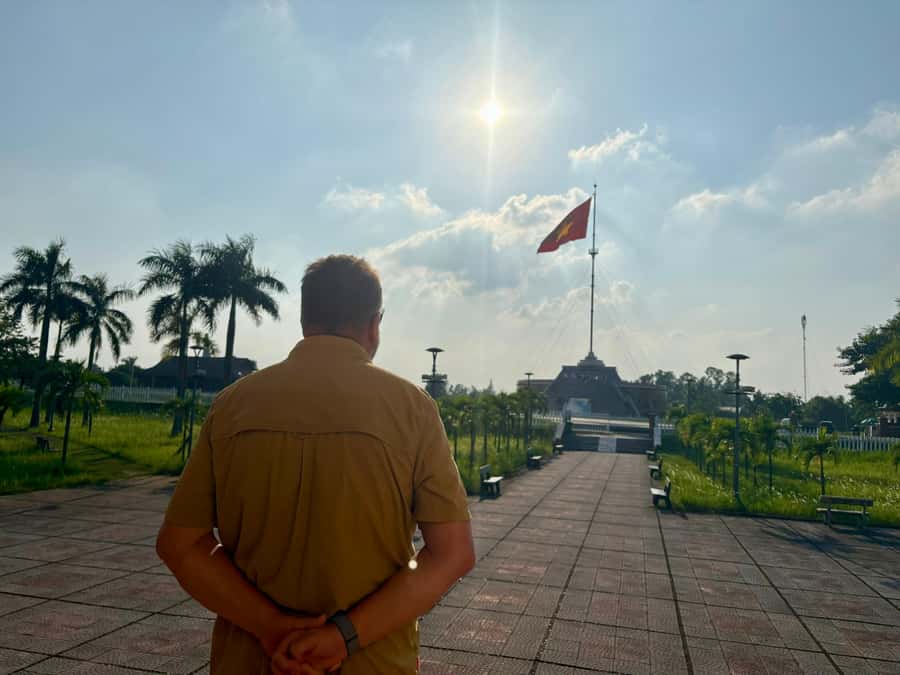
The DMZ story often gets told in big, vague terms. Here, you start with a specific, physical reference point: the relic cluster of Hien Luong Bridge and the Ben Hai River. This area is described as the only true demarcation line between North and South Vietnam during the 1954 Geneva Agreement, so it’s not just a memorial spot. It’s a place where the geography mattered.
When you arrive, you meet a local guide who puts the bridge and river into a timeline—how that line existed, how tensions built, and how the war unfolded after. I like this approach because it helps you connect what you see to what happened nearby, instead of treating the scene as a static monument.
Practical note: it’s still outdoors, so bring your sun protection. Wear comfortable shoes because you’ll likely do short walks around the sites. Also, aim for your camera early in the visit—later in the day, light and heat can make everything feel more exhausting than educational.
Vinh Mộc Tunnels: what life underground was really built to solve
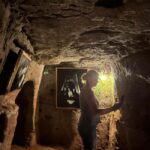
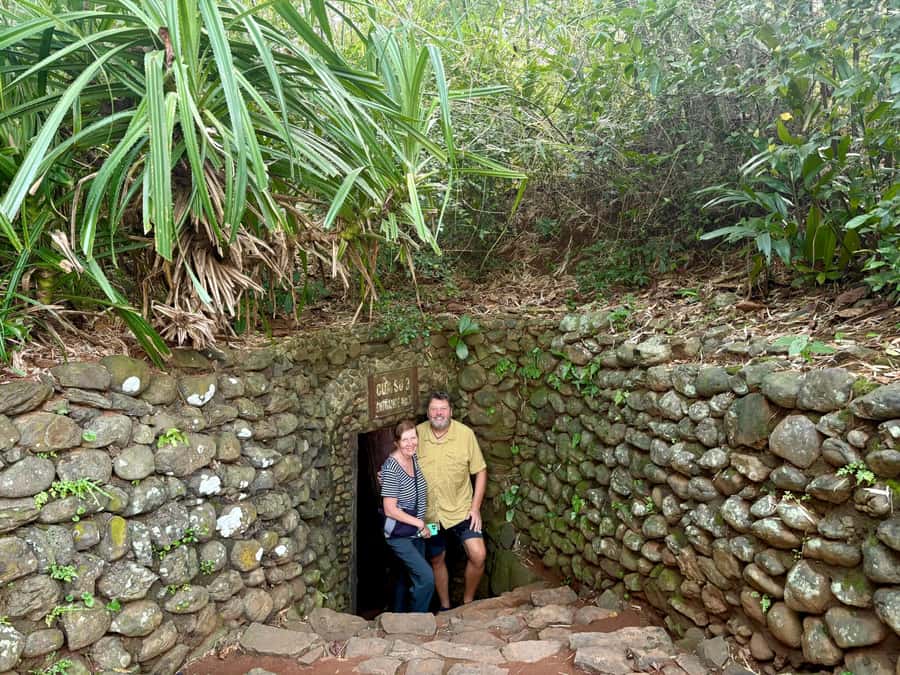
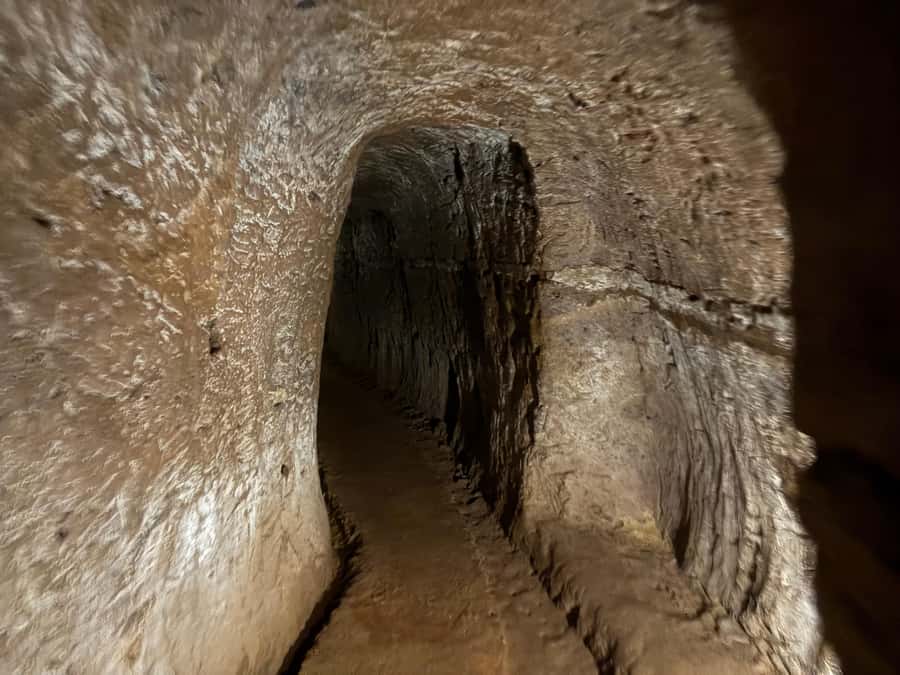
Then comes the part that changes the whole mood: Vinh Moc Tunnels, an underground village constructed to help people survive bombardments during the American War. This isn’t a single tunnel you walk through and call it done. It’s a complex system designed for living—so the experience feels less like a theme park and more like stepping into a survival plan.
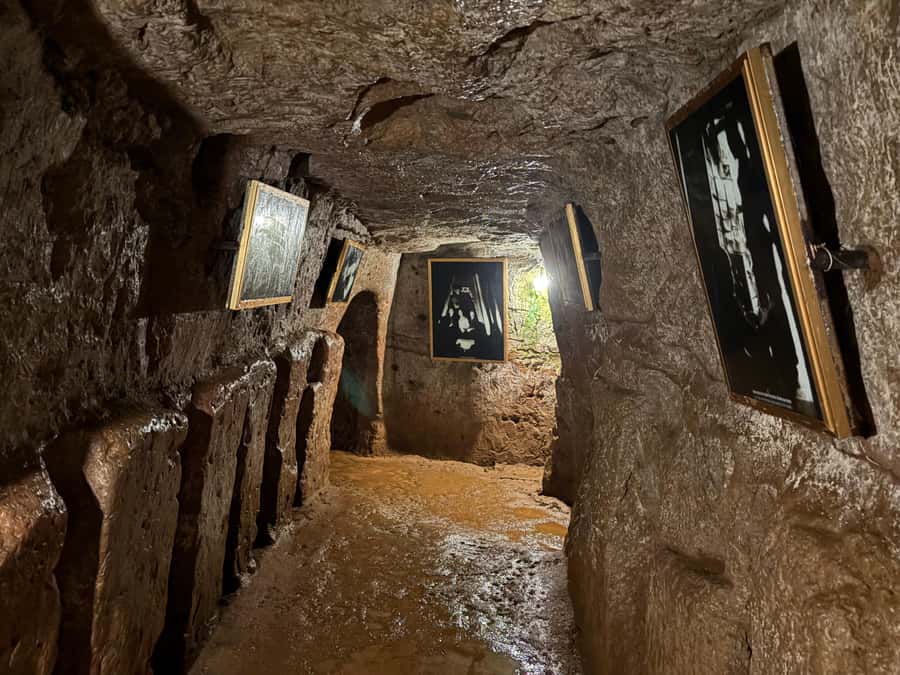
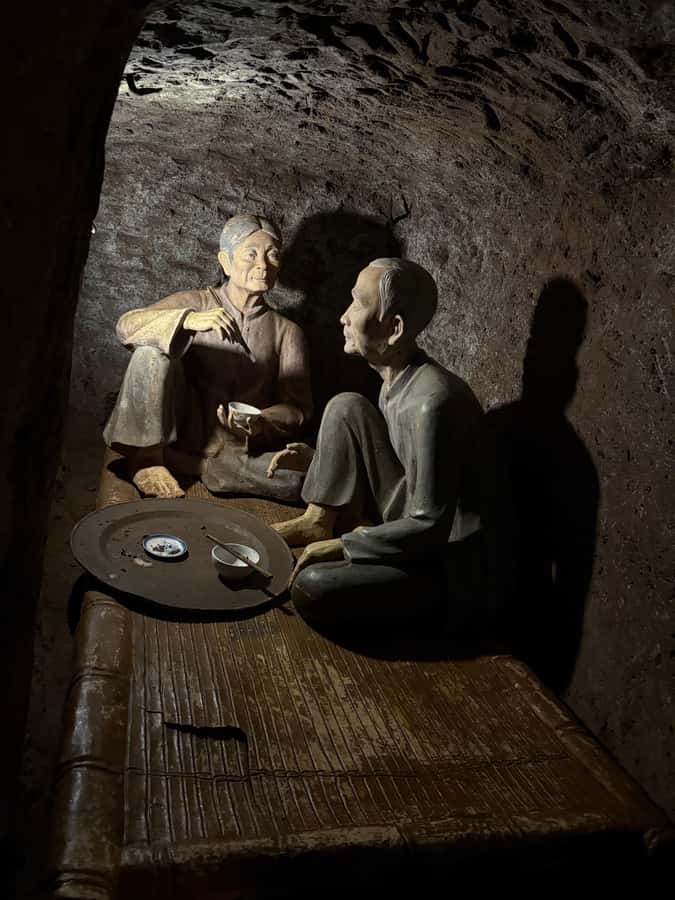
Inside, you’ll see the kinds of spaces a village needed: wells, meeting rooms, kitchens, family rooms, and even healthcare areas described as clinics. The scale can be hard to picture until you’re there. One review highlights that parts can reach depths of up to 30 meters, which is exactly why the tunnels are so memorable. You’re not just looking at history—you’re confronting how far people went to stay alive.
Walking the tunnel circuit (and why your flashlight matters)
The tour includes time to explore the tunnel areas with the help of your guides. A flashlight is specifically recommended so you can see what’s around you instead of relying on darkness and guesswork. If you prefer a less frantic pace for photos and details, ask for a calm rhythm—your guide can usually manage where you linger.
Some guides may also let you walk longer sections of the tunnel network. One account mentions a longer tunnel route that leads out toward a quieter beach area, which is a fantastic contrast: cramped and dark underground, then suddenly open air at the end.
Private car pacing: how the 6 hours actually works in real life
A DMZ half-day tour has one job: compress a lot of weighty history into enough time that you still have energy at the end. This one aims for that balance with private car pickup and drop-off in Hue, plus bottled water and a driver with basic English.
In practical terms, you’ll spend most of your time in transit plus the two main site visits. The ride time matters because central Vietnam’s roads can be long and slow enough that you’ll feel it. If you hate rushing, this tour’s value is that it’s private and structured—you’re not forced to keep up with a crowd, and you can ask the driver to time things around your pace.
Also, don’t underestimate luggage and timing needs. Some drivers in this service are praised for being accommodating with extra luggage and even waiting while you sort out a transfer plan to another destination. If you have a flight or connection later the same day, mention it in advance so your driver can plan the best flow.
Guides on site: what you gain without paying for a full-time narrator
The booking notes that a live tour guide isn’t included, which might sound like you’ll be left on your own. In practice, you’ll still meet guides at the key sites, including the bridge area and the tunnel area, and those local guides are where the real storytelling happens.
That structure makes sense for this kind of tour. A bridge and river demarcation line needs local historical context. The tunnels need explanation of layout and daily life—what rooms were for and why certain design choices were made. Reviews also highlight that the English quality can be excellent with some of the on-site guides, so don’t be afraid to ask questions while you’re there.
One good strategy: ask your guide to point out one or two details you should notice as you walk—like how the living areas connect or where the tunnel design shows the priorities of survival. You’ll remember the lesson more clearly than if you just watch the group drift along.
Price and value: is $17 per person actually fair?
At $17 per person for a private-car half-day, the price is a big part of why this tour is so popular. You’re not just paying for driving. The package includes entrance fees, bottled water, and the practical costs like fuel, tolls, and parking.
Here’s how I think about value: you’re paying for fewer hassles. A DMZ day on your own would likely mean hiring transport, paying entry fees, figuring out timing, and arranging guides or audio explanations at multiple sites. This tour reduces that friction by bundling transport and access, then placing local guides where the context is needed most.
The real tradeoff is that it’s not a long, slow day. You get a half-day structure, so you’ll want to stay present and ask questions rather than expecting hours of wandering.
Comfort and safety: who should rethink the tunnels
This is a history tour, but it’s also a physical one. The tour isn’t suitable for pregnant women, people with back problems, wheelchair users, or people with high blood pressure. That’s not just legal fine print. The tunnel environment involves uneven spaces and close quarters, and the effort of getting through can be more than a casual stroll.
If you’re generally healthy and mobile, you still should plan for discomfort: comfortable shoes are essential. Bring a hat and sunscreen because you’ll likely spend time outdoors before and after you go underground. Water is included, but it’s smart to sip regularly since the combination of heat and walking can add up.
One more thing: the vehicle doesn’t allow smoking or alcohol and drugs, so plan accordingly if you’re the type who normally brings drinks on road trips.
Who this DMZ tour is perfect for
I’d send you on this if you want a high-impact, organized history visit without losing your whole day. It’s also a good match if you’re curious about how civilians adapted—because Vinh Moc Tunnel life details (wells, kitchens, family spaces, clinics) are not the kind of facts you get from a quick exterior viewpoint.
It’s especially useful if you’re staying in Hue and want a day plan that feels meaningful instead of scattered. The private car and short total duration mean you can still have time for Hue itself afterward.
Quick tips for a better visit
- Wear comfortable shoes and plan on some walking even at the bridge area
- Pack sunscreen and a hat for outdoor exposure
- Bring a camera and expect you’ll take your best photos early
- Don’t forget the flashlight for the tunnel experience
- If you have a tight schedule later, tell the driver at pickup so they can help manage timing
Should you book the Hue DMZ Half-Day Tour by Private Car?
Yes, if you want a focused, respectful DMZ day with real structure: the demarcation relic cluster first, then the Vinh Moc Tunnel system where survival design shows up in daily-life spaces. The private transport, included entrance fees, and the 6-hour timing make it good value at $17 per person.
Skip it or think twice if the tunnel environment would be physically difficult for you, especially with back issues or high blood pressure. And if you’re the kind of traveler who needs a full-time English-speaking guide throughout every minute, you may want to consider another option, since the tour emphasizes the driver plus on-site local guidance rather than one continuous narrator.
FAQ
How long is the DMZ half-day tour from Hue?
It lasts about 6 hours.
How much does the tour cost?
The price is listed as $17 per person.
Is hotel pickup and drop-off included?
Yes. Your driver will pick you up from your hotel in Hue and return you to Hue at the end of the tour.
What’s included in the price?
The tour includes a private air-conditioned car, a driver that speaks basic English, entrance fees to the attractions, bottled water, and costs like fuel, tolls, and parking fees.
Is there a live tour guide included?
A separate live tour guide is listed as not included, but you do meet local guides on-site for the attractions.
What should I bring?
Bring comfortable shoes, a hat, a camera, sunscreen, and water. A flashlight is also recommended for exploring the Vinh Moc Tunnels.
Who shouldn’t take this tour?
It’s not suitable for pregnant women, people with back problems, wheelchair users, or people with high blood pressure.