REVIEW · KYOTO
From Kyoto: Nara Private Tour with Hotel Pickup
Book on GetYourGuide →Bookable on GetYourGuide
A day in Nara moves fast, but it feels deeply rewarding. I love hitting Todai-ji’s Great Buddha and then relaxing in Nara Park with the deer. One thing to keep in mind: it’s a short 6-hour window with train time, so you won’t have hours of free roaming between stops, even with a private guide.
This tour works well because you’re not figuring anything out on your own. You get hotel pickup, an English (and Japanese) live guide, and timed visits that hit the essentials: Kofuku-ji, Nara Park, and Todai-ji—plus a bit of shopping street wandering in between. I also like that the guide, often noted as Masa, explains the bigger picture of Nara and helps you make sense of what you’re seeing.
In This Review
- Key Points You’ll Actually Care About
- A Private Nara Day Trip That Gets to the Point (Without Rushing You)
- Why the private part matters
- Getting From Kyoto to Nara: Train Time and Smart Use of It
- A practical note about transportation costs
- Stop-by-Stop: What Each Visit Feels Like on the Ground
- Higashimuki Shopping Street: A Quick Nara Primer Before the Temples
- What to do here
- Kofuku-ji: UNESCO Calm With Big Architectural Impact
- Why this stop is valuable
- If you’re sensitive to crowds
- Nara Park and Deer Feeding: Fun, Sacred, and Very Photo-Ready
- How to get the most out of your deer time
- The “In-Between” Guided Slot: Why That Extra 20 Minutes Helps
- Use it wisely
- Todai-ji: The Great Buddha Moment That Actually Feels Real
- How to experience Todai-ji without burning out
- What Masa Adds: Explanations That Make the Sights Click
- Value and Price: Is $298 Per Person Worth It?
- What you’re paying for
- What may add to the total
- When it’s a strong buy
- When you might rethink it
- Practical Tips Before You Go (So the Day Stays Fun)
- Accessibility
- Who This Tour Fits Best
- Should You Book This Nara Private Tour From Kyoto?
- FAQ
- How long is the tour from Kyoto to Nara?
- Where does the tour pickup and drop-off happen?
- What sites are included in the tour?
- Is this a private tour?
- What language is the guide?
- Is the tour wheelchair accessible?
- What’s included in the price?
- What is not included?
- Is there free cancellation?
Key Points You’ll Actually Care About
- Private guide pacing: planned time at Todai-ji, Kofuku-ji, and Nara Park so you don’t lose the day to confusion
- Deer feeding time at Nara Park: a hands-on moment that’s fun and photo-friendly
- Kofuku-ji’s UNESCO setting: old wooden architecture and major cultural treasures in a calmer stop
- Todai-ji’s scale: the Great Buddha is about 15 meters tall, so it hits you in the best way
- Higashimuki Shopping Street: a quick chance to stroll and grab local snacks or small souvenirs
- Flexible support from Masa: guests praise his patience and hospitality, including handling snack stops when asked
A Private Nara Day Trip That Gets to the Point (Without Rushing You)
Nara is the kind of city where the big sights feel spiritual, but the walking is still practical. This private day trip from Kyoto is built around three anchors—Kofuku-ji, Nara Park, and Todai-ji—and it uses a guide to connect them in a way that makes the day feel coherent.
What makes this tour appealing is the mix of “wow” and “slow.” Todai-ji gives you the big historical punch. Kofuku-ji provides a quieter, more architectural experience. Then Nara Park turns the volume down just enough for that deer-feeding, photo-taking, stroll-around vibe.
Why the private part matters
A private setup means your guide can respond to your pace. If you want a few extra minutes for snacks, or you want your questions answered on the spot, you’re not stuck waiting for the next group. Several guests specifically called out Masa for being patient and kind, and for teaching the difference between temples and shrines in a way that makes your next stop make more sense.
Getting From Kyoto to Nara: Train Time and Smart Use of It
Your day starts with hotel pickup in Kyoto, then you’ll take the train for about 70 minutes to Nara. That ride is long enough that you’ll want to settle in—so bring something to read or just enjoy watching the countryside shift as you get farther from the city core.
The tour structure then brings you straight into sightseeing mode instead of leaving you to navigate transfers yourself. You’re not only saving mental energy; you’re also reducing the risk of arriving late or missing the most important entry points.
A practical note about transportation costs
The listing says transportation costs aren’t included, even though the schedule includes train time. So I’d plan on paying train fare separately unless the provider tells you otherwise when you confirm. It’s worth checking before you go, because that detail affects your real total cost.
Stop-by-Stop: What Each Visit Feels Like on the Ground
Higashimuki Shopping Street: A Quick Nara Primer Before the Temples
Before you go full temple mode, you get a short guided walk on Higashimuki Shopping Street (about 20 minutes). This is the kind of stop that’s easy to skip if you’re self-guided, but it does two useful things.
First, it helps you get your bearings. Second, it gives you a taste of Nara street life—traditional shops and the kind of local snacks or small bites that make a day trip feel more lived-in than just “check the boxes.”
What to do here
Wear comfortable shoes (you’ll thank yourself later at Todai-ji and in the park). If you want something sweet or savory, this is a good moment to grab it before the longer temple visits.
Kofuku-ji: UNESCO Calm With Big Architectural Impact
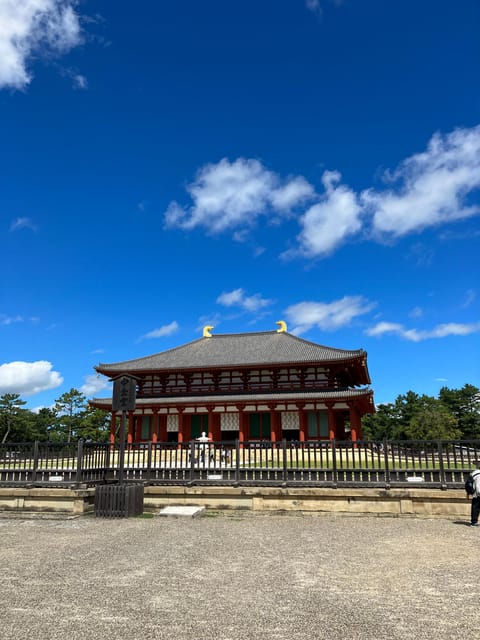
Next up is Kofuku-ji, where you’ll spend about 30 minutes with your guide. Kofuku-ji is one of the Seven Great Temples of Nara and it’s a UNESCO World Heritage Site.
This stop is great because it’s not just a single attraction—it’s an entire atmosphere. The temple dates back to 669, and the highlight here is the wooden architecture and the important cultural treasures housed within. Even in a shorter guided visit, you’ll come away with a clearer sense of why this place matters beyond the photos.
Why this stop is valuable
Todai-ji can overwhelm you with scale, and Nara Park can turn into a fun chaotic deer experience. Kofuku-ji gives you the calm, structured side of Nara. It’s the “history you can see with your eyes” moment—architecture, age, and reverence all working together.
If you’re sensitive to crowds
In a 30-minute window, you can still enjoy it without getting trapped for hours. The guide helps keep your time efficient, so you don’t waste energy hunting for what to see.
Nara Park and Deer Feeding: Fun, Sacred, and Very Photo-Ready
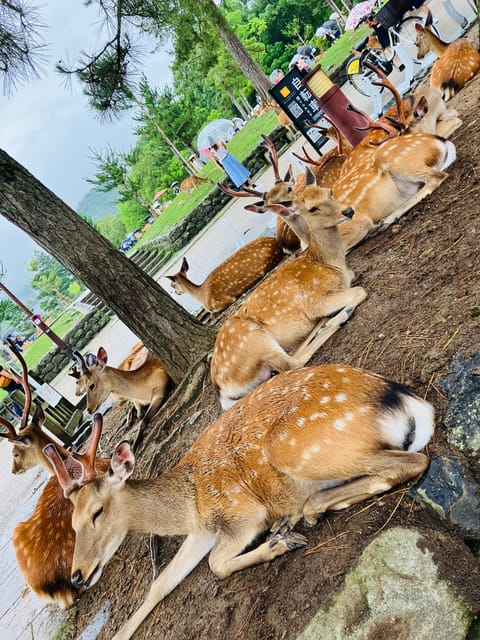
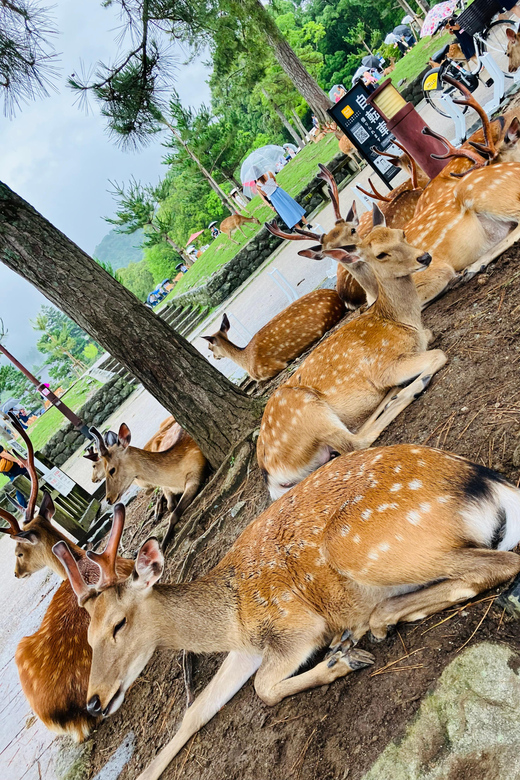
Then you move to Nara Park, with about 1 hour of guided time. This is the part most people picture when they imagine Nara: a green park, old-feeling paths, and free-roaming deer.
The deer here are treated as sacred animals, symbolizing Nara for centuries, and they’re believed to be messengers of the gods. And yes—you get the chance to feed the deer, which is a real highlight. It’s also one of those experiences that’s easy to remember because it’s interactive.
How to get the most out of your deer time
This is where a private guide helps, because you can move with confidence instead of trying to guess what’s allowed and what’s not in the moment. You’ll want to keep your camera ready, but also keep your feet steady—lots of visitors means lots of crossing lines and sudden deer appearances.
If you’re traveling with kids, Nara Park is a win. If you’re traveling solo or as a couple, it still delivers, because it breaks the day’s temple pattern with something light and silly-in-a-good-way.
The “In-Between” Guided Slot: Why That Extra 20 Minutes Helps
There’s another guided stop slot of about 20 minutes in the schedule. The exact target isn’t specified, but the purpose of this time is clear: it gives you a buffer between the biggest sights.
In real life, this matters. Temple days can feel like a continuous wave of walking and entry lines. That extra guided stretch helps you keep momentum without turning the schedule into a sprint.
Use it wisely
If you need a bathroom break, a quick photo pause, or a snack moment, this is where you can ask. Guests have praised Masa for accommodating snack stops when requested ahead of time, and that kind of flexibility is especially helpful on a day that includes both temples and park time.
Todai-ji: The Great Buddha Moment That Actually Feels Real
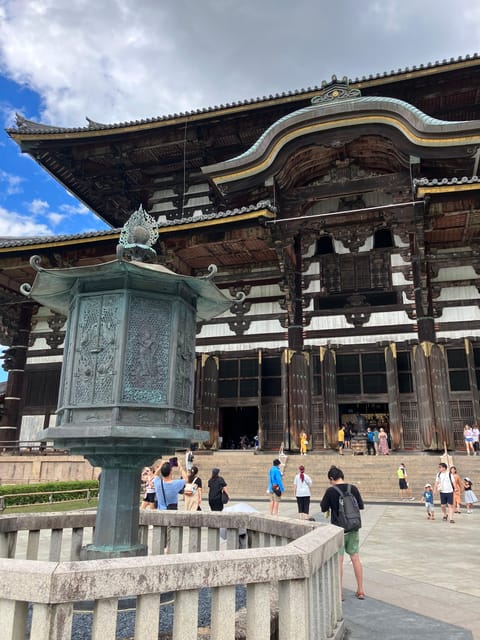
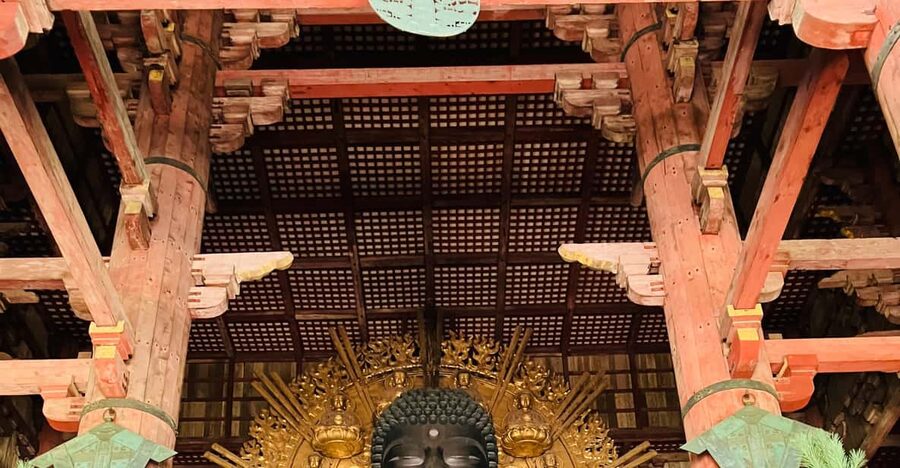
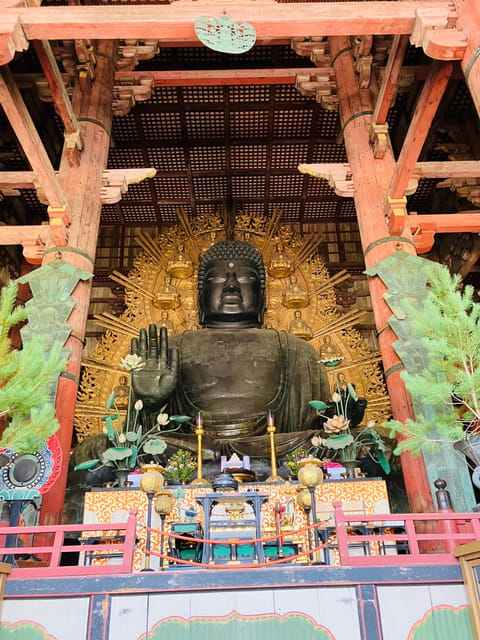
Finally, the headline: Tōdai-ji, with about 1 hour of guided exploration. Todai-ji is one of Japan’s iconic landmarks, and it’s home to the Great Buddha (Daibutsu)—a bronze statue about 15 meters tall.
This is where the day’s effort pays off. When you stand near something that size, you stop thinking in terms of history facts and start thinking in terms of scale and intention. The guide can explain the temple’s story, including its 8th-century founding and its significance as a symbol of Buddhism in Japan.
How to experience Todai-ji without burning out
You’ll have enough time to move, look around, and let the place register. The guide’s job is to help you notice what’s worth noticing. If you ask questions, you’ll likely get better explanations about the temple’s role in Nara’s identity—especially since Nara was Japan’s first permanent capital.
What Masa Adds: Explanations That Make the Sights Click
One theme that pops up in guest feedback is that Masa doesn’t just point and move. People mention his strong hospitality and his ability to teach.
A few specific examples from what you can expect in tone:
- Clear explanations that help you understand the difference between temples and shrines
- A calm, patient style when someone wants extra time for small needs like snacks
- Flexibility when questions come up during the day
That teaching matters because Nara can feel confusing if you only rely on plaques and your own reading. With a guide, you spend less time figuring out what something is and more time enjoying why it matters.
Value and Price: Is $298 Per Person Worth It?
At $298 per person for a 6-hour private tour, this isn’t a budget excursion. But it can still be good value depending on your group size and your priorities.
Here’s how I’d judge the real worth:
What you’re paying for
- Hotel pickup and drop-off (time and convenience you’d otherwise spend coordinating)
- Entrance fees for the listed sites
- A live guide in English (and Japanese), which helps you get more meaning out of each location
- A private group setup, so the day runs on your schedule and not on a large group’s tempo
What may add to the total
- Transportation costs (train fare) aren’t included in the provided details
- Meals and beverages aren’t included
- Personal expenses (souvenirs, snacks if you buy them separately)
When it’s a strong buy
- You want the three top Nara sights handled in one day with less stress
- You care about explanations, not just photos
- You’re traveling with someone who’d rather not navigate trains and entrances alone
When you might rethink it
If you’re the type who likes full free time and doesn’t care about guided context, then a self-guided Nara day can be cheaper. This tour shines when you want structure and interpretation.
Practical Tips Before You Go (So the Day Stays Fun)
This is a walk-and-look day. You’ll be on your feet through temples and park paths, so plan like you actually have a body.
Bring:
- Comfortable shoes
- Camera
- Sunscreen
- Water
Also, have your expectations tuned to a day trip: you’re seeing a lot in a few hours, so don’t schedule a second big activity right after returning to Kyoto.
Accessibility
The tour is listed as wheelchair accessible, which is a big plus if you want a guided day without losing mobility.
Who This Tour Fits Best
This private Nara day trip works especially well for:
- Couples and small groups who want maximum convenience
- History lovers who want the story behind Todai-ji and Kofuku-ji
- Families who want a safe-feeling structure plus the deer fun
- Anyone who wants a guide to explain temple vs shrine details
If you’re a slow walker who likes long sits and long museum-style pacing, you might feel the time pressure. But the private nature still gives you more flexibility than a fixed group tour.
Should You Book This Nara Private Tour From Kyoto?
Book it if you want a guided, efficient Nara day that hits the big three—Kofuku-ji, Nara Park, and Todai-ji—with the deer-feeding moment and a guide who explains what you’re seeing.
I wouldn’t book it if you’re trying to keep the trip as cheap as possible, or if you’d rather spend long, unstructured time wandering beyond the main sights. Also, confirm what you’ll pay for transportation, since that detail isn’t clearly bundled in the provided info.
Bottom line: this tour is a solid fit when you want to feel confident you saw the best of Nara in one day, with a guide like Masa bringing the day to life.
FAQ
How long is the tour from Kyoto to Nara?
The duration is listed as 6 hours.
Where does the tour pickup and drop-off happen?
Pickup and drop-off are from your Kyoto hotel.
What sites are included in the tour?
The tour includes Kōfuku-ji, Nara Park, and Tōdai-ji. It also includes a guided stop at Higashimuki Shopping Street.
Is this a private tour?
Yes, it’s a private group tour.
What language is the guide?
The live tour guide is available in English and Japanese.
Is the tour wheelchair accessible?
Yes, the tour is listed as wheelchair accessible.
What’s included in the price?
Included items are hotel pick-up and drop-off and entrance fees to the mentioned sites.
What is not included?
Not included are transportation costs, meals and beverages, and personal expenses.
Is there free cancellation?
Yes. You can cancel up to 24 hours in advance for a full refund.