REVIEW · SA PA
From Hanoi: Sapa 3-Day Medium Trek and Limousine Trip
Book on GetYourGuide →Operated by Crossing Vietnam Tour · Bookable on GetYourGuide
Sapa can feel like a whole other planet—especially when you hike into the villages. On this 3-day medium trek from Hanoi, I like that you get mountain scenery plus real village routines, not just quick photo stops. I also like that the trip is built around homestays in places like Ta Van, so you spend real time with families rather than rushing through. One thing to consider: the walking adds up to about 9 km, and homestay setups can be very rustic depending on the option and village.
The route also has enough variety to keep things interesting: Sin Chai (Black Hmong), Muong Hoa Valley (through Y Linh Ho and Lao Chai), then up to a Red Zao village at Giang Ta Chai, with a bamboo-forest stretch and a waterfall break. Weather can change fast in Sapa, so warm layers matter. And while the trip is guided, you may still see people trying to hang close to sell items or ask for money—so it helps to stay anchored to your guide’s plan.
In This Review
- Quick takeaways before you go
- Why Sapa villages feel different on a 3-day medium trek
- Hanoi to Sapa by limousine: comfort, timing, and the real-world rhythm
- Day 1: Sin Chai village walk and a first night in Sapa town
- Day 2: Muong Hoa Valley with Y Linh Ho, Lao Chai, and Ta Van homestay
- Day 3: Giang Ta Chai Red Zao village, bamboo forest, and a waterfall reset
- Homestays in Ta Van and Sin Chai: how to judge rustic comfort honestly
- The best way to handle people trying to sell on the trail
- Guides and group pacing: why the right lead makes or breaks the day
- Price and value for $165: what you’re really getting
- What to pack for Sapa cold, fog, and 9 km of walking
- Who this trek suits (and who should skip it)
- Should you book this 3-day Sapa trek and limousine trip?
- FAQ
- How long is the Sapa trek, and is it considered medium?
- How do I get from Hanoi to Sapa?
- What villages and areas does the trek include?
- Where do I stay overnight?
- Are meals included?
- Is the guide English-speaking?
- What should I bring for Sapa weather?
- Do I need to bring cash?
- Is this tour suitable for people with mobility impairments?
Quick takeaways before you go
- Sin Chai first day gives you a gentle off-center start with Black Hmong village life.
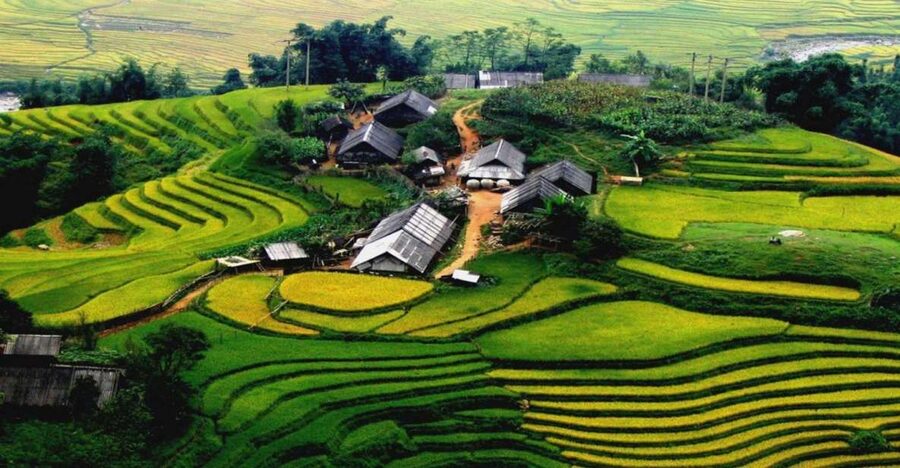
- Muong Hoa Valley Day 2 mixes suspension-bridge crossing, H’mong homes, and classic terrace views.
- Ta Van homestay is where the experience turns from sightseeing into daily-life sharing.
- Day 3 adds a bamboo forest and waterfall pause, plus terraces on the climb.
- Transport is a big part of the value: air-conditioned limousine Hanoi–Sapa roundtrip plus local driving in Sapa.
Why Sapa villages feel different on a 3-day medium trek
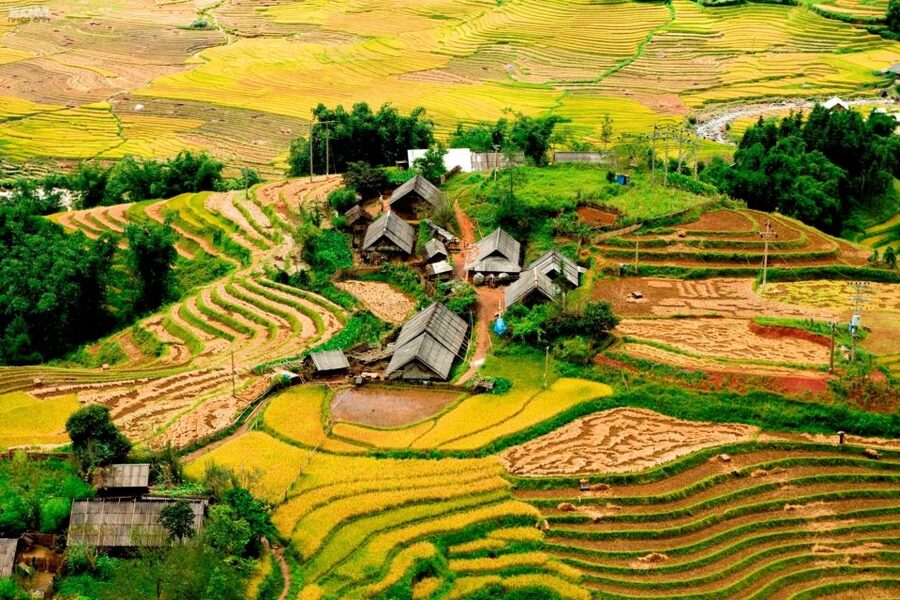
Sapa’s famous, sure. But what makes this trek work is the way it uses the hills like a map. You start near town, then you move deeper into valleys where rice terraces and small hamlets sit close together. You’ll walk sections that are scenic but also practical—paths that local people likely use day to day.
This is a medium trek, which usually means you’re not doing technical mountain routes. You are, however, walking enough to notice altitude and weather. The good news: the schedule breaks the day into manageable chunks, with villages, bridges, lunch stops, and at least one proper reset point at a waterfall on Day 3.
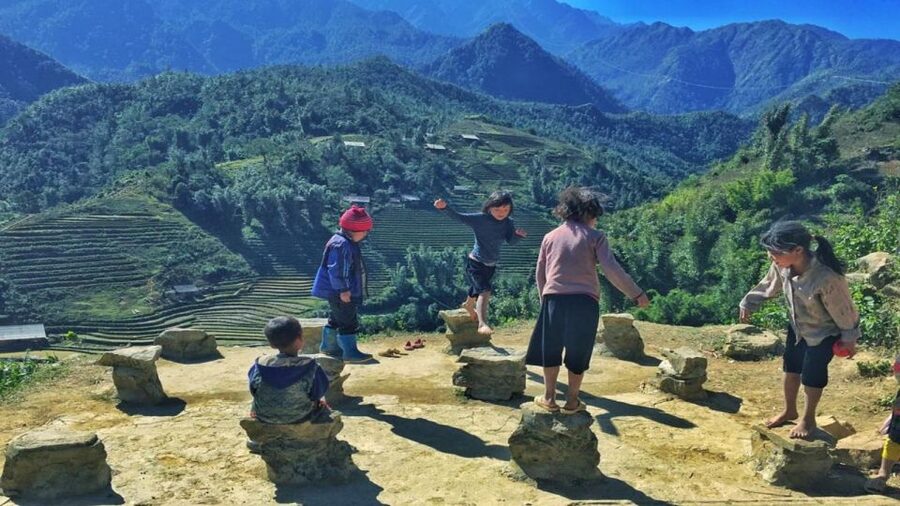
And you’re not just looking at culture. You’re seeing daily work: families doing ordinary tasks, children moving between homes, and village routines that don’t revolve around tourists. That’s the payoff.
Hanoi to Sapa by limousine: comfort, timing, and the real-world rhythm
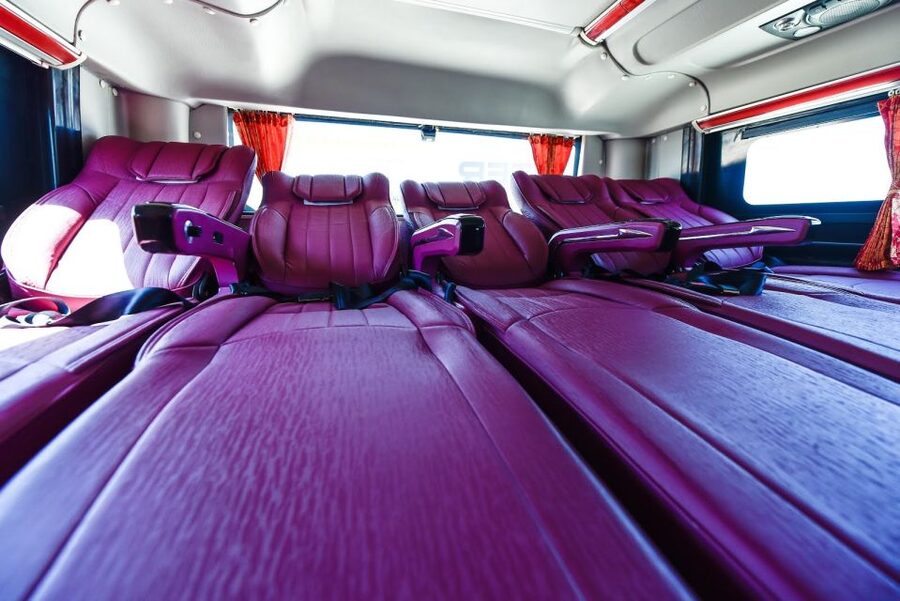
The trip is built around a morning limousine pickup from your hotel in Hanoi’s Old Quarter at around 6:30–7:00am. The drive is about 6 hours, and you get two stops along the way for snacks and restroom breaks.
A limousine is a nice upgrade for this route because Sapa is far enough that you’ll feel it in your legs if you’re forced to stand around waiting for transfers. In the field, I’d plan on the drive being mostly comfortable, but you should also expect the human side of group travel: timing can shift, and some people end up confused at the first stop in Sapa about who gets out and when.
In other words: don’t panic if the handoff feels a little messy. When in doubt, check with your guide and stay with your group. Once you’re with the trekking lead, the day tightens up.
Day 1: Sin Chai village walk and a first night in Sapa town
Day 1 begins with the road, then a quick meal and a slower start. After arriving in Sapa, you’ll have lunch at a local restaurant, check in to your hotel, and rest until the guide picks you up for the trek.
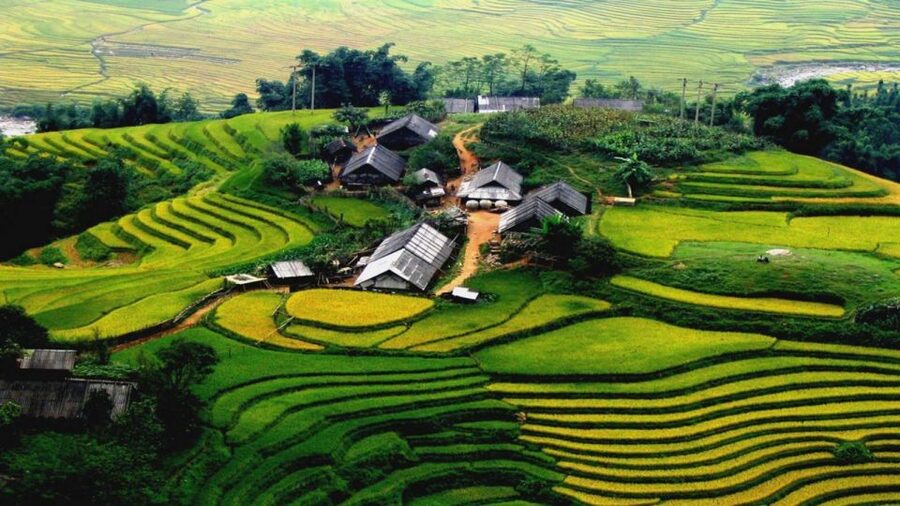
The walk itself goes southwest of Sapa, about 4 km, to Sin Chai village of the Black Hmong. This matters because Sin Chai is not right in the center of Sa Pa town. It’s about 2 km beyond the town area, which helps you feel like you’re actually leaving the tourist zone.
You’re walking into a simpler, more rural rhythm: rustic homes, daily life that’s not staged, and views that make you understand why people come to Sapa in the first place. Even if the weather turns misty, the village shapes and terraces still have a quiet beauty.
When you finish, you head back to your hotel, freshen up, and take dinner in town. Then you get time to explore Sapa at night. If you want an easy, local-feeling option, look for roasted corn and baked eggs by charcoal fire. It’s a small thing, but it’s one of those Sapa experiences that feels grounded rather than performative.
Practical note: this is the day where you’re most likely to feel tired from the drive. Pace yourself on the trek and save some energy for the night market wander.
Day 2: Muong Hoa Valley with Y Linh Ho, Lao Chai, and Ta Van homestay
Day 2 is the big scenic day. After breakfast, you check out from your room and head toward the Muong Hoa Valley route.
You start by moving south along the main road for about an hour, then you turn onto a footpath downhill toward the valley. This downhill approach tends to feel like a slow reveal: you get changing views as elevation shifts and you catch different angles of the Hoang Lien Son mountain range.
Soon after, you cross a river on a suspension bridge to reach Y Linh Ho village. Here you can visit H’mong families and see daily work up close—useful because it’s not just a village stop for photos. It’s also a cultural pause where you can watch life happening.
Lunch comes after the Y Linh Ho segment. Then you continue along a trail through hills for about two hours to reach Lao Chai. After that, you follow the river bank to Ta Van, a Zay village.
Ta Van is where the trip changes gears. You’ll visit local homes, see village routines, and then sleep in a homestay. That overnight is the main reason people book this style of trek. You’ll hear household sounds, share meals, and feel the tempo of the valley rather than the schedule of a tour office.
One heads-up: homestay comfort can vary widely. In some cases, it’s been better than expected, with clean, usable basics. In others, you may be in a very rustic setup with shared sleeping space and limited privacy. I’ll break this down more clearly later—because it affects how you should pack and what you should mentally prepare for.
Day 3: Giang Ta Chai Red Zao village, bamboo forest, and a waterfall reset
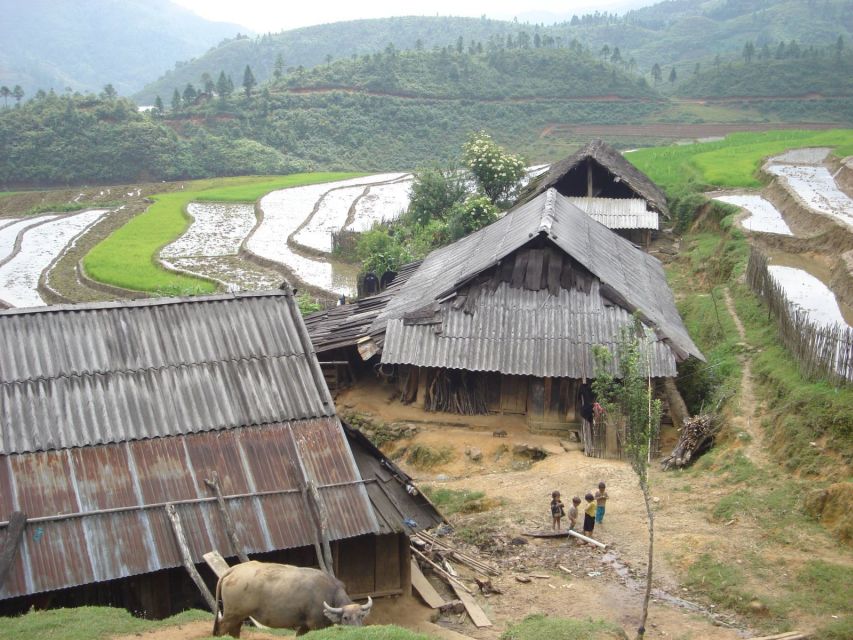
Day 3 starts with breakfast at the homestay, then you leave Ta Van and climb again. This is the day for classic terrace views: you’ll follow trails uphill, passing terraced rice fields and small hamlets where H’mong communities live.
As you keep going, you move through a bamboo forest and reach a waterfall. The waterfall stop is short but it’s a legit reset point. It’s the moment where you catch your breath, cool off a bit, and take in a different kind of scenery than the terraces and villages.
After the waterfall break, you continue for about 30 minutes to Giang Ta Chai village, home to the Red Zao people. This segment is quieter and more about motion than big roadside views. It’s the kind of walk that feels more like you’re traveling through the valley than just visiting it.
Lunch is served nearby. Then you’ll have time to relax and get ready before heading back toward town. Around 2:00pm, the limousine picks you up and the drive back to Hanoi takes about 5–6 hours depending on traffic. Expect arrival sometime around 8:30–9:30pm.
It’s a late finish, so if you have any onward plans, give yourself a buffer for sleep and possible next-day sluggishness.
Homestays in Ta Van and Sin Chai: how to judge rustic comfort honestly
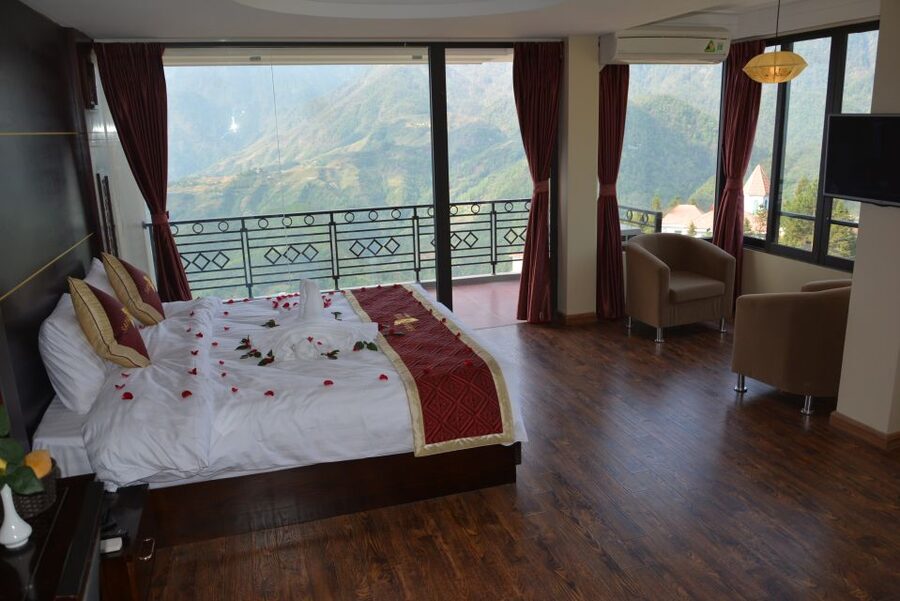
Homestays are the heart of this itinerary, but they aren’t hotels. The big thing to know is that the facilities can range from “surprisingly comfortable” to “very rustic.”
What you can take from the trip structure:
- You’ll sleep in a homestay for one night (with some options potentially swapping which night you do it).
- Homestay bathrooms and sleeping arrangements are likely shared and simpler than Sapa hotels.
- Privacy can be limited, and you should expect a “community sleep space” vibe in some setups.
To make this work for you, plan like you’re staying in a village guesthouse, not a city bedroom. Bring layers for warmth, because Sapa nights can feel cold even when you think you’re dressed for daytime. If you’re a light sleeper, consider earplugs. And if you prefer strict privacy, ask your operator about your option before you lock in—because it can change your comfort level a lot.
On the positive side, homestay meals and shared time are often the emotional highlight of this type of trek. Even when the sleeping space is basic, the day usually ends with a sense of connection that a standard hotel tour simply can’t copy.
The best way to handle people trying to sell on the trail
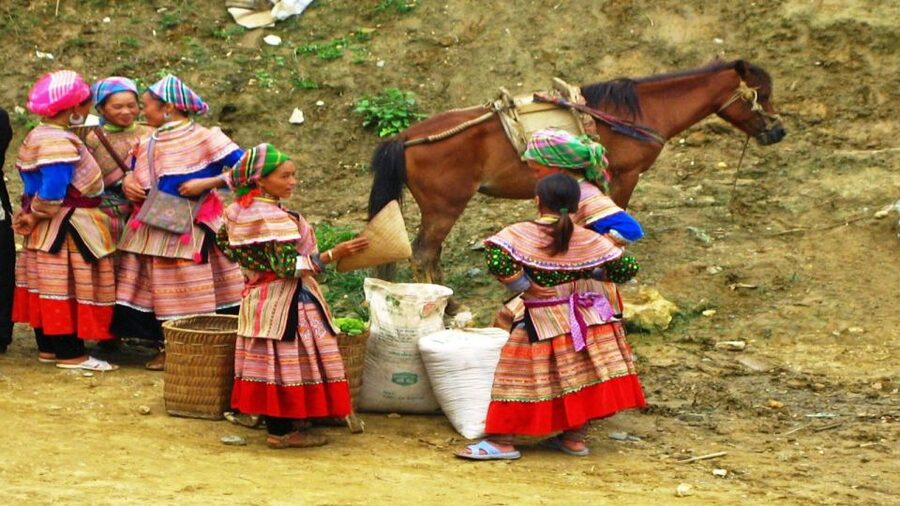
Sapa has a known issue where local ethnic people may try to accompany you during the trek to ask for money or sell items at high prices. The trip instructions are blunt: ignore them and stick to the guide.
Here’s the practical version that helps:
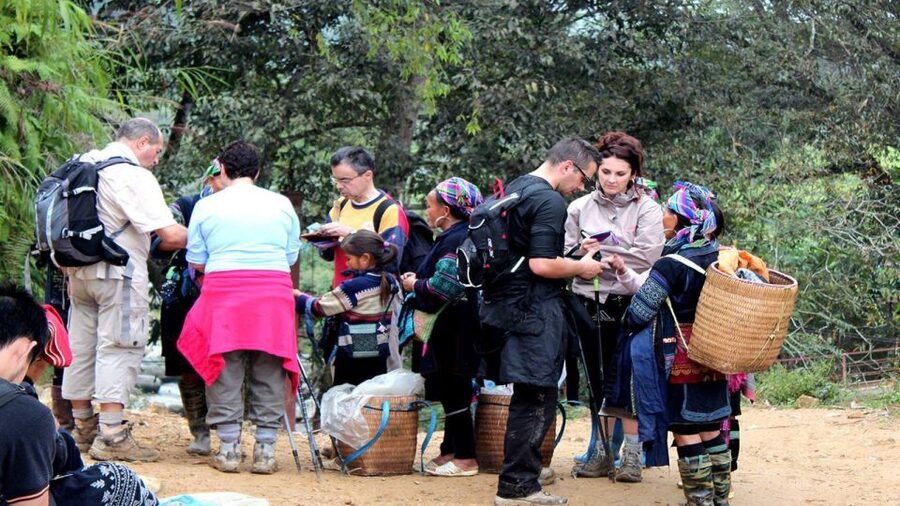
- Keep walking as a group and stay close to your guide’s pace.
- Don’t stop to negotiate mid-trail. If you want souvenirs, wait until your guide suggests a proper moment.
- If someone tries to steer you away from the route, return to your guide immediately.
A good guide keeps the experience focused. On this kind of itinerary, I’ve seen guides like Jo, Ai, and May lead with confident control of timing and pacing. That matters because a tour that runs cleanly reduces how many unplanned conversations you have to deal with.
Also, remember: your guide is there to protect the flow of the day. If you follow their lead, you get the trek you paid for.
Guides and group pacing: why the right lead makes or breaks the day
This is the type of tour where the guide’s job is half hiking and half logistics. You’re dealing with weather, trail conditions, meal times, and getting everyone across bridges and between villages.
The best guides I’ve seen on this route keep the group informed in plain terms: what time you’ll arrive, when bags are handled, and when meals happen at each stop. When the guide also knows the local area deeply, the walking feels less like a scripted hike and more like a route with context—especially at village stops where everyday life is the point.
You also see support from staff associated with the provider, like Nam, who has been described as professional in keeping things moving when small hiccups happen.
Two areas to watch:
- Pickup timing. Sometimes Day 1 starts later than expected. If it gets dark while you’re still hiking, the day can feel more intense. If you’re sensitive to late starts, build that into your expectations.
- Drive communication. Some groups have faced confusion around where to get out at the first stop, and restroom stop durations can be shorter than promised. If you’re the type who likes everything perfectly mapped, it’s worth mentally preparing for a few imperfect moments on the road.
Price and value for $165: what you’re really getting
At $165 per person for 3 days, you’re paying for more than walking. You’re paying for the infrastructure that makes a remote trek work smoothly.
Your included value covers:
- Modern air-conditioned limousine Hanoi–Sapa and back
- Local transport in Sapa (a modern bus with an experienced driver)
- An English-speaking local tour guide
- Meals: 2 dinners, 3 lunches, 2 breakfasts
- Entrance tickets to indicated sites
- 2 nights accommodation, depending on the selected option (including at least one homestay)
Not included is beverages and personal expenses, and that’s normal for Vietnam treks. Still, the meal and accommodation package is what makes this a deal compared to piecing together transport, a guide, and lodging separately.
The best value comes if you actually want all the included parts—especially the homestay night and the guided village routing. If you just wanted views and short village stops, you might find cheaper DIY options. But if you want the full schedule with meals and logistics handled, this price is built for convenience.
What to pack for Sapa cold, fog, and 9 km of walking
Sapa seasons matter here. From September to March, it’s normally cold, and fog is common in December, January, February, and March. Weather can change quickly, so pack for layers.
Bring:
- Warm clothes, plus a scarf and hat/cap
- Trekking shoes or comfortable shoes with grip
- Sunglasses and sun cream
- Insect repellent
- A backpack setup that works for wet or misty weather
- Medicine in case you get sick (altitude and weather can be a combo)
Cash help: you should bring Vietnam Dong because banking can be unreliable in Sapa. USD, Euros, and Australian Dollars are accepted in Sapa, but cash still keeps things simple.
One more practical note: the trek isn’t recommended for older guests or children because the walk totals about 9 km. If you’re unsure, consider your comfort level on uneven paths and cold mornings.
Who this trek suits (and who should skip it)
This itinerary is a strong fit if you want:
- A guided, step-by-step route through villages rather than a self-directed hike
- Muong Hoa Valley scenery plus terrace views and multiple village stops
- At least one homestay night for real-life cultural contact
- A medium effort trek with breaks built in
It may be less ideal if:
- You have mobility challenges (it isn’t suitable for people with mobility impairments)
- You need private, hotel-like accommodations during the homestay segment
- You’re not comfortable with cold, foggy conditions in winter months
- You’re worried about roadside selling attempts (even with a guide, you may encounter the issue)
Transport comfort is usually fine, but road timing and stop communication can be imperfect. If that would stress you out, treat the first day’s drive as “plan to be flexible,” not “plan to be exact.”
Should you book this 3-day Sapa trek and limousine trip?
If you want an honest Sapa experience—villages, terraces, and a homestay night—this is a solid choice. The mix of Sin Chai, Muong Hoa Valley, and Giang Ta Chai keeps the trek from feeling repetitive. And the included meals, guide, entrance tickets, and roundtrip limousine ride make it easier to focus on the walk instead of logistics.
I’d book it if you’re comfortable with:
- about 9 km of trekking effort total
- cold or foggy weather
- a homestay that may be simpler than a hotel
I’d skip it or choose a different style if you need guaranteed privacy and hotel-standard bedding, or if the cold and hiking distance would be a strain.
If you do book, one tip that improves everything: bring warm layers even if the forecast looks mild, and trust your guide’s plan when the trail gets crowded with “helpful” sellers.
FAQ
How long is the Sapa trek, and is it considered medium?
The trek runs over 3 days and totals about 9 kilometers. It’s described as a medium trek, but it’s not recommended for older guests or children.
How do I get from Hanoi to Sapa?
You’re picked up from your hotel in Hanoi Old Quarter around 6:30–7:00am by a modern air-conditioned limousine. The drive takes about 6 hours and includes two stops for snacks and restroom breaks.
What villages and areas does the trek include?
You’ll visit Sin Chai village (Black Hmong), then go through Muong Hoa Valley with stops such as Y Linh Ho and Lao Chai, and continue to Ta Van village. On Day 3, you trek to a bamboo forest waterfall area and then to Giang Ta Chai village (Red Zao).
Where do I stay overnight?
You stay for 2 nights total. The itinerary includes a homestay in Ta Van village, and you may have a homestay on the first night or the second night depending on circumstances and the selected option.
Are meals included?
Yes. The package includes 2 breakfasts, 3 lunches, and 2 dinners.
Is the guide English-speaking?
Yes, the tour includes an English-speaking local tour guide in Sapa.
What should I bring for Sapa weather?
Bring warm clothes (including a scarf and hat/cap), trekking shoes or comfortable shoes, sunglasses, sun cream, and insect repellent. Sapa can be cold from September to March, and fog can happen in winter months.
Do I need to bring cash?
Yes. Bring cash in Vietnam Dong since the banking system in Sapa can be unreliable. USD, euros, and Australian dollars are accepted in Sapa.
Is this tour suitable for people with mobility impairments?
No. It is not suitable for people with mobility impairments.