
REVIEW · SA PA
2 Day-2 Night Sapa Trekking: Overnight Train &Limousine Bus
Book on GetYourGuide →Operated by Go Asia Travel · Bookable on GetYourGuide
Two nights at altitude means Sapa feels like another world fast. This 2-day, 2-night trip uses an overnight train to get you there with more adventure than just a regular bus ride.
What I like most is the way it strings together transit, real village stops, and mountain air without wasting hours. You also get a proper base in Sapa with time to walk around on your own.
My second big win: you’re not limited to one single viewpoint. You’ll visit Ma Tra – Ta Phin and take a trek toward Lao Chai – Ta Van, plus there’s optional Cat Cat if you want a different pace.
One caution before you book: the trekking can be long and muddy, and train sleep can be… not pillow-perfect. Pack for cold weather and bring footwear you trust.
In This Review
- Key things I’d watch for on this trip
- What this Sapa trip really gives you (and why it works)
- Night train Hanoi → Lao Cai: the adventure part, not the luxury part
- The early-morning arrival in Sapa (Lao Cai station pickup to breakfast)
- Village morning: Ma Tra – Ta Phin and meeting local life
- Day 1 afternoon: long trek to Lao Chai – Ta Van or Cat Cat waterfall
- Option A: Long trek Lao Chai – Ta Van (group tour)
- Option B: Cat Cat village trek with waterfall
- After trekking: shower, dinner, and Sapa center time
- Day 2: free time in Sapa plus the optional Fansipan add-on
- Optional: Fansipan Peak by cable car
- Returning to Hanoi: limousine bus from Sapa
- Hotel and “comfort math”: is this trip good value?
- What to pack and how to avoid the most common problems
- Who this tour suits best
- Should you book Go Asia Travel’s Sapa trekking + overnight train?
- FAQ
- How do I get from Hanoi to Sa Pa on this itinerary?
- Where do I stay during the trip?
- What villages are included in the guided part of Day 1?
- What are the two trek options on Day 1 afternoon?
- Is there a guide with me in Sapa?
- What can I do on the second day?
- Is Fansipan Peak included in the price?
- What should I bring for weather?
Key things I’d watch for on this trip
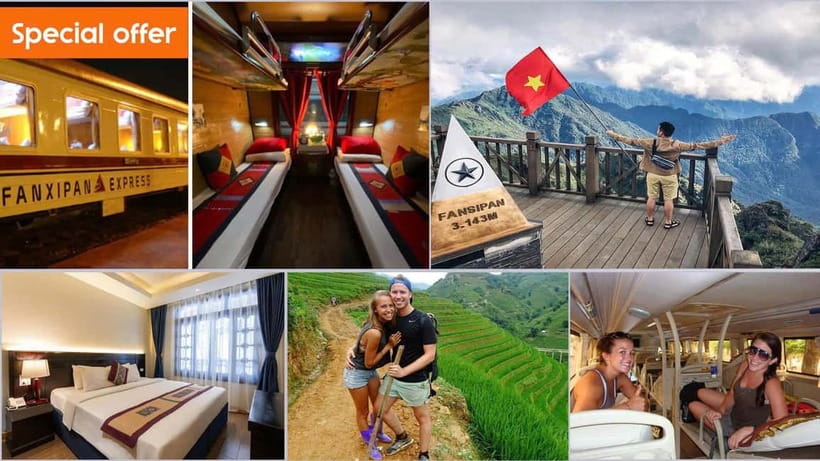
- Night train + limousine bus combo: you trade long daytime travel for a night of movement
- Ma Tra – Ta Phin + village trekking: you see minority communities beyond the busiest stops
- Day 1 afternoon choices: Long trek to Lao Chai – Ta Van or Cat Cat waterfall route
- Sapa hotel in the center: it’s easier to wander after trekking
- Fansipan is optional, not included: you’ll need to budget extra if you want it
What this Sapa trip really gives you (and why it works)
Sapa sits at about 1,650 meters. That alone changes your day: mornings feel crisp, afternoons cool off quickly, and the scenery looks sharper than lowland Vietnam. This plan is built around that “arrival feeling,” using an overnight train from Hanoi to Lao Cai so you don’t spend your whole first day staring out a bus window.
You start with pickup at your hotel (or a meeting point) and then transfer to Hanoi’s railway station. From there, you ride overnight in a soft-sleeper, air-conditioned cabin for four people. You’re not just traveling; you’re positioning yourself for an early morning start in Sapa.
What makes the whole thing more valuable is how much it packs into Sapa itself. You don’t only do one short walk. You do village visits, you get at least one guided segment, and you also get free time on the second day to explore at your own speed.
The price—$136 per person—makes sense if you compare it to what you’d pay separately for an overnight Hanoi–Lao Cai train, a Sapa hotel night, and a local guide plus village entrance fees. The main “cost” is comfort and effort: train sleep won’t feel like a hotel bed, and the trek can be physical.
Night train Hanoi → Lao Cai: the adventure part, not the luxury part
Your first night is on the night train from Hanoi to Lao Cai. You’ll be in an air-conditioned soft-sleeper cabin for four. That’s a key detail: you’re sharing the space, and that affects how well you sleep. Even if the cabin is more comfortable than basic seating, don’t expect it to be restful in the way a bed at home is restful.
I’d also mentally prep for the reality that rail plans can get affected by weather. There’s been at least one case where the train got cancelled due to heavy rain, and the operator switched the plan to a sleeper bus and a small station visit. You should go in knowing you’re traveling in a region where weather can disrupt schedules, and it’s better if you stay flexible.
Still, this is also what makes the itinerary smart. When you arrive in Lao Cai overnight, you’re not losing daylight to transit. By the time you get to Sapa, it’s early enough to eat breakfast, refresh, and start the village day without feeling like the day is half gone.
Practical tip: bring something warm even if the day is sunny. Nights on trains—and at altitude—can cool down fast.
The early-morning arrival in Sapa (Lao Cai station pickup to breakfast)
Around 5:00–5:30 AM, you’re picked up at Lao Cai train station. Then you join a bus and drive up to Sapa. The goal is simple: arrive early, get cleaned up where you can, and start the schedule with energy.
Once you reach Sapa, you’ll refresh and have breakfast at the hotel. The timing matters. If you arrive too late, village treks can feel rushed and sightseeing feels squeezed. Here, the morning setup gives you a fighting chance to actually enjoy the place, not just “do” it.
You also get a shower back at the hotel later on Day 1, which makes sense because the walking can get dusty or muddy depending on conditions.
Village morning: Ma Tra – Ta Phin and meeting local life
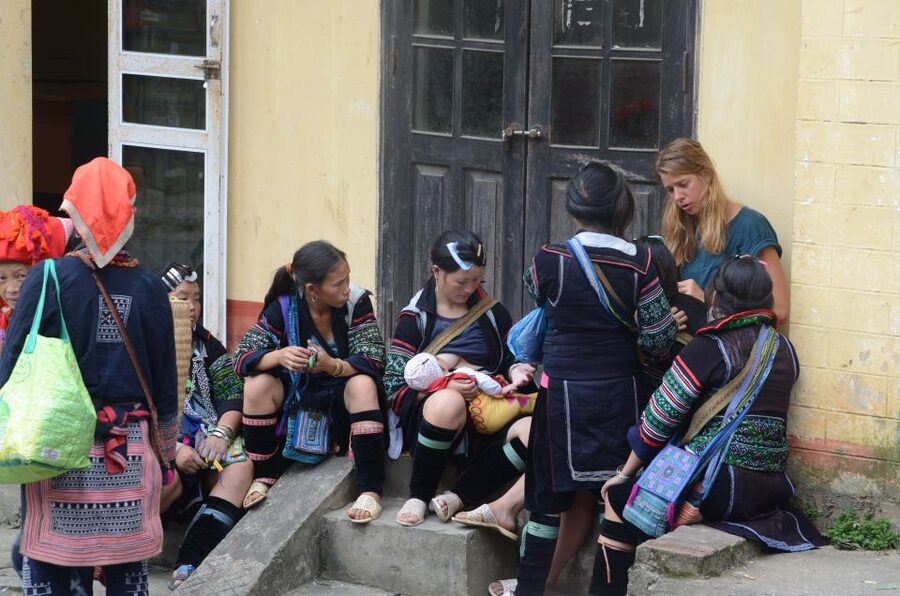
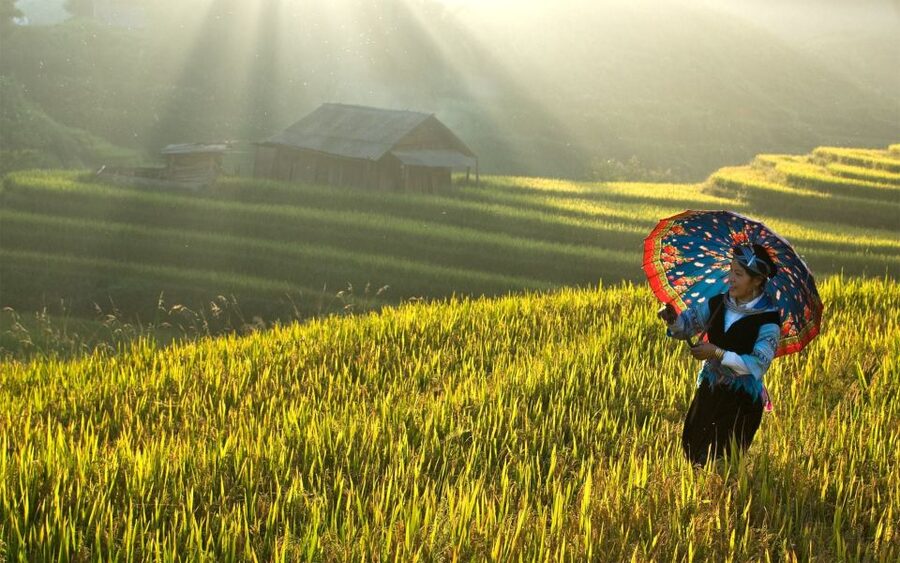
Day 1 morning is a guided visit to two Black H’Mong villages: Ma Tra – Ta Phin. The plan also includes a stop connected with Red Dzao ethnic people, along with a short trek.
This part is valuable for a few reasons:
- You get context from a local English-speaking guide rather than just moving through photos.
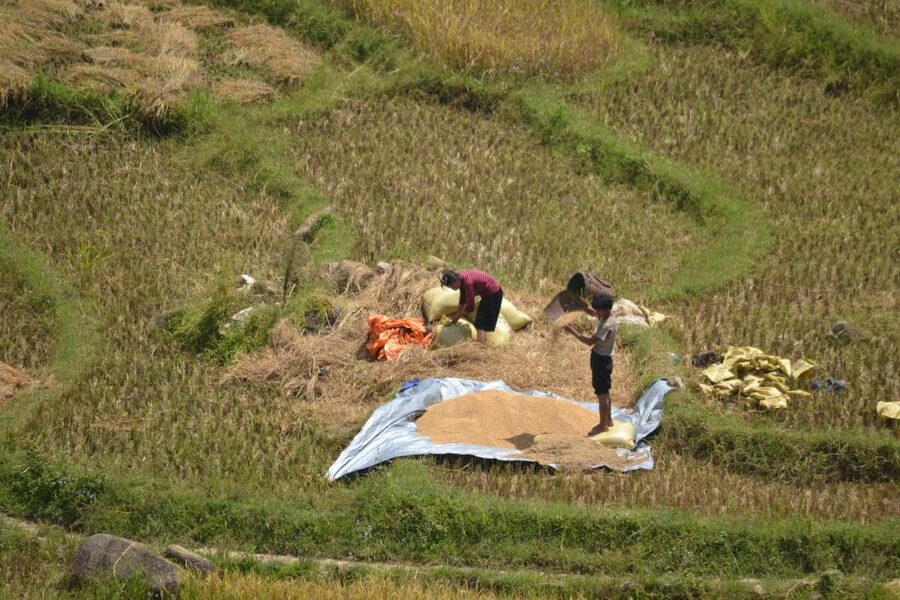
- The villages aren’t treated like a quick photo stop only. You’ll have time to see how people live and to understand what the community is like at this altitude.
- The walk is designed to be a “warm-up trek,” helping you gauge the terrain before you choose the longer route later in the day.
What to expect physically: it’s not billed as extreme, but you are still walking outdoors in mountain weather. If it’s wet, paths can get slick.
Lunch is back in Sapa, which is a smart decision. You refuel while your energy is still steady, so your afternoon choice feels like a choice—not a forced march.
Day 1 afternoon: long trek to Lao Chai – Ta Van or Cat Cat waterfall
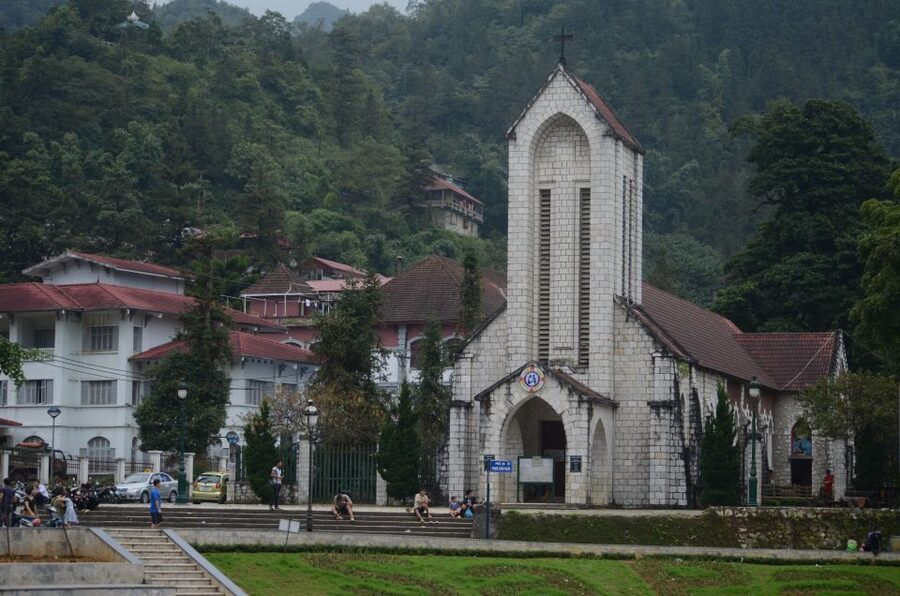
At around 14:30, you pick between two afternoon options. This is where the trip either feels like your kind of adventure or like too much, so pay attention.
Option A: Long trek Lao Chai – Ta Van (group tour)
This longer trek is the one that can feel intense if you’re not prepared. There’s been at least one situation where the trek turned into a 10 km muddy track with uphill and downhill, and slippery sections caused people to fall. The takeaway: you should treat this as a real hike, not a “gentle stroll.”
If you’re prone to slipping or you hate muddy boots, consider choosing Cat Cat instead. And if weather looks bad, ask your guide about route conditions before you commit.
Option B: Cat Cat village trek with waterfall
Cat Cat is a different vibe—more of a classic Sapa walking route with a waterfall focus. The data here doesn’t spell out exact elevation or distance, but it’s positioned as a lower-stress alternative to the long trek.
My advice: choose the option that matches your tolerance for mud and uneven ground. Don’t choose based on what sounds cool on paper if you know your feet hate wet trails.
After trekking: shower, dinner, and Sapa center time
After your afternoon, you return to the hotel for a shower. Then you’ll have dinner and you’ll have time to explore Sapa central town by yourself. Since your hotel is in the center and you finish the day earlier than you’d in many treks, you can wander at a human pace—slow streets, local market energy, and mountain views from town depending on weather.
Day 2: free time in Sapa plus the optional Fansipan add-on
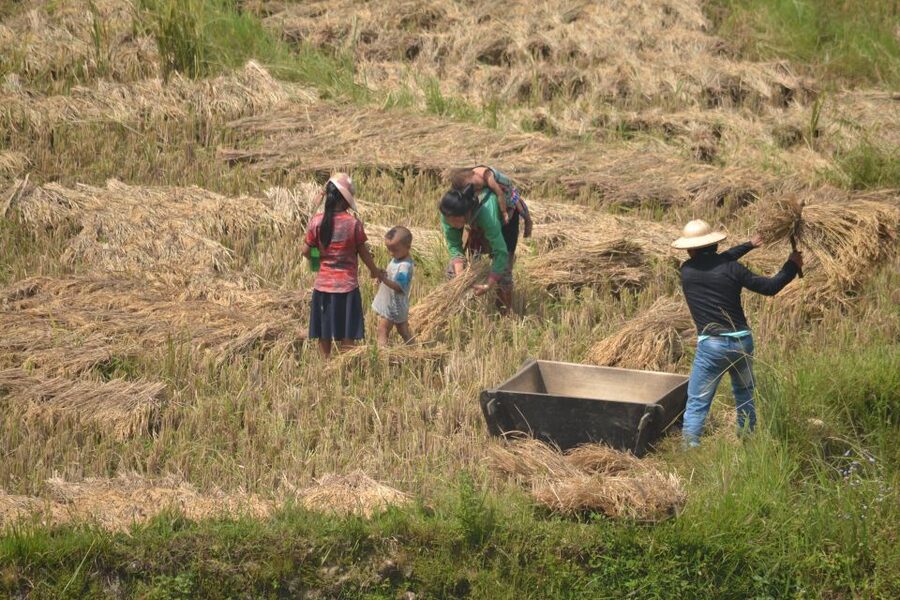
Day 2 starts with breakfast at the hotel at about 7:30 AM. After that, you have free time to enjoy mountain views and local life.
The plan suggests options like:
- Visiting the church
- Checking out the local market
- Stopping by the Sapa museum
This “free and easy” block is more than filler. It helps you absorb the place after village walking. If you spend the morning doing more structured activities every single day, you can end up exhausted without actually seeing much. Here, you can decide what you care about.
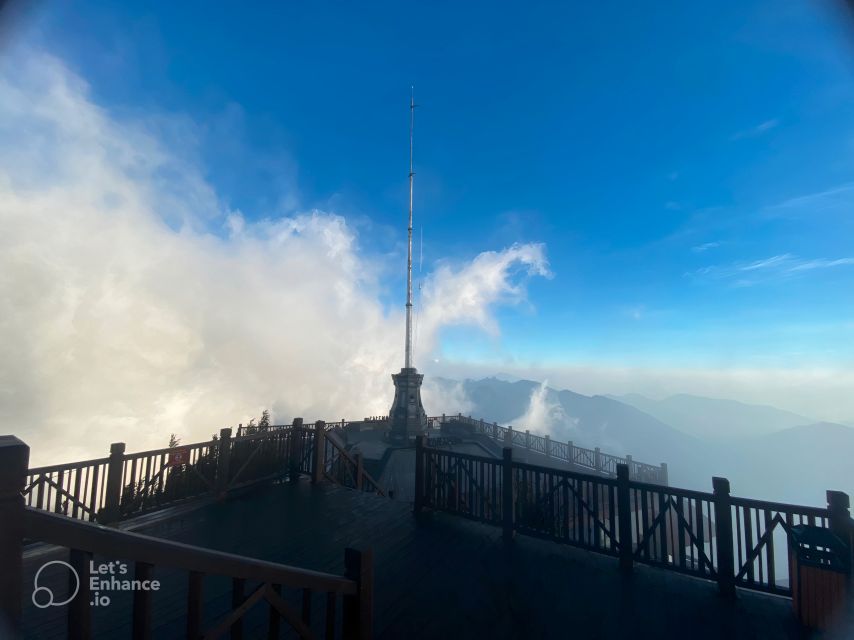
Optional: Fansipan Peak by cable car
Fansipan Peak is available as an add-on. You can take the cable car + transfers if you tell the operator ahead. The costs are listed as:
- Transfer: $20 per person
- Cable car return ticket: $36.50 per person
That’s extra, but for many people it’s worth it because it reduces time spent on long climbs. If your legs already got a workout from the first day trek, this is a good way to still get the big-peak experience.
Returning to Hanoi: limousine bus from Sapa
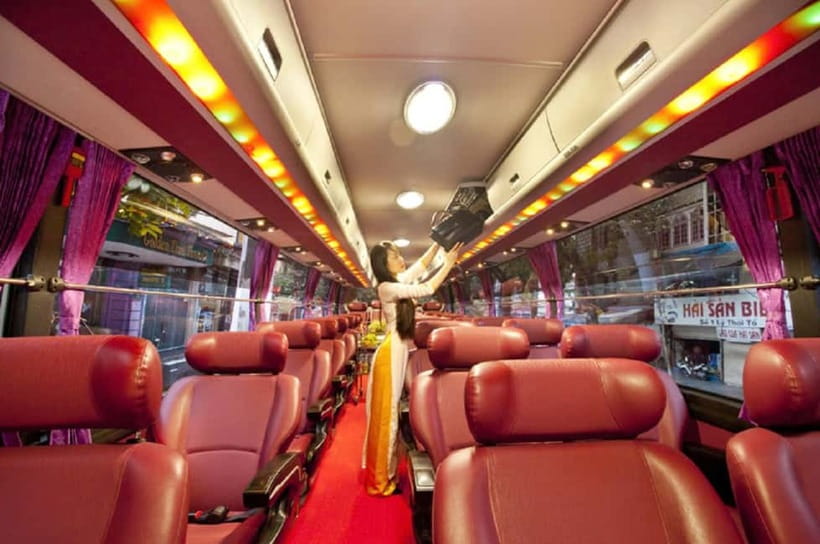
Around 13:30–14:00, you get on the limousine bus back to Hanoi. The bus is described as luxury with 28 spacious seats, and it’s part of why this itinerary keeps your day moving.
You should expect about 20:30 arrival in Hanoi. From there, you return to your hotel on your own. Since you’ll be arriving in the evening, I’d keep that final-plan simple: book a nearby or easily reachable place to stay if you can.
Hotel and “comfort math”: is this trip good value?
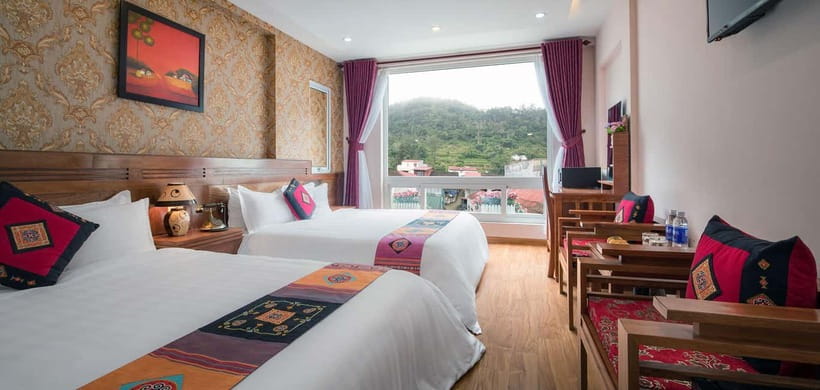
You get one night at a 3-star hotel in central Sapa on a twin-share basis. That’s important: central means you’re not always traveling just to get dinner or walk around.
The comfort story is mixed, and you should go in with the right expectations:
- The hotel night is solid enough to reset after trekking.
- The train night can be rougher than a bed, because this is a shared cabin soft-sleeper setup.
One review theme that matches what you should expect: train sleep can feel hard. If water or fruit were included in the cabin, it would make the night easier, but you can’t count on that as part of the package.
Also, the itinerary includes meals mentioned in the schedule. That reduces your day-by-day decision fatigue in a tourist-heavy area where food options can be confusing when you’re tired.
So is it good value? For most people who want:
- the unique night train experience,
- guided cultural time,
- and a real trek day,
it’s a fair deal. If you want maximum comfort with minimal walking, you’d likely find a different style of Sapa tour better.
What to pack and how to avoid the most common problems
This trip hits altitude and can hit mud. Two things solve a lot:
Warm clothes
Bring layers. The guidance specifically says warm clothes are important, especially from November to March.
Good footwear
If you choose the long trek option, assume slippery sections are possible on muddy ground. Traction matters more than style.
Other smart items:
- A small day bag for your essentials during village walks
- Something small to keep you warm on the train after you’ve dressed for day travel
And here’s a small but practical mindset tip: on trek days, you don’t need to prove toughness. You need to arrive steady. If you’re unsure about the terrain that day, check with your guide before committing to the long route.
Who this tour suits best
This experience fits best if you:
- want a night train adventure without losing the whole first day,
- like cultural village visits with a guide in Sapa,
- and don’t mind a trek day that can be challenging in wet conditions.
It’s also a good choice if you’d rather have someone else handle logistics like pickup, transfers, and entrance fees. That saves you time planning day-by-day.
If you’re extremely sensitive to slipping on muddy trails, or if long hikes aren’t your thing, the Cat Cat option (and possibly skipping Fansipan if you want extra rest) can help you tailor your day.
Should you book Go Asia Travel’s Sapa trekking + overnight train?
I’d book this if your ideal Sapa trip includes a real overnight journey and at least one guided village segment. The combination of train + hotel + guide + village entrances is what makes the price feel fair.
I’d think twice if:
- you’re expecting a super-comfy train experience,
- you hate wet, slippery walking,
- or you want a very short, low-effort trek.
If you do book, plan smart: pack warm, bring grippy shoes, and don’t treat the long trek as casual.
FAQ
How do I get from Hanoi to Sa Pa on this itinerary?
You’ll travel one way from Hanoi to Lao Cai by night train, then go from Sapa back to Hanoi by limousine bus.
Where do I stay during the trip?
You stay one night in a 3-star hotel in the center of Sapa town on a twin-sharing basis.
What villages are included in the guided part of Day 1?
You’ll visit Ma Tra – Ta Phin village area, including parts connected with Black H’Mong and Red Dzao ethnic people.
What are the two trek options on Day 1 afternoon?
You can choose between a long trek to Lao Chai – Ta Van (group tour) or a Cat Cat village trek with a waterfall.
Is there a guide with me in Sapa?
Yes. There’s an English-speaking local guide in Sapa and guided visits are included as described in the itinerary.
What can I do on the second day?
You have free time starting after breakfast, with suggestions like visiting the church, local market, or the Sapa museum.
Is Fansipan Peak included in the price?
Fansipan Peak is optional. Cable car and transfer costs are not included: transfer is $20 per person, and the cable car return ticket is $36.50 per person.
What should I bring for weather?
Bring warm clothes, especially if you travel from November to March. Sapa is at about 1,650 meters altitude.