REVIEW · BEIRUT
Private Car with English Speaking Driver
Book on Viator →Operated by Beirut Airport Transfer · Bookable on Viator
Beirut traffic can eat your day. This private car service turns that into a smooth, plan-friendly 8 hours by letting you choose the sights and keeping everything in one vehicle.
I especially like the English-speaking driver part, because it makes the day feel less like logistics and more like learning as you go. When my driver example from this service is Kamel, the vibe is easy, helpful, and personal, not stiff or scripted. Ahmed also comes up in the feedback for being friendly and making the whole process run smoothly.
One thing to consider: the day is packed by design. With many Lebanon options to choose from, you’ll want to pick priorities upfront so you don’t end up spending too much time in the car for what you actually came for.
In This Review
- Key highlights to know before you go
- Private Nissan Altima comfort, with real-world Beirut practicality
- English-speaking drivers who make the route feel easy
- How the 8-hour day works (and how to not overpack it)
- The 8-hour route menu: choose your Lebanon theme
- Jeita Grotto, Harissa, and Byblos: cave drama plus sea-town history
- Baalbek, Anjar, and Ksara: Roman scale with Bekaa Valley charm
- Qadisha Valley, Becharri, and the Cedars of God: mountain air and old monasteries
- Sidon, Tyre, and Maghdouché: southern coastal history with variety
- Tripoli, Nabu Museum, and Batroun: north Lebanon with a museum stop that breaks it up
- Beirut, Beit El din, and Deir El Qamar: Shouf region sightseeing with a storybook feel
- Baalbek, Cedars, and St Anthony Kozhaya Monastery: a “ruins plus soul” balance
- What’s included (and why it matters for value)
- Who this private Beirut car day suits best
- Should you book it? My practical take
- FAQ
- What’s the price for this private car service in Beirut?
- How long is the tour?
- What destinations can I choose for an 8-hour day?
- Does the service include hotel pickup and drop-off?
- Is the car air-conditioned and private?
- Do I get an English-speaking driver?
- Is there a ticket included for admissions?
- When do they provide pickup hours for the meeting point?
- What’s the cancellation policy?
- How far in advance should I book?
Key highlights to know before you go
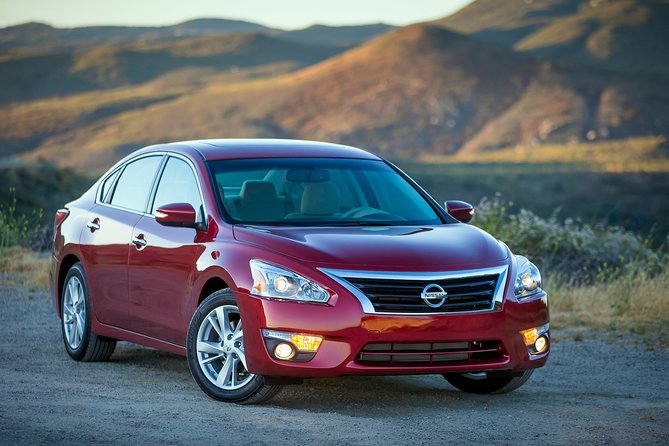
- Private Nissan Altima car for a comfortable, door-to-door day
- English-speaking driver who can guide you through sites and make the route make sense
- 8-hour flexibility to build your day around what you care about
- Hotel pickup and drop-off included, so you start relaxed
- Admission ticket free is listed as part of the offering (confirm details for your chosen route)
- Up to 4 people per group for $200, which is often good value versus taxis plus guide time
Private Nissan Altima comfort, with real-world Beirut practicality
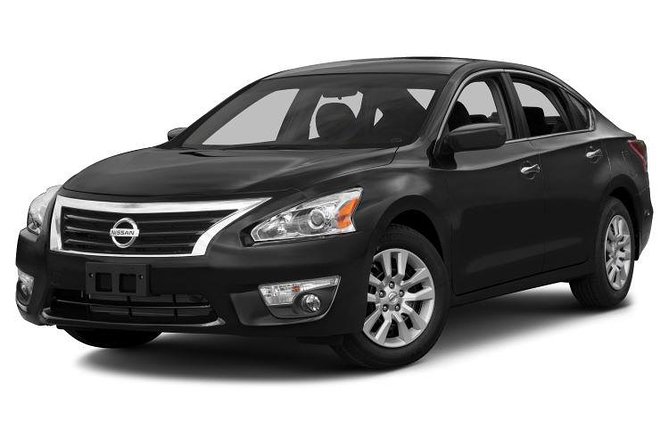
Here’s the simple reason this works: you’re not trying to coordinate public transport, taxis, and timing across multiple stops. You get an air-conditioned private vehicle (a Nissan Altima) and an English-speaking driver focused on transportation and helping your day flow.
The “private” part matters in Lebanon because distances between major sights can add up fast. An 8-hour format sounds short until you’re actually on a day where every transfer counts. With this service, you also get hotel pickup and drop-off, which means you’re not doing the awkward thing where you stand outside and hope you guessed the pickup spot right.
And yes, this is priced for a group. At $200 per group (up to 4), you’re effectively spreading the cost across people who want the same day, not competing for seats or negotiating rides while you’re tired.
English-speaking drivers who make the route feel easy
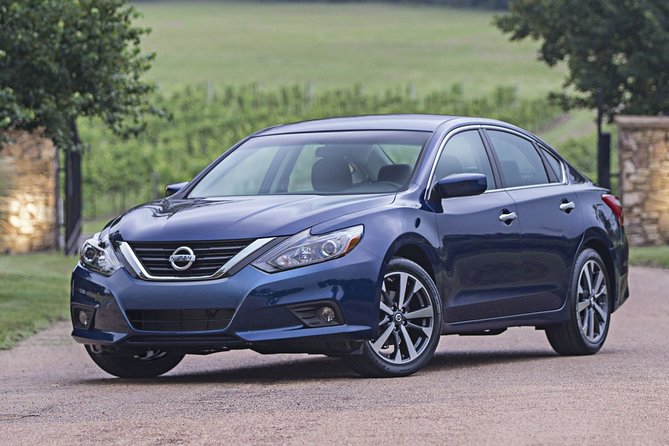
What you’re paying for here isn’t just a car. It’s the human layer that keeps you from wandering around with a map app and zero local context.
In the feedback tied to this service, Kamel stands out as a calm presence who felt helpful in a way that goes beyond “driver duties.” Ahmed is also mentioned for being friendly and for helping everything feel smooth. That combination is what you want when your itinerary includes things like caves, coastal towns, valleys, monasteries, or old ruins where context really matters.
Also, having an English-speaking driver helps you manage expectations. You can ask what a stop is best for, how much time to spend, and what kind of visit pace makes sense inside your 8-hour window. That turns your day from “stops on a list” into a coherent experience.
How the 8-hour day works (and how to not overpack it)

This is set up as a private full day inside Lebanon, with about 8 hours total. The service is also described as available 24/7, 365 days a year, and you get confirmation at booking, which helps reduce uncertainty.
Your main strategy: treat the 8 hours like a budget. Each option you choose has its own travel time and time-on-site balance. If you pick two “heavy” stops that each deserve a long visit, you may feel rushed. If you pick two places that pair well in geography, you’ll feel like you got a real day out of it.
A useful approach is to decide your top goal first:
- If you want dramatic scenery and famous viewpoints, pick the mountain or cave-focused routes.
- If you want historic cities and coastal ruins, pick the Sidon–Tyre/Byblos style routes.
- If you want wine-country atmosphere plus old sites, pick the Baalbek–Anjar–Ksara style day.
The 8-hour route menu: choose your Lebanon theme
You can pick from several “ready-made” combos, or customize your day around your preferences. The listed options pair major highlights in a way that’s designed to fit within the time limit.
Here are the route themes you’ll see offered:
- Jeita Grotto + Harissa + Byblos
- Baalback + Anjar + Ksara
- Qadisha Valley + Becharri + Cedars of God
- Sidon + Tyr + Maghdouché
- Tripoli + Nabu Museum + Batroun
- Beirut + Beit El din + Deir El Qamar
- Baalback + Cedars + St Anthony Kozhaya Monastery
The service is private, so you’re not waiting on other groups. That’s a big quality-of-life upgrade.
Jeita Grotto, Harissa, and Byblos: cave drama plus sea-town history

If you want a day that feels like Lebanon in two moods—nature and old-world towns—this combo is a strong pick.
Jeita Grotto is the headline for a reason: caves are one of those places where the time spent waiting around is worth it because the payoff is visual. Plan your pace so you’re not sprinting through photos. The driver’s value here is timing and making sure you don’t burn the car-side portion of the day.
Harissa adds a different kind of payoff. It’s known for a hilltop view element, so you’re likely doing a shorter stop with big scenery value. The key consideration: if weather is cloudy or visibility is limited, the “view payoff” can shrink.
Byblos is where the day becomes human-scale history. You get a historic feel without needing a full multi-day commitment. In a perfect 8-hour day, Byblos is your slower ending, so you can walk at an easy pace after the earlier travel and caves.
Trade-off: this route is a full sampler. It’s great if you want variety. It’s not ideal if you want one place only and zero rushing.
Baalbek, Anjar, and Ksara: Roman scale with Bekaa Valley charm
This is the route for people who like big ruins and then want a calmer finish.
Baalback (Baalbek) gives you the famous monumental scale of the Bekaa Valley’s ancient sites. When you’re dealing with huge stone complexes, having a driver who can keep the day on track helps a lot. You’ll want enough time to actually look up and not just walk through.
Anjar is a nice contrast. It’s often appreciated as a calmer stop where the site feels more approachable after the intensity of Baalbek. It also helps the day feel more like “one coherent region” rather than three unrelated destinations.
Ksara shifts gears into the wine-country mood. Even if you’re not going deep on wine knowledge, the atmosphere and local culture side of a Bekaa stop can be a fun wind-down. This is also one of those places where you’ll want to confirm timing of any included experiences linked to the ticket note, because “admission ticket free” can mean different things depending on the venue package.
Trade-off: if you dislike driving time between valley stops, you might feel it more on this route. If you like the idea of pairing archaeology with a gentler valley ending, it’s a great fit.
Qadisha Valley, Becharri, and the Cedars of God: mountain air and old monasteries
This route is all about vertical scenery and the feeling of places that have stood through centuries.
Qadisha Valley is where the day becomes dramatic. Valleys like this give you natural framing—churches, cliffs, and winding roads that make the region feel lived-in, not just scenic. The drawback with valleys: walking and viewpoints can be uneven, so wear shoes that handle uneven ground.
Becharri adds a local stop quality. It helps break up the day so you’re not only hopping between “big-ticket” landmarks. It’s often a chance to feel the pace of the area.
Cedars of God is the emotional anchor of the route. Even if you’re not a “tree person,” the cedar association and the idea of ancient growth makes the stop meaningful. Expect a nature-meets-heritage vibe.
Trade-off: this is the route most affected by weather. If roads or visibility are poor, you’ll still get the places, but the mood might change.
Sidon, Tyre, and Maghdouché: southern coastal history with variety
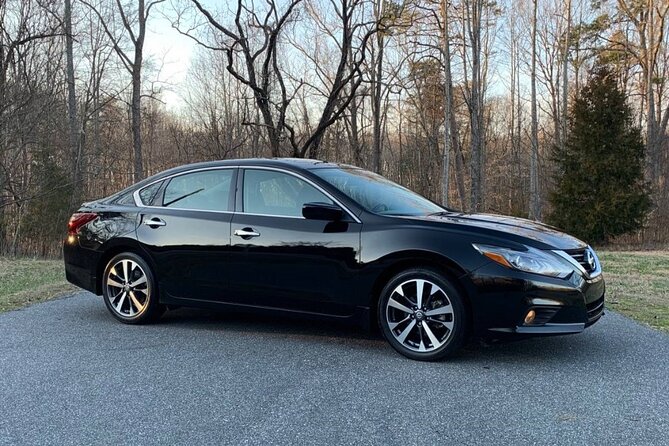
If you’re planning Lebanon from a coastal-history perspective, this is a classic trio.
Sidon tends to feel like a mix of everyday town energy and historical depth, which can make it easier to enjoy without feeling like you’re only in tourist mode. It’s a good start or middle stop depending on how you like your day.
Tyr (Tyre) adds the larger historical emphasis. Big sites can take time. The driver’s role here is keeping transitions tight so you don’t lose your best energy during the day’s later hours.
Maghdouché gives you another change of pace. It’s a useful pairing because it keeps the day from becoming only ruins and stone. Think of it as a “reset” stop before you wrap up.
Trade-off: coastal days can feel long if you choose too many walking-heavy stops. With this route, it helps to set expectations: you’re covering key highlights, not taking an extra-long beach break.
Tripoli, Nabu Museum, and Batroun: north Lebanon with a museum stop that breaks it up
For people who want to get beyond Beirut but still keep the day varied and interesting, this combo is well matched.
Tripoli is your larger city anchor. It gives you energy, old streets, and the sense of a place with layers. If you like city texture, you’ll probably enjoy this.
Nabu Museum is a smart insert because it shifts the day from outdoor sightseeing to something more contained. That can help you manage time and energy. A museum stop is also a good moment to learn a bit so later stops feel more meaningful.
Batroun ends the day with a lighter-feeling coastal town vibe. It’s often the kind of place where you can slow down and actually enjoy the final hours.
Trade-off: Tripoli can be time-heavy if you wander without direction. A driver who keeps your timeline helps you hit the highlights without getting stuck in “one more street” mode.
Beirut, Beit El din, and Deir El Qamar: Shouf region sightseeing with a storybook feel
This is a good choice if you want a day that feels connected by region and mood rather than only by big-name ruins.
Beit El din is the palace-and-heritage type of stop, the kind that helps you understand how power and architecture shaped Lebanon’s past. The benefit of placing it earlier in the day is that you can enjoy it with fresh energy.
Deir El Qamar is the village finish that makes the day feel human and walkable. It’s where you can slow down, look at buildings, and appreciate the slower rhythm of the area.
This route also works well for couples and small groups who want photos and atmosphere without spending the whole day in caves or ruins.
Trade-off: like most multi-stop days, your pacing depends on how much time you want to spend walking in each place. If you like long breaks, this might feel tight inside 8 hours.
Baalbek, Cedars, and St Anthony Kozhaya Monastery: a “ruins plus soul” balance
This option mixes major ancient architecture with a monastery element, which creates a different emotional arc than purely archaeological days.
Baalback starts with the big scale. Then you shift to the nature side with cedars, which helps reset your brain after heavy stone.
St Anthony Kozhaya Monastery is the cultural and spiritual highlight. Monasteries are the kind of place where time slows down naturally. They’re also often quieter than the big ruins, so you’ll likely feel the difference once you arrive.
Trade-off: the day includes both high-impact monuments and a reflective stop. If your group prefers action-packed sightseeing only, the monastery stop might feel like a pause.
What’s included (and why it matters for value)
Here’s what you’re getting with this private car service, and why it’s a real value versus cobbling together your own plan:
- Air-conditioned Nissan Altima vehicle: helps in summer heat and keeps your day comfortable.
- English-speaking driver: this is your on-the-ground translation and route sense.
- Fuel surcharge: you’re not arguing about fuel costs mid-day.
- Hotel pickup and drop-off included: less time hunting for a meeting point.
- Private transportation for your group only (up to 4): no waiting on strangers.
- Mobile ticket: makes it easier to manage on the go.
- Admission ticket free is listed: it suggests some entry costs are covered, but you should confirm what’s included for the specific sites you choose.
Also, the service is described as meeting legal standards with comprehensive insurance and years of passenger transportation experience. That matters when you’re moving between multiple sites in one day.
Who this private Beirut car day suits best
This is ideal if you:
- Want a full-day Lebanon tour without complicated planning
- Prefer comfort over public transport stress
- Like having a guide-style conversation without hiring a full tour guide
- Travel as a small group (up to 4) and want better cost control than multiple taxis
It might be less ideal if you:
- Only want one destination and don’t care about drive-time coverage
- Want ultra-structured, timed commentary at every minute (this is built around transportation plus an English-speaking driver, not a fixed museum-style program)
Should you book it? My practical take
If you’re in Beirut and you want to see a lot of Lebanon in one day, this private car option is the smart, low-stress way to do it. The combo of hotel pickup, English-speaking driver, and a small-group price model makes it easier to justify than DIY taxis plus guesswork.
Book it if your priority is a smooth day and you’re willing to pick the right set of stops for your interests. Skip it only if you want a slow, deep exploration of one site and don’t care about seeing multiple regions in one go.
FAQ
What’s the price for this private car service in Beirut?
It costs $200.00 per group, up to 4 people.
How long is the tour?
The duration is about 8 hours.
What destinations can I choose for an 8-hour day?
You can choose from listed 8-hour options such as Jeita Grotto, Harissa & Byblos; Baalback, Anjar & Ksara; Qadisha Valley, Becharri & Cedars of God; Sidon, Tyr & Maghdouché; Tripoli, Nabu Museum & Batroun; Beirut, Beit El din & Deir El Qamar; or Baalback, Cedars & St Anthony Kozhaya Monastery. You can also customize.
Does the service include hotel pickup and drop-off?
Yes. Hotel pickup and drop-off are included.
Is the car air-conditioned and private?
Yes. It’s a private, air-conditioned vehicle, and only your group participates.
Do I get an English-speaking driver?
Yes, the driver speaks English.
Is there a ticket included for admissions?
Admission ticket free is listed as part of the offering for the 8-hour experience.
When do they provide pickup hours for the meeting point?
The meeting point opening hours are Monday to Sunday, 8:00 AM to 2:30 PM (for the stated date range).
What’s the cancellation policy?
Free cancellation is available up to 24 hours in advance for a full refund. If you cancel less than 24 hours before the start time, there is no refund.
How far in advance should I book?
On average, it’s booked 61 days in advance. Confirmation is received at the time of booking.