REVIEW · HOI AN
My Son Sanctuary by Private Car from Hoi An/ DaNang
Book on GetYourGuide →Operated by Hiep Hoi An Travel · Bookable on GetYourGuide
My Son Sanctuary is one of those places where the past feels close. This private car trip from Hoi An or Da Nang gets you to UNESCO-listed Champa temples in a mountain-and-valley setting, with an English-speaking driver behind the wheel.
I also like that the plan is built for flexibility: there’s no tour guide included, so you can wander and look at the ruins at your own pace. One drawback to plan for is that you’ll pay the 150,000 VND entrance fee yourself, and you’ll still do about 2 km of walking once you’re inside the site (rain or shine).
In This Review
- Key highlights to know before you go
- Door-to-door private car logistics from Hoi An and Da Nang
- Where My Son Sanctuary sits and why UNESCO cared
- Champa temple timeline: worship, fire, and brick restoration
- How to spend your time on site without a guide
- The plus: you control the pace
- The trade-off: you’ll need to do some of the reading
- Timing reality: drive and site time
- Walking basics: shoes, rain plan, and what 2 km feels like
- Price and value: what’s included, what’s not, and when it’s a smart buy
- Who this My Son private car trip fits best
- Should you book this private My Son transfer?
- FAQ
- How far is My Son from Hoi An and Da Nang?
- Is the My Son entrance fee included in the price?
- Do I get a tour guide with this experience?
- How long does the trip take?
- What language will the driver speak?
- Will the tour run if it rains?
- Is hotel pickup available for any area in Da Nang?
Key highlights to know before you go
- Door-to-door pickup and drop-off in Hoi An / Da Nang city areas (with some zones requiring extra fees)
- Self-paced temple time since a tour guide isn’t included
- A UNESCO World Heritage Site tied to Champa spiritual and political life
- Clear time in and out with a half-day feel (the drive is usually just over an hour each way)
- All-weather planning with solid shoes and sun protection
Door-to-door private car logistics from Hoi An and Da Nang
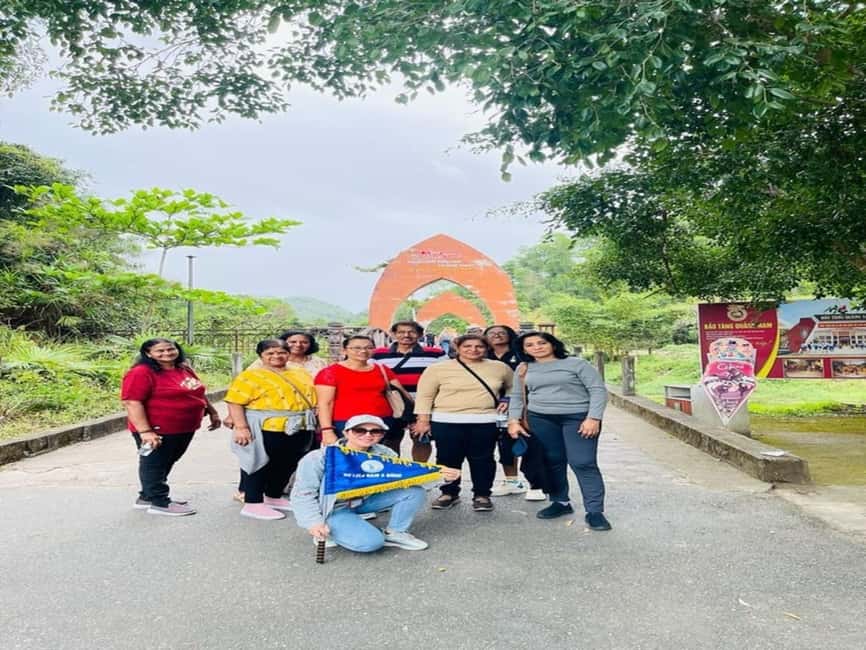
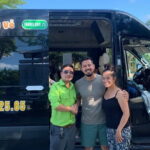
This is a straightforward setup: a driver picks you up at your hotel area and transfers you to My Son, then brings you back. No fuss, no group meetings in the morning, and you’re not stuck waiting for other cars. It’s a private group experience, which matters if you like your own pace (or you just want a smooth, low-stress day).
Pickup and drop-off cover a lot of neighborhoods in the Hoi An and Da Nang area, including common central zones like Hội An, Cẩm An, Minh An, Hải Châu District, and Sơn Trà (availability depends on exact location). The key detail: pickup is included only in certain areas. If you’re outside the main Hoi An city center zone, or in specific resort areas, there can be an extra charge. Examples listed include Hoiana Resort, Bliss Resort, Tui Blue Resort, and Intercontinental in Sơn Trà, or similar places. If that applies to you, it’s worth checking your exact pickup point early so there are no surprises.
A few more practical notes that affect your comfort:
- The driver is English-speaking.
- You’ll get a bottle of water.
- The tour duration is listed as 5 to 7.5 hours, which gives you flexibility depending on the starting time you choose.
- Luggage or large bags aren’t allowed, so travel light. A small day bag should be fine, but don’t show up with a suitcase.
If you’ve ever lost time to shared-ride detours, you’ll appreciate how clean this feels. You’re paying for transport and simplicity, not for a big guided production.
Where My Son Sanctuary sits and why UNESCO cared
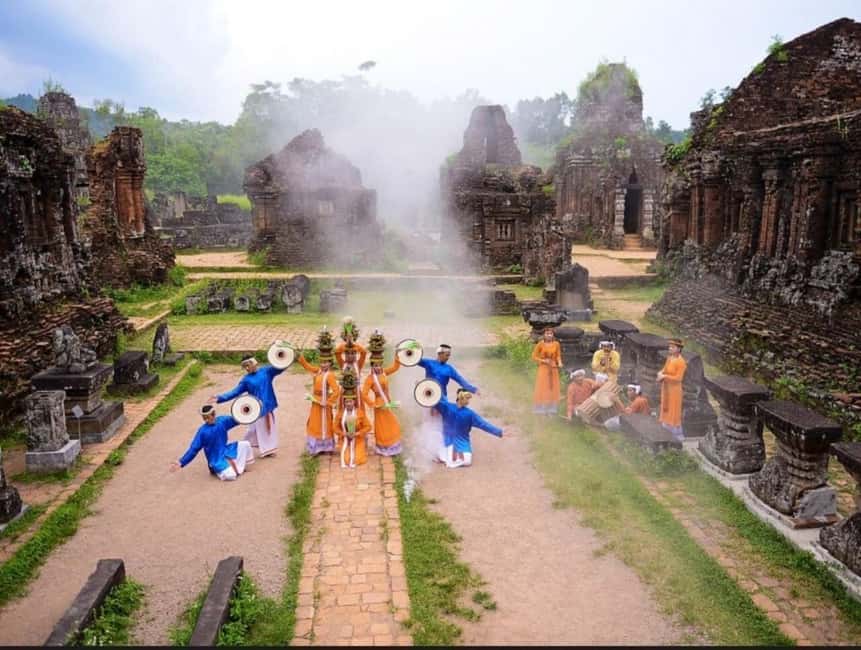
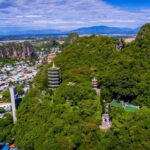
My Son Sanctuary is in Central Vietnam, about 80 km from Da Nang or 50 km from Hoi An. That distance is short enough for a day trip, but far enough that you feel like you’re leaving the coast and stepping into a different world.
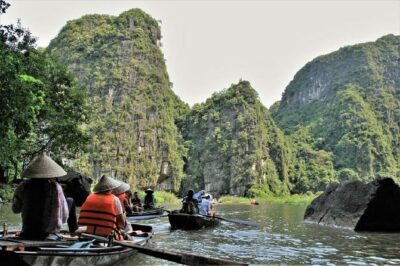
The setting is part of the experience. My Son sits in a valley framed by mountain ranges, which helps explain why this place was so important to the Champa Kingdom. You’re not just walking around random ruins. You’re moving through an old spiritual center that was designed for worship, offerings, and ceremony.
UNESCO recognized My Son as a World Heritage Site in 1999, and the reason isn’t just age. It’s also the way the complex developed over centuries, reflecting spiritual and political life during an important period in Southeast Asia.
Even before you read anything on-site, the architecture and layout make it feel like a planned sacred space. When you pair that physical sense with the historical timeline (next section), the ruins stop looking like leftovers and start looking like a system of beliefs and power.
Champa temple timeline: worship, fire, and brick restoration
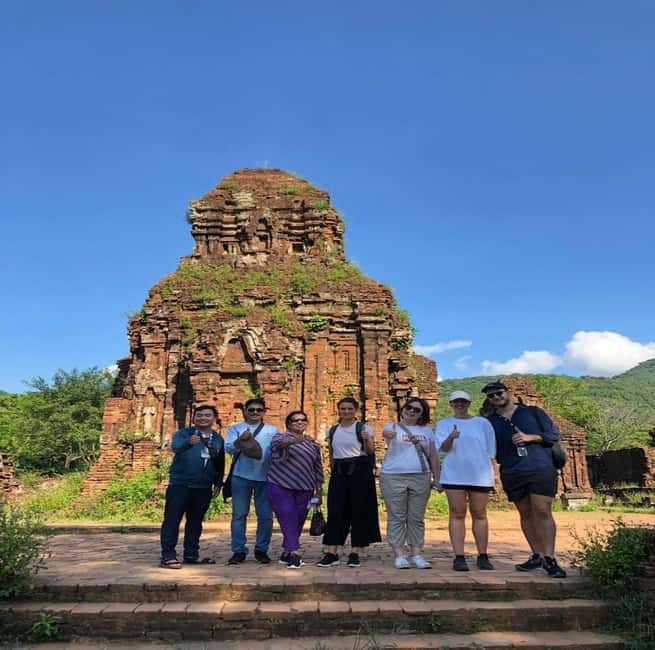
What makes My Son especially worthwhile is that it’s not only about what survived. It’s also about how the complex changed over time.
Here’s the timeline the site connects to:
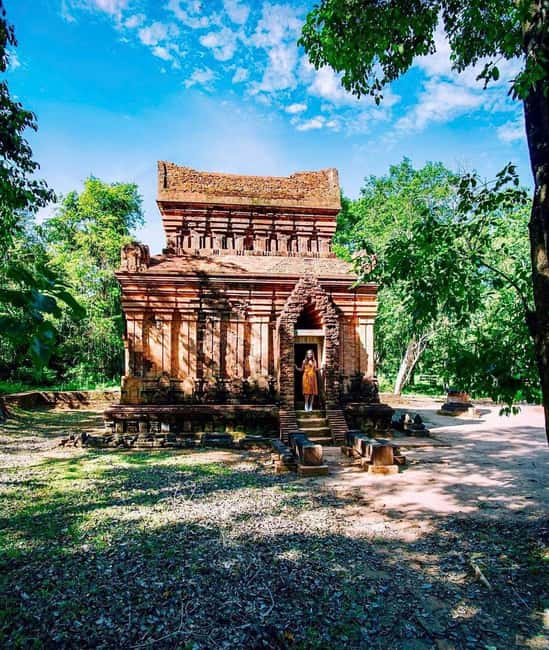
- Letters found during excavating the area revealed use for offerings and worship of the Hindu god starting in the 4th century.
- The sanctuary complex developed over about ten centuries, growing into a major spiritual and political hub of the Champa Kingdom.
- Temples were originally built with wood.
- In the 6th century, the temples were destroyed by fire.
- In the 7th century, Sambhuvarman rebuilt the temples with locally made bricks.
- Up to the 13th century, more than 70 similar temples were built, shaping My Son as a sanctuary of Hinduism within the Champa Kingdom.
Why this matters for you: the ruins you see today are the end result of repairs, rebuilding, and expansion—not a frozen moment in time. If you keep that in mind while you’re walking, you’ll notice the site feels layered. You’re not just seeing one era; you’re seeing a long sequence of renewal and devotion.
Also, My Son is closely tied to Hindu temple culture in the Champa world. Even if you’re visiting without a guide, it helps to know that you’re looking at a Hindu sacred site shaped by Champa leadership and religious practice over many generations.
How to spend your time on site without a guide
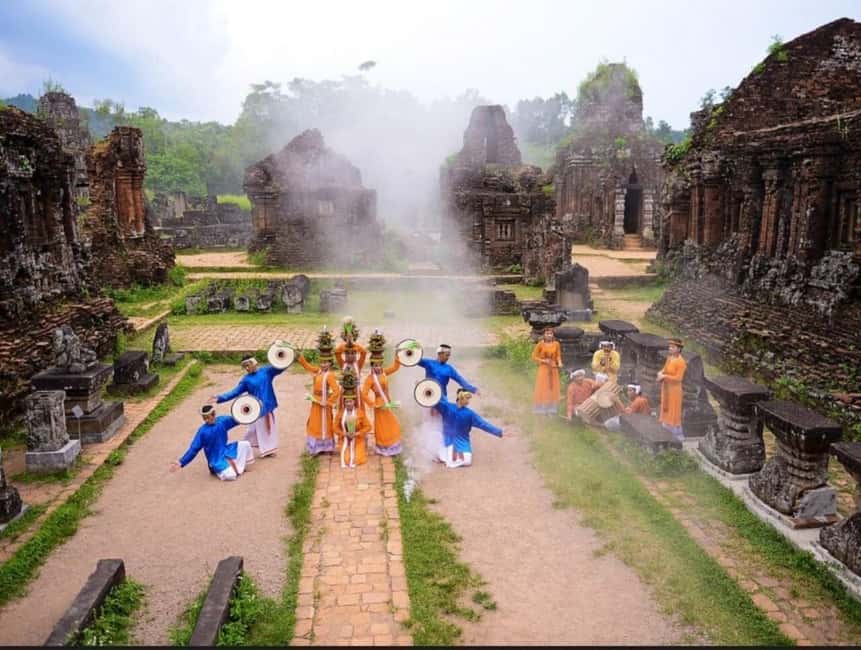
This tour is transfer-only with driver support, not a guided walkthrough. That’s a deal-maker for some people and a deal-breaker for others.
The plus: you control the pace
One of the strongest practical benefits is that you have time to yourself. Without a guide scheduled over your shoulder, you can:
- stop longer when something catches your eye,
- take photos without rushing,
- and focus on the parts you actually want to understand.
If you like ruins that reward observation, you’ll probably have an easier time here than on tours where you’re coached from point A to point B at speed.
The trade-off: you’ll need to do some of the reading
Since a tour guide isn’t included, you’re relying on what’s available on-site and what you already know. My advice: come ready to slow down for 30-second pauses. Look at the temple layouts and any written context you find, then connect it back to the timeline above (4th-century worship, 6th-century fire, Sambhuvarman’s brick rebuild).
If you prefer a full explanation of the symbolism, deity references, and architectural details, you might want to add a guide through another option. This experience is built for people who are comfortable exploring on their own.
Timing reality: drive and site time
The drive is described as a little over an hour each way in typical conditions, and there’s often around two hours at the site in a half-day rhythm. That can be enough for a meaningful walk and photos, as long as you don’t try to do everything at a sprint.
You’ll still want to leave time to cool down with water and shade breaks. My Son isn’t just temples—it’s a walking experience.
Walking basics: shoes, rain plan, and what 2 km feels like
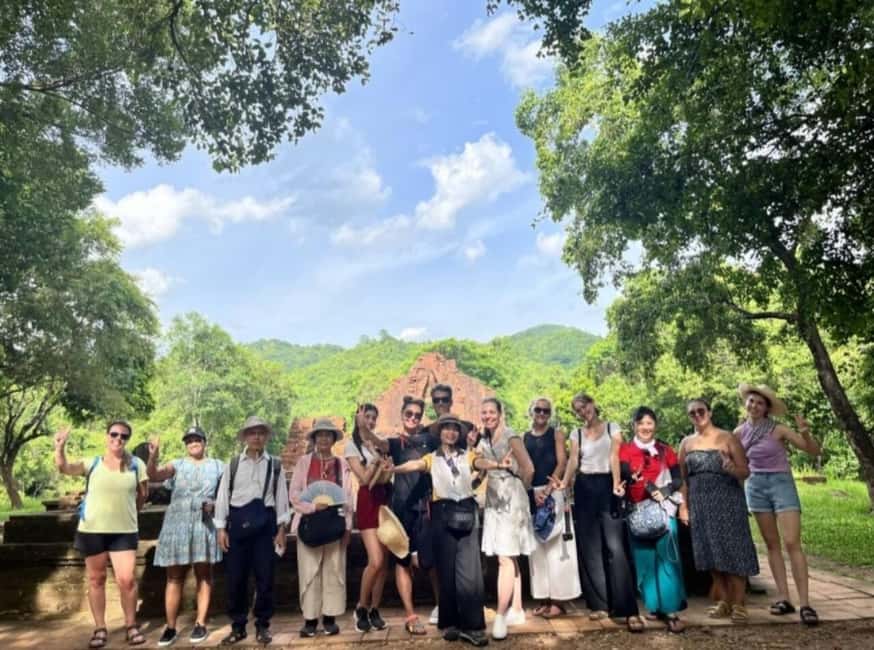
The tour operates rain or shine, so plan like the weather might surprise you. At My Son, walking within the site is about 2 km. That distance is manageable for most active travelers, but it’s not the same as a flat city stroll—ruins can mean uneven ground.
Bring:
- comfortable shoes with grip,
- sunscreen (the sun can be strong even when you think the morning is mild),
- a camera,
- and cash for the entrance fee if needed.
Also note the simple rule about bags: no luggage or large bags. If you’re carrying lots of stuff, you may have to leave items or limit what you bring in your day bag.
For rain, wear something you don’t mind getting a bit dusty. Water-resistant layers can help, but the main need is traction in slippery patches.
Price and value: what’s included, what’s not, and when it’s a smart buy
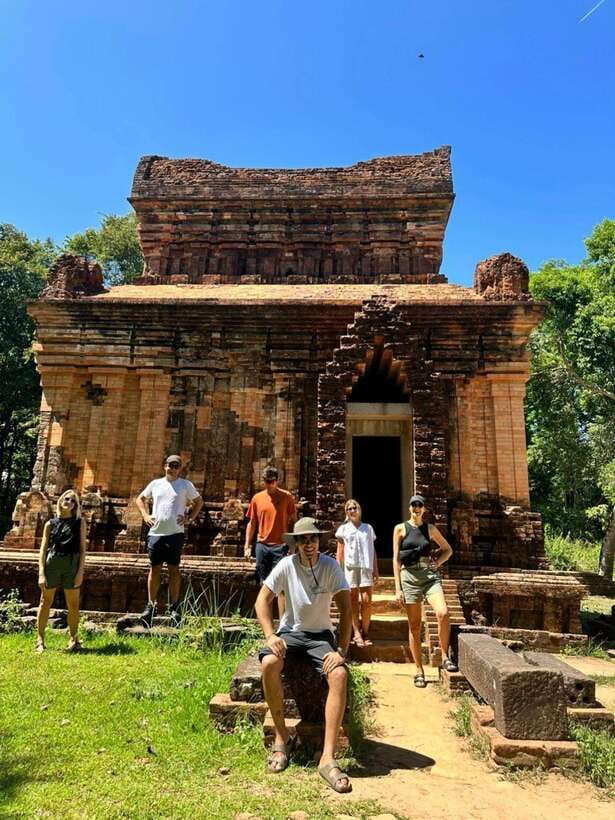
The price is listed at $26 per person, and for that you get:
- round-trip hotel pick-up and drop-off in the included areas,
- an English-speaking driver,
- and a bottle of water.
Not included:
- 150,000 VND entrance fees of My Son Holyland,
- tour guide,
- drinks,
- personal expenses.
So is it good value? For many people, yes—if your priorities match the format. You’re paying for a clean, private transfer and the freedom to explore without a guide schedule. If that’s your style, the cost is pretty sensible for a UNESCO site you’d otherwise have to coordinate yourself.
If you expect a guide to explain each temple and history detail step by step, then the entrance ticket plus your own extra reading time might feel like you’re doing more work than you planned. In that case, you may want a different option that includes interpretation.
Also, check whether your hotel is inside the pickup zones that are included. If you’re staying outside the main pickup area—especially certain resorts—the extra fee structure can change the real total. It’s listed by vehicle size:
- 4-seat car: 300,000 VND one way
- 7-seat van: 350,000 VND one way
- 16-seat van: 450,000 VND one way
That isn’t automatically bad value, especially if you’re a family group or traveling with friends. Just do the math before you commit, because pickup rules can turn a simple day trip into a more expensive one.
Who this My Son private car trip fits best
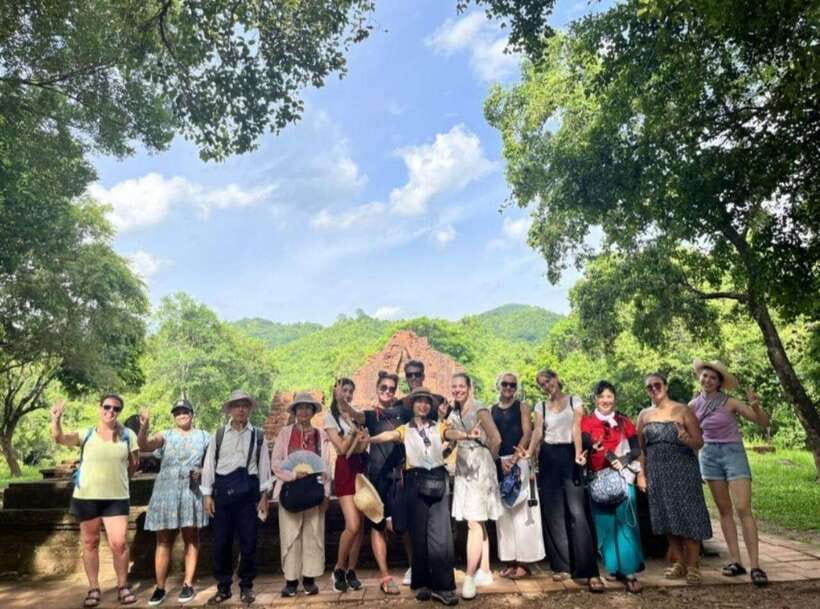
This experience is a good fit if:
- you want a low-stress transfer from Hoi An or Da Nang,
- you’re comfortable exploring ruins with your own pace,
- you don’t mind paying the entrance fee separately,
- and you can handle about 2 km of walking.
It’s also ideal for travelers who prefer not to sit through a rushed lecture. My Son rewards quiet attention: the details and the layout make more sense when you’re not being moved along every few minutes.
It’s less ideal if:
- you want a fully guided history and symbolism explanation included,
- you’re traveling with heavy luggage (large bags aren’t allowed),
- or you have limited mobility. The tour notes it’s not suitable for people over 95 years.
Should you book this private My Son transfer?
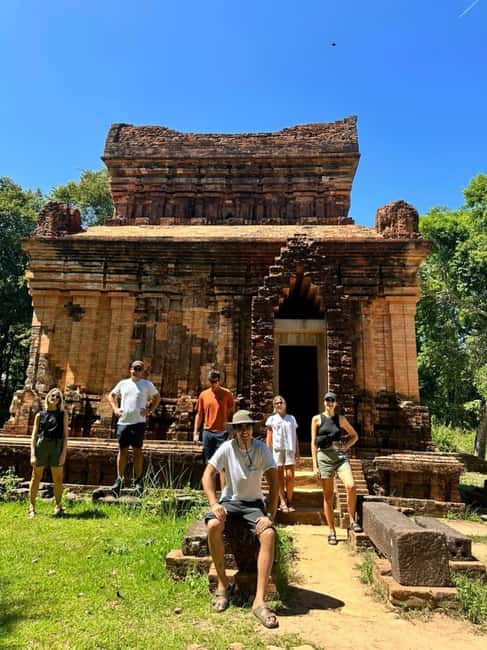
I’d book it if you want an efficient, private way to get to a UNESCO site without the hassle of driving yourself, and you’re happy exploring temple ruins on your own with the timeline context you’ve got here.
Skip or reconsider if you strongly prefer a guide to interpret everything, or if your hotel pickup situation isn’t clear yet. The entrance fee and walking requirement are small but real parts of the plan—factor them in and the trip becomes a tidy half-day highlight.
If your biggest goal is to see My Son and then get back to your hotel without turning the day into logistics, this is one of the cleanest ways to do it.
FAQ
How far is My Son from Hoi An and Da Nang?
My Son Sanctuary is about 50 km from Hoi An and about 80 km from Da Nang.
Is the My Son entrance fee included in the price?
No. The entrance fee is 150,000 VND and is not included. Drinks are also not included.
Do I get a tour guide with this experience?
No. A tour guide is not included. You explore on your own during your time at the site.
How long does the trip take?
The duration is listed as 5 to 7.5 hours, depending on the starting time you choose.
What language will the driver speak?
The driver is listed as English-speaking.
Will the tour run if it rains?
Yes. The tour will take place rain or shine.
Is hotel pickup available for any area in Da Nang?
Hotel pickup is not available in all Da Nang areas and not available outside the Hoi An city center in certain resort zones. Extra fees may apply if pickup is requested from specific areas.