REVIEW · KATHMANDU
Kathmandu 2 days tour private car and guide, cover major highlights
Book on Viator →Operated by Himalaya Holiday service Pvt. Ltd.(HHS) · Bookable on Viator
One great shortcut is seeing Kathmandu’s highlights in just two days. This private tour strings together UNESCO-class stops that teach you what Nepal looks like at street level and in the big spiritual landmarks. You also get a flexible Day 1 plan, so your pickup time can shift to match your schedule.
What I like most is the way Day 1 is built around “meaning,” not just photos: Kathmandu Durbar Square (including Kumari Baha) connects you to the living goddess tradition and royal-era architecture. Then the day pivots to two wildly different spiritual vibes—Pashupatinath on the Bagmati River and Bouddhanath with its Little Tibet feel.
One consideration: monument entry fees and food/drinks are not included, so you’ll want to budget a bit extra once you see what you’re paying at each site.
In This Review
- Key highlights to watch for on this Kathmandu 2-day tour
- A fast two days across Kathmandu’s biggest UNESCO sights
- Day 1 at Kathmandu Durbar Square: Kumari Baha and royal-era courtyards
- Swayambhunath (Monkey Temple) on Day 1: 30 minutes of hilltop energy
- Pashupatinath on the Bagmati River: cremation-site reality and temple ritual
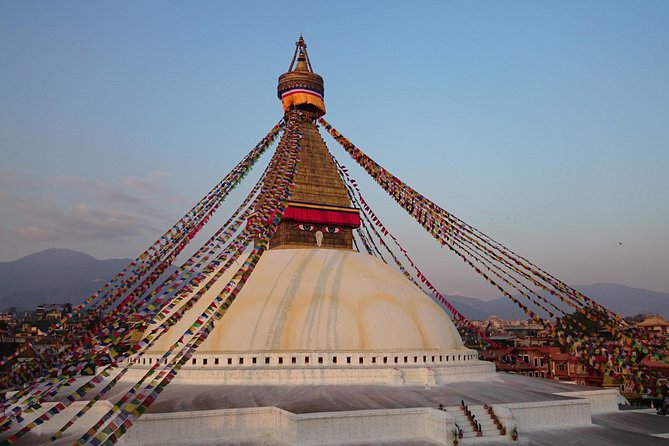
- Bouddhanath Stupa: the Little Tibet feeling that closes Day 1
- Day 2 in Patan and Bhaktapur: medieval palaces in about 5 to 7 hours
- Guide power: why Paras (and other guides like Gyan) can make this trip click
- Car, pickup, and timing: making Kathmandu feel manageable
- Price and value: what $95 per person really includes
- What to pack and how to get the best photos (without being annoying)
- Who this tour suits best (and who might want a different pace)
- Should you book this Kathmandu 2-day highlights tour?
- FAQ
- What time does the tour start?
- Is pickup and drop-off included?
- Is this tour private?
- Are monument entry fees included?
- What about food and drinks?
- How long is the second day?
- Can I cancel for free?
Key highlights to watch for on this Kathmandu 2-day tour
- Private guide storytelling that helps you read what you’re seeing, especially at Durbar Square and the river temples
- Flexible Day 1 timing, including choosing a pickup time after booking confirmation
- Durbar Square focus on Kumari Baha and royal courtyards, not just a quick walk-by
- Pashupatinath cremation-site viewing on the Bagmati River, handled in a respectful, guided way
- Day 2 hits both Patan and Bhaktapur in about 5–7 hours, for a strong second-day payoff
A fast two days across Kathmandu’s biggest UNESCO sights
If you’re short on time, this is a smart way to cover a lot of ground without feeling like you’re stuck in a tour-bus blur. You start at 9:45 am, and you’ll travel by private car/van with hotel pickup and drop-off. It’s a private setup, so your route can flex as needed instead of following a rigid group schedule.
Day 1 is designed like a storyline. You begin in the old palace zone at Kathmandu Durbar Square, then you move to the hilltop religious energy of Swayambhunath (Monkey Temple). After that, the route drops to the river world at Pashupatinath, and then you finish with the stupa atmosphere at Bouddhanath.
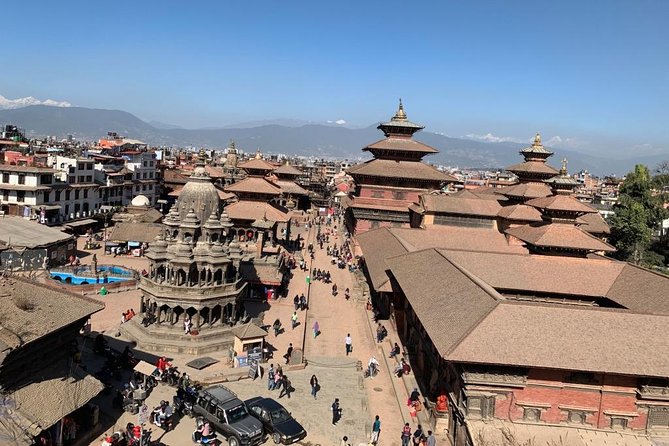
Day 2 stays centered on historic city cores: Patan Durbar Square and Bhaktapur Durbar Square, plus the temple-and-palace streets in between. The whole Day 2 run is listed at about 5–7 hours max, which is long enough to feel like you did something, but not so long you’ll be dragging by lunch.
Day 1 at Kathmandu Durbar Square: Kumari Baha and royal-era courtyards
Kathmandu Durbar Square is where the city’s layers show up fast. This stop is built around the old palace complex and the details that most people rush past. You’ll spend time around the Kumari Baha, home to the living goddess tradition. Even if you’ve never heard the story before, it clicks once you see how the space is set up for ceremony and daily reverence.
You’ll also notice the architecture isn’t just pretty—it’s functional and symbolic. Think multiple sanctums, wings of the old palace, and courtyards with sculptures and carvings. This is where you start to understand why Durbar Square is considered a cultural centerpiece.
If you’re the kind of traveler who likes context (me too), this stop also includes a gallery with memorials of rulers from the Shah Dynasty and the Gurkhas. That small detail helps you connect the site to Nepal’s political story, without turning the day into a history lecture.
Practical note: Durbar Square areas can involve walking on uneven surfaces and climbing up to viewpoints in certain spots. Wear shoes you can trust. And if you see people preparing for prayer or ceremony, keep your pace slow. Your guide will steer you on what’s okay to photograph and what’s better to observe quietly.
Swayambhunath (Monkey Temple) on Day 1: 30 minutes of hilltop energy
From Durbar Square, you drive about 30 minutes to Swayambhunath. This is the classic hilltop viewpoint with a temple zone that feels busier, louder, and more alive than the palace courtyards.
What I like about adding Swayambhunath here is the contrast. You’ve just been in a heritage complex rooted in royal space and ceremonial tradition; now you’re in a place with constant movement—devotees, pilgrims, and that energetic vibe that makes you feel like Kathmandu never fully sleeps.
Even if you focus on the temple area and don’t chase every view corner, you still get the payoff: a strong sense of place. On clear days, you can often see the city’s layout spread out below. And yes, it’s called Monkey Temple for a reason—just keep your belongings secure and move confidently if you’re near the animals.
Pashupatinath on the Bagmati River: cremation-site reality and temple ritual
After Swayambhunath, the itinerary drives to Pashupatinath Temple, with about 1 hour for the site, plus 30–40 minutes of driving time. Pashupatinath isn’t just another temple stop. It sits along the Bagmati River, and it’s known for its open public crematorium where rites and rituals are performed.
This is the part of the tour where you’ll want to slow down. You get a chance to witness what cremation rites look like in a real setting, not a staged museum version. The description you’ll follow includes details like holy men with painted faces, dreadlocked hair, and ash-applied body. A guide matters here because it helps you understand what you’re seeing and how to behave respectfully.
A few tips to make this portion go smoothly:
- Dress modestly and keep your shoulders and knees covered.
- Don’t block sightlines for people involved in ceremonies.
- Treat the space like a working religious site, not a photo set.
Also, your route is timed so you’re not constantly rushing. With the time built in, you can watch quietly from an appropriate distance and then move back when you’re ready.
Bouddhanath Stupa: the Little Tibet feeling that closes Day 1
After Pashupatinath, you take a short drive to Bouddhanath Stupa, often described as the Little Tibet area. This stop is a nice pressure-release after the intensity of the river and cremation grounds.
The stupa complex gives you a different spiritual texture: calmer, rhythmic, and visually repetitive in a way that makes it easier to settle into a slower pace. Even if you don’t know the technical names of everything you’re looking at, you can feel the pattern of reverence—pilgrims moving through the space and the stupa serving as the anchor point.
This is also a good place to take a breather and plan your energy for Day 2. Because you end with the drive back to your hotel, you don’t have to worry about finding your own way afterward.
Day 2 in Patan and Bhaktapur: medieval palaces in about 5 to 7 hours
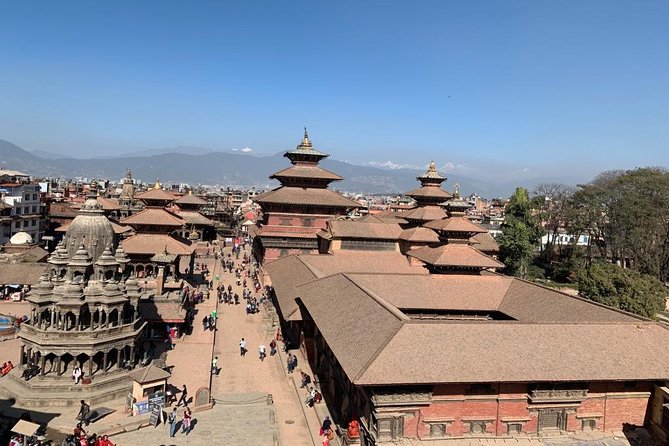
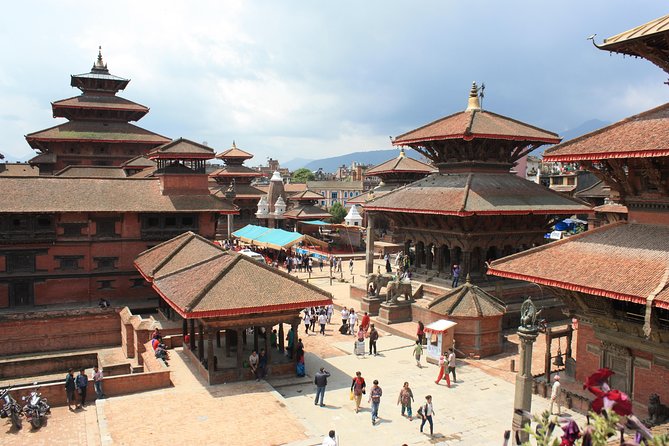
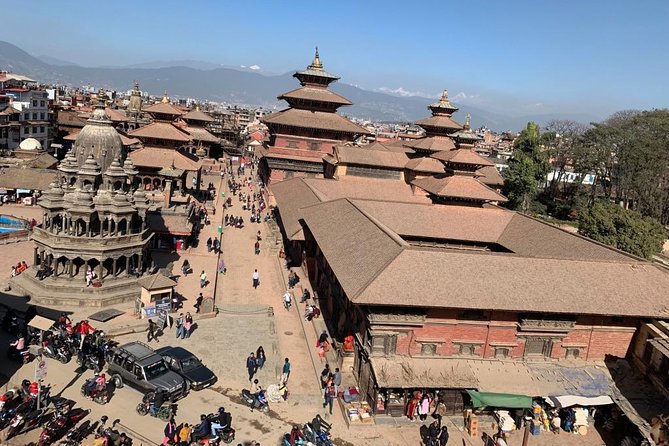
Day 2 covers Patan Durbar Square and Bhaktapur Durbar Square, and it’s designed for a focused sweep of historic urban cores. The total time is listed as about 5–7 hours max, so you’ll cover a lot, but you still get time to look at temples and palace-style architecture without losing the thread of what’s where.
In Patan, you’re moving through a space where medieval-style religious buildings and monuments feel close together. The value here is that you don’t just see one square—you get a sense of how the city’s historic layout shapes everyday walking routes.
Then you head to Bhaktapur, where the tour emphasizes medieval palaces and temples and the surrounding village feel. If you’re the type who loves street-level detail—doorways, courtyards, carved structures—Bhaktapur tends to deliver. It’s one of those places where you’ll keep noticing new details as you move, especially if you have a guide to help you connect names and functions to the architecture.
Tip: Day 2 is short enough that you should focus on a few “must slow down” moments rather than trying to do everything. Pick what matters most to you—palace courtyards, temple exteriors, or the feel of village lanes—and let your guide handle the rest.
Guide power: why Paras (and other guides like Gyan) can make this trip click
The biggest difference between a checklist tour and a memorable one is the human layer. In this case, the guidance you may receive can be the kind that turns big landmarks into stories you understand.
One guide name that shows up is Paras, described as super chill while still delivering strong explanations. Another guide mentioned is Gyan, credited with sharing interesting stories that don’t usually appear in standard guidebooks. The practical takeaway for you: you’ll get more out of the stops if your guide helps you interpret what you’re looking at—especially at places like Kumari Baha and Pashupatinath, where meaning is tied to rituals and setting.
A quick way to help your guide deliver better: tell them what you care about most before you start Day 1—temples, architecture, religious practice, photography rules, or simply how to navigate the sites without missing the key points.
Car, pickup, and timing: making Kathmandu feel manageable
This tour is structured to reduce friction. You get hotel pickup and drop-off, and you travel in a private car/van/bus setup for your group. Since it’s private, you’re not waiting for others to finish photos or arguing about meeting points at every stop.
Day 1 also includes a flexibility feature: you choose any time on the phone call after booking confirmation. That’s useful if your flight lands late, you want a lie-in, or you’re trying to match your day to weather or energy levels.
Start time is set at 9:45 am, so plan your morning accordingly. And since Day 1 includes multiple different zones—palace complex, hilltop, river, stupa—you’ll feel the schedule rhythm. The driving blocks are relatively short (like the 30-minute hop to Swayambhunath), which keeps the day from dragging.
Price and value: what $95 per person really includes
At $95 per person, the value here mostly comes from the “bundle” effect. Your money isn’t just paying for a driver—it’s paying for a local private guide, transport, and hotel pickup and drop-off.
What’s included:
- Local guide (private guide)
- Car/van/bus for private trip
- Hotel pickup and drop-off
What’s not included:
- Food and drinks
- Monument entry fees
There’s also a useful signal that some site admissions may be listed as free in parts of the plan, but since monument entry fees aren’t included overall, don’t assume everything is zero-cost. Budget a little extra so you’re not surprised halfway through.
One more value tip: this experience is, on average, booked about 87 days in advance. If you’re traveling in peak season or on a tight schedule, booking earlier can help you lock in the private setup you want.
What to pack and how to get the best photos (without being annoying)
Kathmandu is a place where small choices matter. Here are practical things you can do before you go:
- Wear comfortable shoes for uneven stone and temple steps.
- Carry a light layer for mornings and evenings.
- Bring modest clothing that works for temple areas.
- If you plan photos at Pashupatinath, be extra respectful: keep distance, avoid blocking, and follow your guide’s lead.
You don’t need special gear, but you do need patience. The sites reward slow looking, not speed-walking.
Who this tour suits best (and who might want a different pace)
This one fits best if you:
- Want a private plan with transport and a guide handling the flow.
- Have two days and want the core Kathmandu highlights without stretching it into a week.
- Enjoy spiritual and cultural sites, especially places tied to ceremony like Kumari Baha and Pashupatinath.
It may be less ideal if you:
- Prefer to avoid religious ceremony viewing, especially where the day includes cremation-site presence.
- Want an ultra-relaxed pace with long museum-style stops. This itinerary is intentionally efficient.
- Travel with kids who might need frequent breaks. Children must be accompanied by an adult, and the walking is still part of the experience.
Should you book this Kathmandu 2-day highlights tour?
I’d book it if you want a clean, guided route that hits Kathmandu’s signature spiritual and heritage landmarks in two days. The mix is smart: Durbar Square + hilltop temple + river ritual + stupa atmosphere on Day 1, then Patan + Bhaktapur for a strong historic second day.
Skip it only if you strongly dislike religious settings that involve active ceremony, or if you’d rather spend your time deep in one area instead of sampling a lot of zones. For most first-timers who want real context fast, this is the kind of plan that saves time and keeps the experience coherent.
FAQ
What time does the tour start?
The start time listed for this experience is 9:45 am.
Is pickup and drop-off included?
Yes. Hotel pickup and drop-off are included.
Is this tour private?
Yes. It’s a private tour/activity, and only your group participates.
Are monument entry fees included?
No. Monument entry fees are not included. The itinerary notes some admissions as free, but the overall listing specifies monument entry fees are not included.
What about food and drinks?
Food and drinks are not included, so you’ll want to budget for meals during the day.
How long is the second day?
Day 2 (Patan Durbar Square and Bhaktapur square) is listed as about 5–7 hours max.
Can I cancel for free?
Yes. You can cancel for free up to 24 hours in advance of the experience’s start time for a full refund.