REVIEW · KATHMANDU
1 Night 2 Days Trishuli River Rafting Trip From Kathmandu With Private Car
Book on Viator →Operated by Welcome Nepal Treks P.ltd · Bookable on Viator
Trishuli rafting is a quick hit of Nepal adventure. You get a straightforward river run from Kathmandu, with class 2 to 3 rapids plus plenty of time to enjoy the river vibe without the kind of extreme, technical paddling that scares most people off. The pacing also makes it a good pick if you want whitewater that still feels relaxed.
I love how this trip mixes real rafting time with comfortable downtime. Day 1 has a couple of named rapids (LADISE DELIGHT, then UPSET and SURPRISE), and after that you settle into River Fun Beach Resort time with a buffet hot lunch, a private swimming pool, and options like kayaking practice or a local farm stop. I also like that the package is built around you: private AC transport, included meals, a night stay, and the gear you need.
One consideration: during monsoon months, the rapids can get more intense and attract a different crowd of rafters. If you prefer a calmer ride, plan your season carefully and be honest with yourself about how you handle fast water.
In This Review
- Key highlights I’d pencil into your plan
- Trishuli River rapids that feel exciting, not exhausting
- Kathmandu to Charaudi by private AC car: why the drive matters
- Day 1: Charaudi Red House, the rapids, and the riverbank reset
- Day 2 rafting to Mugling: the easy flow, then your choice of destinations
- Safety gear and staff support that keep the day calm
- Included meals and lodging: what you should expect on the ground
- Value math for $120: why the price feels fair for this package
- Who should book this Trishuli River rafting trip
- A few realistic drawbacks to weigh
- FAQ
- FAQ
- What does the Trishuli River rafting trip cost?
- Where does the rafting start, and when do we begin?
- How long is the experience?
- What rapids and difficulty level should I expect?
- What meals are included?
- What rafting gear and safety support are included?
- Where does the day 2 rafting end?
- Are drinks included?
- Is it easy to cancel if plans change?
- Final thoughts: should you book this trip?
Key highlights I’d pencil into your plan
- Named rapids like LADISE DELIGHT, UPSET, and SURPRISE for clear, confidence-building rafting energy
- Self-bailing rafts plus helmets, life jackets, and plastic paddles so you’re not hunting for gear
- River Fun Beach Resort downtime with a private pool, kayaking course, and farm/fruit garden time
- A true food plan (breakfast, buffet hot lunch, dinner) so you don’t scramble on the road
- Day 2 ends in Mugling, then you choose your next base: Kathmandu, Chitwan, or Pokhara
- Small group size with a maximum of 15 travelers, which keeps the day from feeling chaotic
Trishuli River rapids that feel exciting, not exhausting
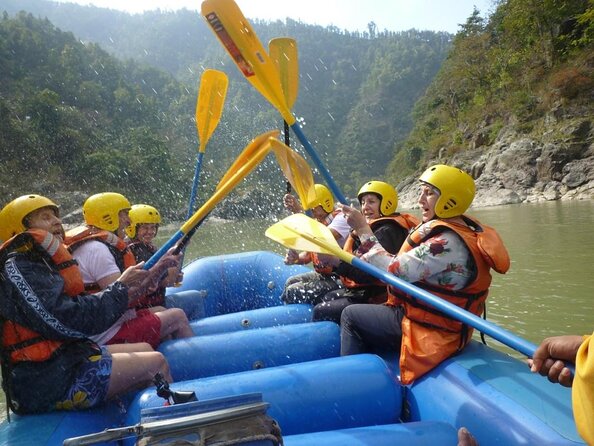
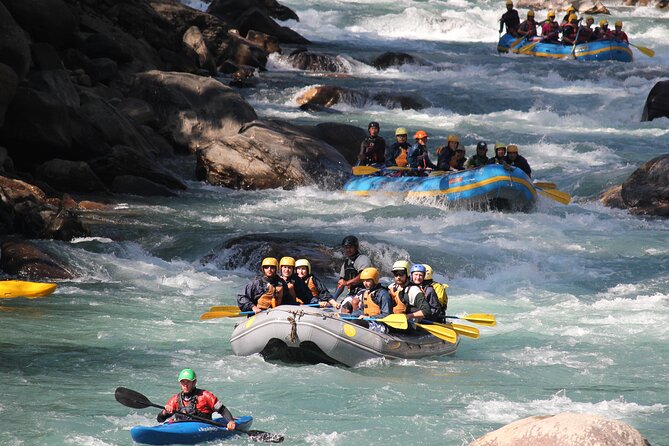
Trishuli River is often a sweet spot for people who want whitewater without the full-on survival test. The rapids are typically class 2 or 3, meaning you’ll get waves and action that feel adventurous, but you’re not dealing with nonstop huge drops. The river also tends to be well spaced out, so breaks between rapids help you recover, take photos, and enjoy the scenery.
I also like the way the trip manages expectations across seasons. The river is described as straightforward most of the time, but during monsoon months the water intensity increases. That can make the ride feel more adrenaline-heavy, so if you’re booking for thrills, you’ll likely get it. If you’re booking for comfort, you may want to choose a calmer window.
Kathmandu to Charaudi by private AC car: why the drive matters
This trip starts early, with a start time of 8:15 am, and you’re headed out of Kathmandu toward Charaudi Red House (about 81 km). The drive takes roughly 3 to 4 hours, which sounds long until you remember that it sets up the whole experience: you trade city time for river time without needing extra planning days.
You’re traveling by private transport with AC, which is a real quality-of-life upgrade in Nepal traffic. It also helps if you’re not excited about sharing vans, waiting in line, or playing the guessing game with meeting points. The operator also notes the meeting point is near public transportation, which usually makes it easier if you’re coordinating with others in Kathmandu.
Day 1: Charaudi Red House, the rapids, and the riverbank reset
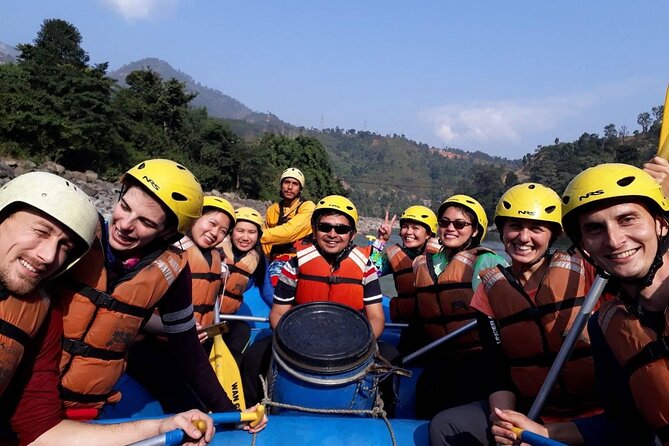
Day 1 begins with the rafting launch area at Charaudi Red House. From there, the river section includes a few class 2 or 3 rapids, including LADISE DELIGHT, where you get that classic raft feeling: sudden noise, splash, teamwork, and then the quiet after the water calms down.
After that first hit, the plan builds in a rest stop before the next rapids. You then ride UPSET and SURPRISE (again class 2 or 3), and the pacing is designed so you’re not mentally wiped out before lunch. That matters, because rafting can be more tiring than you expect even when the rapids are not extreme.
When you finish this rafting stretch, you stop at River Fun Beach Resort for a buffet hot lunch. This is where the trip shifts from adrenaline to recovery in a smart way. You’ll have free time, and the options listed are exactly what you want after getting soaked:
- Swim at the private swimming pool
- Take a kayaking course if you want to keep the water skills growing
- Visit a local farm house and fruits garden
- Try fishing (if it’s offered during your day’s schedule)
Later, around 6:30 pm, there’s a campfire on the private riverbank with light snacks. The vibe here tends to be social and casual: sing, dance, or just hang out. Dinner comes at about 9:00 pm, and then you overnight either at the resort or in a regular tent, depending on what’s assigned for your group.
One practical note: you’ll be wet and tired, so packing for comfort matters. Bring dry clothes for after rafting, and expect the day’s rhythm to be outdoors-heavy.
Day 2 rafting to Mugling: the easy flow, then your choice of destinations
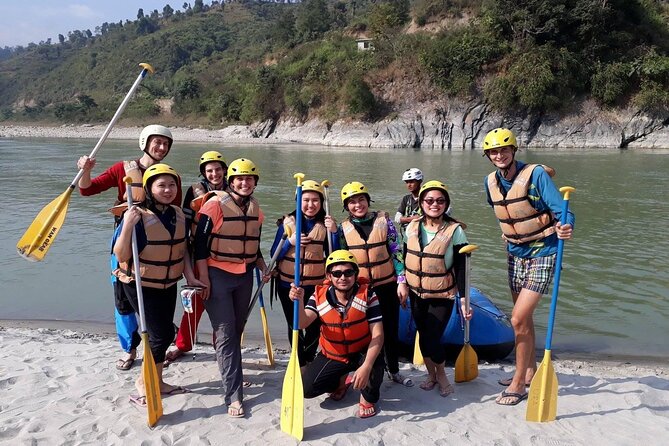
Day 2 is a continuation run, drifting along Trishuli River rapids toward Mugling. The focus shifts slightly from big moments to steady fun—more floating through the river’s energy, with bursts of excitement when the water turns lively.
When the rafting is done, you’re not locked into one return route. The trip offers a choice of what to do next: return to Kathmandu, continue toward Chitwan National park, or head to Pokhara. That flexibility is valuable if you’re building a Nepal trip and want to stitch rafting into a broader route without paying for extra transfers.
If you’re short on time, this can save you a whole chunk of logistics. If you’re traveling with others who want different end points, it also helps everyone agree on day 2 since you can split plans after the river.
Safety gear and staff support that keep the day calm
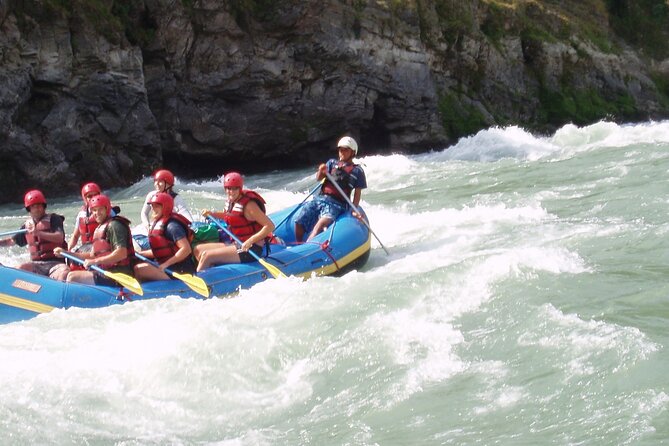
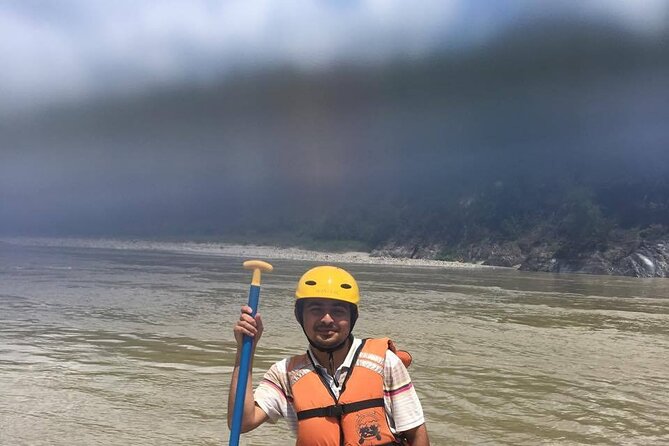
A big reason this kind of short rafting trip works is the safety setup. You get high-quality self-bailing rafts, plus life jackets, helmets, and plastic paddles. That means you’re not stuck trying to borrow gear or worrying about whether it’s in decent shape.
The operator also includes the necessary staff: guides and helpers, plus first aid kit box coverage. Safety instruction is built into the start, and the experience descriptions emphasize that you get clear guidance before jumping in. For most people, that pre-raft briefing is what turns nervous energy into focus.
Also included are the river permit and the official taxes and service charges tied to running the activity. You still pay your own travel insurance separately, but the core operational paperwork is handled.
Included meals and lodging: what you should expect on the ground
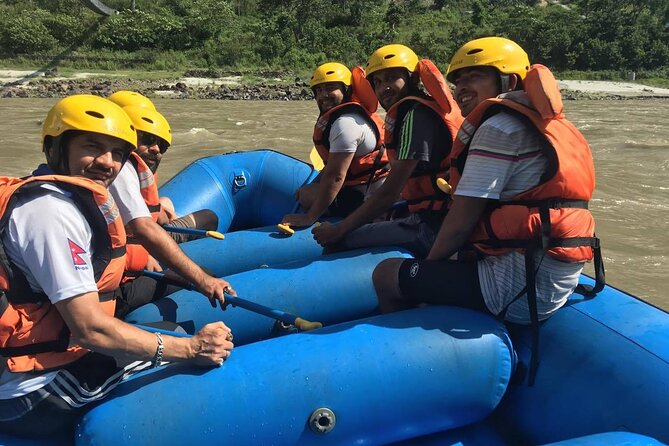
Food is one of the simplest ways to judge whether a rafting package is organized. Here, you get breakfast, lunch, and dinner included. Day 1’s lunch is specifically called a buffet hot lunch, which is a relief after time in the water—something warm and filling that helps you reset.
Dinner comes at night after the campfire period, and your overnight is either in the resort or in a regular tent. That’s not necessarily a bad thing. In Nepal, tent nights often feel like part of the river story, and the private river setting helps it feel intentional rather than rough.
Drinks are the one area you’ll need to plan for. Alcoholic and non-alcoholic drinks are not included, so if you want water, soda, tea, or anything stronger, keep some cash or card ready.
Value math for $120: why the price feels fair for this package
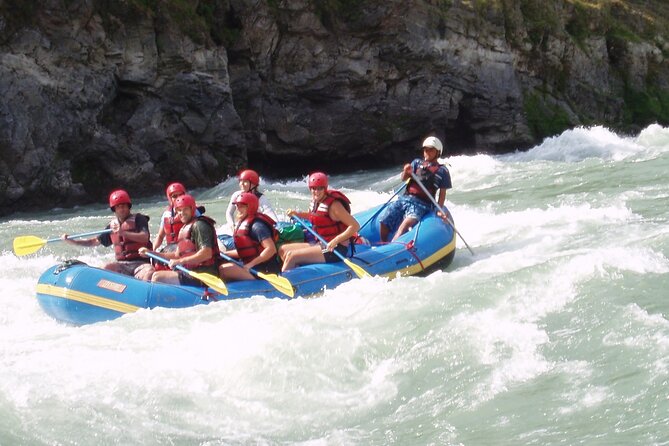
At $120 per person (for roughly 2 days), the value comes from how many moving parts are handled in one line. This isn’t only a ticket to raft. You’re also getting:
- Private AC transport from Kathmandu
- 1 night accommodation (resort or tent)
- All rafting equipment (rafts, life jackets, helmets, paddles)
- River permit
- Meals (breakfast, lunch, dinner)
- Staff coverage, including safety setup and first aid materials
When you price rafting as separate items—transport, gear rental, guide staffing, permits, and a night stay—the total can creep up quickly. Here, you’re paying for a package that makes the logistics feel simpler, with fewer blanks to fill in yourself.
The trip also caps at 15 travelers, which can matter for comfort. Smaller groups often mean shorter waits, smoother instructions, and less time feeling like you’re rushing as a crowd.
Who should book this Trishuli River rafting trip
This trip suits you if you want:
- Short whitewater with meaningful rapids, not an all-day technical expedition
- A mix of adventure and downtime (pool time, farm visit, campfire)
- A plan that can connect to bigger routes like Chitwan or Pokhara
- A smoother logistics setup from Kathmandu with private AC car
It also sounds friendly for family outings and mixed ages, since the river class is presented as manageable for most people. Your best bet is to be comfortable with water and willing to get a bit dirty. If you want dry, quiet sightseeing only, rafting might not be your match.
A few realistic drawbacks to weigh
- The river can feel more intense in monsoon months, so the ride may be wetter and rougher than you imagined.
- Drinks are not included, so you’ll want to budget for them separately.
- You’re committing to an early start and an active outdoors day for two days, even if the difficulty is moderate.
FAQ
FAQ
What does the Trishuli River rafting trip cost?
The price is $120.00 per person.
Where does the rafting start, and when do we begin?
You start at 8:15 am, traveling from Kathmandu to the rafting starting area at Charaudi Red House (about 81 km from Kathmandu). The meeting point is near public transportation.
How long is the experience?
It runs for about 2 days (approximately).
What rapids and difficulty level should I expect?
You’ll raft sections with a few class 2 or 3 rapids, including LADISE DELIGHT, then UPSET and SURPRISE.
What meals are included?
Lunch is included, along with breakfast and dinner. Day 1 lunch is described as a buffet hot lunch at the resort after rafting.
What rafting gear and safety support are included?
You get self-bailing rafts, life jackets, helmets, and plastic paddles. Guides and helpers are included, along with a first aid kit box.
Where does the day 2 rafting end?
Day 2 rafting continues to Mugling. After finishing, you can return to Kathmandu or continue to Chitwan National park or Pokhara.
Are drinks included?
No. Alcoholic and non-alcoholic drinks are not included, and tips for guide and helpers are not included.
Is it easy to cancel if plans change?
Yes. The trip has free cancellation, and you can cancel up to 24 hours in advance for a full refund. If you cancel less than 24 hours before the start time, the amount paid is not refunded.
Final thoughts: should you book this trip?
If you want a 2-day Trishuli rafting that’s organized, equipment-covered, and built to feel both adventurous and relaxing, I think this one is a strong fit. The combination of private AC transport, included meals, and the mix of rapids plus riverbank time makes it good value for a short Nepal window—just book with the season in mind if you’re sensitive to monsoon-level intensity.