
REVIEW · HARIDWAR
Haridwar Guided Sightseeing Tour with Ganga Aarti By Private Car
Book on Viator →Operated by India Easy Trip Pvt Ltd · Bookable on Viator
In This Review
- Haridwar’s Ganga Aarti feels personal at night.
- Key Points You’ll Care About
- Haridwar at Night: Why the Ganga Aarti Part Changes the Day
- Private Car + a Real Guide: The Logistics That Make It Worth It
- Cable Car Up to Mansa Devi Temple: Wishes and a Big Change in Perspective
- Kankhal to Pawan Dham: Temples That Keep the Day Moving
- Shantikunj Gayatri Pariwar: As Telling, Not Just Looking
- Maya Devi Temple: Another Familiar Anchor in Haridwar’s Spiritual Map
- Har Ki Pauri: The Ghat Where You Watch, Offer, and Learn
- Price and Value: What You Pay for (and What You Don’t)
- Practical Tips That Keep This Day Comfortable
- Should You Book This Private Haridwar Tour with Ganga Aarti?
- FAQ
- How long is the Haridwar guided sightseeing tour with Ganga Aarti?
- Do you get hotel pickup and drop-off?
- What does the tour include for the Ganga Aarti?
- Is food included in the price?
- Are admissions or fees included for the stops?
- What should I wear?
- What is the cancellation policy?
Haridwar’s Ganga Aarti feels personal at night.
What makes this tour work is the mix of hilltop temple time and an evening ritual you can actually follow, not just watch. You get hotel pickup and drop-off plus a private A/C sedan, so the day runs on your schedule instead of a bus timetable. I especially like the cable car up to Mansa Devi, because it turns a temple visit into a real change in viewpoint. Another strong point is the Ganga Aarti at Har Ki Pauri, where you’re guided through what to do as offerings and prayers happen. One drawback to plan for: there’s a moderate amount of walking, and you’ll need to cover knees and shoulders—no shorts or sleeveless tops.
The tour also stays flexible. Your guide can steer you toward options like Shantikunj Ashram, the Maya Devi Temple, or other common Haridwar stops, depending on what you care about and how traffic is acting. In the field, a good guide matters, and the name that comes up for this route is Sunny, praised for clear explanations and helping people get good seating for the aarti.
Key Points You’ll Care About
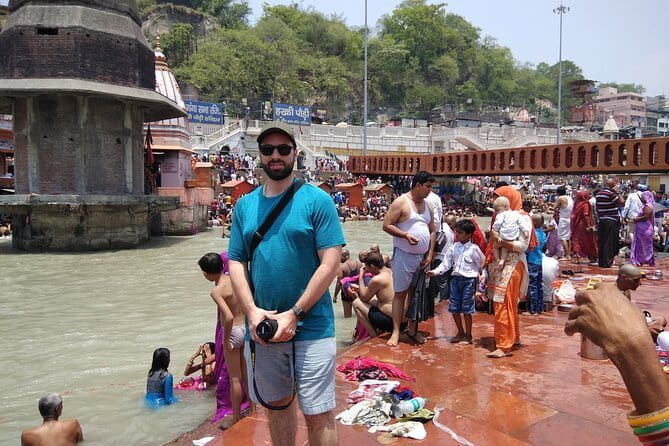
- Private A/C transport with hotel pickup keeps the day smooth and flexible
- Cable car ride to Mansa Devi adds a hilltop feel (and included cable car fees)
- Ganga Aarti at Har Ki Pauri includes flower offering and priest-led puja
- Temple circuit timing aims to reduce backtracking and cut wasted time
- Dress code is strict: cover knees and shoulders for both men and women
- Weather-proof planning: it runs in all weather, so dress for the day
Haridwar at Night: Why the Ganga Aarti Part Changes the Day
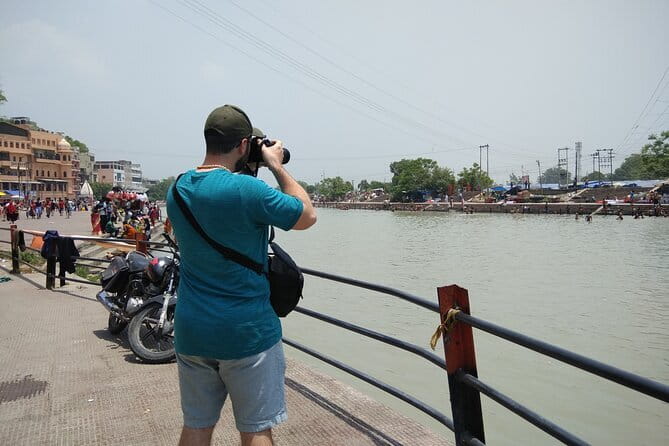
Haridwar has a special kind of energy in the evening, when the light softens and the Ganges becomes the center of the story. This tour builds the day so you aren’t rushed through the main event. You’ll spend daylight time at temples and ashrams, then shift gears for the sunset ritual at Har Ki Pauri.
The Ganga Aarti here is not a vague performance you guess at. A priest leads prayers to the Ganga, treated as the Divine Mother, and the ritual runs for about 45 minutes during sunset. The experience includes puja with a priest and a flower offering, so you know where you fit into the ceremony rather than standing awkwardly wondering what to do with your hands.
One practical note: Har Ki Pauri is popular, so you should expect crowds around the ghat area. A good guide helps with logistics, including where you stand for better views while still following local flow.
Private Car + a Real Guide: The Logistics That Make It Worth It
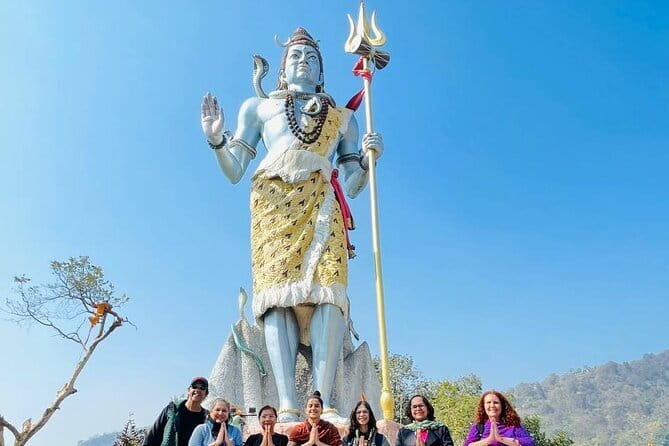
You’re not doing this on a tight group loop. The tour is private, which means your driver and guide can adjust when traffic hits or when you need a few extra minutes at a stop. Your transportation is an air-conditioned sedan with hotel pickup and drop-off in Haridwar.
This is exactly the kind of day where guide skill shows. In feedback for this route, Sunny gets called out for giving a strong overview of what you’re seeing, answering questions clearly, and helping people get the best seats for the aarti. Even if you arrive with curiosity, having someone who can point out what matters saves time and helps you slow down at the right moments.
Timing is also described as flexible. Sometimes things run long due to traffic, and sometimes it’s a touch slower at certain spots. For you, that means pack a realistic expectation: don’t plan another major appointment right after your return.
Cable Car Up to Mansa Devi Temple: Wishes and a Big Change in Perspective
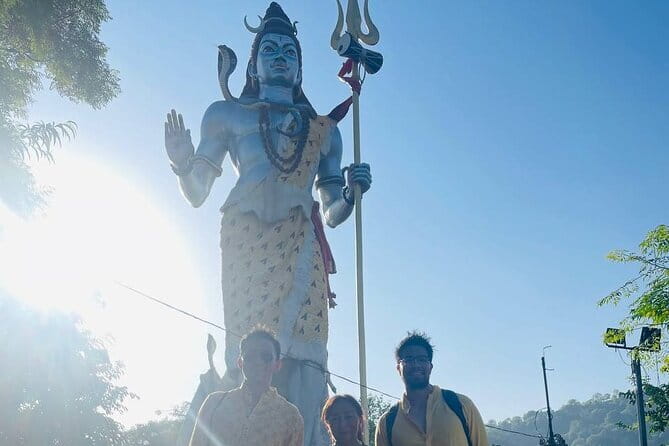
Mansa Devi Temple is the hilltop stop that makes the day feel like more than just another set of city temples. You ride the cable car up at a time that’s scheduled into the tour, and you’ll reach the area dedicated to goddess Mansa Devi, known for granting wishes.
This is also one of those moments where you get a built-in break from street-level chaos. The cable car ride gives you a different angle on the region and helps you reset mentally before you get into the temple atmosphere. The cable car fees are included, which matters because it avoids the annoying add-on feeling later in the day.
At the temple area, there’s a simple ritual you can choose to do: tie a string to branches of a temple tree if you want your wish included. If you’re the type who likes small, personal actions during big ceremonies, this is a nice one. If you’re not, you can still enjoy the visit and just take in the setting.
What to watch for: it’s a temple environment with crowds and movement, plus you’ll be coordinating your cable car time with the rest of the itinerary. The tour includes about an hour here, but in real life, cable lines and walking inside the complex can shift how long you feel you need.
Kankhal to Pawan Dham: Temples That Keep the Day Moving
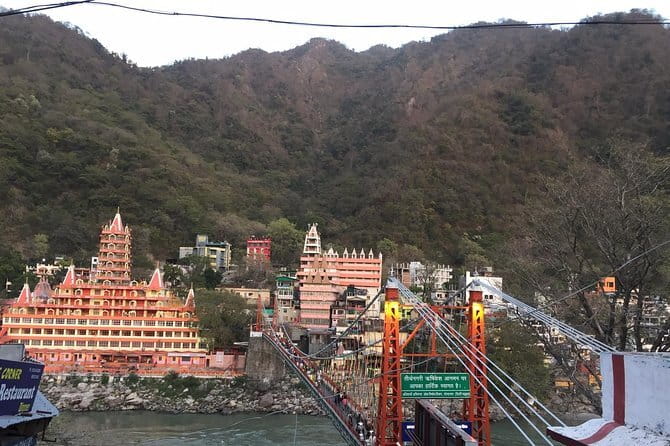
After the Mansa Devi visit, the itinerary shifts to the Kankhal area and a classic temple circuit. First up is Daksha Mahadev Temple, described as an ancient Shiva temple in Kankhal. Even if you don’t know the full mythology, this stop gives you a sense of the older, spiritual layers of Haridwar beyond the most famous ghat.
Then you’ll visit Pawan Dham, a popular temple known for glass work. This is one of those stops that can be a good breather: it’s visually interesting, and you can spend time looking rather than rushing through. If you like architecture details or you’re traveling with someone who enjoys photos, Pawan Dham is a solid choice.
One drawback with this part of the day: it can feel like a lot of “temple-to-temple” switching. The tour helps by keeping the travel compact through private transport, but your feet will still do their part. If you’re easily tired by short walks and stairs, bring a calm mindset and plan to rest when you can.
Shantikunj Gayatri Pariwar: As Telling, Not Just Looking
Shantikunj Gayatri Pariwar is included in the tour and is described as a famous ashram in Haridwar. An ashram visit works best when you approach it like people live there, not like it’s a showroom. Even within a short stop, you can get a sense of the place’s daily rhythm and the spiritual tone that shapes much of Haridwar.
The itinerary sets aside about 45 minutes here. That’s enough time to walk through at a comfortable pace, observe what’s happening, and take a breath before the next temple stop. If you want a slightly quieter pause in the day, this is often the best moment to do it.
A practical tip: dress code still matters here. You’ll want covered shoulders and knees, and you’ll want clothing that feels comfortable for movement in warmer conditions or sudden weather changes.
Maya Devi Temple: Another Familiar Anchor in Haridwar’s Spiritual Map
Next is Maya Devi Temple, described as a famous temple in Haridwar. It’s a common stop on this kind of private itinerary because it fits neatly into the temple circuit and gives you a second anchor point for understanding the spiritual geography of the city.
This stop is set at about 30 minutes. That makes sense because, unlike the cable car temple experience, it’s more about spending enough time to appreciate the atmosphere without turning it into a marathon. If you’re hoping to connect dots between different temples and traditions in one day, this stop supports that goal.
Potential drawback: if you’re doing multiple temples back-to-back, your brain can start treating each one like a checklist. The way around that is to pick one or two things to notice per stop, like signage, rituals, or the feel of the crowd. Your guide can also help you frame what you’re seeing so it doesn’t blend together.
Har Ki Pauri: The Ghat Where You Watch, Offer, and Learn
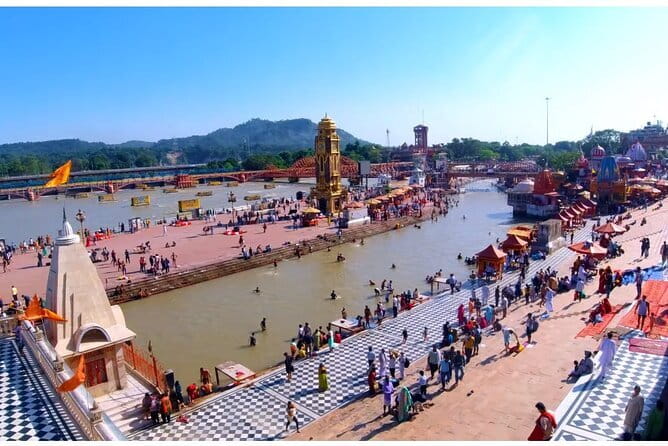
Har Ki Pauri is the most famous ghat in Haridwar and the center of the evening ritual. The itinerary gives you about an hour for this segment, which includes time to get oriented and settle in.
This is where the tour’s pacing pays off. You’re not stumbling in at the last minute. Instead, you reach the area as the day turns toward sunset, giving you time to find your position and understand how the ceremony flows.
Then comes the Ganga Aarti. A Hindu priest offers prayers to the Ganga River and you’ll be part of the ritual through puja with flower offerings. You’ll also see locals light large fire bowls on the riverbanks, and you’ll hear Sanskrit mantras during the ceremony.
The aarti itself is described as about 45 minutes, but plan for roughly an hour at Har Ki Pauri. That buffer helps you deal with crowd movement, changing sightlines, and the reality that your view might improve as the ceremony settles into its rhythm.
If you’re wondering what to do during the ritual, this is where having a guide is a big advantage. You’re not left to figure it out on your own.
Price and Value: What You Pay for (and What You Don’t)
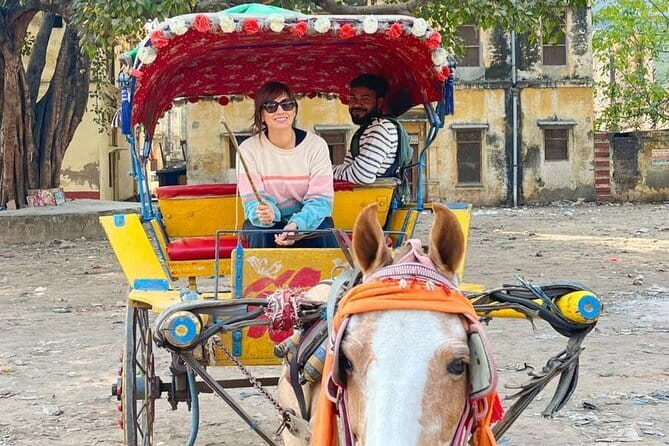
At $43 per person, this is priced like a practical private day tour, not a premium luxury outing. The value comes from the combination of services you’d otherwise pay for separately: private A/C transport, a professional guide, hotel pickup and drop-off, and the included puja with a flower offering plus Mansa Devi cable car fees.
Food and drinks are not included, so you’ll want to budget for meals on your own. The good news is that you can decide where you want to eat based on preferences and time. Just don’t assume you’ll be fed during the tour; plan a simple lunch break earlier in the day or after your return.
Also note that admission is listed as free for the stops on the itinerary. What’s most important for you is that the cable car fee and the ritual piece are covered, so you’re not hit by a surprise payment for the hardest-to-organize parts.
If you’re traveling as a pair or small group, the private setup also makes sense. You’re essentially buying time savings and reduced stress, which can be more valuable than chasing low-cost options when the evening is the whole point.
Practical Tips That Keep This Day Comfortable
Dress code matters here. No shorts or sleeveless tops. Knees and shoulders must be covered for both men and women. This is the kind of rule that’s easy to ignore until you’re standing in front of a temple entrance, so make sure your clothing choices solve the problem before it starts.
Walking is moderate, so comfortable shoes help. You’ll do some movement between stops, inside temple areas, and during the Har Ki Pauri segment. You don’t need hiking gear, but you do need shoes you trust.
Weather won’t cancel the experience. It operates in all weather conditions, so dress appropriately. In practice, that means you should plan layers and carry something for rain or sudden changes.
Timing is a bit flexible. Traffic can slow things down, and you might take a little longer at certain stops. Your best strategy is to keep the rest of your day open when possible.
Family and safety notes: children must be accompanied by an adult. The tour is also noted as not recommended for pregnant women. If that applies to you, it’s worth looking for an alternate itinerary with less walking and fewer transitions.
Should You Book This Private Haridwar Tour with Ganga Aarti?
Book it if you want the classic Haridwar mix—temples during the day, then the Ganga Aarti at night—with less stress than self-guided travel. The private car and guided flow are the real win, especially for getting to Har Ki Pauri on time and understanding what’s happening during the ceremony.
Skip it or reconsider if you’re sensitive to religious dress rules or if you prefer long, slow visits with lots of free time. This day moves from stop to stop, and while it’s flexible, it’s still built around covering key sites in one outing.
If you care about doing the aarti in a structured way—flower offering, puja with a priest, and a clear sense of what to expect—this tour fits your goal well.
FAQ
How long is the Haridwar guided sightseeing tour with Ganga Aarti?
It runs about 7 to 8 hours, with timings that can be a bit flexible due to traffic and how much time you need at each stop.
Do you get hotel pickup and drop-off?
Yes. Pickup and drop-off in Haridwar are included, and you’ll travel by a private air-conditioned sedan.
What does the tour include for the Ganga Aarti?
You’ll attend the evening Ganga Aarti at Har Ki Pauri. The experience includes puja (prayer ritual) with a Hindu priest and a flower offering.
Is food included in the price?
No. Food and drinks are not included.
Are admissions or fees included for the stops?
Temple admission is listed as free for the itinerary stops, and the tour includes the Mansa Devi cable car fees and the puja (prayer ritual) component with flower offering.
What should I wear?
You’ll need to cover knees and shoulders for both men and women. Shorts and sleeveless tops aren’t allowed.
What is the cancellation policy?
You can cancel for a full refund up to 24 hours in advance. If you cancel less than 24 hours before the start time, the amount paid will not be refunded.