REVIEW · HANOI
From Hanoi: 2-Day Overnight Sapa Tour by Limousine
Book on GetYourGuide →Operated by Crossing Vietnam Tour · Bookable on GetYourGuide
Sapa starts with an early morning ride. On this 2-day overnight Hanoi to Sapa tour, the limousine pickup around 6:30–7am and the guide AI (English) turn a long drive into a guided start for ethnic-minority village life.
My favorite part is how the walking is planned by village and valley, not just a random hop-on hop-off schedule. The one real consideration is the effort on Day 2: you may face a long trek around 9km, and rain can make the route risky and slippery.
In This Review
- Key things you’ll notice right away
- From Hanoi to Sapa by limousine: comfort, timing, and what to expect
- Day 1: Sin Chai village trek down from Sapa (and why this stop matters)
- Sapa at night: dinner, roasted snacks, and shopping with a plan
- Day 2: Y Linh Ho, Lao Chai, and Ta Van rice terraces in one long day
- Food, hotel sleep, and what you actually pay for
- Price and logistics: where $150 feels fair (and where costs can creep)
- Trekking tips for a safer Day 2 (cold, fog, and slippery paths)
- Who this overnight Sapa tour is best for (and who should skip it)
- Should you book this 2-Day Overnight Sapa Tour from Hanoi?
- FAQ
- What time is pickup in Hanoi?
- How long does it take to get from Hanoi to Sapa?
- Which villages does the tour visit?
- How much trekking is on Day 2?
- What if I do not want to do the long trek on Day 2?
- What meals are included in the price?
- Are drinks included?
- What hotel will I stay in?
- Is the tour suitable for wheelchair users or limited mobility?
- Is there free cancellation?
Key things you’ll notice right away
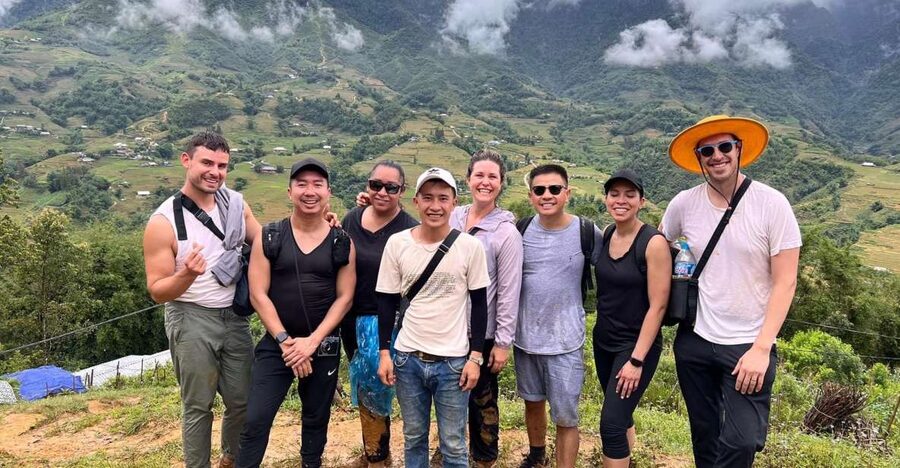
- Old Quarter hotel pickup in Hanoi makes it easy to start without hunting for a meeting point
- English-speaking guidance in Sapa helps you connect the dots between villages and daily life
- Village treks by ethnic group: Black H’mong (Sin Chai, Y Linh Ho, Lao Chai) and Dzay (Ta Van)
- Overnight in the mountains with a real chance to see Sapa after dark
- Day 2 trekking options exist if you want to skip the full long walk
From Hanoi to Sapa by limousine: comfort, timing, and what to expect
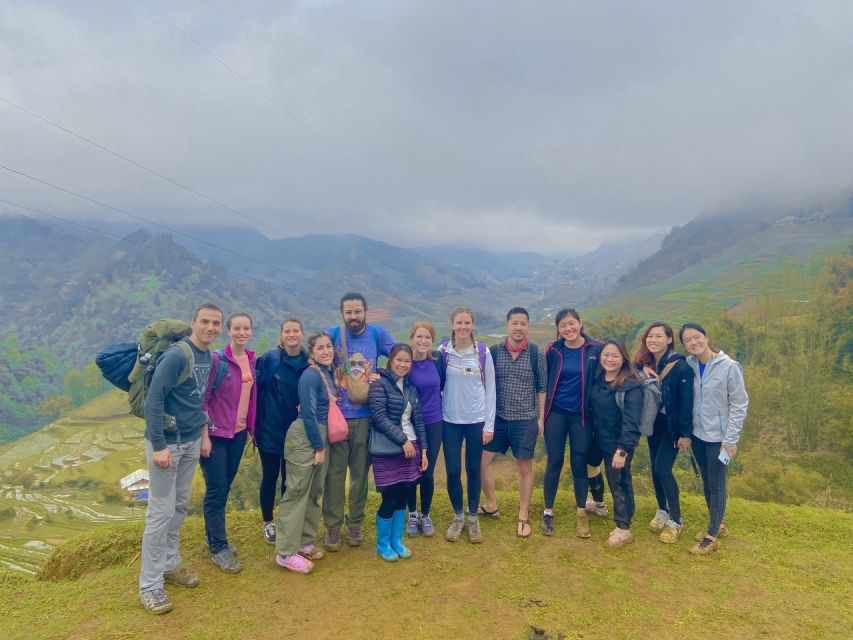
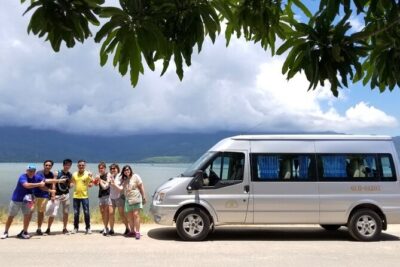
This is a proper “leave early, arrive mid-day” kind of trip. Your limousine picks you up from your hotel in Hanoi’s Old Quarter area (Hoan Kiem district) at around 6:30–7:00am. Then you’re looking at roughly a 6-hour drive to Sapa, with two restroom stops and time to grab something light if you’re hungry.
The limousine setup matters because the route is long. Even when the vehicle is comfortable, you should expect a full day’s worth of sitting before your legs ever touch a trail. I like that the itinerary doesn’t pretend you’ll arrive fresh and sprint right away. You get lunch on arrival and a window to reset before the first trek.
One practical note: the tour includes an English-speaking guide in Sapa, and local transfers are handled with drivers. That means you shouldn’t plan on a full English narrative during the entire ride from Hanoi. The meaningful explaining starts once you’re in the mountain area and moving village to village.
Day 1: Sin Chai village trek down from Sapa (and why this stop matters)
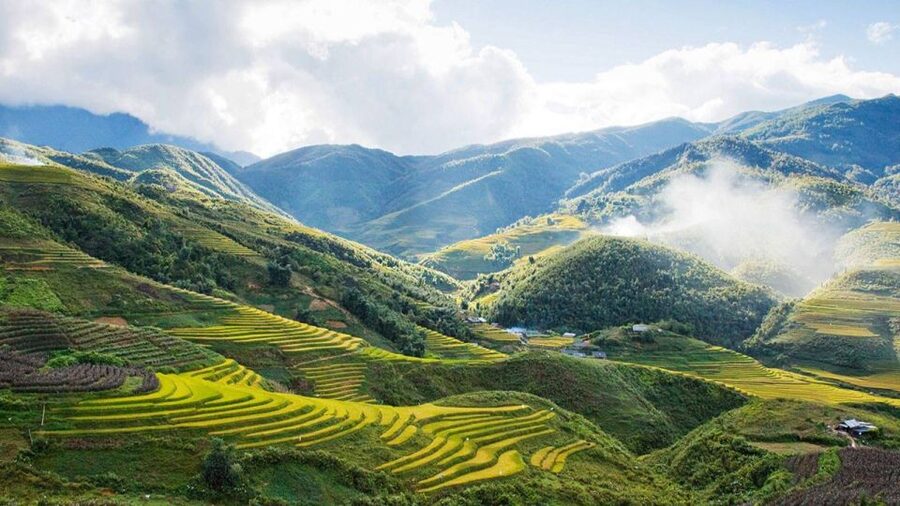
Day 1 is built to ease you into the rhythm of Sapa. After lunch at the hotel restaurant and check-in, you rest until the guide comes to pick you up for the trek.
In the afternoon, you head downhill about 4km toward the south-west of Sapa to Sin Chai village, home to the Black H’mong. The village sits more than 2km from the center of Sa Pa town, which helps it feel more like a hillside settlement than a quick roadside photo stop. You’re there to see everyday life and how people keep the simplicity of highland living.
What I like about this Day 1 structure is the balance: it’s still a real walk, but it’s not trying to crush you before Day 2. When you finish the trek, you return by van to your hotel, so you’re not spending your whole afternoon grinding uphill.
If you’re the type who gets sore quickly, this sequencing is smart. You get contact with village life, you get the views and valley air, and then you still have energy to enjoy the evening in Sapa.
Sapa at night: dinner, roasted snacks, and shopping with a plan
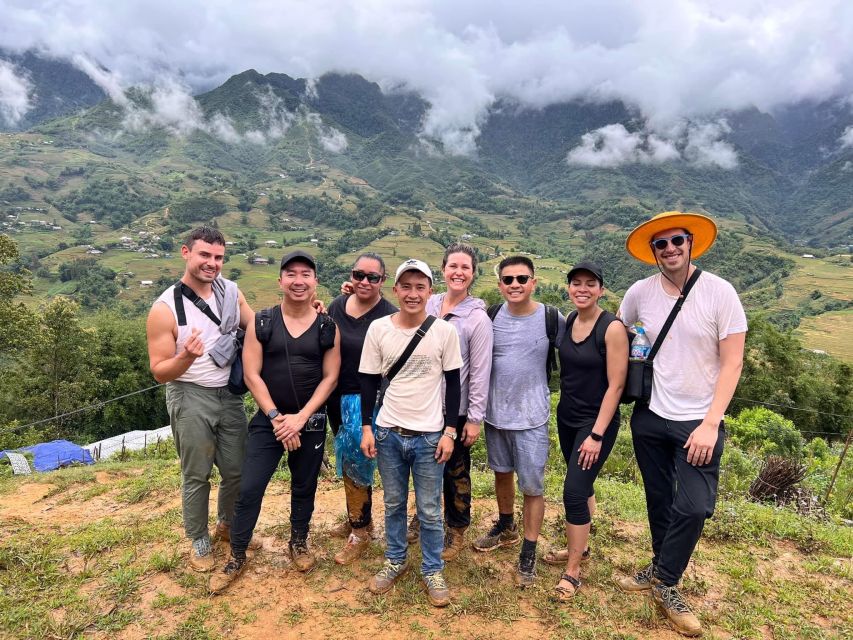
Dinner lands around 6:00pm, and after that you’re free to explore Sapa at your own pace. This is where the overnight format pays off. You’re not just arriving, trekking, and leaving the same day.
The itinerary specifically mentions the fun, informal side of evening time: you can try roasted corn and baked eggs beside a charcoal fire. It’s the kind of local snack moment that doesn’t require tickets or planning—just a willingness to wander a bit and watch what’s going on.
Shopping is also on the table. Many Sapa nights revolve around handicrafts and market goods, and you’ll likely be offered things as you move around. I recommend setting your expectations early: if you’re not there to buy, just politely keep it simple and don’t let it derail your walk.
If you get cold easily, this is also the moment to prep for tomorrow. Pack anything you’ll want for the trail—comfortable grip shoes, warm layers, and a scarf. Sapa’s weather can switch quickly.
Day 2: Y Linh Ho, Lao Chai, and Ta Van rice terraces in one long day
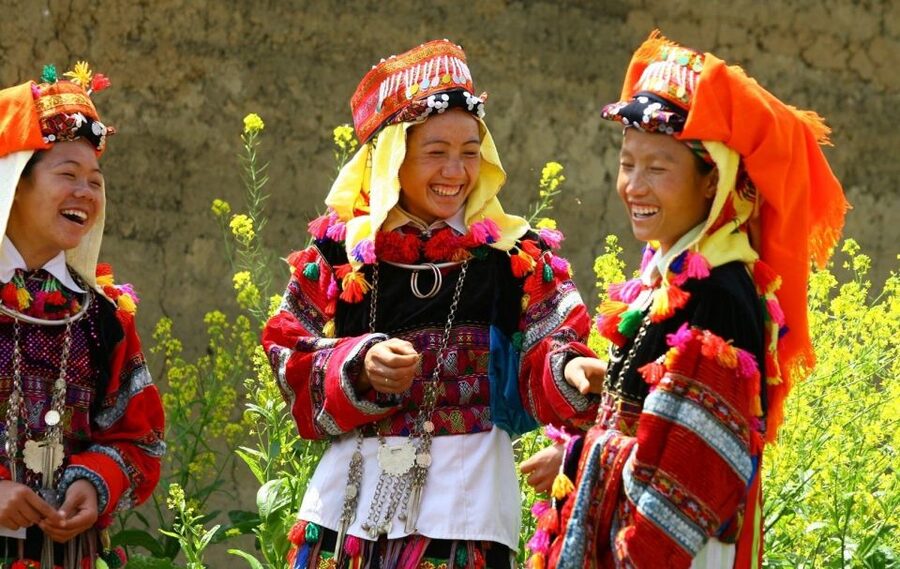
Day 2 starts with breakfast at your hotel, and then you begin a full set of village-to-village connections along the valley.
You start with Y Linh Ho, a Black H’mong village, reached by walking about 6km down to the south-east of Sapa along the side of the Muong Hoa valley. From there, you continue about 2km trekking to Lao Chai, also associated with the H’mong community.
Then comes the part that many people remember: the walk through terraced rice fields toward Ta Van village, home to the Dzay minority group. This is where you’re not only looking at views—you’re learning about how people live. The tour highlights that you’ll get a chance to see local house architecture and how it connects to daily life and local custom.
Two pacing tips help a lot here:
- Take breaks before you’re exhausted. The route isn’t just about distance; it’s about footing on uneven ground.
- Keep your footing as the priority. If rain or mist rolls in, steps can get slippery fast.
About that long trek warning: the tour notes that older people shouldn’t do the long trek (listed as 9km) because it can be challenging and dangerous in rain. If you know your limits, plan to manage this proactively rather than trying to “push through” and regret it later.
Food, hotel sleep, and what you actually pay for
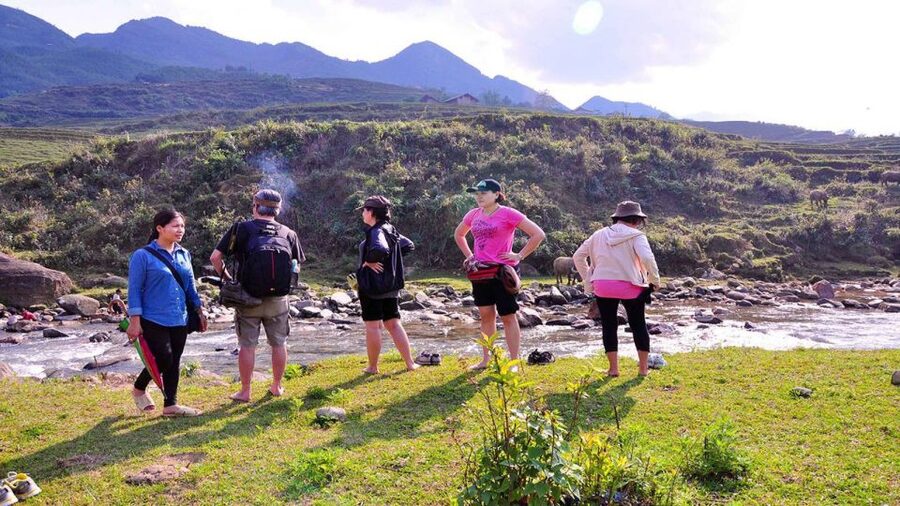
You’re not just buying transport and a guided walk. Your trip includes a solid chunk of the on-the-ground costs:
- 1 breakfast, 2 lunches, 1 dinner
- All entry tickets for the sites mentioned
- 1 night accommodation in a 3 or 4-star hotel in Sapa, depending on the selected option
- Local transfers in Sapa with drivers
That meal + lodging package is where the value starts to show. At $150 per person (based on the listed price), you’re paying for a full service setup: cross-country timing from Hanoi, guide support, daily logistics, and the one night you’d otherwise need to plan and book yourself.
Drinks are not included, and personal expenses are your responsibility. That means you should budget a little extra for water, snacks, or anything you buy during the evenings and at village stops.
One more small but real comfort detail: the tour gives you time to rest on Day 1 after checking in. That matters because the first trek is downhill and Day 2 is longer. If you’re the kind of traveler who always plans to go out immediately after check-in, you’ll likely want to resist that urge here.
Price and logistics: where $150 feels fair (and where costs can creep)
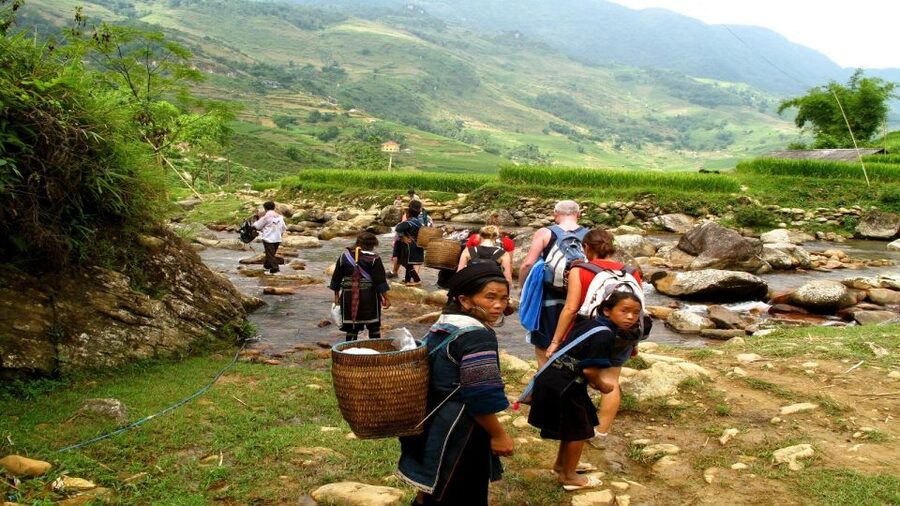
Let’s talk value without pretending this trip is cheap. $150 is a lot compared with DIY Sapa travel, especially if you’re a confident planner.
But you’re also paying for convenience and risk reduction:
- Pickup and drop-off at Hanoi Old Quarter hotels
- Roundtrip shared limousine transport to Sapa
- English-speaking guidance in Sapa
- Meals across the full 2 days
- A guaranteed hotel night rather than searching last minute
Those are real savings in time and mental energy. For many people, that’s the point. You’re not spending your day figuring out timetables, transport quirks, or how to structure the village trek with proper local guidance.
Where money can creep up:
- If you’re a solo traveler, the tour notes a single supplement
- If you skip the long trek on Day 2, the tour leader can organize a different visit, but you’re responsible for tickets and transportation fees
- Drinks and personal expenses aren’t included
- Cash needs come up because you’re advised to carry money in Vietnamese Dong; banking systems in Sapa can be inconsistent. US dollars, euros, and Australian dollars are accepted, but having Dong on hand is still smart.
Trekking tips for a safer Day 2 (cold, fog, and slippery paths)
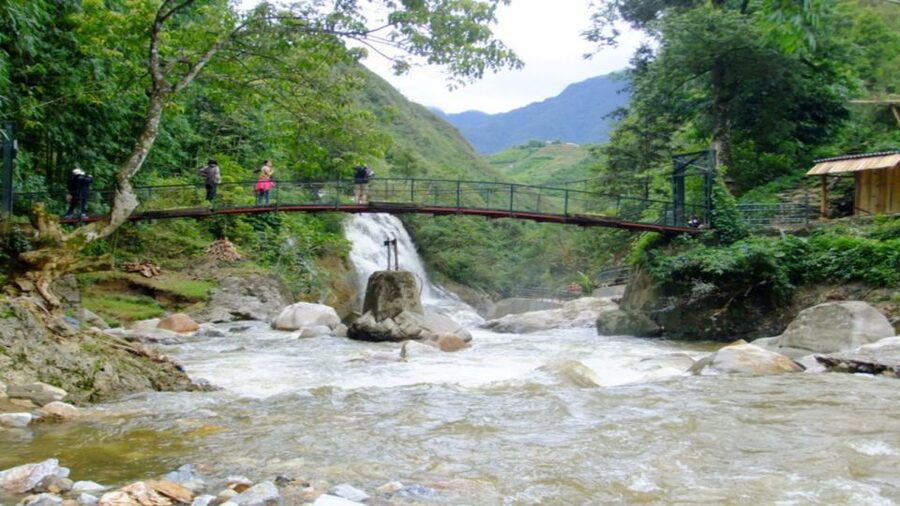
Sapa is not just “a place with mountains.” It’s a weather system. The tour notes that it’s normally cold from September to March, and conditions can be foggy from December to March due to altitude.
Bring:
- Warm clothes, including a scarf
- A hat or cap and sunglasses
- Comfortable shoes with grip (this is the big one when paths get slick)
- Insect repellent
- A camera if you want to capture village and terrace views
Also bring paperwork/ID: passport or ID card.
And for the practical reality check: banking can be unreliable, so carry cash in Vietnamese Dong. It’s also wise to pack basic medicine. There are chemists in Sapa, but having your own supplies makes surprises less stressful.
One last tip: if you’re approached about buying items during the trek, keep your boundaries calm and clear. Village stops are cultural encounters, and some selling can happen around the edges. You’ll enjoy the day more if you’re mentally prepared.
Who this overnight Sapa tour is best for (and who should skip it)
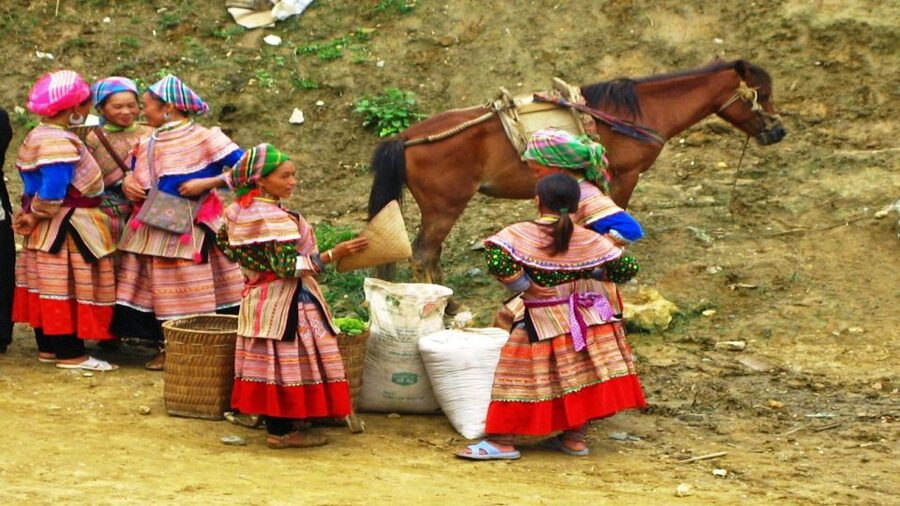
This tour fits best if you:
- Want a guided multi-village trek without coordinating everything yourself
- Like the idea of meeting ethnic-minority communities in and around Sapa
- Are comfortable with downhill + valley walking over two days
- Prefer a compact limousine style transfer rather than a long, complicated connection process
It’s also not for everyone. The tour isn’t suitable for mobility impairments and wheelchair users.
And because Day 2 can include a long trek around 9km, older travelers should take the guidance seriously. The itinerary explicitly warns that the long walk can be challenging and dangerous in rain, so choose a shorter alternative if needed.
If your travel style is “I want Sapa for town views only,” you might find the walking heavy. But if you want village life, terraces, and valley scenery as part of your plan, this is the right format.
Should you book this 2-Day Overnight Sapa Tour from Hanoi?
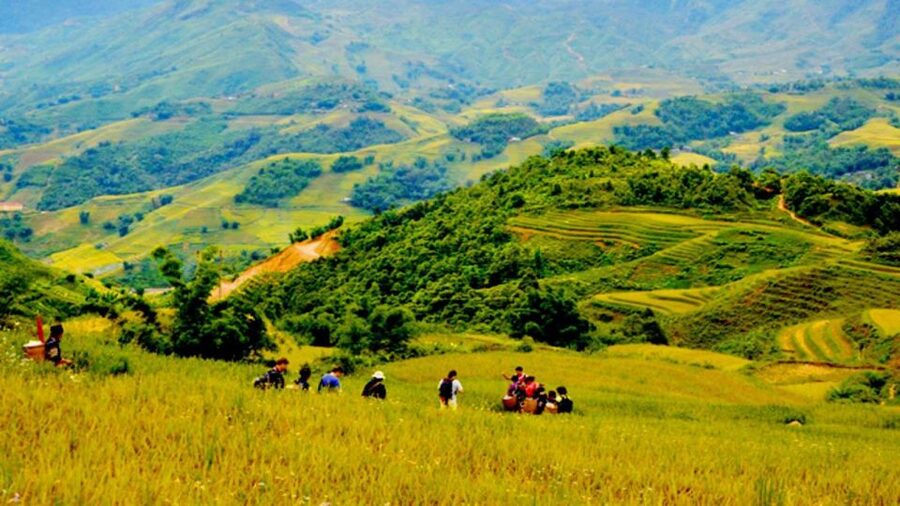
I’d book it if you want an efficient overnight that trades DIY headaches for a real guiding structure. The strongest reason to choose it is the pairing of overnight logistics with guided village treks—Sin Chai to set the tone, then Y Linh Ho, Lao Chai, and Ta Van for a full second day.
I’d hesitate if you’re not steady on your feet, you hate cold weather, or you can’t handle a long trek option on Day 2. In that case, you can still consider it, but plan for the alternative Day 2 visit and pack for bad weather.
If you’re deciding between this and a lighter Sapa day trip, remember: the overnight format is the difference between seeing Sapa for an hour and actually experiencing it as a place.
FAQ
What time is pickup in Hanoi?
Pickup is around 6:30–7:00am from hotels in the Old Quarter area (Hoan Kiem district).
How long does it take to get from Hanoi to Sapa?
The drive is about 6 hours, with two restroom stops and time for a light meal if needed.
Which villages does the tour visit?
The detailed route includes Sin Chai, Y Linh Ho, Lao Chai, and Ta Van. Cat Cat is also listed among the Sapa village highlights.
How much trekking is on Day 2?
Day 2 includes about 6km walking down to Y Linh Ho, then around 2km more trekking to Lao Chai, plus additional walking through terraces to Ta Van. The long trek is noted as 9km.
What if I do not want to do the long trek on Day 2?
If you don’t want the long trek, the tour leader can arrange a different visit. You’ll be responsible for any tickets and transportation fees for that alternative.
What meals are included in the price?
You get 1 breakfast, 2 lunches, and 1 dinner.
Are drinks included?
No. Drinks are not included.
What hotel will I stay in?
You stay 1 night in a hotel in Sapa, usually 3 or 4-star depending on the option selected.
Is the tour suitable for wheelchair users or limited mobility?
No. It is listed as not suitable for people with mobility impairments and not suitable for wheelchair users.
Is there free cancellation?
Yes. You can cancel up to 24 hours in advance for a full refund.
If you want, tell me your dates and whether you’re comfortable with the full Day 2 walk, and I’ll help you decide if the long trek option is realistic for your group.