REVIEW · BANGKOK
From Bangkok: Private Car Hire to Kanchanaburi Province
Book on GetYourGuide →Operated by Bangkok Taxi Co.,Ltd. · Bookable on GetYourGuide
The road to Kanchanaburi is the point of the trip. You’ll trade Bangkok traffic for WWII-era sites and Thailand’s natural beauty, with a car and driver that let you move at your own pace. I like that you’re not stuck in a rigid group schedule. You also get a private ride from Bangkok, which makes a long day feel doable.
Two things I really like: (1) flexible time on site and (2) the option to pick your personal mix of WWII stops or waterfalls. In some cases, the driver even helps make the day easier with practical breaks, like coffee and bathroom stops along the way, plus cool water for hot weather. The main drawback is simple: there’s no guide, just an English-speaking driver, so you’ll rely on what the driver can explain (sometimes via a translation app).
One more consideration: your selected option limits what you can see. If you pick the Kanchanaburi City Sights plan, you can’t swap in Erawan Falls or Hellfire Pass the same day. Plan your choices carefully before you go, then go easy on your feet afterward.
In This Review
- Key things you’ll notice on this Kanchanaburi day
- Why the private-car format makes this day trip work
- Three itinerary choices: pick your day’s mood
- Program 1: Kanchanaburi City Sights Only
- Program 2: City Sights + Erawan Waterfalls
- Program 3: City Sights + Hellfire Pass
- Kanchanaburi’s core WWII sites: cemetery, bridge, and the museum stops
- The Kanchanaburi War Cemetery
- The Death Railway Museum and JEATH War Museum
- The Bridge on the River Kwai
- Hellfire Pass: when you want the most direct railway memorial stop
- Erawan Waterfalls: adding a swimming break without losing the WWII focus
- The driver-only approach: great logistics, limited interpreting
- Price and value: what your $128 per group really buys
- Timing and what to bring for a long, warm day
- Should you book this Kanchanaburi private car hire?
Key things you’ll notice on this Kanchanaburi day
- Private transport door-to-door from major areas of Bangkok, with the driver doing the navigation and driving
- Three fixed sightseeing programs you can reorder within the chosen plan, but you can’t mix-and-match across plans
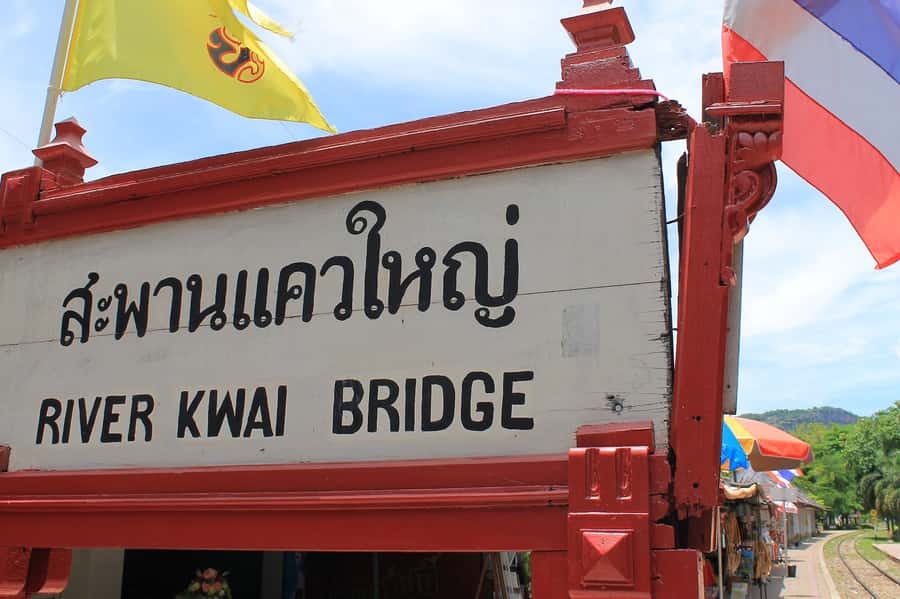
- War Cemetery + Bridge on the River Kwai as your base, centered on WWII suffering connected to the Burma Railway
- Optional Erawan Waterfalls for a swimming break if you want a nature reset
- Optional Hellfire Pass if you want the most haunting railway memorial stop on the route
- Driver-only setup (no guide), so bring curiosity and your own questions
Why the private-car format makes this day trip work
Kanchanaburi is far enough from Bangkok that group tours can feel like a sprint. This option changes the feel of the day. You’re paying for comfort and control: you leave the city, arrive when you arrive, and spend your time where you choose—without waiting for a whole bus to finish bathroom drama.
A private vehicle also means you can adjust your rhythm. If you need a quick stop en route, you’re not asking permission from a big itinerary. That flexibility shows up in real-world feedback: several people highlight drivers who handled coffee and restroom breaks smoothly. One driver even went beyond typical service by bringing bottled water, ice, and cold wash rags for the heat, which is exactly the kind of practical detail you remember.
The trade-off is that you don’t get a full guide with deep site storytelling. This isn’t a guided history lecture. It’s a transportation-and-time day built around significant places. That can be great if you like pacing and personal discovery. If you want a lecture in every museum room, you may feel something is missing.
Three itinerary choices: pick your day’s mood
This is where you need to make your decision upfront, because the plan you choose controls what you can do later.
Program 1: Kanchanaburi City Sights Only
This is the WWII-heavy option. You’ll focus on:
- Kanchanaburi War Cemetery
- The real Bridge on the River Kwai
- Death Railway Museum
- JEATH War Museum
You can visit the city stops in any order you like. That’s useful because some sites feel more intense than others, and it helps to start with what you can handle best.
Program 2: City Sights + Erawan Waterfalls
Same WWII core as Program 1, plus one big nature break. Erawan Waterfalls is the reward after the heavier themes of the morning and midday.
If you choose this, plan to spend actual time there. The day isn’t just a photo stop. You’ll want swimwear ready, and ideally towels too. If you’re thinking of the falls as a mental reset, this is the route.
Program 3: City Sights + Hellfire Pass
This keeps the focus on the railway story, but swaps the “swim and breathe” moment for one of the most emotionally loaded railway memorial locations in Thailand.
Hellfire Pass is not a place you treat like a casual landmark. It’s a memorial tied to the Burma Railway’s brutal reality. If you’re the type who wants the most direct connection to the site’s human cost, this is the option.
Kanchanaburi’s core WWII sites: cemetery, bridge, and the museum stops
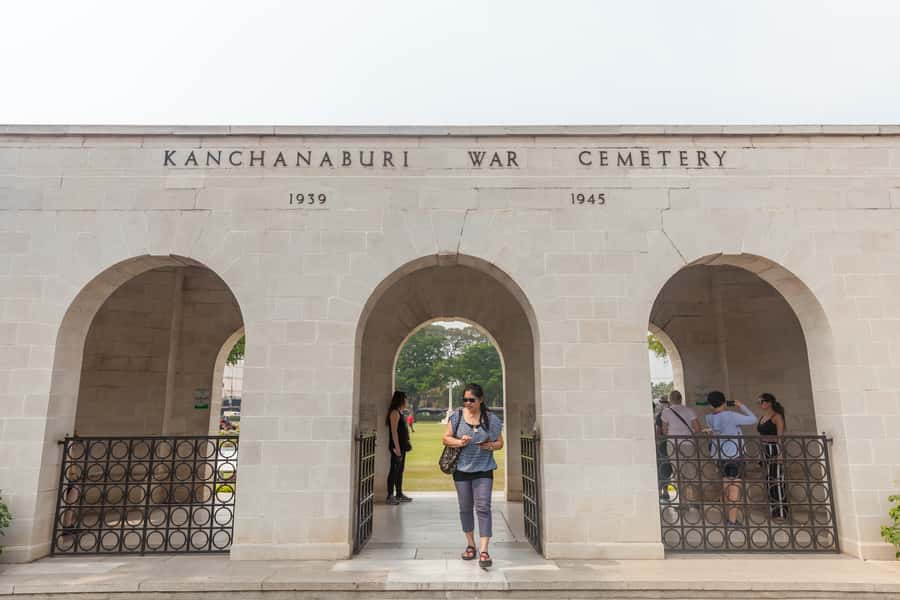
No matter which program you choose, your base day includes the Kanchanaburi War Cemetery and the famous River Kwai bridge area. This is the heart of why most people make the trip.
The Kanchanaburi War Cemetery
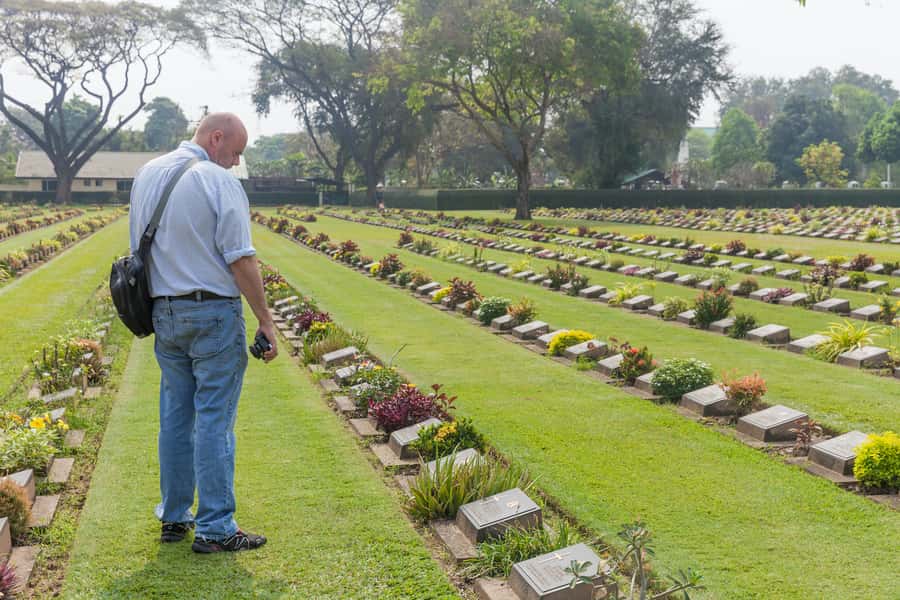
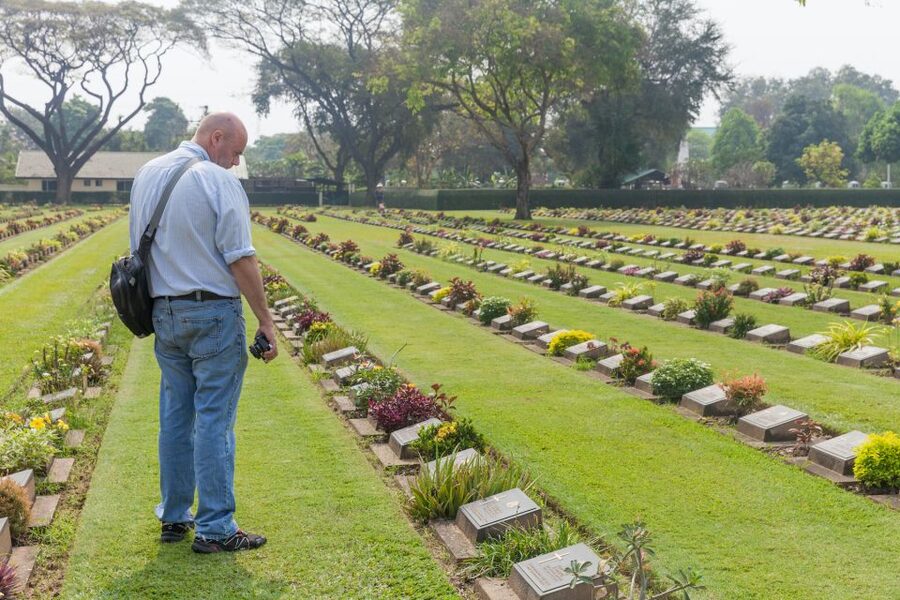
This is where the day gets serious fast. The cemetery is the main burial ground connected to victims of Japanese imprisonment during the Thailand-Burma Railway construction. If you’re sensitive to memorial sites, give yourself time to absorb. Don’t rush for a photo and move on.
I like that the private format lets you control your pace here. The driver can wait while you walk slowly, and you don’t have to follow a group’s speed. One practical point: comfortable shoes matter more than you think, because memorial walks often take longer than planned.
The Death Railway Museum and JEATH War Museum
These museums connect the dots between the railway’s story and what people endured. The naming alone hints at how specific the focus is, but the real value is context: you’re not just seeing isolated exhibits. You’re building a clearer picture of how the railway system and imprisonment history connect.
JEATH is often described as more intense and more emotional than a typical museum visit. Death Railway Museum tends to feel like a stronger “how it worked and what happened” anchor for the day. If you want the least stressful order, start with the museum that helps you understand the big picture, then go to the cemetery. You can reorder within the city sights plan, so you have that option.
The Bridge on the River Kwai
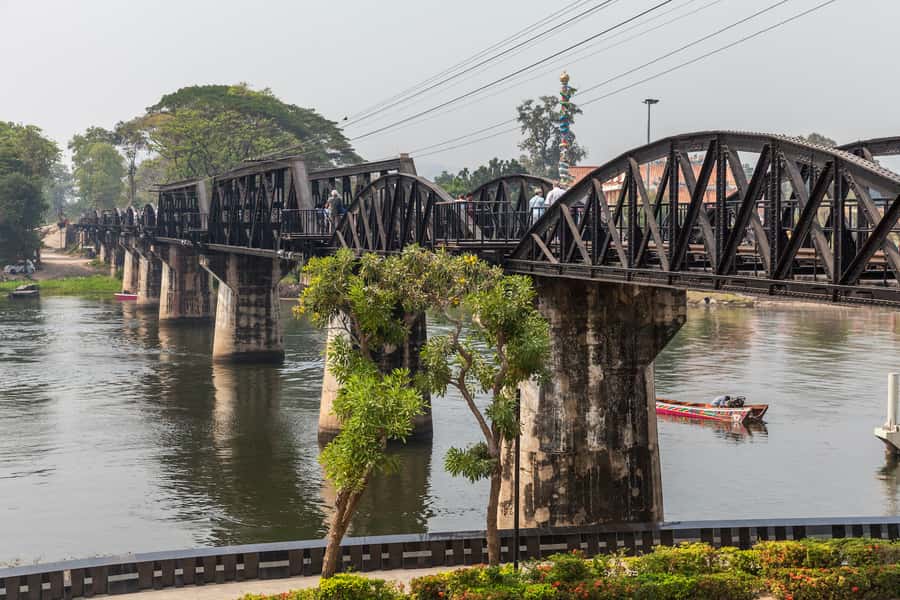
The “Bridge” is iconic for a reason. But I’d treat it less like a movie set and more like a geographic reminder of how infrastructure tied to war changed lives. It’s one of those places where the famous name can make you underestimate what you’re actually standing near.
The advantage of a private day is that you’re not stuck with a tight arrival slot. You can spend a little time just looking, then step away if it hits you harder than expected.
Hellfire Pass: when you want the most direct railway memorial stop
If you pick Program 3, Hellfire Pass is your big emotional anchor after the city sites.
Hellfire Pass is a railway cutting on the former Burma Railway. It’s also commonly called the Death Railway. The name tells you not to expect a light, scenic stop. It’s memorial space tied directly to the cutting of the railway—work done under brutal conditions.
Here’s how I suggest handling it: don’t try to “power through.” Instead, slow down and give yourself time to read what’s there, even if you’re scanning in English. The driver isn’t a substitute for a full guide, but they can still help with practical matters like where to stand, how to move around the site, and when you can step back.
This option is best for you if you:
- want the railway story’s harshest physical reminder, and
- feel comfortable spending a long day in reflective mode.
It may not be best if you’re easily overwhelmed by memorial sites and want a cleaner emotional reset later. That’s where Erawan Waterfalls makes the alternative Program 2 feel like a more balanced day.
Erawan Waterfalls: adding a swimming break without losing the WWII focus
Program 2 adds Erawan Waterfalls, and it changes the emotional rhythm of the day. You get a break from the WWII-heavy setting, which matters if you want your trip to feel complete rather than one long solemn march.
Erawan is a nature stop you can actually enjoy with your body, not just your eyes. Many booking details point out swimming as a possibility. That’s why you should bring swimwear and be ready to get wet. If you expect to swim, add towels to your packing list too, because the materials you need aren’t guaranteed on site in the way a fully guided tour might supply extras.
Also, plan for sun. Even when it’s a “waterfall day,” the heat can be real. Sunglasses and a sun hat are smart. If you forget, you’ll still go, but you’ll feel it.
This option fits you if you want a day that includes serious WWII remembrance while also giving you a later-life breath of fresh air—something you can walk away from with cleaner mental energy.
The driver-only approach: great logistics, limited interpreting
This activity includes transportation by private vehicle and gas and toll fees. You get an English-speaking driver, but you don’t get a guide. In real-world service terms, that means two things.
First, you’ll rely on your driver for practical support: getting you to the sites, helping you with time management, and keeping the day comfortable and efficient. Several reviews mention drivers who were safe and careful, and who helped with basic needs like water, bathroom breaks, and route timing.
Second, you may not get the kind of historical commentary you’d expect from a licensed guide. Some drivers have limited English and may use a translation app. That’s not a problem if you’re flexible. It does mean you should come with a few questions ready, and it helps to read a bit before you arrive so you know what you want answered.
From the feedback, driver personalities vary. People have named drivers such as AJ, Jeffery, Sakka, and Mr. Artie as helpful and friendly, and others like P’King Kong and Gang for their support and humor. The big takeaway: the service quality often comes down to the driver, but the overall structure still keeps you in control.
One more important note: this setup is wheelchair accessible. But it is not suitable for people with back problems, which you should take seriously since the day is long and involves car time plus walking around uneven memorial and museum areas.
Price and value: what your $128 per group really buys
You’ll see pricing around $128 per group for up to 3 people. That matters because you’re not paying per person for a seat. You’re paying for the vehicle and driver time.
So what’s the value?
- You’re getting door-to-door transport out of Bangkok and back, with gas and tolls covered.
- You’re buying flexibility on-site, because you’re not tied to a group’s pace.
- Your itinerary choice is controlled upfront, so you can match the day to your interests (WWII core only, add swimming, or add Hellfire Pass).
What isn’t included is equally important. There’s no guide, no meals, and entrance fees aren’t included. That means the “total day cost” depends on what you do once you arrive and how long you spend at each paid entry site. Still, even with that, you’ll usually find you’re paying less than the common alternative of bundling everything into a guided package.
If you’re traveling as a small group and you want freedom more than narration, this is a strong fit.
Timing and what to bring for a long, warm day
This runs about 10 hours. That’s a real chunk of time, mostly because you’re traveling between Bangkok and Kanchanaburi and then spending your day around multiple stops.
To make it feel easier:
- Wear comfortable shoes. You’ll walk more than you think around cemetery and memorial sites.
- Bring sunglasses and a sun hat, especially if you choose Erawan Waterfalls.
- Pack swimwear only if you chose the Erawan option.
- If you might swim, consider also bringing towels, even if they aren’t listed as included.
Also plan your energy. This is not a casual stroll day. Even when you add waterfalls, the WWII content stays in the morning and middle of the itinerary depending on your order.
Should you book this Kanchanaburi private car hire?
Book it if you want:
- a private car day out of Bangkok without the stress of group schedules
- a WWII-focused Kanchanaburi day that you can pace yourself
- a clear option to add either Erawan Waterfalls (for a physical break) or Hellfire Pass (for a more direct railway memorial experience)
Skip it or consider an alternative if:
- you strongly want a professional guide who explains every site in depth (this is driver-only)
- you have back problems or know you won’t handle a long day plus walking
- you want to freely swap between Erawan Falls and Hellfire Pass mid-day. The program you select is the program you get.
If you’re planning your first trip to Kanchanaburi and you care about control, comfort, and choosing your own pace, this private hire-style day is a smart value. Pick the right program for the mood you want, then show up with comfy shoes and the willingness to feel what these places mean.