REVIEW · LOS ANGELES
Manson Family Murders Funeral Limo Tour in LA
Book on Viator →Operated by Grave Line Tours · Bookable on Viator
Hollywood has a darker shadow. This Manson Family Murders funeral limo tour in LA turns a handful of famous locations into a story you can actually make sense of.
What I like most is the context-driven way the guide frames events, with era music and interviews used like a soundtrack instead of a gimmick. I also appreciate the small-group feel (up to 8) and the extra background materials you can pull up on your phone while you’re riding.
The one big consideration is the subject matter: this is still a crime story with disturbing content, and it’s not for people who get easily upset, especially if you’re affected by graphic details.
In This Review
- Key highlights worth planning around
- A funeral limo tour, but with a history lesson tone
- Price and value: $93.08 for 3 hours and a small-group ride
- Where you start: Ovation Hollywood, 10:00 am, and back again
- Riding in a Cadillac-style limo: comfort that changes the pace
- Stop 1: the Tate/Polanski cottage area and why framing matters
- Stop 2: the LaBianca house site and separating myth from facts
- Stop 3: Spahn Movie Ranch in the state park—Hollywood’s dream factory side
- Stop 4: Dennis Wilson nights in 1969 and the counterculture angle
- The extras that make the ride feel guided, not just driven
- Timing, weather, and how to plan your mood
- Who should book this tour (and who shouldn’t)
- Tips to get more from the stops
- Should you book the Manson Family Funeral Limo Tour?
- FAQ
- How long is the Manson Family Murders Funeral Limo Tour?
- What is the price per person?
- Where does the tour start and when does it begin?
- What’s included in the tour?
- How big is the group?
- What is the cancellation policy?
Key highlights worth planning around
- Small group size (max 8) keeps the ride from feeling like a rush
- Context-first storytelling focuses on history, not sensational re-enactments
- Classic limo ride around Hollywood adds a sense of cinematic pacing
- Four major LA-area sites tied to the case, including Spahn Movie Ranch
- Smartphone visual materials are included if you have data
- Coffee and light snacks midway are available to buy (not included)
A funeral limo tour, but with a history lesson tone
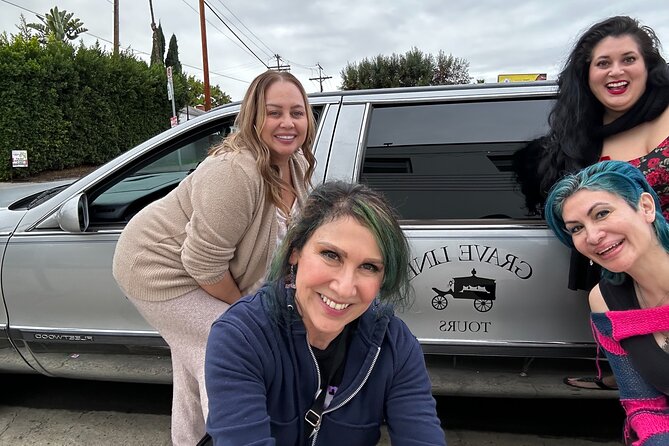
Los Angeles sells a lot of sunshine. This tour does the opposite on purpose. You’re riding through the places people attach to the Manson case, but the format keeps it from turning into tabloid shouting. The guide’s job is to help you understand how the story got told, why it was misunderstood in some ways, and what investigators and later researchers have tried to explain.
I like that this isn’t built like a spoiler-heavy horror set. It’s closer to social history with a true-crime backbone: culture, influence, and timing. That matters because Manson isn’t just a single event. He’s a symbol that formed in a whole era, and Hollywood’s landscape is part of why the myth stuck.
If you’re the type who can handle real-world evil without getting stuck there afterward, this can be a memorable way to see LA. If not, you’ll probably feel uneasy more than curious.
Price and value: $93.08 for 3 hours and a small-group ride
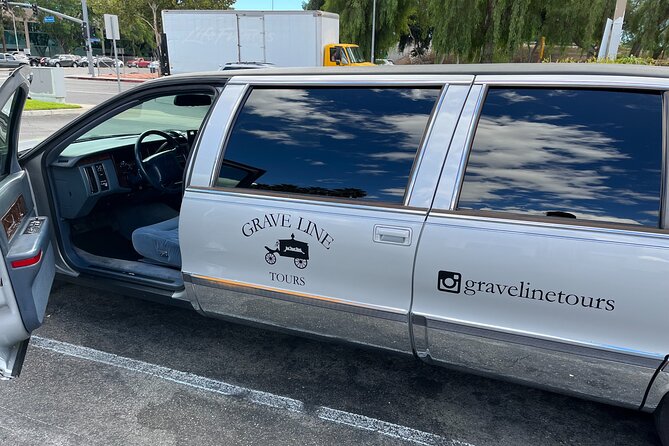
At $93.08 per person for about 3 hours, you’re paying for three things at once: transportation, interpretation, and access to multiple sites in one go. In LA traffic, the practical value is real. Instead of piecing together rides and parking, you’re put on a route that strings together key locations connected to the case.
The other value piece is the guide style. Multiple guides associated with this company—like Ansley and Blaze—are repeatedly praised for keeping attention and answering questions, while sticking to a historical frame. When you get that mix, the price feels less like you paid for a car and more like you paid for understanding.
One more thing to consider: snacks aren’t included. You’ll have a chance to buy coffee and light snacks halfway through. If you’re the type who needs caffeine or a buffer snack to get through emotional material, plan for that cost.
Where you start: Ovation Hollywood, 10:00 am, and back again
Your meeting point is Ovation Hollywood, 6801 Hollywood Blvd, Hollywood, CA 90028. The tour starts at 10:00 am, and it ends back at the same meeting spot. That round-trip structure is helpful because it keeps you from having to figure out transport at the finish while you’re still processing what you just learned.
The start location is also described as near public transportation. So even if you’re not driving, you should be able to get there without too much hassle.
The tour runs with a maximum of 8 travelers. That matters in a city where group tours often feel like a conveyor belt. A smaller group tends to mean more time for the guide to slow down when people ask questions.
Riding in a Cadillac-style limo: comfort that changes the pace
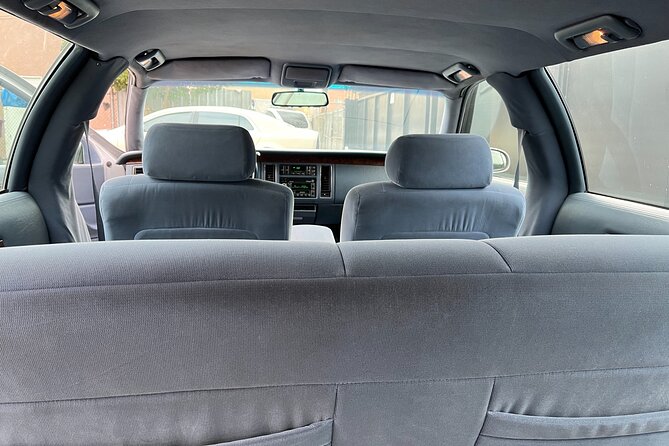
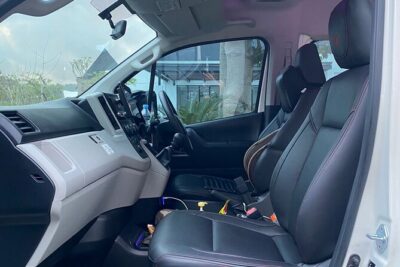
This isn’t a quick bus-and-point tour. You’re in a funeral limo setup, and based on guide-car details mentioned in guest feedback, people often describe it as a classic Cadillac limousine (sometimes specifically a Fleetwood). That changes the experience. You’re not standing outside in traffic noise at every stop. You’re sitting, looking out, and letting the guide connect the dots.
Also, because you’re riding rather than constantly walking, it’s easier to stay focused on what the guide is saying. You’ll still see the exterior sites, but the pace is gentler than a stop-and-go walking route.
One practical thought: if you’re sensitive to mood swings, a true-crime setting can hit harder when you’re trapped in a closed space with a group. On the upside, the ride format helps the guide control the tone—so you’re not getting random interruptions.
Stop 1: the Tate/Polanski cottage area and why framing matters
The first major stop centers on the property area connected to the Tate/Polanski cottage—the place where five victims were murdered. This is one of the most recognizable pieces of the case, and it’s also where misinformation and rumor can grow because the story became cultural shorthand.
What you should expect here is not just location trivia. The guide’s approach is meant to slow the case down into a set of understandable elements: who was where, how Hollywood culture intersected with the period, and how the story became something people could repeat without fully understanding.
A drawback of this type of stop is the emotional weight. Even if the guide stays careful and context-driven, you can’t really turn off the “this happened here” reality. If you’re easily affected, consider stepping back mentally and focusing on the historical framing rather than the shock.
Stop 2: the LaBianca house site and separating myth from facts
Next you’ll visit the exact house location tied to the LaBianca murders. This is another site that people often treat like a plot point, but the tour treats it more like evidence of a pattern—how the case spread, and how the victims became part of the larger narrative that formed around Manson.
This stop tends to work well for people who like criminology or social history angles. The guide adds context, including how later thinking and theories have tried to interpret what investigators and researchers came to believe over time.
I also like that the tour doesn’t present the story as a spectacle. The guide is building understanding rather than escalating fear. For most visitors, that keeps the experience from feeling like it’s trying to shock you into paying attention.
Stop 3: Spahn Movie Ranch in the state park—Hollywood’s dream factory side
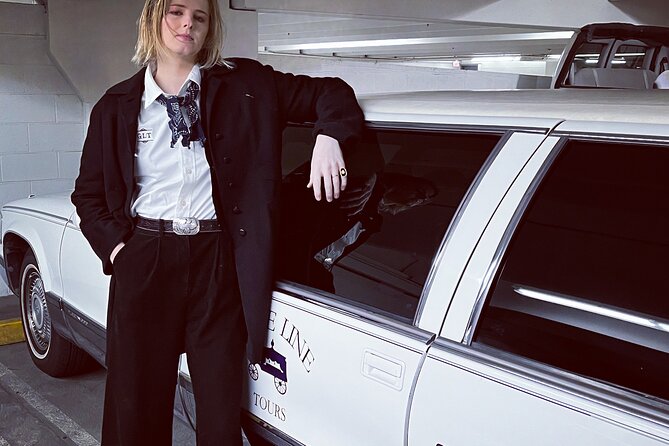
The third stop takes you to a state park area where the old Spahn Movie Ranch used to exist, including its connection to the Family. This is where the tour can shift from “case sites” to “place and culture.”
Why this matters: Spahn wasn’t just a location. It fed the illusion that LA glamour and fringe reality could overlap. When you see it through a guide’s historical lens, you start to understand how the broader environment supported the kind of myth-making that let a story like this spread.
This stop also gives you a different visual landscape than the urban sites. Instead of just streets and structures, you’re looking at a setting tied to an era when the lines between entertainment, aspiration, and manipulation got blurred.
Practical consideration: because this is outdoors and part of a ride itinerary, you’ll want to dress for weather. The experience notes that good weather is required. If LA weather turns, the tour may shift dates or offer a refund.
Stop 4: Dennis Wilson nights in 1969 and the counterculture angle
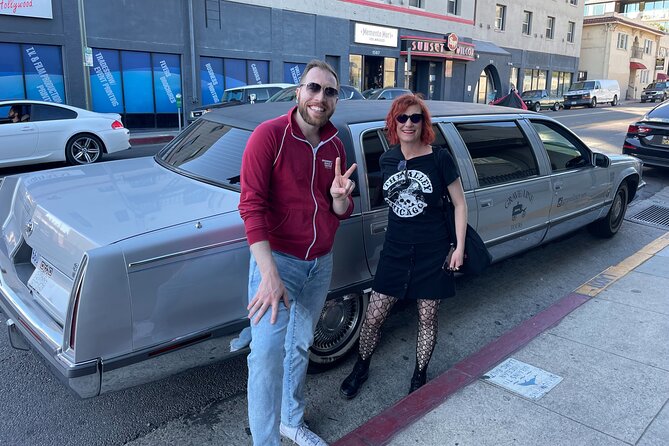
The final stop connects to where Manson spent hedonistic nights out with Beach Boy Dennis Wilson in the summer of 1969. This is one of those details that helps you see the case as more than a sequence of crimes. It places Manson inside the social gravity of the time.
This is also where the tour becomes useful for people who came in with a simplified view. The guide’s context-driven method is designed to correct how people remember things. It doesn’t ask you to admire anyone involved. It asks you to understand why the connections mattered and how the era’s attention created opportunities for a larger narrative to form.
If you’re interested in music history or 1960s culture, this stop tends to land well. You see how mainstream entertainment didn’t exist in a separate world from darker undercurrents.
The extras that make the ride feel guided, not just driven
A few elements help this tour feel like more than transportation.
Smartphone background materials: you get access to visual background content if your phone has data. That’s a clever way to keep you off a printed stack and let the guide reference visuals as you go.
Mobile ticket: you don’t need paper. This can speed things up at the start.
Era music and interviews: multiple guide-led versions of the tour use music from the time period and play interviews at the right moments. That’s not just for atmosphere. It helps you feel the era’s tone, then compare it to what the case actually turned into.
In plain terms: these tools help you remember details later. You’re not just staring at addresses. You’re processing the story in a guided flow.
Timing, weather, and how to plan your mood
The tour runs about 3 hours and starts at 10:00 am. That timing is good for a first-half-day activity, especially if you want to spend the rest of your LA time doing lighter things afterward.
The experience requires good weather, and if it gets canceled due to poor weather, you’re offered a different date or a full refund. So I’d treat this like a normal outdoor-sensitive activity even though you’re mostly in a car.
Most important: the content is disturbing. The tour explicitly notes it’s not recommended for travelers who are sensitive to extreme subject matter or who get emotionally upset by disturbing content. If that includes you, trust that signal early. No tour worth it should require you to toughen up through it.
Who should book this tour (and who shouldn’t)
This works best for you if:
- you like social history, not just crime trivia
- you want a route that collects multiple LA sites into one guided session
- you enjoy hearing about how stories evolve—how theories and interpretations develop
- you’d rather ride in comfort and get explanations than walk and read
You may want to skip it if:
- you know you’ll struggle emotionally with graphic true-crime material
- you dislike tours that focus on dark cultural history
- you prefer a purely scenic LA experience
Because the group is limited to 8 travelers, it also suits small-minded travelers who don’t want to fight for attention.
Tips to get more from the stops
A few practical moves can improve the whole 3-hour experience:
- Bring headphones only if the guide allows it. The tour uses music and interviews; you want to hear those as intended.
- Use your phone data if you can. The included visual background materials are designed to work with that.
- Ask questions early if you have them. With a small group, you’ll get a better chance for direct answers.
- Plan a buffer afterward. This isn’t a “laugh and stroll” activity. Give yourself time to reset.
Also, if you’re hoping to do a strict LA sightseeing schedule, keep the rest of the day more flexible. You’ll likely want time to think after the ride.
Should you book the Manson Family Funeral Limo Tour?
If you’re coming to LA for more than postcard scenes—and you’re comfortable with the dark side of Hollywood’s cultural history—this is a strong pick. The value is in the mix: a classic limo ride, a small group, and a guide-led approach that aims for context over sensationalism. With stops tied to the Tate/Polanski cottage area, the LaBianca house, Spahn Movie Ranch in the state park, and the Dennis Wilson connection, you’ll leave with a clearer map of the story.
But if you’re easily shaken by disturbing content, or you’re hoping for light entertainment, you’ll probably feel worse than curious. In that case, you’re better off choosing a different LA tour that matches your comfort level.
FAQ
How long is the Manson Family Murders Funeral Limo Tour?
It runs for about 3 hours.
What is the price per person?
The price is listed as $93.08 per person.
Where does the tour start and when does it begin?
It starts at Ovation Hollywood, 6801 Hollywood Blvd, Hollywood, CA 90028. The start time is 10:00 am.
What’s included in the tour?
You get access to visual background materials for passengers using smartphones with data access.
How big is the group?
This experience has a maximum of 8 travelers.
What is the cancellation policy?
You can cancel for a full refund if you cancel at least 24 hours in advance. If you cancel less than 24 hours before the start time, the amount paid is not refunded.