
REVIEW · ATLANTA
African American Atlanta Culture Tour
Book on Viator →Operated by Explore Atlanta Tours · Bookable on Viator
Auburn Avenue tells the story fast. This small-group Atlanta tour turns important locations into an easy-to-follow route, with Henry guiding you through sites tied to Black culture and the Civil Rights Movement. I especially like the stop at Morris Brown College, because the admission ticket is included, and the guide makes it feel practical, not like a lecture. One possible drawback: at about 1 hour 30 minutes, you’ll get “see it and learn it” time, not slow, museum-style wandering.
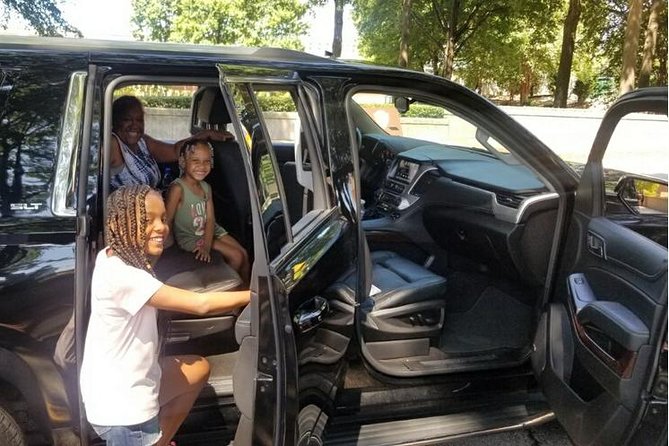
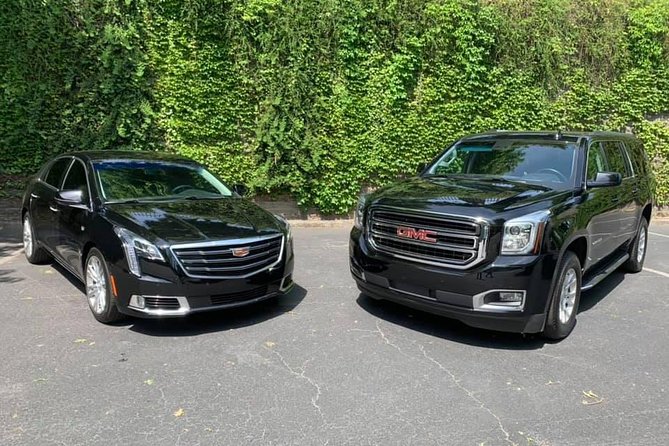
What makes this tour work for real trips is the pacing and focus. You can start at different times, ride between key areas, and ask questions as you go. With a max group size of 7, it stays personal, and the vehicle is described as comfortable and spotless.
In This Review
- Key things you’ll notice
- Why this 90-minute African American culture tour is such a strong start
- Starting on Auburn Avenue: where the route naturally connects
- Morris Brown College: a quick stop with real historical weight
- Auburn Street and Wheat Street moments you can picture
- The King Center area: Civil Rights history made visible
- Martin Luther King’s Birth House: the stop most people remember
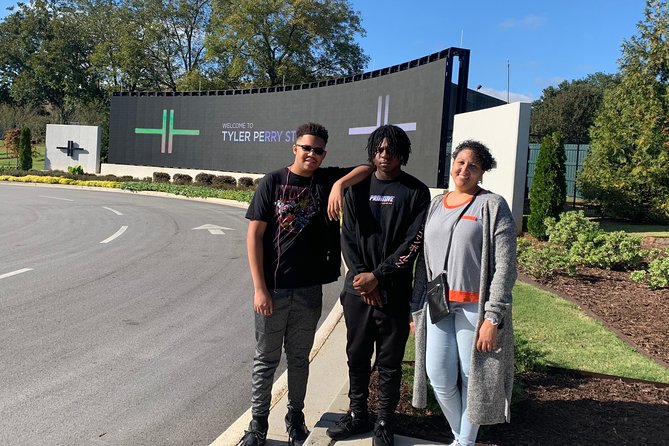
- Tyler Perry’s Atlanta City Studio: Atlanta then and now
- Why the guide matters: Henry’s role in making the route feel human
- Price and value: is $89.99 fair for this 1.5-hour tour?
- Who should book this tour (and who might not love it)
- Should you book the African American Atlanta Culture Tour?
- FAQ
- How long is the African American Atlanta Culture Tour?
- Is this tour private or a larger group?
- Are there multiple start times available?
- Is pickup available from my location?
- Is admission included for the Morris Brown College stop?
- What if the tour is canceled due to weather or the minimum number of travelers?
Key things you’ll notice
- Henry’s storytelling approach: facts tied to what you can see outside, with plenty of room for questions
- A short stop with real access: Morris Brown College includes an admission ticket, not just a photo stop
- Civil Rights landmarks in a tight route: the King Center area and MLK Birth House get the attention they deserve
- Photo time built in: you’ll have chances to jump out and take pictures at the big moments
- Small group = better flow: up to 7 travelers means less rushing and more back-and-forth
Why this 90-minute African American culture tour is such a strong start
Atlanta can eat your schedule. You arrive, you try to map out neighborhoods, and suddenly the day is gone. This tour is designed to compress the most meaningful stops into a 1 hour 30 minute window, so you can get your bearings fast and still enjoy the rest of your day.
I like that the tour is built around a clear story arc: Black culture and community, an iconic institution, the Civil Rights Movement, and then the MLK Birth House. That structure helps you connect sites instead of treating them like separate bus stops.
The other practical win is how “answer-friendly” the format is. The guide (Henry) repeatedly comes up as engaging and willing to respond to questions, which matters when you’re trying to understand places you may not have studied before.
If you want hours inside museums, this isn’t that. Think of it as a smart orientation you can build on.
Starting on Auburn Avenue: where the route naturally connects
The tour meets at 135 Auburn Ave NE, Atlanta, GA 30303 and ends back at the same point. That matters because Auburn Avenue is the spine of the story here. You’re not starting in some anonymous parking lot. You’re starting where Atlanta’s Black cultural life and civil-rights connections are part of the street-level geography.
The experience is also private in the sense that it’s led by your guide for your group size (max 7). That helps a lot if you’re traveling with family, coming from out of town, or you just want the route tailored to your pace.
Pickup is offered, with complimentary pickup available if you notify the provider at least 2 hours before your start time (Atlanta traffic can be unpredictable, and there’s a note about pickup outside the main window and some areas). The takeaway for you: plan to be prompt at the meeting point unless you’re using pickup, and build a little buffer for traffic.
Morris Brown College: a quick stop with real historical weight
One of the best-value parts of this tour is the Morris Brown College stop. You get about 10 minutes, and the admission ticket is included. That’s huge for value because it means you’re not paying extra at the door, and it turns the stop into something more than a drive-by.
The tour frames the college area in the bigger arc of Black history and the Civil Rights Movement. In the same stretch of the route, you also get references to the surrounding campus culture and student-life context—plus, at least some versions of the experience reference the football stadium area as part of the Morris Brown surroundings.
Here’s the practical way to enjoy this stop: treat it like a “point of reference.” You’re there long enough to understand why this place matters, then you move on. If you try to absorb everything at once, you’ll miss the connections the guide is making between institutions and the movement.
Auburn Street and Wheat Street moments you can picture
A lot of the power of this tour comes from bringing street-level history into focus. Henry’s storytelling is repeatedly described as vivid, and the route includes discussion around Auburn Street and Wheat Street—places you’ll hear about in Atlanta’s Black history conversations.
This is the kind of stop that works best when you’re doing active listening. Instead of treating it like a list of dates, I recommend you ask one simple question when you’re standing in the area: What would daily life have looked like here? That’s the sort of direction the guide seems to naturally take—connecting institutions, community, and the push toward civil rights.
You’ll also find that the tour gives you moments to step out and take photos. That’s not just for bragging rights. It’s how you remember what you learned when you’re back at your hotel.
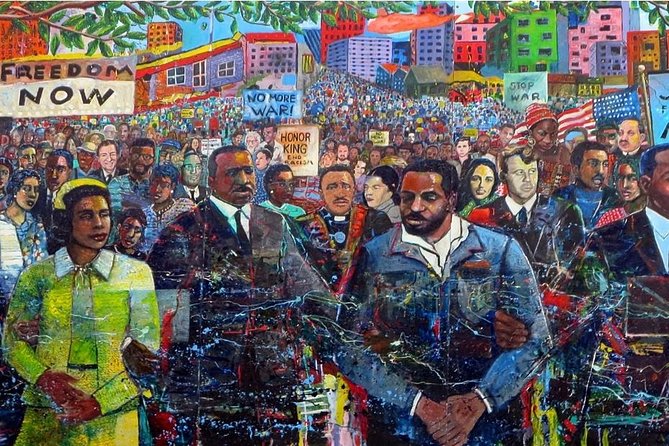
The King Center area: Civil Rights history made visible
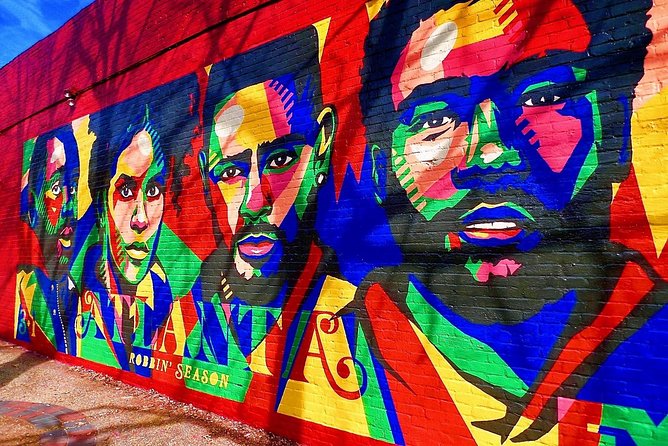
The tour includes a stop centered on an iconic institution in Black culture, and the route is closely tied to the King Center and the Civil Rights Movement. This is where the story shifts from community and cultural identity toward organized national change.
What I like about this approach is that it helps you understand the “why” of the landmarks, not just the “where.” When you’re standing near places linked to Dr. Martin Luther King Jr. and the movement around him, you can start to connect the strategy, the courage, and the community support that made big actions possible.
You’ll likely notice how the guide balances emotions with context. Some stops can feel heavy; that’s normal here. The aim is not to make it gloomy, though. The guide turns the heaviness into comprehension, so the history doesn’t stay abstract.
If you’re the type who likes to ask follow-ups, this is a great section to do it. The questions you ask about the Movement often lead to new clues about what to watch for at the next stop.
Martin Luther King’s Birth House: the stop most people remember
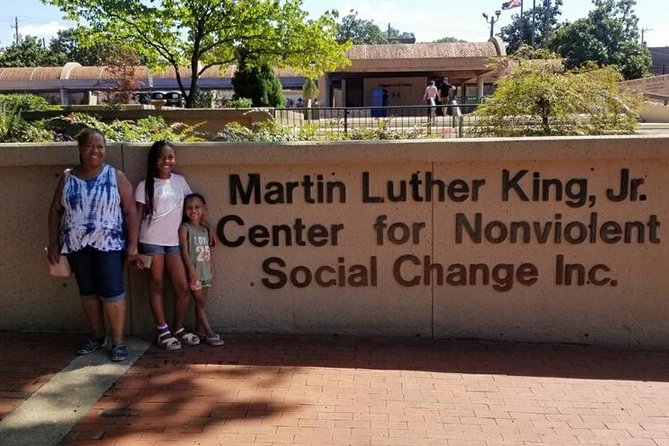
The MLK Birth House is one of the most memorable moments built into this tour. You’ll also see related landmarks in the broader neighborhood context, including the Ebenezer Baptist Church area.
I’d plan your energy for this part. It’s the kind of stop that can hit harder because it’s personal rather than only institutional. Reviews highlight that the Dr. King house moment and the surrounding sites are often the peak experience for people, and that tracks with how this tour is structured.
Here’s my practical advice: take a few minutes before you start asking questions. Look around first. Then let Henry add the context. You’ll get more out of the explanation because you’ll already have mental images to attach it to.
This is also a good moment to pause if you need photos. The experience is set up so you can get out and capture key views, rather than being locked in the vehicle the whole time.
Tyler Perry’s Atlanta City Studio: Atlanta then and now
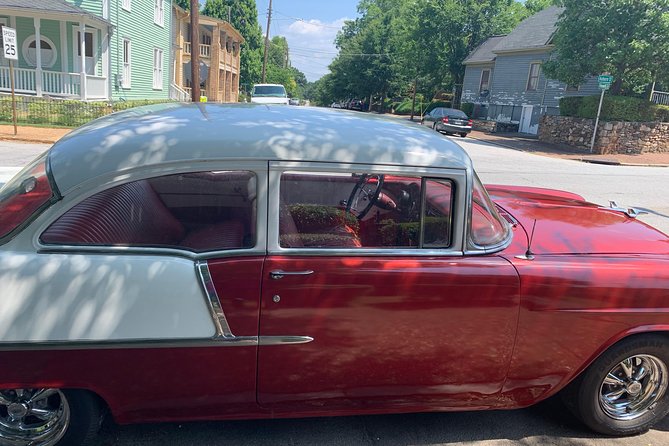
The tour doesn’t only live in the past. It also includes Tyler Perry’s Atlanta City Studio as part of the route. For you, this matters because it shows how Atlanta’s creative and cultural power continues after the Civil Rights era.
Think of it as a bridge: the earlier stops explain struggle, community, and change. The Perry studio stop points you toward modern storytelling and modern cultural industry. It’s a reminder that culture is not frozen in one decade.
How much you get out of this part depends on your interests. If you like film and TV, it’s a fun, relevant angle. If you don’t, it still works because it reinforces the broader theme of Black cultural influence in Atlanta.
Either way, keep your eyes open and pay attention to what Henry connects it to. That’s where the tour stays more than a drive-by.
Why the guide matters: Henry’s role in making the route feel human

In this experience, Henry is a central reason people rate it so highly. Across feedback, he’s described as engaging, pleasant, and very good at answering questions. The biggest theme is that he connects what you’re seeing to what life may have been like in the neighborhoods—especially around Auburn Avenue and nearby areas tied to the movement.
That matters because many history tours fail in one way: they either sound like a textbook, or they skim past the meaning. Henry’s style seems designed to avoid both problems. You get history, but it’s tied to images you can hold in your head.
There’s also a practical touch: the guide will help with photo moments during stops, which is a small detail that actually makes a difference. You’re on a time-limited tour. You want pictures that come out, not photos where you’re still figuring out your camera while the group moves on.
Price and value: is $89.99 fair for this 1.5-hour tour?
At $89.99 per person for about 90 minutes, you’re paying for three things: transportation between key sites, a guided narrative that connects them, and an admission-included stop at Morris Brown College.
If you try to recreate this with taxis, rideshares, and separate paid entry for the college stop, the math can add up quickly. The included admission reduces friction. Even if you’d normally spend less on admission alone, you’re also paying for interpretation, timing, and a route that keeps you from guessing what to see first.
Is it the cheapest thing you can do in Atlanta? No. But it’s also not priced like a museum day. It’s priced like a “high-impact orientation,” which is exactly what you want if you only have a short window.
My suggestion: book it early in your trip. Then use the information to decide what you want to see more deeply later.
Who should book this tour (and who might not love it)
This tour fits best if you:
- want a focused overview of African American Atlanta culture and Civil Rights-era landmarks in a short time
- enjoy asking questions and learning by conversation
- appreciate photo stops at key moments
- are traveling with family or teens who benefit from guided context (a 14-year-old being engaged is specifically called out)
You might not love it if you:
- want a long, stop-everywhere walking tour with lots of museum time
- prefer to self-guide without a narrative thread
- need a highly customized pace beyond 90 minutes (this schedule is tight by design)
The max group size of 7 helps, but the overall structure is still time-boxed.
Should you book the African American Atlanta Culture Tour?
If your goal is to understand Atlanta’s African American history and culture through the most important, connected stops, I think this is an easy yes. You’re paying for time, direction, and Henry’s ability to make the story feel real in the places where it happened.
My booking advice:
- If you’re planning to visit the MLK Birth House area separately, do this tour first so you understand what you’re seeing.
- Wear comfortable shoes and plan to spend a little time absorbing at the peak emotional stops.
- If pickup helps you, request it in time. Traffic in Atlanta can mess up the timing if you leave it to the last minute.
Overall, this is a well-priced way to get more meaning out of less time—without turning your day into a chaotic map exercise.
FAQ
How long is the African American Atlanta Culture Tour?
It lasts about 1 hour 30 minutes.
Is this tour private or a larger group?
It’s offered as a small group experience with a maximum of 7 travelers.
Are there multiple start times available?
Yes, multiple start times are available.
Is pickup available from my location?
Pickup is offered. Complimentary pickup requires you to notify the provider at least 2 hours before the tour start time. There may be a small fee for airport pickups and pickups outside the pickup zone.
Is admission included for the Morris Brown College stop?
Yes. The Morris Brown College stop includes an admission ticket.
What if the tour is canceled due to weather or the minimum number of travelers?
The experience requires good weather. If canceled due to poor weather, you’ll be offered a different date or a full refund. It can also be canceled if the minimum number of travelers isn’t met, with a different date or a full refund offered.