
REVIEW · HANOI
3-Day Sapa Tour from Hanoi by Luxury Limousine Transfer
Book on Viator →Operated by Tour Sapa by Bus · Bookable on Viator
Mist meets mountains on a 3-day Sapa escape. I like how the plan starts with door-to-door round-trip transfers from Hanoi and actually gets you moving early, and I love that Day 2 is built around the long rice-terrace hike (the part most people come for). One thing to keep in mind: the pace is schedule-tight, and timing can wobble a bit on the travel days (I’ve seen reports of a late departure).
You’ll spend three days weaving through hill-tribe villages and viewpoints around Sapa, with visits to Cat Cat, Y Linh Ho, and Ta Van, plus a trek up Ham Rong (Dragon’s Jaw) Mountain. Along the way, you’ll meet people from groups like the Hmong and Red Dao, and also learn about communities such as Black Hmong in the Sapa region.
If you’re sensitive to cold, fog, or long walks, read this part twice. Sapa sits high enough that the weather can change fast, and at least one hike is a serious stretch—so you’ll want the right shoes and a realistic fitness level.
In This Review
- Key highlights worth packing for
- Luxury transfer day 1: leaving Hanoi without losing your morning
- Your Sapa base: Sapa Charm Hotel, plus what “two nights included” really means
- Day 1: Cat Cat Village + a short downhill trek near Fansipan’s foothills
- Day 2: the rice-terrace trek from Y Linh Ho to Ta Van (and why this is the core day)
- Day 3: Ham Rong Mountain’s flower gardens, Heaven Gates, and the fast ride home
- Food, timing, and the gear list that keeps you comfortable
- Price and logistics: what you’re paying for (and what to watch out for)
- Who this Sapa tour suits best
- Should you book this 3-day Sapa tour?
- FAQ
- What time does the tour start?
- Where is the meeting point in Hanoi?
- What’s the total duration of the tour?
- Are meals included?
- How many nights are included in Sapa?
- What hotel is included?
- How long and far are the treks?
- Are admission tickets included?
- What’s the group size limit?
- What if the weather is poor?
- Is there free cancellation?
Key highlights worth packing for
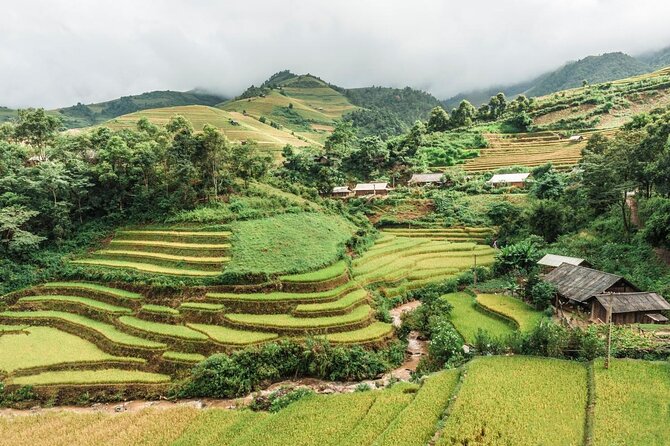
- Day 2 rice terraces + Muong Hoa Stream walk: the longest, most rewarding trek of the trip.
- Ethnic village visits in Cat Cat, Lao Chai, and Ta Van: more than just a photo stop.
- Ham Rong Mountain viewpoint time: flower gardens, Heaven Gates, and big views.
- Two nights included in Sapa: you’re not racing back the same day.
- Small group size (max 20): easier to move, less chaos on trails.
- Trekking is timed, not random: the route is clear, with estimated distances and durations.
Luxury transfer day 1: leaving Hanoi without losing your morning
The best thing about this tour is how it reduces friction. You start at 6:30 am at the meeting point: Charming Vietnam Travel, 31 P. Lò Sũ (Hoàn Kiếm), Hanoi. From there, you head toward Sapa with planned breaks, so the long drive doesn’t feel like one endless blur.
The tour advertises a modern AC bus transfer, and some departures seem to use a smaller “luxury” vehicle style with padded seats and USB charging. Either way, the goal is the same: comfort for the road and fewer logistics headaches once you’re in transit.
Now for the practical reality. One recurring snag I’d plan around: departure time can be late sometimes. If you hate stress, build a little buffer into your expectations, especially on Day 1 when you’re trying to get settled in Sapa and start hiking quickly.
What’s also worth noticing: you’re not picked up from every hotel or Airbnb. The stated pickup rule is simple—come to 31 Lo Su in Hoàn Kiếm if you want to join the tour. So if you’re staying elsewhere, factor in time for getting there early.
Your Sapa base: Sapa Charm Hotel, plus what “two nights included” really means

The package includes two nights in a Superior room at Sapa Charm Hotel at #32 Muong Hoa, Sapa. That’s a solid setup because it gives you real overnight time in the cooler mountain air, instead of doing a day-trip treadmill.
That said, one detail you should know before you commit: some people found the accommodation to feel more like a guesthouse than a big full-service hotel. The important part is that service and food were described as good, but if you’re expecting a very polished hotel experience, keep your expectations flexible.
In practical terms, your room matters most for two things:
- A comfortable place to reset your legs after long treks.
- A warm base for breakfast and quick prep (especially if you’re hiking in cold fog or drizzle).
Day 1: Cat Cat Village + a short downhill trek near Fansipan’s foothills
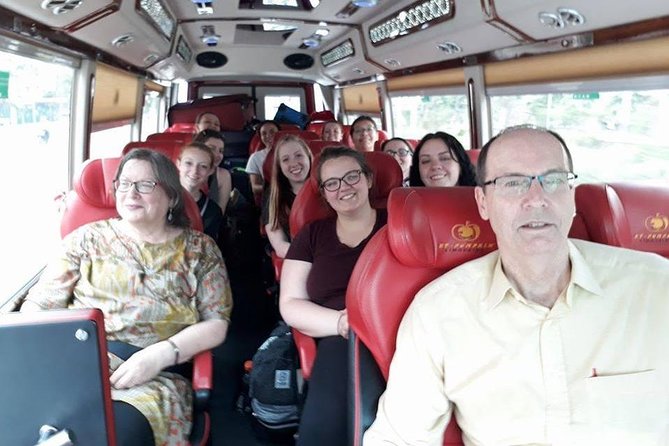
Day 1 starts early—pickup begins around 6:30–7:00 am depending on where you’re joining, then you drive toward Lao Cai for break stops. You’ll get one break en route to Lao Cai and another short stop after arriving there, before continuing into Sapa.
When you arrive, you meet local ethnic communities wearing colorful traditional clothing. The plan specifically mentions people from groups such as H’mong, Dzao, and Tay. You’ll also have a local Vietnamese lunch and check in to your hotel.
Then comes the part most hikers remember: Cat Cat. This village is associated with the Black Hmong community and sits near the foot of Fansipan Peak. Your guide introduces daily life activities and you’ll trek down to the valley.
Here’s the good news for Day 1 fitness: it’s not brutally long. The route is estimated as about 2-hour walking covering roughly 2.5 km (1.5 miles). So you can enjoy the scenery and village context without feeling like Day 2 will kill you (though Day 2 does that job).
Timing-wise, you return to Sapa in the afternoon and dinner is at 6:00 pm, with your overnight stay.
One drawback consideration for Day 1: the best “wow time” here can feel more informational and scenic than “all-out hiking.” That’s not bad—it’s a nice warm-up—but if you’re chasing the big rice-terrace experience, save your energy for Day 2.
Day 2: the rice-terrace trek from Y Linh Ho to Ta Van (and why this is the core day)
If you’re choosing just one day to take seriously, it’s Day 2.
Breakfast happens at the hotel (then you pack lightly for a hike). After a short ride toward Y Linh Ho, you begin walking through rice terraces. The route follows the Muong Hoa Stream and is designed to connect several villages and viewpoints, including a stop around Black Hmong village of Lao Chai, before you trek onward to Ta Van, where Dzay ethnic people live.
The distance and time are clearly stated: about 9 km and around 4 hours total. That means you should treat this day like a real hike, not a casual stroll.
What makes this day especially valuable is the mix:
- Rice terraces you can actually walk through (not just look at from a bus window).
- Village context along the way, so you’re seeing how people live in the hills—not only where the views are.
- A stream route, which usually makes the walk feel less monotonous than a straight uphill/downhill path.
Lunch is at 12:00 pm on the return side, and then you get an afternoon free period in Sapa. That free time is important. Sapa can wear you out fast: cold air, altitude, and uneven steps add up. Use that afternoon to wander town at your own pace, not to force another long excursion.
One more practical point: transportation back to Sapa starts at Ta Van Bridge. A bus picks you up and brings you to Sapa, then dinner and another overnight follow.
Day 3: Ham Rong Mountain’s flower gardens, Heaven Gates, and the fast ride home
Day 3 shifts from village walking to a viewpoint trek.
After breakfast, you head out around 8:30 am for Ham Rong Mountain—also known as Dragon’s Jaw. Along the way, there are well-tended flower gardens, and the route includes walking through two Heaven Gates before reaching the top.
The trek is estimated as about 2 hours and around 2 km (1.2 miles), so this is shorter than Day 2. It’s a good capstone: less leg-pain than the previous day, but enough walking to earn your views.
You’ll return to your hotel around 11:00 am, then check out and have lunch. After that, you reconnect with the group and leave for Hanoi with breaks along the way.
The ride back is long. You’ll leave Sapa in the early afternoon and arrive back in Hanoi around 9:00 pm, with two break stops on the route.
Food, timing, and the gear list that keeps you comfortable
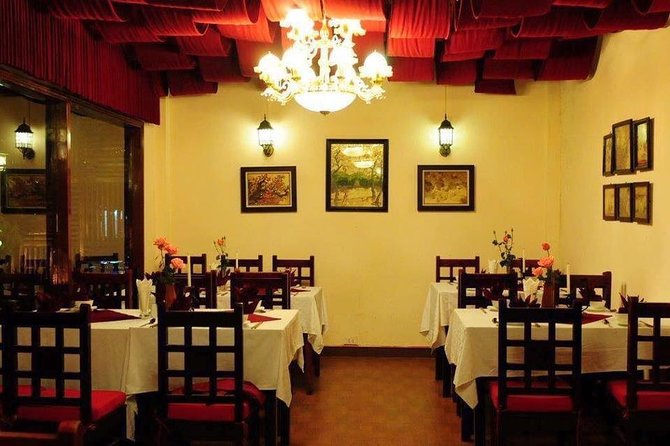
This tour includes three lunches, two dinners, and two breakfasts. Beverages aren’t included, so plan to buy water or other drinks as needed. Also, it helps to keep some cash for snacks, because once you’re on the trail, you don’t always want to stop for a meal-sized purchase.
What you eat matters less than when you eat. Your hikes are spaced around meals:
- Day 1: lunch on arrival, then dinner back in town.
- Day 2: breakfast at the hotel, lunch after the bridge pickup.
- Day 3: breakfast, lunch after check-out, then you’re traveling back.
That’s a good structure, especially in cold weather.
Now, Sapa gear. The tour guide’s packing advice is practical and worth following:
- Trekking shoes (not just sneakers).
- Sun cream and sunglasses (yes, even when it’s cold).
- Insect repellent.
- Warm layers plus a scarf and hat/cap.
- Warm clothes, because Sapa is often cold across many months (the tour specifically flags September through March).
- Optional but smart: a small personal medication plan for your stomach or blisters.
Altitude also plays a role. The tour notes that in December, January, February, and March, it can be foggy. In that weather, views can soften or vanish—but the cooler air can also make walking feel easier. Either way, dressing in layers is how you win.
Price and logistics: what you’re paying for (and what to watch out for)
At $201 per person for a ~3-day experience, the price is mostly paying for four things:
- Round-trip transportation from Hanoi (including breaks along the way).
- Two nights in Sapa (your biggest time saver versus booking separately).
- A guided trekking plan with clear village stops and estimated trek distances.
- Meals (2 breakfasts, 3 lunches, 2 dinners) plus admission tickets included.
You’re also protected from the “group chaos” problem. The tour caps at 20 travelers, and it runs with a minimum of 2 people per booking. Smaller group size is a quiet quality-of-life upgrade on narrow trails and in village areas.
Language help is built in: you’re assigned an English-speaking tour guide for the experience. Still, I’ve seen reports of vehicle drivers who didn’t speak English. That’s usually less of an issue because the guide is the translator once you’re actually on the route.
One more logistics note: the tour flags that older people shouldn’t take the long trek (around 6 km) due to possible challenges, especially in rainy weather. Since Day 2 includes about 9 km, this is a real red light for seniors or anyone unsure about stamina. Kids under 6 years also aren’t recommended.
If you’re deciding whether you can handle it, be honest about:
- Your comfort on uneven steps.
- Your ability to walk for 4 hours.
- How you react to cold air and mist.
Who this Sapa tour suits best
This is a strong match if you want:
- A guided way to visit Cat Cat, Y Linh Ho, and Ta Van without sorting transport on your own.
- At least one day of real hiking—especially Day 2 through rice terraces.
- A plan that feeds you on schedule, with 2 dinners and 3 lunches included.
It might not be the best fit if you want a leisurely, low-walk pace. Even though Day 1 and Day 3 are more moderate, Day 2 is the backbone and it’s not short.
It’s also best for people staying near or willing to reach 31 Lo Su in Hoàn Kiếm for the morning pickup. If that’s inconvenient, you’ll need to arrange your own way there before the tour can start.
Should you book this 3-day Sapa tour?
Book it if you want value that’s more than a fancy transfer. The big payoff is the long rice-terrace day, plus two nights in town and a structured set of village visits. If you’re comfortable with cold weather and you can handle a 4-hour trek, you’ll likely feel like you used your time well.
Skip it or choose something lighter if you’re worried about trekking distance, especially the Day 2 hike. And if you’re the kind of traveler who hates any schedule uncertainty, plan mentally for the possibility that departure times can slip a little on the road.
If your priority is authentic hill-tribe village time paired with good views from Ham Rong, this tour delivers the bones of the Sapa experience—just make sure your legs and layers are ready.
FAQ
What time does the tour start?
It starts at 6:30 am.
Where is the meeting point in Hanoi?
The meeting point is Charming Vietnam Travel, 31 P. Lò Sũ, Hoàn Kiếm, Hanoi.
What’s the total duration of the tour?
The tour lasts 3 days (approx.).
Are meals included?
Yes. You get 2 breakfasts, 3 lunches, and 2 dinners.
How many nights are included in Sapa?
You’ll have 2 nights in Sapa.
What hotel is included?
The included stay is at Sapa Charm Hotel, #32 Muong Hoa, Sapa.
How long and far are the treks?
Day 1 includes about 2 hours / 2.5 km.
Day 2 includes about 4 hours / 9 km.
Day 3 includes about 2 hours / 2 km.
Are admission tickets included?
Yes, admission tickets are included for the trekking stops listed in the itinerary.
What’s the group size limit?
The tour has a maximum of 20 travelers.
What if the weather is poor?
This experience requires good weather, and if it’s canceled due to poor weather, you’ll be offered a different date or a full refund.
Is there free cancellation?
Yes. You can cancel up to 24 hours before the experience start time for a full refund.