REVIEW · ROME
Roman Routes: Personalized Private Tour with Chauffeur
Book on Viator →Operated by Eternal City Private and Guided Tours · Bookable on Viator
Rome, streamlined for your first day. This private chauffeur tour is built for fast orientation, with pickup from your hotel area and an air-conditioned sedan or minivan that keeps the day comfortable while you move between top sights. You’ll also get a custom itinerary, so the route can fit what you care about most instead of a one-size-fits-all checklist.
I like the plan because it tackles major landmarks in a tight loop—Piazza Venezia, Circus Maximus, the Navona/Pantheon zone, then Vatican Square, finishing at Trevi and the Spanish Steps. The value shows up in the details: a private ride means you’re not stuck waiting, and WiFi on board helps you sync maps, timings, and meeting points without burning phone battery.
One drawback to consider: the pace is efficient, not slow. Each stop is roughly 15 minutes, so if you want long, in-depth museum time or a long sit-down photo session, you’ll likely need to build extra time beyond this 3-hour tour.
In This Review
- Key things that make this private Rome ride work
- Private Pickup in Rome’s Center: Less Hassle, More Rome
- Piazza Venezia: Starting at Rome’s Traffic Hub and Power Center
- Circus Maximus: Feeling Ancient Rome’s Scale Without the Fuss
- Navona, the Pantheon Area, and Campo de’ Fiori: The Rome Triangle of Sights
- St. Peter’s Square: Big Vatican Energy in a Short Window
- Trevi Fountain and the Spanish Steps: Finishing With Two Baroque Icons
- What You’re Really Paying For: Comfort, Time-Saving, and a Driver’s Brain
- Who This Tour Is Best For (and Who Should Skip It)
- Should You Book This Private Rome Chauffeur Tour?
- FAQ
- What does pickup include, and where does it happen?
- How long is the tour?
- Is this tour private or shared?
- What language is the tour offered in?
- Are entrance tickets included?
- Do I get a mobile ticket?
- Is there a way to cancel for a full refund?
Key things that make this private Rome ride work

- Hotel-area pickup within Rome’s Aurelian Walls saves you time before you even start sightseeing
- A/C private transport (sedan or minivan) makes the biggest difference on hot days
- Custom routing lets you prioritize your must-sees instead of following a rigid script
- A tight highlights loop packs Piazza Venezia through Trevi and the Spanish Steps in about three hours
- Comfort-friendly format for families with kids or visitors with limited mobility (fewer long walks, more vehicle time)
Private Pickup in Rome’s Center: Less Hassle, More Rome
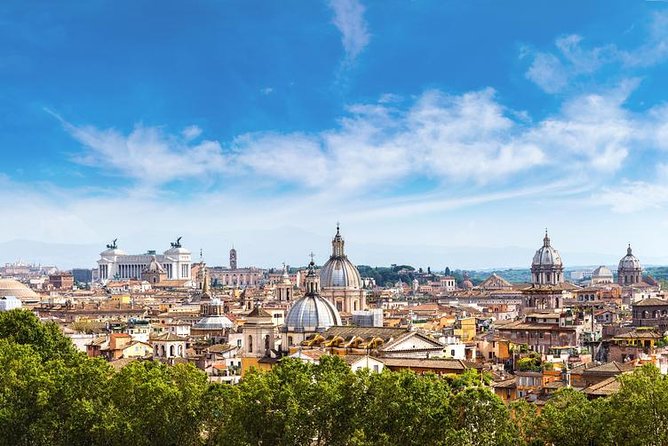
The biggest practical win here is that you start with convenience. Your driver picks you up from your place of stay in Rome within the Aurelian Walls, which matters because Rome’s center is where time disappears—finding taxis, negotiating small streets, and figuring out the right meeting point. When pickup is handled for you, you can put your energy into actually looking at Rome.
The tour runs in a private vehicle—an air-conditioned sedan or minivan—so you’re not mixing with strangers or joining a group that moves at a different pace than you want. You’ll also have WiFi on board, which is handy if you want quick context before a stop or if you need to look up opening times for something you want to revisit later.
Also, it’s offered in English, and it’s designed as a private tour, meaning only your group participates. That’s a big deal in Rome, where crowds can turn a “quick stop” into a half-hour detour.
Piazza Venezia: Starting at Rome’s Traffic Hub and Power Center
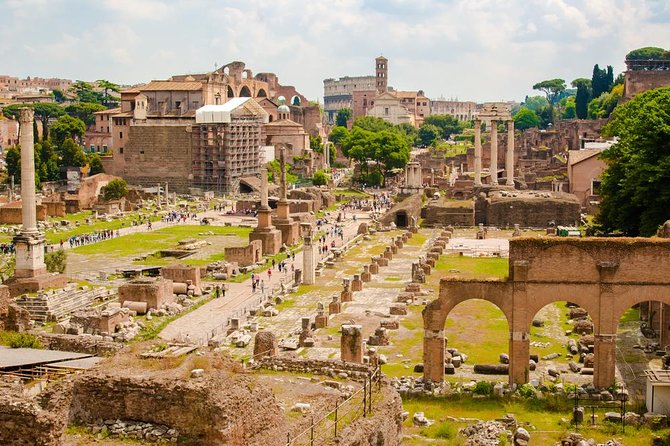
Piazza Venezia is the kind of square that helps you get your bearings fast. It’s central—several major roads intersect here, including Via dei Fori Imperiali and Via del Corso—so it’s a natural launchpad for understanding how Rome is organized.
What makes this stop more than just a landmark is what sits right in the square. One side holds Italy’s Tomb of the Unknown Soldier at the Altare della Patria. From here, you’re also positioned near the foot of Capitoline Hill and close to Trajan’s Forum. Even with a short stay, this stop gives you a strong sense of how the modern city connects to the ancient core.
Where this stop shines:
- You get a landmark that feels important and ceremonial, not just scenic.
- The location helps you recognize key directions later when you walk on your own.
The main thing to watch:
- With only about 15 minutes, you’ll get impressions more than deep study. If you want lots of time at the monument or around the surrounding area, you’ll want to add a separate visit.
Circus Maximus: Feeling Ancient Rome’s Scale Without the Fuss
Circus Maximus is one of those places where the setting does half the work. You’re looking at an ancient chariot-racing stadium and mass entertainment venue, set in the valley between the Aventine and Palatine Hills. In other words, you’re standing in a spot that was built for huge crowds and big events.
This is the first and largest stadium in ancient Rome, and it later served during the Empire era as well. Even though you’re not spending hours here, you can get a strong sense of Rome’s entertainment machine—how power and spectacle were built into the city’s layout.
Why I think this stop is a smart use of time:
- It’s a classic “big Rome” site, but it doesn’t demand the same logistics as a ticketed museum.
- From a comfort standpoint, it works well when you’re managing energy levels or traveling with kids.
A consideration:
- Because the time is brief, you’ll want to come with at least a little interest in how ancient arenas worked. If you just want modern Rome photos, this may feel more “context” than “wow.”
Navona, the Pantheon Area, and Campo de’ Fiori: The Rome Triangle of Sights
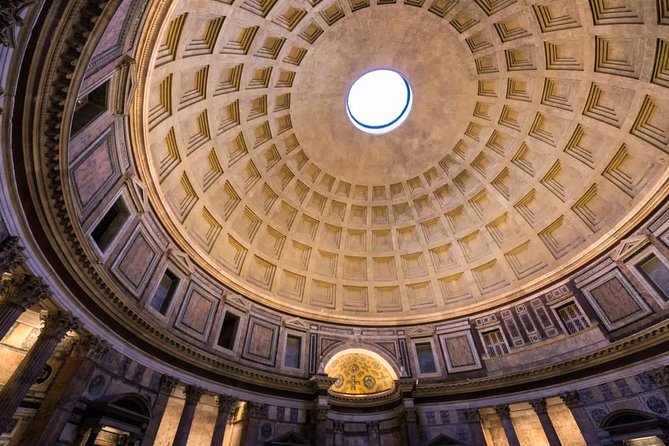
This block is where the tour starts to feel like walking through classic Rome highlights—fast, but with meaning. The plan includes Piazza Navona and the Pantheon area, plus Campo de’ Fiori.
Piazza Navona is built on the site of the Stadium of Domitian, from the 1st century AD. The square follows the shape of the original stadium, so you’re effectively seeing the ghost of ancient architecture in a modern public space. It’s one of the best ways to understand Rome’s habit of reusing space.
Then there’s the Pantheon, which is described as the former Roman temple now functioning as a church. The name comes from Greek Pantheion, meaning temple of all the gods. The important historical detail here is that it was built on the site of an earlier temple commissioned by Marcus Agrippa during Augustus’s reign. That’s a lot of layers packed into one famous footprint.
What about Campo de’ Fiori? In this itinerary, it’s grouped with the Navona/Pantheon area, so the tour uses this central zone as a “tight radius” that minimizes travel time. That’s good if you’re trying to keep the day efficient and want a feel for the lively street-corner energy near these landmarks.
What you’ll likely enjoy most:
- A strong mix of ancient-to-modern continuity (Navona’s stadium shape) plus iconic architecture (Pantheon area).
- You’re in central Rome’s most walkable sightseeing zone, but with vehicle support before and after.
Things to plan for:
- This is still a short stop at each point. If you want to linger for interior details (especially around the Pantheon), you may not have enough time in this 3-hour format.
St. Peter’s Square: Big Vatican Energy in a Short Window
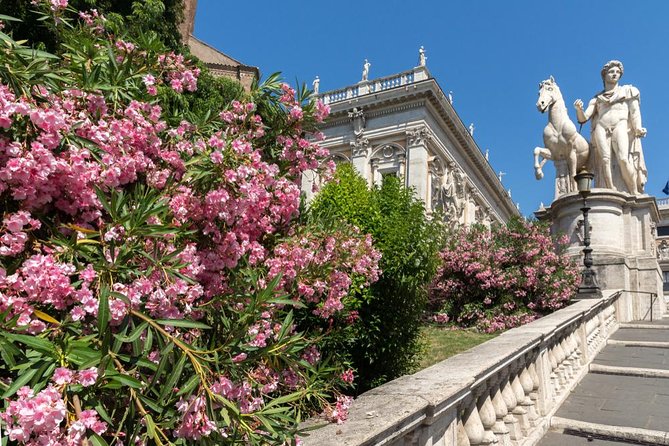
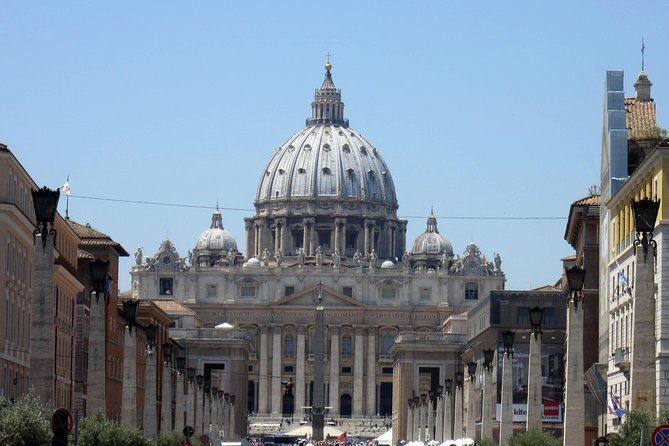
St. Peter’s Square is set directly in front of St. Peter’s Basilica, inside the Vatican City area. It’s a wide plaza and a focal point that’s easy to recognize even if you don’t consider yourself religious. The square and basilica share a namesake: Saint Peter, an apostle of Jesus, considered by some as the first Pope.
Even with around 15 minutes, the scale of the square helps you absorb the moment. It’s also a powerful visual transition from the ancient Roman sites you’ve been seeing earlier. Rome can feel like two worlds at once—ancient power and religious authority—and this stop makes that contrast obvious.
Why this stop fits a private 3-hour tour:
- It’s monumental in impact, but it doesn’t require complicated navigation between far-flung neighborhoods.
- A chauffeur-driven plan keeps you from losing time when crowds and traffic build.
Potential drawback:
- If you want to go beyond the square (inside the basilica, for example), this tour is set up as a quick exterior/area stop. You’ll probably need extra time on a separate visit.
Trevi Fountain and the Spanish Steps: Finishing With Two Baroque Icons
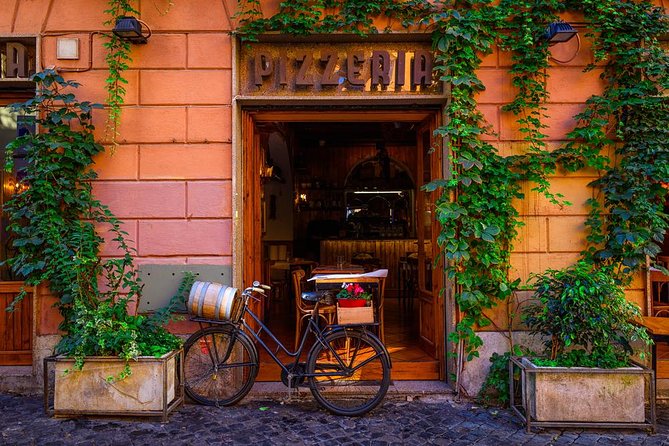
Your last stretch hits two of Rome’s most recognizable postcard landmarks: Fontana di Trevi and the Spanish Steps.
Fontana di Trevi is listed as the largest Baroque fountain in the city and one of the most famous fountains in the world. In a short stop, the best approach is to treat it like a photo and orientation moment. Take your quick look, note the surrounding streets for later wandering, and move on. That way you don’t burn your whole tour waiting in one place.
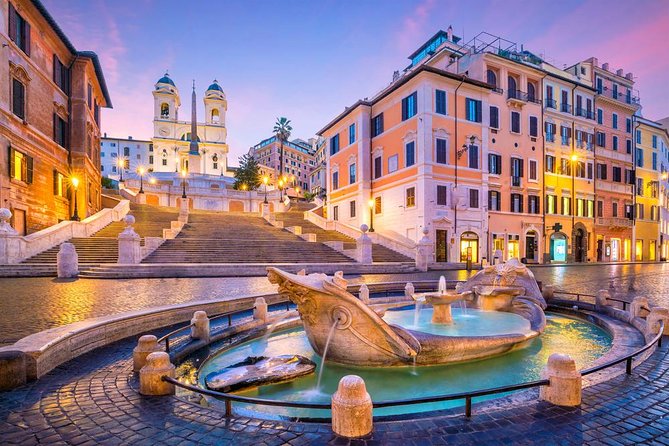
Then you reach the Spanish Steps. This monumental stairway has 174 steps and was built between 1723 and 1725 to connect the Bourbon Spanish Embassy with the Trinità dei Monti church. The historical tie here is specific: it was linked to Bourbon kings of France through the church’s patronage. Even if you’re not chasing facts, that detail helps you understand why this spot carries so much political and cultural weight behind the scenes.
Why this closing combo works:
- Trevi and the Spanish Steps are both central, easy to recognize, and perfect for a “wrap-up moment” that feels like Rome on full display.
- Finishing at these landmarks is practical because they’re the kind of places you’ll naturally want to revisit on your own after the tour ends.
Consideration:
- Like many famous sights in Rome, these are photo magnet stops. The 15-minute window means you may want to be ready to grab key photos quickly and then keep walking around the edges instead of trying to stand still for long.
What You’re Really Paying For: Comfort, Time-Saving, and a Driver’s Brain
At $234.22 per person for about 3 hours, this tour isn’t the cheapest way to see Rome highlights. But it’s also not just paying for a car. You’re paying for three things that matter in real life:
First, you’re paying for time. Hotel pickup within the Aurelian Walls removes one of Rome’s biggest hassles. In a short, high-impact tour, that time savings is the difference between “we saw everything” and “we missed the best light.”
Second, you’re paying for comfort and mobility support. The air-conditioned sedan or minivan matters on warm days. And because the tour is designed around quick stops and vehicle movement, it can be a smarter fit for families with kids and for visitors with limited mobility than a fully walking-only route.
Third, you’re paying for the thinking and flexibility of having a private driver guiding your plan. Feedback has highlighted that the driver experience can be especially strong—one driver named Marco stood out for making the tour feel educational and for covering both major attractions and lesser-known corners. That sort of contextual help is hard to replicate when you’re just using apps and guessing your way around.
One more practical note: entrance tickets aren’t included. At the same time, many stops in the plan are listed as admission ticket free, so you may not need paid entry just to get the main view at these points. Still, if you decide you want extra interiors or upgrades, you’ll be the one handling those.
Who This Tour Is Best For (and Who Should Skip It)
This tour makes a lot of sense if you:
- Are seeing Rome for the first time and want the highlights in a tight schedule
- Value comfort and want pickup and a private A/C vehicle instead of lots of public transit logistics
- Have limited mobility or are traveling with children and want fewer long walks
- Prefer a custom route so you can steer toward what you care about
I’d consider skipping (or at least adding extra time elsewhere) if you:
- Want museum-style depth and long interior visits at multiple sites
- Plan to spend the whole day at one major attraction and don’t need a multi-stop highlights loop
- Are hoping for a slow-paced, lingering city walk without the car doing most of the moving
Should You Book This Private Rome Chauffeur Tour?
If you want Rome’s headline sights with minimal friction, I’d say yes, this is a strong fit. The combination of hotel pickup, a private A/C vehicle, and a custom route makes it one of the more sensible ways to get your bearings quickly. The stopping pattern is efficient and beginner-friendly, especially if you’re juggling energy levels or traveling with kids.
I’d only hesitate if your dream day is hours of slow wandering inside major sites. In that case, treat this as a fast orientation and then plan separate time for anything you want to study longer. But for a 3-hour “get it all in” introduction, this tour does the job well.
FAQ
What does pickup include, and where does it happen?
Pickup is offered from your place of stay in Rome within the Aurelian Walls. You’ll need to provide your address when booking.
How long is the tour?
The tour is about 3 hours.
Is this tour private or shared?
It’s a private tour/activity. Only your group will participate.
What language is the tour offered in?
The tour is offered in English.
Are entrance tickets included?
Entrance tickets are not included. Many of the listed stops are marked as admission ticket free, but you should still plan that you may pay for specific interiors if you choose to add them.
Do I get a mobile ticket?
Yes, a mobile ticket is included.
Is there a way to cancel for a full refund?
Yes. You can cancel for free up to 24 hours in advance for a full refund.