REVIEW · ASWAN
Private Customizable Day Tour To Abu Simbel From Aswan By Private Car
Book on Viator →Operated by Emo Tours Egypt · Bookable on Viator
Abu Simbel starts before the sun. This private, customizable day trip from Aswan gets you to the cliff-cut UNESCO temples of Ramesses II and Nefertari in an A/C car, then brings you back to Aswan the same day. It’s one long, satisfying outing where the drive, the timing, and the explanations all matter.
I especially like two things: the chance to get there early to dodge big crowds, and the way your guide helps you read the temples instead of just walking past stone. You also get a personal touch on timing and what you focus on, which is a big deal when you’re trying to make every hour count.
One drawback to keep in mind: entry fees depend on the option you choose, and lunch is optional (not baked into the plan). Also, Abu Simbel rules can limit where your guide can talk while you’re inside.
In This Review
- What You’ll Like Most
- Private Car Logistics: The Drive From Aswan Is Part of the Experience
- Entering the Abu Simbel Temple Complex: Why This Place Feels Impossible
- Temple Timing and Your Time on Site: How to Use the Hours Wisely
- Ramesses II Temple: What to Look For When the Stone Is Doing the Talking
- Nefertari’s Temple (Hathor): The One That Feels More Human
- Guides, Drivers, and the Human Touch That Changes Everything
- Price and Value: What $53 Covers and What You Should Double-Check
- Who This Tour Suits Best (And Who Might Not Love It)
- Should You Book This Abu Simbel Private Day Trip?
- FAQ
- How long is the Abu Simbel tour from Aswan?
- Is hotel pickup and drop-off included?
- Is this a private tour?
- Is bottled water included?
- Are entrance fees included?
- Is lunch included?
- What time does the tour start?
- Do I get a mobile ticket?
- FAQ
- Is cancellation free?
What You’ll Like Most
- Front-door hotel pickup and drop-off in Aswan, with a private vehicle
- A/C comfort for the long desert drive (often around 3 hours each way)
- Two main temple stops: the Ramesses II temple and the Nefertari (Hathor) temple
- Personal guide support, often with a map and explanations before you start exploring
- Timing that can reduce crowds, especially if you depart early
- Bottled water is listed as included, but don’t be shocked if you prefer backup water just in case
Private Car Logistics: The Drive From Aswan Is Part of the Experience
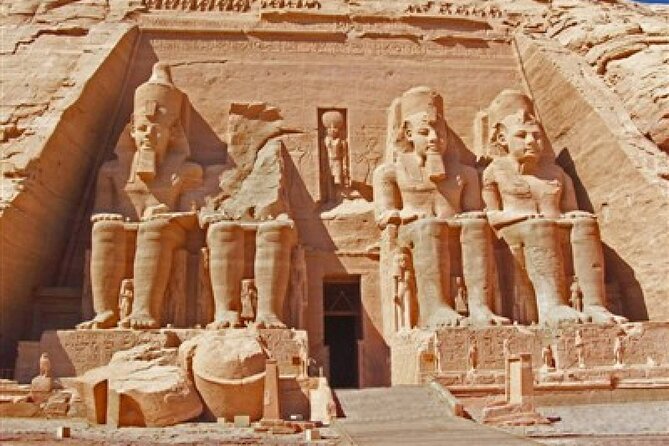
This tour is built around one simple idea: you don’t want to wrestle with group schedules for a place this far south. You’re picked up from your hotel in Aswan and taken by a private A/C vehicle to Abu Simbel, then returned the same day. The day runs about 9 hours total, which sounds like a lot until you realize you’re basically doing a full-day mission to reach one of Egypt’s most famous sites.
The road time is real. Many experiences are described as roughly a 3-hour drive each way, so plan on a long stretch in the car. The good news is that the comfort helps, and several drivers are described as making the ride easier with breaks for photos and a calm, safe approach.
Another small but practical detail: some trips run with different drivers for each direction. If that happens, it usually just means you’ll get a fresh face for the return ride, not a problem with the service. Your bigger focus should be on your arrival timing at the temples, because that’s when the “crowd vs. calm” difference shows up.
If you’re sensitive to language barriers, keep expectations realistic. One account notes limited English from a driver, and they handled it with translation help. The tour still works, but if you want deep commentary in your preferred language, it’s worth being ready to communicate clearly with your guide and team.
Entering the Abu Simbel Temple Complex: Why This Place Feels Impossible
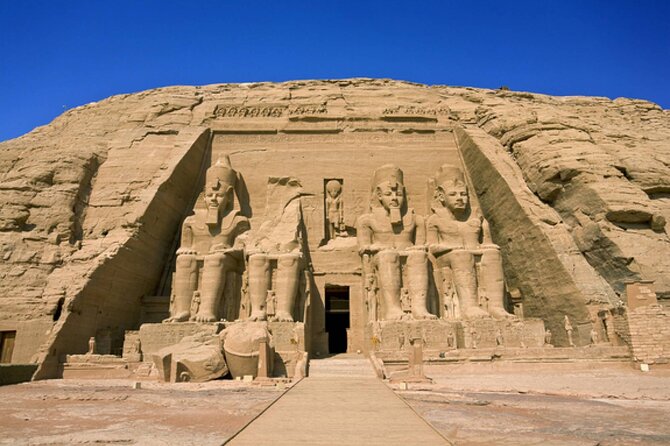
Abu Simbel isn’t just impressive because it’s old. It’s impressive because of what happened to it. The temples are tied to the glory of the New Kingdom, and they were saved from flooding through a major effort by the Egyptian government and UNESCO. That rescue story is the thread your guide will usually connect to what you see in front of you.
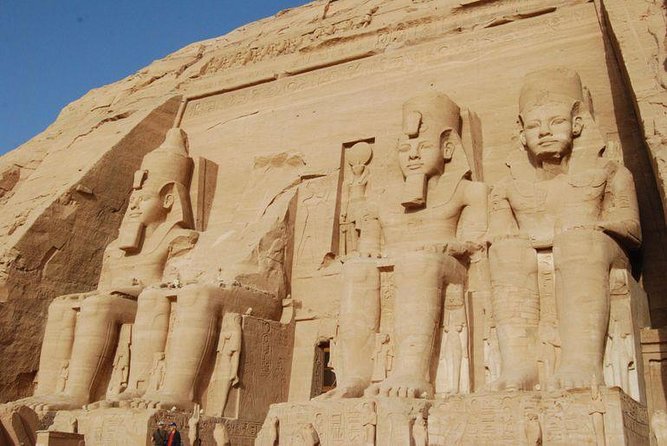
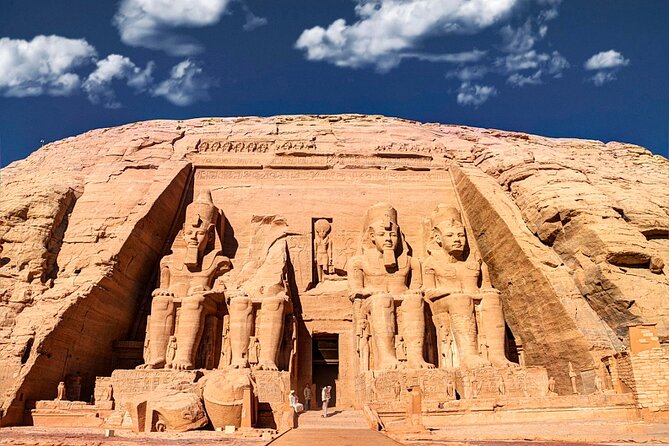
You’ll start with the Abu Simbel Temple Complex, where the focus lands on the two rock-cut temples carved into the cliff. The big temple is associated with Ramesses II and is often referred to as the Sun Temple of Ramesses II. It was dedicated to the four universal gods—Ptah, Re-Her-Akhtey, Amun-Re—and also to Ramesses II himself. In plain terms: this is where power, religion, and royal branding meet in stone.
The guide’s job here is key. Without interpretation, it’s easy to get lost in photos and miss the structure. With interpretation, you start noticing layout choices, the way the temple presents the king, and why Nefertari’s temple matters as more than a secondary site.
Also, you’re not just seeing “a temple.” You’re seeing a UNESCO World Heritage site that carries modern engineering history inside it, because the temples were moved to survive. That mix—ancient intent and modern rescue—makes the visit feel less like a museum stop and more like a story you’re stepping into.
Temple Timing and Your Time on Site: How to Use the Hours Wisely
The itinerary includes separate time blocks for the Ramesses II area and the Nefertari (Hathor) area. In practice, your exact time at the temples can vary, and some accounts describe about 1.5 hours at the site as plenty. The private setup is what gives you the flexibility to stay longer when it feels right, rather than being forced out the second the next group arrives.
One practical pro tip shows up again and again: departing early helps you arrive before the site gets packed. The early start is listed as 8:00 am in the plan, and other experiences mention even earlier starts (around 4:00 am). Either way, the goal is the same: arrive when tour buses haven’t fully landed.
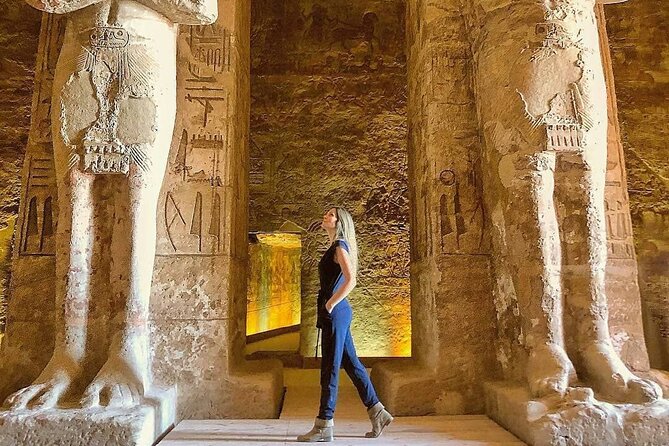
If you hit that timing, the experience can feel almost eerily calm. One description even notes being alone in the smaller temple area at some point, which is exactly the kind of moment you want at Abu Simbel. When the crowd drops, you can slow down, re-look at carvings, and take photos without feeling rushed.
Now the tradeoff: it’s still a long day. Even if you arrive before crowds, you’re spending hours traveling. That’s why I like the private-car structure here—because you’re not burning your energy negotiating meeting points or chasing late buses.
There’s also a reality check about guide access. One review notes that the guide couldn’t go inside and talk during the temple walk-through, but they still walked you to the entrance and handled the key explanations. So expect the guide’s most useful commentary to happen as you approach and move between areas.
Ramesses II Temple: What to Look For When the Stone Is Doing the Talking
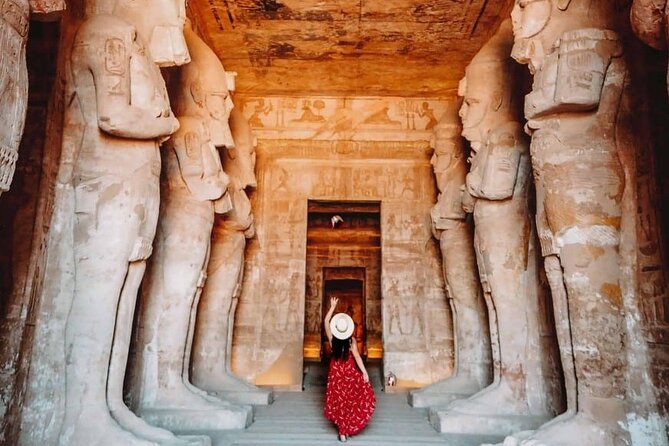
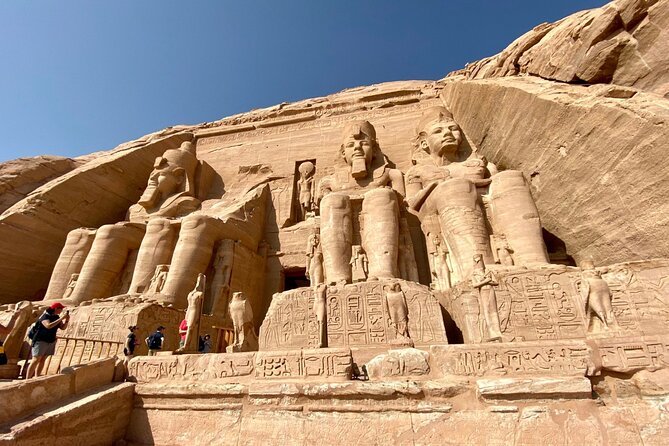
The visit centers on the temple attributed to Ramesses II, a ruler often called Ramesses the Great. The guides typically frame him as the major force behind this monument, and they connect his status to how the temple is organized and presented.
What you’ll likely notice first is the overall scale and the way the façade communicates royal power. But the value of this tour is that you’re not just staring at “big carvings.” You’re walking through a space with religious purpose and royal symbolism. If your guide explains the dedication—Ptah, Re-Her-Akhtey, Amun-Re, and Ramesses II—you’ll start reading the temple with a purpose, not just aesthetics.
Your visit to this section is scheduled as a shorter stop compared with the full complex window. That can be good. It keeps your day from turning into a blur. The trick is to keep your eyes open for the things a guide would point out: areas that look like they’re meant to impress from a distance, and sections that reward slow looking up close.
The biggest practical tip for your photos is timing and patience. Early arrival means you can take your time. Several people mention stopping for picture opportunities and even spotting desert animals during breaks, which is a reminder that the road trip moments can be part of the fun, not just the temples.
If you’re the type who likes a plan but still wants freedom, the private format is a win. You can ask questions as you go—especially during the drive, when explanations of landmarks can happen without the same restrictions as inside the temple spaces.
Nefertari’s Temple (Hathor): The One That Feels More Human
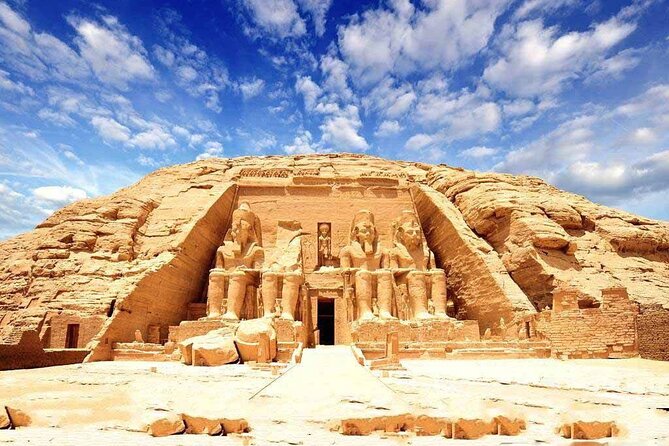
The second major stop focuses on Temple of Nefertari, also called the Temple of Hathor, associated with Nefertari as the wife of the Sun God. It’s a different vibe from the Ramesses II focus: a bit more intimate, and often easier to feel emotionally connected to because it highlights the queen rather than only the king.
Nefertari herself is presented as one of the best-known Egyptian queens, and the tour framing highlights that she was highly educated, including reading and writing hieroglyphs—something described as rare for the period. Even if you don’t go super deep into the details, that context changes how you look at the temple. You start to see the queen as a political and religious figure, not just a name on a plaque.
Because it’s a shorter portion of the total visit, you want to be ready to slow down quickly. When crowds rise, these temple moments can become a quick walk-and-photo session. When crowds stay lower (again, early departures help), you can actually take in the carvings and the atmosphere.
This is also where a guide’s walk-through matters. If your guide gives you a map or simple wayfinding—so you don’t miss sections while concentrating on photos—you’ll feel more satisfied when you leave. One account specifically notes receiving a map that helped visitors find their way around, which is the kind of small support that makes a big difference.
Guides, Drivers, and the Human Touch That Changes Everything
Here’s the truth: Abu Simbel is famous, but your day will live or die by how easy it feels. This tour’s biggest strength is the private setup, but the human side shows up in the names that keep appearing.
On the driving side, people mention guides and drivers such as Chico and Mohammed, with both praised for safe, smooth trips and for explaining landmarks along the way. Others mention Ahmad as a professional driver who made the long ride comfortable and even added thoughtful touches like recommending activities in Aswan and packing lunch.
On the guide side, Samir is mentioned as an excellent guide who explained things in detail and helped visitors move through queues more easily. Hamo appears as a helpful, kind presence in the overall experience. And Siko is praised for being gentle and very helpful.
What’s the practical takeaway? Look for the combo you want:
- a calm driver who keeps the ride manageable over hours
- a guide who turns the temples into a story you can follow
There’s also a “timing brain” element. One account credits strong time management and arriving early enough that queues were easier. That matters because Abu Simbel can feel like a rushed stop if you arrive when everything is at peak flow.
And yes, the ride itself can be fun. One driver is described as playing music in the group’s language and covering windows to avoid strong sunlight while driving across the desert. That’s not essential to seeing the temples, but it makes the long day feel less exhausting.
Price and Value: What $53 Covers and What You Should Double-Check
At $53 per person, the headline price may look simple, but the real value depends on what you include. The tour lists hotel pickup and drop-off, a private tour, private A/C transfers, and bottled water. It also notes entry fees depending on the tour options you choose, and it lists local guide at Abu Simbel as optional.
So what does that mean for you? It means you should confirm two things before you go:
- Whether your chosen option includes temple admission.
- Whether a local guide is included or optional.
One unhappy experience described confusion around admission payments at the site, which is a reminder to verify what’s in your package so you aren’t stuck sorting it out on the ground. I’d treat this as a “check once, stress never” situation.
Lunch is optional, and tipping isn’t included. That’s common for private tours, but it affects total cost. On the positive side, accounts mention lunch that was tasty, while another notes the lunch stop wasn’t quite a sit-down restaurant and they preferred a lunch box instead. Translation: if lunch matters to you, don’t assume it’s a polished restaurant experience.
Is it worth it? If you care about comfort, door-to-door pickup, and a guide-led experience that makes the temples click, then yes, this is the kind of day trip where you’re paying for less friction. If you’re traveling ultra-budget and you’d rather manage transport and admission yourself, you might find cheaper options—but you’ll trade away the ease and the private timing advantage that help you arrive with fewer crowds.
Who This Tour Suits Best (And Who Might Not Love It)
This tour is a strong match for you if:
- you want private transport from your Aswan hotel
- you value a guide-led visit at a major UNESCO site
- you want to avoid tour-bus congestion by arriving early
- you’re okay with a full day that’s heavy on driving
It’s also good for couples, small families, and small groups who want flexibility. Private means you’re not forced to follow someone else’s pace, and several people note having enough time at the temples to actually see what they came for.
It may not be ideal if:
- you’re expecting admission fees always included no matter what
- you want a guaranteed guide who talks freely inside every temple space (rules may limit this)
- you hate long rides. Even with A/C, the day is still a commitment.
The best way to think about it: this tour buys you a calmer, more organized version of the Abu Simbel trip. You still have to respect the distance and the pace of a one-day schedule.
Should You Book This Abu Simbel Private Day Trip?
If you want Abu Simbel without stress, I’d book this. The private car, hotel pickup/drop-off, and the guide-led approach are exactly what make the difference between a frantic stamp-collecting day and a visit that feels meaningful.
Two quick checks before you pay:
- Confirm whether your option includes entry fees for the temples.
- Plan for lunch as optional and flexible, not guaranteed restaurant dining.
If you can leave early and you like your Egypt days to include some real interpretation (not just photos), you’ll likely come away feeling like you got time well used.
FAQ
How long is the Abu Simbel tour from Aswan?
The tour duration is listed as about 9 hours.
Is hotel pickup and drop-off included?
Yes. The tour includes hotel pickup and drop-off within Aswan.
Is this a private tour?
Yes. It’s private, meaning only your group participates.
Is bottled water included?
Yes. Bottled water is included.
Are entrance fees included?
Entrance fees are not included, and they depend on the tour options chosen.
Is lunch included?
Lunch is optional and not included.
What time does the tour start?
The itinerary shows an 8:00 am pickup from Aswan. Some departures are described as very early in the morning.
Do I get a mobile ticket?
Yes. A mobile ticket is included.
FAQ
Is cancellation free?
Yes, the tour offers free cancellation up to 24 hours in advance for a full refund.