REVIEW · POKHARA
Pokhara Day Tour (Private car)
Book on GetYourGuide →Operated by Holyland Adventure Tours and Travels Pvt Ltd · Bookable on GetYourGuide
Sarangkot sunrise can steal the whole day. This private Pokhara car trip strings together dawn views plus some of the city’s most meaningful temples and caves. I especially like the air-conditioned private vehicle with an experienced driver, and the way the schedule balances viewpoints with a proper late-day finish at Phewa Lake.
One heads-up: it can feel more like a car-and-drop service than a guided walk-through. The driver may wait while you enter each site, so you should rely on your own curiosity (and good questions) rather than expecting a running commentary. Also, it’s a long day starting around 5:00 AM.
If you’re trying to book last minute or want fast answers, you may appreciate the communication style from the operator. For example, Arith Shrestha from Holyland Adventure Tours has been reported to confirm details on WhatsApp and check in during the day.
In This Review
- Key Points at a Glance
- How the 8-Hour Pokhara Private Car Day Really Flows
- Sarangkot Sunrise: The Main Event for Annapurna Views
- Temple Stops That Give Pokhara Its Spiritual Shape
- Caves and Davis Falls: Limestone Wonders with Religious Meaning
- Seti River Gorge and the International Mountain Museum
- Bindabasini, Peace Pagoda, Pumdikot, and Phewa Lake Boat Time
- Price and Logistics: Is $68 a Good Deal?
- Who This Tour Fits Best (and Who Should Skip It)
- What to Bring So You Don’t Waste Morning Time
- Should You Book This Pokhara Day Tour?
- FAQ
- What is the meeting point?
- What time does the tour start, and how long is it?
- Are entry fees included?
- Is breakfast or lunch included?
- What’s included in the price?
- What should I bring?
- Can I cancel for a refund?
Key Points at a Glance
- Sarangkot sunrise timing: a true early start for the Annapurna range and Pokhara Valley views
- Caves with spiritual weight: Mahendra Cave and Gupteswor Mahadev Cave are more than just geology
- Seti River Gorge and museum stop: nature views plus Himalayan mountaineering context
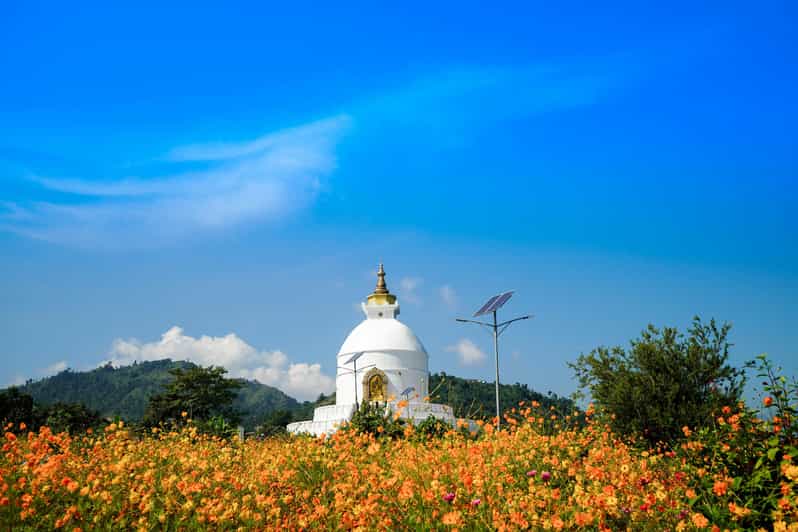
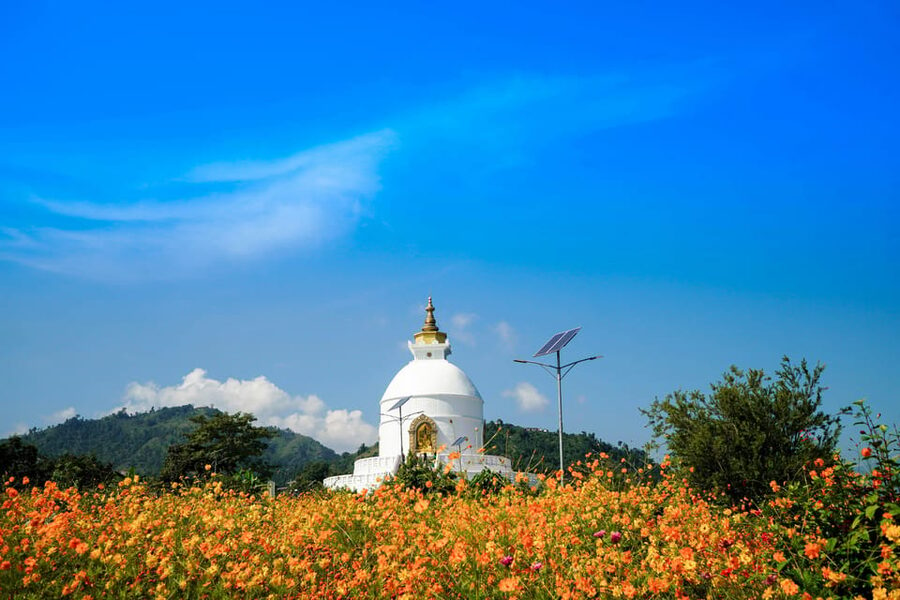
- Peace Pagoda and Pumdikot viewpoint: a scenic afternoon break with big “high ground” energy
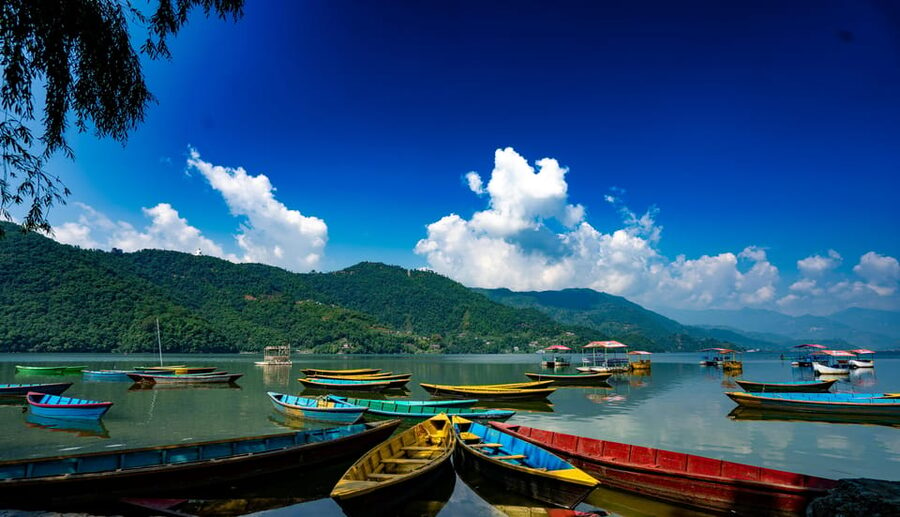
- Phewa Lake by evening: Aarati at the lakeside and a boat ride to Tal Barahi Temple
How the 8-Hour Pokhara Private Car Day Really Flows
This is an 8-hour private-car day, built around a tight sequence of Pokhara highlights. You leave early, then you’re moving most of the day—Sunrise first, then temples and caves, then museum and falls, and finally Peace Pagoda and Phewa Lake in the evening. The upside is you see a lot without negotiating buses or taxis.
The private vehicle matters here because the day mixes viewpoints (like Sarangkot and Pumdikot) with sites that are spread around town. The driver’s job is mostly driving and waiting while you explore, which keeps you flexible but also means you’re not getting a “tour guide narration” at each stop. If you want more background than what signage provides, ask your driver questions in the car while you’re traveling.
Meals are a key planning point. Breakfast and lunch aren’t included. The schedule suggests a return to your hotel area for breakfast around 8:30–9:00 AM, plus lunch or snacks later (timing can shift based on what you prefer). So come prepared with cash and your own plan for food.
Also, the order of stops is designed to keep you moving through the day with minimal backtracking. Still, traffic and daylight can affect timing, so you should expect small adjustments.
Sarangkot Sunrise: The Main Event for Annapurna Views
The day’s big moment is Sarangkot sunrise, starting with pickup around 5:00 AM and a drive to the viewpoint area. You’ll have about 5:30 AM to 7:00 AM to watch the sky and the Himalaya catch the light.
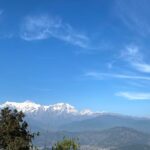
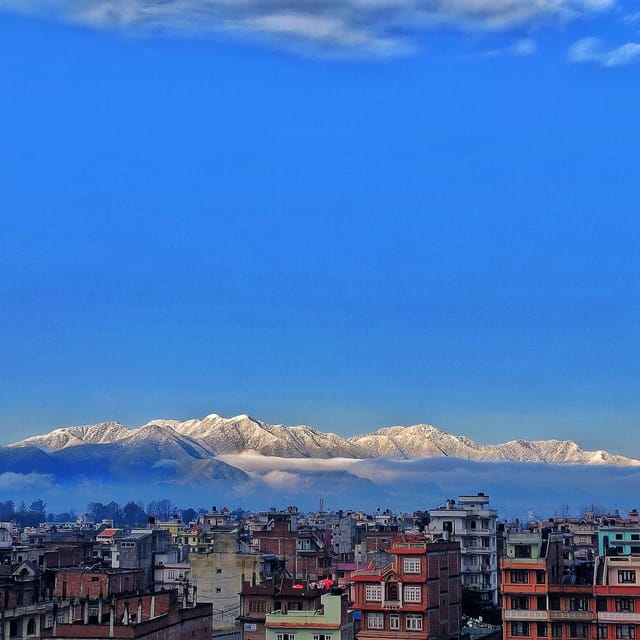
From Sarangkot, the payoff is the panoramic look over the Annapurna mountain range and the Pokhara Valley. This isn’t a quick peek; you get a real window of time to adjust your angle, take photos, and watch how the light changes. If you’re the type who enjoys quiet mornings, this is the part that feels most “worth the alarm.”
What to wear is important. Sunrise can be chilly, even in warmer months, and the day shifts from outdoors to caves and back to lakeside. Bring comfortable clothes you can layer, plus comfortable shoes you can walk in at viewpoints and uneven cave surfaces.
One more practical note: entry fees are not included, so be ready for on-site charges at paid stops. For sunrise, you may still pay small local fees depending on the area and access.
Temple Stops That Give Pokhara Its Spiritual Shape
After the sunrise, the route pivots toward Pokhara’s religious landmarks.
First is Bindabasini Temple (around 7:30–8:00 AM, with about an hour there). This is a meaningful early stop because it anchors the day in local practice rather than only sightseeing. You’ll see worshippers moving through a space where religion is part of daily rhythm, not an attraction performed on cue.
Later you’ll hit two more big spiritual and scenic points:
- Pumdikot Shiva Statue: paired with a short stop and views from the hillside area.
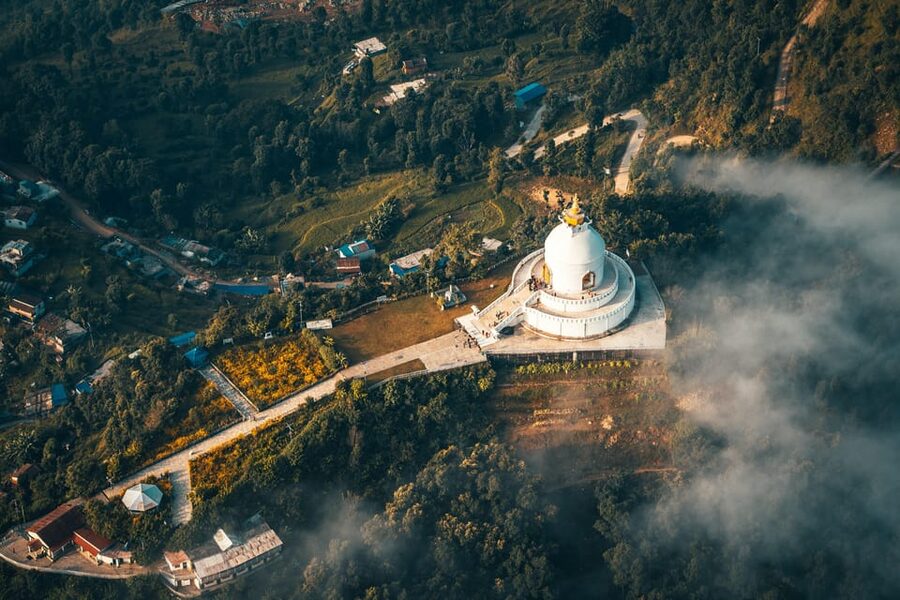
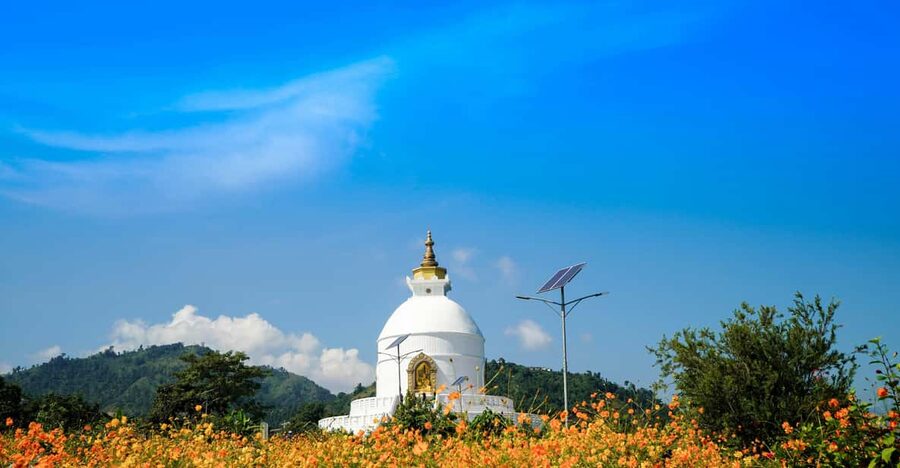
- World Peace Pagoda (Peace Pagoda): a viewpoint-style visit in the afternoon, followed by a drive to a scenic overlook at Pumdikot.
And then there’s the late-day lakeside worship moment:
- Aarati ceremony at Phewa Lake, plus time for the boat ride.
One reason I like structuring the day this way is mood control. You start with quiet dawn views, you get grounded in temple spaces, and you end with a moving, communal ritual on the lake. It turns the day from a checklist into a story of place.
Caves and Davis Falls: Limestone Wonders with Religious Meaning
Pokhara’s famous natural sights show up in the middle of the day, and this part is where the itinerary gets interesting fast—because caves aren’t just “rooms in the rock.” They carry religious significance and a different sense of scale.
You’ll visit:
- Seti River Gorge first (around 10:00–10:30 AM). The Seti River cuts through a dramatic gorge, with views that look almost carved on purpose. On request, there’s also the option to stop at the Seti River Hanging Bridge, if time and your preferences allow.
- Mahendra Cave (around 11:00–11:30 AM, about an hour). This is described as a popular limestone cave with fascinating formations. Caves tend to stay cooler than the outside air, so dress accordingly.
- Gupteswor Mahadev Cave (around 2:20–3:00 PM, about 45 minutes). This one matters because it’s sacred, with natural rock formations tied to religious meaning.
Then the itinerary swaps limestone darkness for a water spectacle:
- Davis Fall (around 2:00–2:15 PM). You’ll spend about 30 minutes here. The key detail is the underground tunnel running beneath it, which adds a sense of mystery. Bring your eyes and your camera—just keep a safe distance where viewing gets crowded.
Important caution: caves are not for everyone. This experience is not suitable for people with claustrophobia and it may also be challenging for people with mobility issues or respiratory concerns, since cave areas can be tight and darker than expected.
Seti River Gorge and the International Mountain Museum
Between caves and waterfalls, you get one of those stops that turns “pretty scenery” into “why Nepal does what Nepal does.”
You’ll explore the International Mountain Museum for about 11:00 AM–1:30 PM in the wider time block (the schedule places it after Mahendra Cave). The museum showcases cultural and mountaineering history of the Himalayas. Even if you’re not a hardcore climber, it helps you connect the names you’ve seen in guidebooks to the people and traditions behind them.
Then it’s back outside for Seti River Gorge. I like this pairing because it balances perspective: museum gives context, gorge gives raw sightlines. If you’re the kind of traveler who wants more than a photo, this section delivers.
If you’re short on time, you can still move through the museum at a pace that feels doable, but it’s one of those places where slowing down by even 10 minutes makes a difference.
Bindabasini, Peace Pagoda, Pumdikot, and Phewa Lake Boat Time
The afternoon and evening are all about height, then water.
Around 4:00–5:00 PM, you’ll head to the Peace Pagoda for a brief visit, then continue to Pumdikot for a scenic viewpoint. This is your “stand back and breathe” portion of the day. You’ve already been in caves and around crowds, so viewpoint time can feel like a reset.
Then comes the big evening finish:
- Phewa Lake (around 5:30 PM)
- Aarati ceremony at the lakeside
- A boat ride to Tal Barahi Temple, which sits in the middle of Phewa Lake
The lakeside timing matters. Later-day light makes the water feel calmer and the temple story easier to absorb. The Aarati adds movement and local meaning, so it’s not only sightseeing from shore.
If you enjoy cultural moments, this is one of the better ways to end a Pokhara day. You go from stone caves to spiritual water worship—same religion vibe, different setting.
Price and Logistics: Is $68 a Good Deal?
At $68 per person for an 8-hour private car, this is built for value through efficiency. You’re paying for transport that connects multiple sites without the stress of switching rides or lining up public transit.
What you get included:
- Pickup and drop off
- Pokhara sightseeing
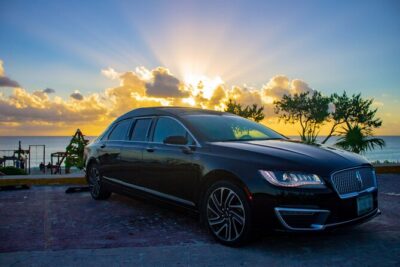
- Air-conditioned private vehicle
- Experienced driver
- All applicable taxes
What you should plan separately:
- Entry fees (not included, payable on-site)
- Breakfast and lunch (and no dinner)
So the real comparison isn’t just the $68. It’s $68 plus whatever entry costs you run into and whatever you spend on food. Even so, for a day that covers a sunrise viewpoint, multiple caves, Davis Fall, museum, Peace Pagoda, and Phewa Lake, it can still feel like smart money—especially if you’re traveling with someone and splitting the cost of private transport.
One logistics note from how the day can run: because the driver may wait while you go inside each place, you’ll spend time outside your vehicle, but you’re not guaranteed commentary. If you want more information, ask for it. If you want a more guided experience, you may want to book a tour that includes a dedicated walking guide.
Who This Tour Fits Best (and Who Should Skip It)
This private-car Pokhara day works best if you:
- want a one-day hits-most approach to major highlights
- feel comfortable walking at temples, viewpoints, and cave areas
- can handle an early wake-up (around 5:00 AM)
- don’t need a step-by-step guide at every stop
It’s not suitable for many common situations, including:
- back problems or recent surgeries
- wheelchair users and people with mobility impairments
- people with claustrophobia or who may struggle in enclosed spaces (caves)
- people with heart problems, high blood pressure, or respiratory issues
- people with motion sickness
- people over 220 lbs (100 kg)
If any of those apply, choose a gentler itinerary. Pokhara has plenty that stays easier on the body and nerves.
What to Bring So You Don’t Waste Morning Time
This is a practical day, so pack for mixed conditions:
- Comfortable shoes
- Water
- Comfortable clothes (you’ll shift from cool morning viewpoints to warmer midday areas)
- Cash for entry fees and your meals
- Camera (you’ll want it for Sarangkot, Davis Fall, and the lake)
Also, no smoking in the vehicle and no alcohol or drugs, per the tour rules.
If you’re sensitive to tight spaces, skip the cave stops rather than bargaining with your comfort level. The itinerary includes both Mahendra Cave and Gupteswor Mahadev Cave, and caves are where discomfort can snowball.
Should You Book This Pokhara Day Tour?
Book this tour if you want maximum Pokhara coverage in one day with the ease of a private car and air-conditioning, and if you’re excited by sunrise views, caves with religious meaning, and an evening finish at Phewa Lake. It’s especially worth it when you’re traveling in a small group or you dislike the hassle of coordinating multiple transport legs.
Skip it if you want a truly guided, talk-all-day experience, because the setup can feel closer to shuttle-and-wait than guided walking tours. Also skip cave-heavy plans if you’re claustrophobic or dealing with health concerns like high blood pressure, respiratory issues, heart problems, or mobility limits.
FAQ
What is the meeting point?
The meeting point is Pokhara Lakeside. You should share your street number and hotel name for pickup.
What time does the tour start, and how long is it?
You depart from your hotel at about 5:00 AM, and the total duration is 8 hours.
Are entry fees included?
No. Entry fees are not included and are payable on-site.
Is breakfast or lunch included?
Breakfast and lunch (and dinner) are not included. The schedule suggests you may return to your hotel for breakfast around 8:30–9:00 AM, and you’ll have time for lunch or snacks later.
What’s included in the price?
The price includes pickup and drop off, Pokhara sightseeing, an air-conditioned private vehicle, an experienced driver, and applicable taxes.
What should I bring?
Bring comfortable shoes, water, comfortable clothes, and cash.
Can I cancel for a refund?
Yes. You can cancel up to 24 hours in advance for a full refund.