REVIEW · INTERLAKEN
Interlaken: Highlights Tour with a Local by Private Car
Book on GetYourGuide →Operated by Suisse Plus Travel · Bookable on GetYourGuide
A mountain day, paced by locals. This Interlaken highlights private car tour is a smart way to see big-name places and lesser-easy-to-find spots without feeling rushed, and I like the balance of famous sights like Trümmelbach Waterfalls plus roads locals actually drive, like the Grimsel Pass. One catch: some top viewpoints are marked with and aren’t reachable by car, so you’ll need train or cable car tickets you buy separately.
The best part is that you’re not stuck with a rigid route. Your guide maps out a customizable itinerary, then uses hotel pickup/drop-off and comfortable car time to stitch together the day—rain or shine.
In This Review
- Key points that make this Interlaken highlights tour worth planning
- Why a private car day works so well in the Bernese Oberland
- Interlaken as your starting line: town, lakes, and panoramic edges
- Grindelwald and Lauterbrunnen: the valley vibe, minus the hassle
- Trümmelbach Waterfalls: when nature is inside the rock
- Wengen, Kleine Scheidegg, and Jungfraujoch: pick your height level
- Pass roads that feel like you’re driving like a local
- From castles to bridges: smaller stops that add up
- Schynige Platte, Grütschalp, and Schilthorn: choosing your rail and cable moments
- Water, gorge, and glacier-style scenery: Gelmersee, Trift, and Aare time
- Lake Lungern and Giessbach Waterfalls: a gentler middle-to-late day
- How the guide keeps it personal (not cookie-cutter)
- Price and value: what $549 per person really buys
- Rain or shine: how to plan your day so you don’t feel trapped
- Who this tour fits best
- Should you book this Interlaken Highlights Tour with a Local by Private Car?
- FAQ
- How long is the Interlaken Highlights Tour?
- Is this tour private?
- What parts of the tour are accessible by car?
- Are tickets for cable cars, trains, or attractions included?
- Does the tour include food and drinks?
- What languages are available for the live guide?
- Will the tour run in bad weather?
- Can the itinerary be customized?
- What happens if my guide language isn’t available for a late booking?
- What is the cancellation policy?
Key points that make this Interlaken highlights tour worth planning
- Unlimited km included so you can focus on time at stops, not clock-watching the drive
- Fully customizable itinerary lets you trade a viewpoint for a longer lunch view
- Road-trip access to major valleys like Lauterbrunnen and Interlaken without multiple transfers
- A mix of car and rail/cable stops for stars like First, Schilthorn, and Jungfraujoch
- Local guide storytelling on Swiss culture and regional history, in the moment
- Private format that helps your day feel paced, not shoehorned
Why a private car day works so well in the Bernese Oberland
In the Interlaken region, the scenery is the whole point, but getting from A to B can eat your energy. This tour’s value is that it gives you a driver and guide plus hotel pickup and drop-off, so you can spend your mental bandwidth on views and photo stops, not schedules.
I also like that it’s designed for short-time efficiency. In a 3–10 hour window, you can cover classic valleys and waterfalls, then add a pass road or a less-easy-to-find stop when the timing feels right.
The tour is rain or shine, which matters here. Even if visibility isn’t perfect, waterfalls and valleys still feel dramatic, and your guide can adjust the day on the fly.
Interlaken as your starting line: town, lakes, and panoramic edges
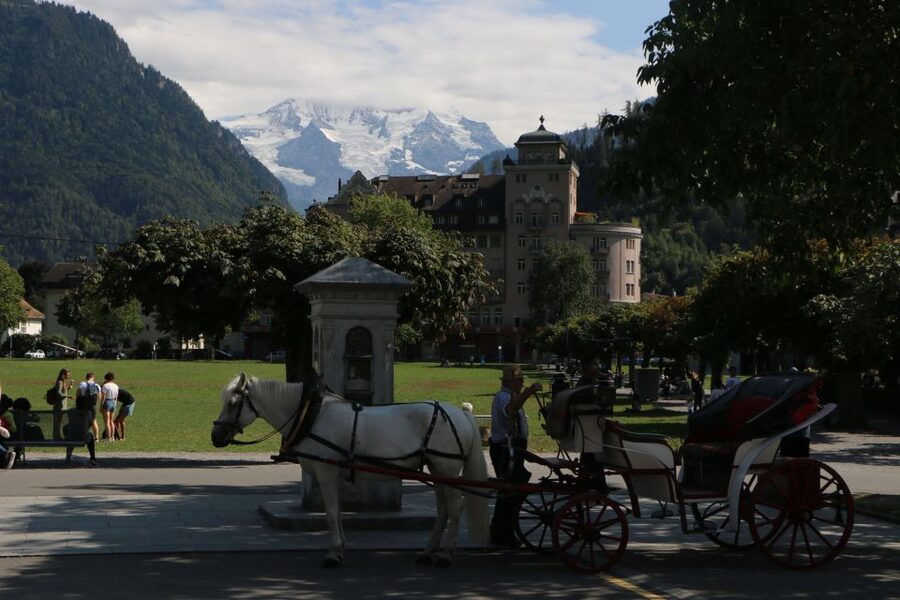
Most days begin in Interlaken, which is a useful base because you can branch out in multiple directions quickly. You can spend time in Interlaken town, then stack in lake time depending on what you want more—villages, viewpoints, or water.
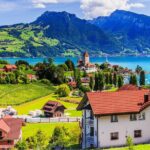
The lakes option is strong: you might include Lake Thun and Lake Brienz, plus calmer-photo stops like Iseltwald (known as a filming location for Crash Landing on You). If you’re traveling with people who don’t want constant steep walking, lake breaks make the route feel less intense.
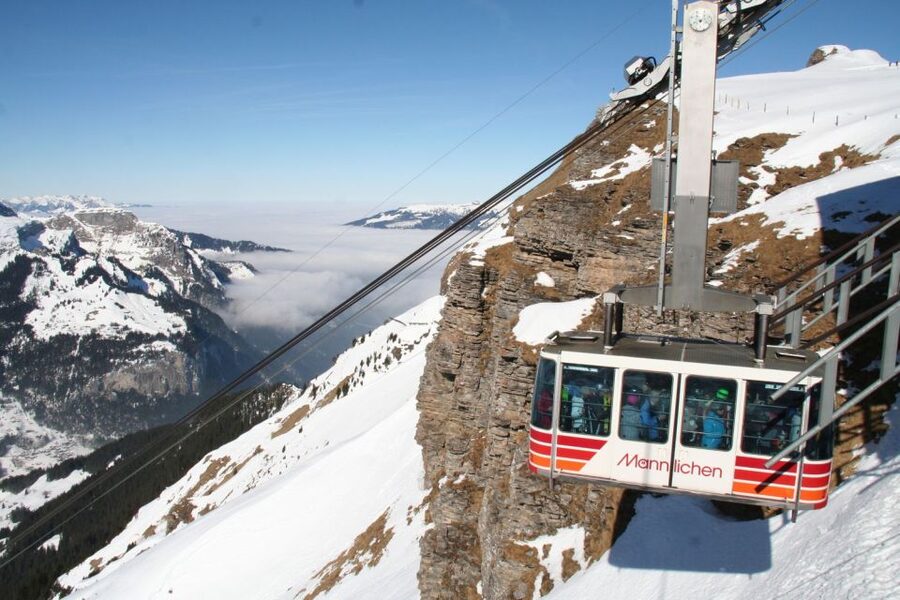
You can also add viewpoint time such as Harder Kulm. Just note the asterisk: it’s a “star” stop that you reach by train or cable car, not by car. Tickets are not included, so plan a little budget and time for the transfer.
Grindelwald and Lauterbrunnen: the valley vibe, minus the hassle
If you want that postcard Bernese Oberland feeling, Lauterbrunnen and Grindelwald are the center of it. You’ll likely spend time in Lauterbrunnen Village, see Staubbach Falls, and connect the dots between villages with your car.
Grindelwald is another key stop. You can visit Grindelwald village, then decide how far you want to go toward viewpoints like Grindelwald First. That matters: you won’t drive up there, so you’ll switch modes—usually rail/cable—while your guide handles the timing.
One thing I like about this private format is pacing. It’s built for stopping enough to actually enjoy a place, not just “drive-by-check.”
Trümmelbach Waterfalls: when nature is inside the rock
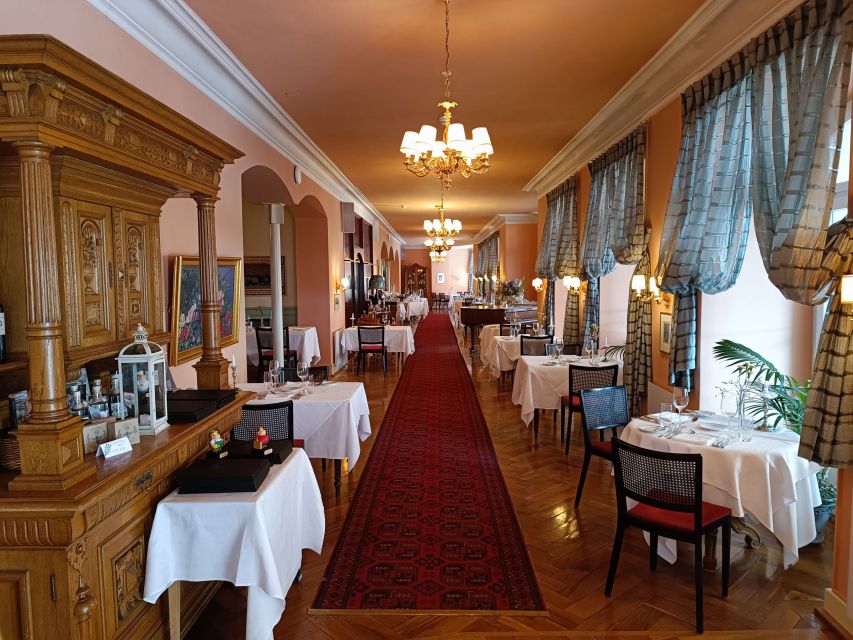
Trümmelbach Waterfalls are one of those stops that feels different from the usual “walk to a waterfall” experience. Here, the water drops through the rock system, so the whole place feels more enclosed and dramatic than you might expect.
This is exactly the kind of attraction that benefits from a guided plan. Your guide can steer you toward the right timing and help you connect the falls to the rest of the day so you’re not losing time later.
It’s also an easy win on a tight itinerary. You get a memorable hit of scenery without adding a bunch of extra transfers.
Wengen, Kleine Scheidegg, and Jungfraujoch: pick your height level
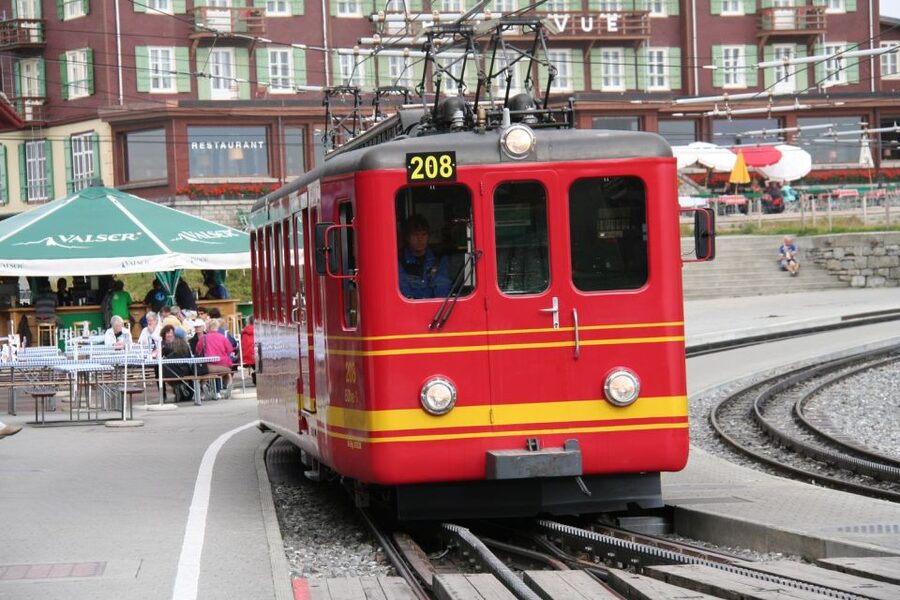
This tour can include the famous Wengen/Kleine Scheidegg/Jungfraujoch area, but it’s not a “one-size-fits-all” decision. Since these are stops, they require train or cable car travel, and tickets are not included.
In practice, you’ll want to treat Jungfraujoch-style options like a trade-off. If you add it, you give up time for other villages or pass roads. If you skip it, you can still get huge valley views and waterfalls with less ticket time.
One review highlights this exact choice: they skipped Jungfraujoch and felt happy with the swap. That’s a smart reminder that “doing everything” isn’t always the best way to enjoy the Alps.
Pass roads that feel like you’re driving like a local
The tour isn’t only about the headline stops. A big part of the appeal is adding road travel that gives you that “why didn’t I see this on my own” feeling.
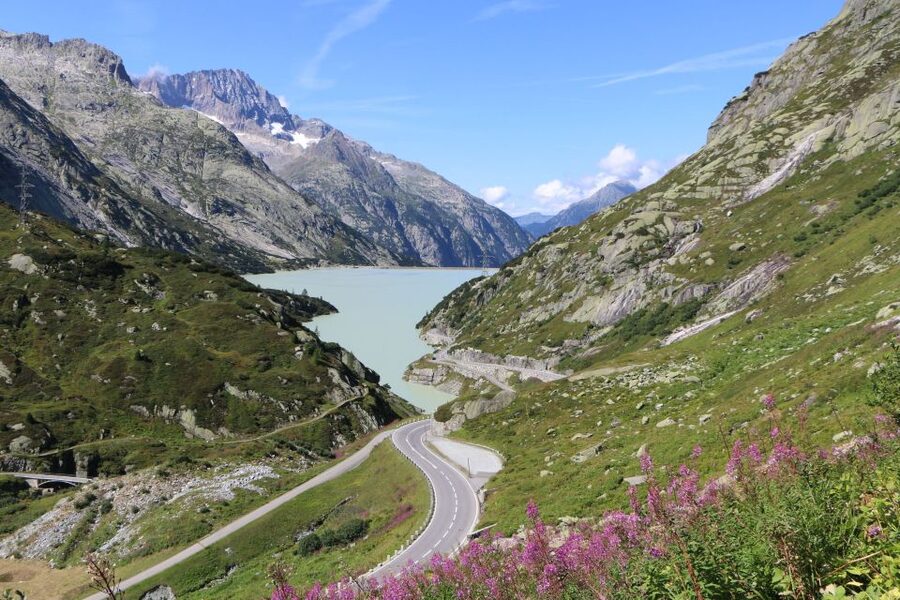
One signature option is the Grimsel Pass road, listed as a hidden-secrets-style add-on. Another is Susten Pass road, plus other road-and-view experiences that can fit depending on your day length.
These pass roads are where you feel the difference between a tourist bus loop and real driving routes. The car makes it possible to move between valleys efficiently, while your guide can time the trip so you’re not just inching from one viewpoint to the next.
From castles to bridges: smaller stops that add up
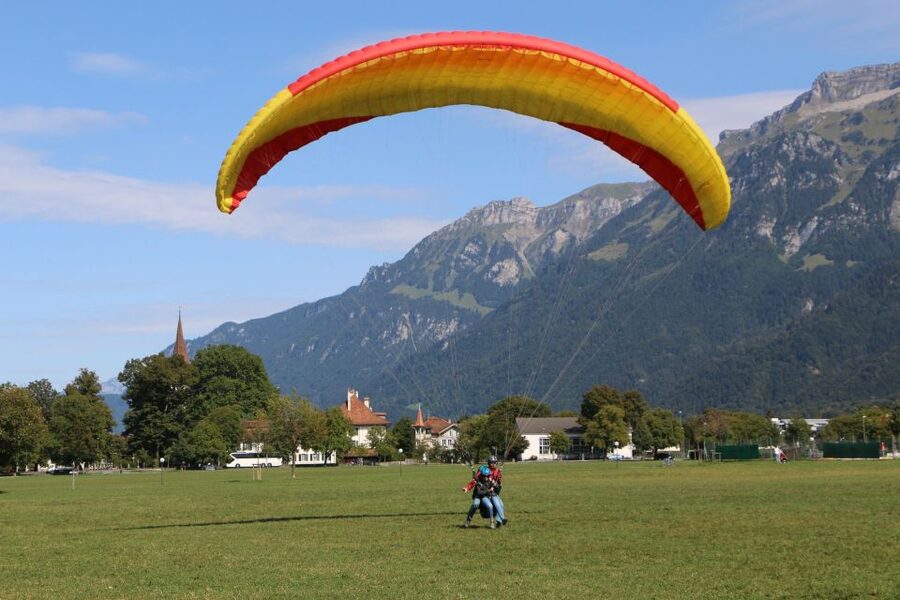
Not every highlight is a major attraction. Some stops are short but satisfying because they change the mood of the day.
You might include Oberhofen Castle, Spiez (and Spiez Castle), or Niesen (another viewpoint that needs train/cable). If you like the idea of a quick “wow” without committing to a full day of rail transfers, these work well.
There are also bridge and viewpoint options such as Sigriswil Panoramic Bridge. These tend to give you that “one good photo, then a calm moment” rhythm.
Schynige Platte, Grütschalp, and Schilthorn: choosing your rail and cable moments
Several of the top scenic spots on this tour are marked with an asterisk, meaning they’re not car-accessible and require train or cable cars. Examples include Schynige Platte, Grütschalp, and Schilthorn.
That’s not a problem—just a planning point. Tickets for these rail/cable rides aren’t included, so you’ll want to have a realistic budget and be ready to adjust timing based on what you buy.
Also, this is where your guide’s “local feel” really matters. They’ll help you choose which stars fit your interests and how long you should spend, so you don’t blow your best light hours waiting in the wrong place.
Water, gorge, and glacier-style scenery: Gelmersee, Trift, and Aare time
If your group wants more action than photo overlooks, you’ve got options.
The itinerary may include Aareschlucht (Aare Gorge), a classic for dramatic river carving. It can add energy to the day, especially if you’ve already seen a couple of villages and need something with motion.
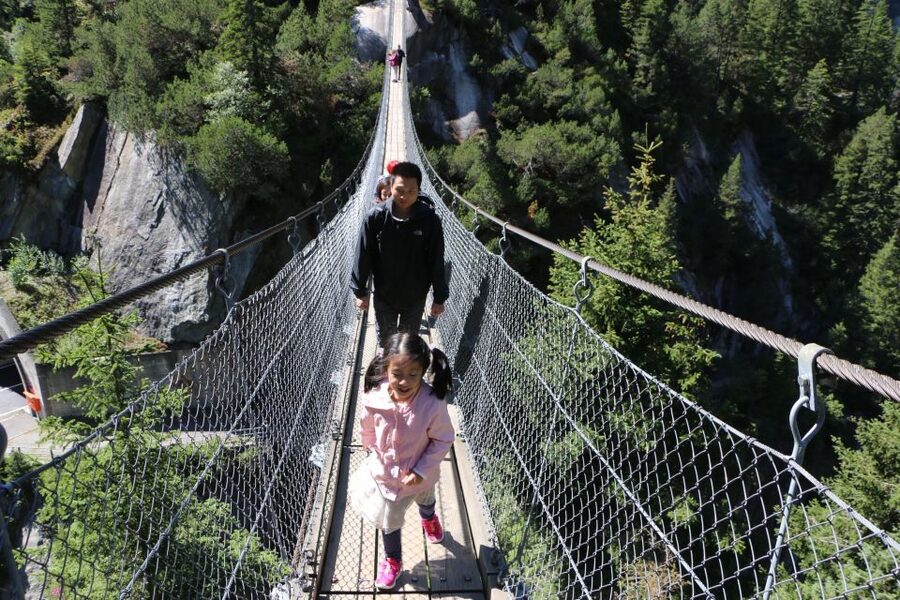
For glacier-and-water vibes, you might add Gelmersee Lake or Trift Bridge and Trift Glacier (again, means train/cable). These stops tend to be “worth the effort” because they feel like a shift in scenery style, not just another viewpoint.
And if you like the “big Swiss day trip” feel, this is where the driving plus rail/cable mix becomes a feature, not a hassle.
Lake Lungern and Giessbach Waterfalls: a gentler middle-to-late day
By the later hours, a lot of people appreciate a change in tempo. Two options fit that better mood.
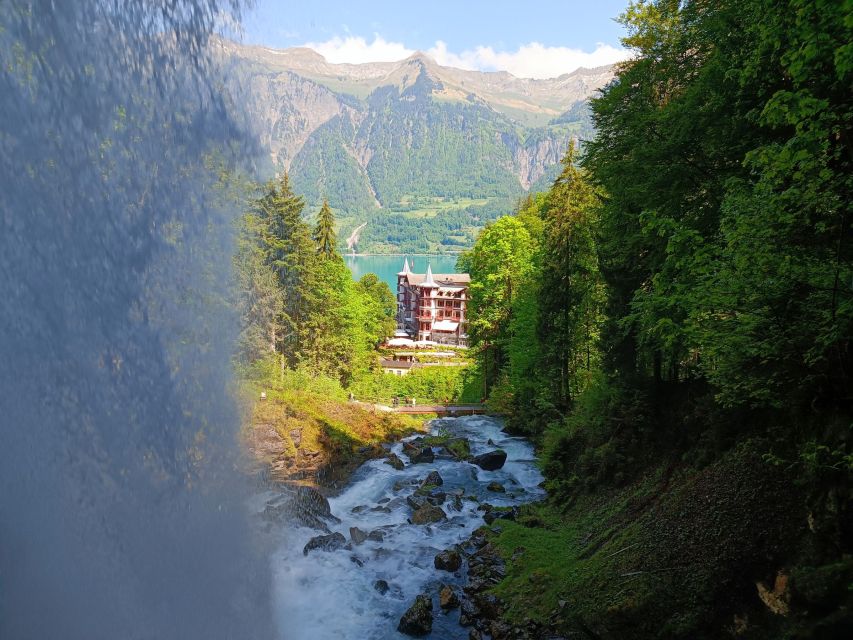
Lake Lungern is a calm stop you can pair with scenic roadside moments. Then there’s Giessbach Waterfalls and Grandhotel Giessbach, which adds an elegant historic feel around the waterfall setting.
These are the kinds of stops that help you avoid the “all adrenaline, no recovery” problem on a short schedule. With a private guide, it’s easier to pick how long you want to linger.
How the guide keeps it personal (not cookie-cutter)
The tour is only as good as the person behind the wheel and at the front of the story. Here, that’s a local driver and guide (Swiss or expat), and the plan can be tailored to what you care about.
One review called out an especially professional guide, plus a relaxing structure where they weren’t rushed. Another mentioned the day’s pace felt comfortable because the group had time in each location and still made it back in the evening without feeling wiped out. They also noted an authentic Swiss lunch with a view, which is exactly the kind of detail that turns a tour from “sightseeing” into an actual day.
That same relaxed pacing is also where the Mercedes car comfort came up. When you’re doing multiple valleys, a comfortable ride isn’t a luxury. It’s part of keeping you fresh.
A named guide also appeared in feedback—Gavin—and that’s a good sign that the operator is assigning guides who can run the day smoothly.
Price and value: what $549 per person really buys
At $549 per person for 3–10 hours, this is not the cheapest way to “do Interlaken.” The question is whether you’re buying time, coordination, and comfort.
Here’s what your price includes:
- a local tour guide and driver
- hotel pickup and drop-off
- itinerary planning, since the route is fully customizable
- VAT and all taxes
- unlimited km of driving
What’s not included is also important:
- food and drinks
- tickets for public transport (used for the stops) and entry fees for attractions that charge
So the value math is simple. If you want a packed route with minimal hassle, and you’re okay paying for coordination, this makes sense. If you’re traveling as a solo budget traveler and you can handle trains yourself, you might prefer self-guided routes. The private format is doing the heavy lifting here.
Rain or shine: how to plan your day so you don’t feel trapped
Because it runs rain or shine, you’ll want to show up ready for quick changes. Bring layers you can adjust fast and shoes that work on wet ground near waterfalls and gorge-style stops.
Also, remember the stops. If visibility is bad, your guide may shift the day so you’re not spending all your time traveling to a viewpoint that’s wrapped in cloud. That flexibility is the point of hiring a human plan.
Finally, pick your “must-do” early. Tell your guide which sight you’d regret missing, then leave the rest open for smart trades based on time and weather.
Who this tour fits best
This is a great match if:
- you want maximum scenery coverage in a short window
- you prefer a private approach over group shuttles
- you like mixing “big hits” with less-easy-to-find road stops
- you want local context and smoother timing between valleys
It’s also a good choice for people who don’t want to constantly reorganize tickets and connections. The tour handles the sequencing with car access and rail/cable add-ons where needed.
Should you book this Interlaken Highlights Tour with a Local by Private Car?
If you’re coming to the Bernese Oberland for a limited time and you want to feel like you’re moving with confidence, I’d book it. The big reason is the combination of private car efficiency and a guide who can build the day around your priorities.
I’d hesitate only if you’re determined to keep strict control over every single ticket purchase and you’re okay building your own routing from scratch. The tour’s cost is easier to justify when you value stress-free logistics and a flexible itinerary.
If you do book, spend a minute planning your priorities before pickup. Choose the one or two starred viewpoints you most want, then let the guide shape the rest of the day around what makes sense.
FAQ
How long is the Interlaken Highlights Tour?
The tour duration is listed as 3 to 10 hours, depending on the package you book.
Is this tour private?
Yes. It’s described as a private group experience with a local guide and driver.
What parts of the tour are accessible by car?
Many stops are accessible by car, but sights marked with an asterisk () are not accessible by car. Those require train or cable car, and tickets aren’t included.
Are tickets for cable cars, trains, or attractions included?
No. Tickets for public transport (like cable cars or trains used for stops) and entry fees for attractions that charge are not included.
Does the tour include food and drinks?
No. Food and drinks are not included.
What languages are available for the live guide?
The guide is listed as available in English, German, French, Italian, Chinese, Vietnamese, and Spanish.
Will the tour run in bad weather?
Yes. The tour takes place rain or shine.
Can the itinerary be customized?
Yes. The tour includes itinerary planning and is fully customizable, with sightseeing points agreed upon in advance or discussed when you meet.
What happens if my guide language isn’t available for a late booking?
For very late bookings (1 day before the tour), the provider can’t always guarantee the chosen language. If that language isn’t available, you’ll get an English-speaking guide instead.
What is the cancellation policy?
It offers free cancellation up to 24 hours in advance for a full refund.