REVIEW · HUE
Hue DMZ Half or Full Day Transfer Trip from Hue or Phong Nha
Book on Viator →Operated by Adventure Journey · Bookable on Viator
A DMZ drive can feel like a history lesson. This private transfer turns the long road north of Hue into a choose-your-own route through the Vietnam War landscape, with classic stops such as Hien Luong Bridge and Vinh Moc Tunnels. I like the private vehicle comfort and the way you can shape the day around what you care about. I also like that the driver speaks basic English and can explain what you’re seeing. One thing to consider: entrance fees are not included, so the day can cost a bit more once you pick your sights.
If you’re starting in Hue, the driver picks you up from your hotel and sets off toward the DMZ area, about 100 kilometers north of Hue. If you’re starting in Da Nang, pickup is offered from your desired location there, and the route can include major road highlights on the way. Either way, this is built for you as a group, not a crowded shuttle with forced time-boxes.
The experience runs about 6 to 10 hours depending on half-day or full-day options and which sights you choose. You’ll have the convenience of fuel, parking during sightseeing transfers, and an air-conditioned vehicle, but you’ll need to plan for tickets and the extra cost of a formal guide if you want one.
In This Review
- Key things that make this DMZ transfer work
- Turning a road trip into a real DMZ day
- Half-day vs full-day: how to pick the right pacing
- Private car comfort: what you’re really paying for
- Pickup and route choices: starting in Hue or starting in Da Nang
- Hien Luong Bridge: the boundary you can understand in minutes
- Ben Hai River: the DMZ geography you feel more than you read
- Vinh Moc Tunnels: survival under the bombing
- Rockpile Hill and Khe Sanh: the battle view
- Scenic add-ons: Lang Co Beach and Elephant Springs
- The driver factor: why explanations can be the best upgrade
- Price and value at $45 per person
- Who this DMZ transfer is best for
- Should you book this Hue DMZ transfer?
- FAQ
- What is the duration of the Hue DMZ transfer?
- Is pickup included?
- Is the tour private?
- What’s included in the price?
- Are entrance tickets included?
- Do I need a tour guide?
- What is the cancellation policy?
Key things that make this DMZ transfer work
- Private car comfort so you can move at a pace that fits your group
- Flexible sightseeing choices along the route, including beach and waterfall options
- Hien Luong Bridge + Ben Hai River context near the historic 17th parallel line
- Vinh Moc Tunnels showing how civilians survived under intense bombing
- Khe Sanh Combat Base as a museum-style stop if you want the bigger battle picture
- Driver explanations like Rin, who can add extra stops when the route allows
Turning a road trip into a real DMZ day
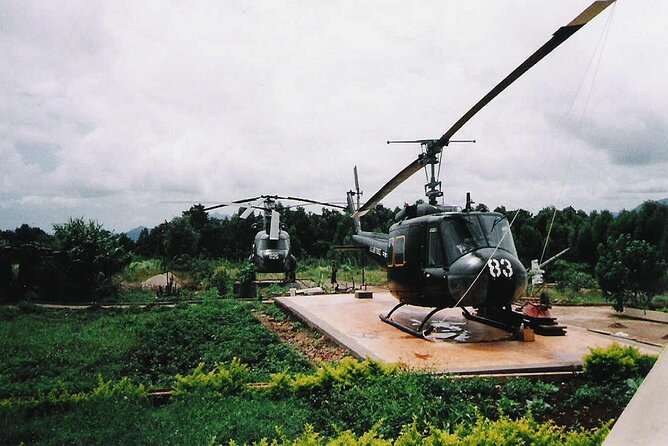
This isn’t just a transfer from point A to point B. It’s a guided-by-choice experience where the vehicle is the backbone and the sights are the payload. The “value” here is that you get to control how much war history you want, without sacrificing comfort on a long drive.
The DMZ itself runs east-west across central Vietnam and stretched over 100 kilometers during the conflict. The area you’re headed toward sits roughly 100 kilometers north of Hue. That geography matters because distances in Vietnam are big. If you try to DIY this route, you end up spending brainpower on timing, transport changes, and negotiating rides. With a private vehicle and a driver who knows the route, you’re free to spend your energy on what you came for: the places, the meaning, and the stories that connect them.
You also get to treat the day like a journey, not an errand. The transfer can include stops such as Hai Van Pass if your pickup is in Da Nang, plus scenic add-ons like Lang Co Beach and Elephant Springs along the way. That mix helps if you’re traveling with someone who wants history, but also wants a break from heavy themes.
Half-day vs full-day: how to pick the right pacing
The listing offers half or full-day options, with total duration stated as about 6 to 10 hours. The exact stops depend on the option you choose, but the overall idea stays the same: you’ll visit key DMZ sites, then move on safely back through the region until you’re dropped where the plan allows.
Here’s how I’d decide:
- If you’re short on time or new to the topic, choose the shorter option and focus on the most “readable” stops: Hien Luong Bridge and Vinh Moc Tunnels tend to hit hard because they show the boundary and the survival story.
- If you really want the broader war arc, choose the full-day option and expect more than one major site. That’s where places like Rockpile Hill and Khe Sanh Combat Base can fit.
Your biggest pacing lever is your group. If you’re traveling with older parents, a long full-day can still work, but you’ll want to keep entrance-ticket stops tight and avoid adding too many “maybe we’ll see it” detours. If your group moves fast and likes museums and outdoor viewpoints, full-day is the better match.
Private car comfort: what you’re really paying for
At $45 per person, the “what you’re paying for” is clear: you’re buying a fully private vehicle (air-conditioned) with fuel and parking handled during sightseeing transfers. You’re also paying for an experienced driver with basic English.
That last part matters. In this part of Vietnam War geography, the meaning of what you see isn’t always obvious from the signs. A driver who can explain in basic English helps you connect the dots without needing a full guide.
Another value point: this is limited to just your group. That sounds like a small detail, but it changes everything about how the day feels. You’re not waiting on other people’s pace or trying to fit everyone into the same photo schedule. It’s easier to pause for a viewpoint, skip a stop that doesn’t interest your group, or linger a bit if something hits emotionally.
One practical note: entrance tickets are not included. So when you plan your budget, treat the car price as the base cost for transport and driver time, then add tickets once you decide which sites you want to enter.
Pickup and route choices: starting in Hue or starting in Da Nang
This transfer is designed with flexibility in pickup points. If you’re in Hue, the plan is hotel pickup in the city. If you’re starting in Da Nang, pickup is offered from your desired location.
I like this approach because it matches how people actually travel through central Vietnam. Some itineraries start in Hue and go north. Others start in Da Nang or Hoi An and then work their way up. Either way, you’re not forced into an awkward detour to reach a departure point.
If your route includes the Hai Van Pass area, it adds a different kind of interest. You’re still traveling north toward the DMZ, but you get a scenic “transition moment” between coastal Vietnam and the more war-shaped landscapes further inland.
Hien Luong Bridge: the boundary you can understand in minutes
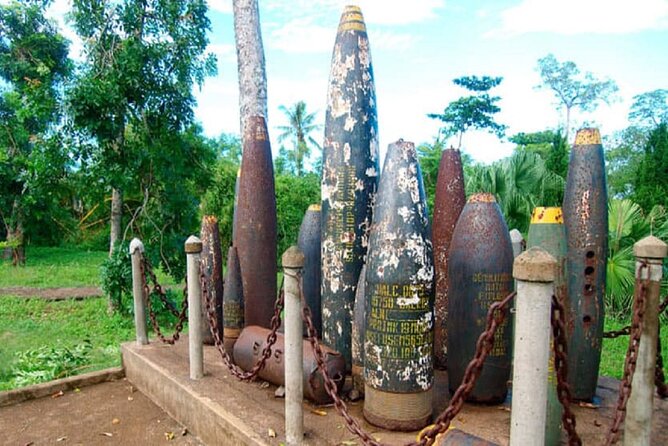
One of the most iconic stops on the DMZ route is Hien Luong Bridge (Cầu Hiền Lương). It crosses the Ben Hai River area near the historic 17th parallel line. This matters because the DMZ story isn’t abstract here. You can stand in the same corridor where the boundary between North and South Vietnam existed from 1954 to 1975.
Why this stop works for first-timers:
- It’s visual. A bridge + river gives you a shape for the boundary line.
- It’s explained fast. Even with basic English, the “why this place” part is easy to grasp.
- It connects to other stops. When you later see tunnels and combat-related sites, the boundary context makes them feel less random.
The possible downside is also simple: it can become just “a place to look” if you don’t ask questions. On this kind of visit, your best move is to prompt the driver with direct questions like what they want you to notice or how the river area was used. With a basic English driver, you’ll still get a lot—especially if you’re curious.
Ben Hai River: the DMZ geography you feel more than you read
The DMZ ran along the Ben Hai River for much of its length, and the river is part of why this region is so strongly tied to the conflict timeline. The river system here is described as roughly 100 kilometers total, with a wider section and different names in different parts of the mountains.
You don’t need to memorize geography to appreciate the stop. The real value is the mental map it gives you. When you stand near the river corridor, you understand how a natural feature could serve as a boundary and staging line.
If you like photo stops, this is also a good place for it. If you prefer museums, you might want to spend less time here and focus your attention on the underground and museum-style sites next. The nice part is that the transfer format allows you to choose based on your group’s style.
Vinh Moc Tunnels: survival under the bombing
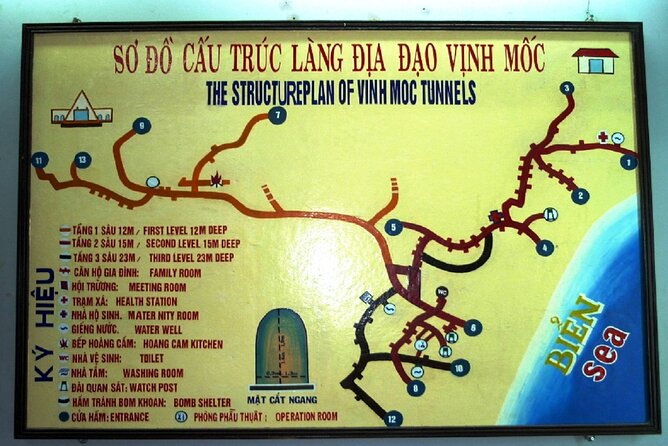
Vinh Moc Tunnels (Địa Đạo Vịnh Mốc) are the stop that often makes the strongest impression because they show what life meant in a border zone. These tunnels were built for shelter during the American War period, when the region was heavily bombed. They’re described as a strategic tunnel complex located along the border of North and South Vietnam.
What makes the tunnels particularly valuable on a half-day or full-day plan is that they change your perspective. Above ground, you see landscapes. Underground, you see the human response: hiding, living, and enduring when the threat is constant.
Practical consideration: tunnels often mean stairs, uneven ground, and confined spaces. I’d plan to wear comfortable shoes and keep your expectations flexible. Even if you don’t love this kind of site, it’s one of the clearest ways to understand why the DMZ mattered so much beyond politics.
If your group likes detailed storytelling, this is where you’ll want your driver’s explanations. A driver with basic English can still help you connect the tunnels to the broader boundary idea you saw at Hien Luong Bridge.
Rockpile Hill and Khe Sanh: the battle view
If you choose the option that includes more stops, you may visit Rockpile Hill, also known locally as Mot Mountain. During the Vietnam War, it was used as a watchtower by US forces to observe activity of the Vietnam People’s Army in the DMZ area from about 1966 to 1968. This stop gives you an “eyes on the ground” sense of how observation and distance worked in real conflict.
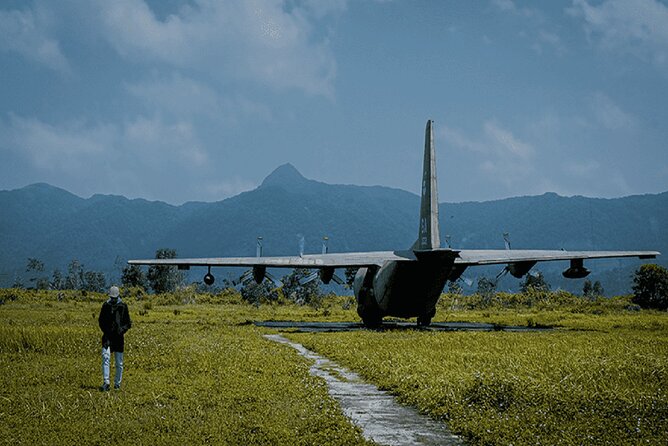
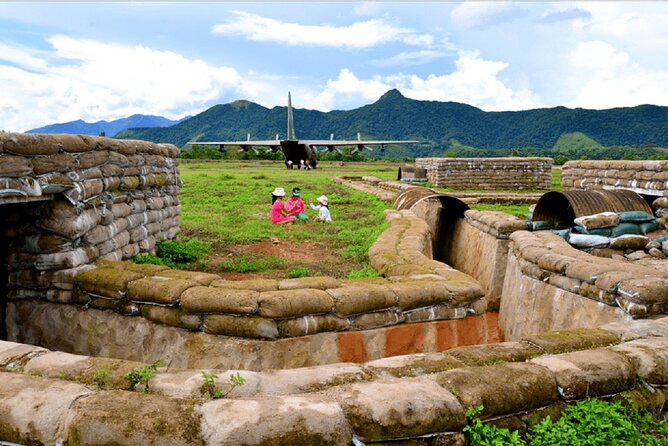
Then there’s Khe Sanh Combat Base, which is described as a district capital area in Huong Hoa District, Quang Tri Province, and about 63 kilometers west of Đong Ha. Today, much of the former base is overgrown, and the museum holds relics from the battle. For many people, this is where the war story turns from geography into documented artifacts and a more straightforward battle overview.
The key tradeoff with adding these stops:
- You get stronger context, especially if you’re a history fan.
- You also add time and more walking/museum time, which can be tiring on a long transfer day.
If your group is sensitive to heavy themes, you can still make this work by treating it as a choose-your-level-of-intensity day. The private format helps because you can adjust rather than forcing every stop.
Scenic add-ons: Lang Co Beach and Elephant Springs
Not every DMZ day has to feel like a straight line into dark history. The route can include stops such as Lang Co Beach and Elephant Springs, depending on the sightseeing options you choose.
These are the kinds of breaks that matter if you’re doing a long drive. Even a short pause by the ocean or at a spring-water stop helps your brain reset. It’s also useful if you’re traveling with someone who wants to see the DMZ but needs a gentler rhythm.
One tip: if your group is going deep on tunnels and museum sites, keep the scenic stops short and pick one main nature break. That way you don’t end up rushing everything while trying to pack in both “serious” and “relaxing” moments.
The driver factor: why explanations can be the best upgrade
The car is important. But the explanations can be the difference between a list of locations and a connected story.
A strong example from the experience feedback is driver Rin, who helped the group visit Khai Dinh and Tu Duc Tombs on the way to the hotel and provided lots of information. That shows how flexible the route can be when your driver is proactive and your schedule allows it.
It also hints at a smarter approach for your day: don’t just think of the DMZ sites as fixed. Ask if you can add one or two meaningful cultural stops that make sense geographically, especially if you’re already passing through the Hue area later.
If you want even more detail than basic English explanations, a tour guide is available with a surcharge. That’s worth considering if your group has strong interest in war history and you want deeper narration than a driver can provide.
Price and value at $45 per person
At $45 per person, this transfer is priced like a practical transport-and-sightseeing package. The included items are the big cost drivers you’d otherwise have to manage yourself: air-conditioned private transport, fuel, and parking during sightseeing transfers. You’re also getting an experienced driver with basic English, which is hard to replicate cheaply if you’re not booking a coordinated service.
What’s not included is equally important:
- Entrance tickets to sightseeing places
- Tipping/gratuities for the driver
- A tour guide (only if you add one with a surcharge)
So the best way to think about the final cost is: $45 covers the “how you get there and move around.” Your total day cost depends on which sites you enter. If you choose multiple ticketed stops like tunnels and combat-related museums, your add-on costs can climb—but you’re still buying efficiency and a smoother experience.
Also, consider timing. The tour is commonly booked about 46 days in advance on average. If you’re traveling in a busy period, booking earlier can help you lock in the private-vehicle setup you want.
Who this DMZ transfer is best for
This is a great fit if:
- You want DMZ sites without the stress of arranging transport between viewpoints and museums.
- Your group includes different interests, and you like the option to add scenery like Lang Co Beach or Elephant Springs.
- You’re comfortable learning through short explanations and want a driver who can answer questions.
It may be less ideal if:
- You want a very academic, full-script history lecture at every stop (you’d likely want a formal tour guide add-on).
- Your group wants lots of free time for wandering. This is a transfer day, and it works best when you’re okay with a structured route.
Should you book this Hue DMZ transfer?
Book it if you value comfort, flexibility, and a straightforward way to reach the most important DMZ-linked sites north of Hue. The private vehicle and driver explanations are the main wins, and the ability to choose between half-day and full-day lets you match intensity to your interests.
Skip it or plan differently if you hate entrance-ticket surprise costs and you really need a fully guided narrative. In that case, add a tour guide or tighten your “must-see” list so your day stays enjoyable instead of rushed.
If your idea of a great travel day is mixing practical logistics with meaningful stops, this is one of the cleaner ways to do central Vietnam’s most sobering landscape.
FAQ
What is the duration of the Hue DMZ transfer?
The trip is listed as about 6 to 10 hours, depending on the option you choose and which sightseeing stops are included.
Is pickup included?
Yes. Pickup is offered from your Hue city hotel, and pickup is also offered from your desired Da Nang location.
Is the tour private?
Yes. It’s a private activity, limited to your group.
What’s included in the price?
Fuel and parking fees during sightseeing transfers are included, along with an air-conditioned car or mini van and an experienced basic English speaking driver.
Are entrance tickets included?
No. Entrance tickets to sightseeing places are not included.
Do I need a tour guide?
A tour guide is not included, but a guide is available with a surcharge if you want more detailed explanations.
What is the cancellation policy?
Free cancellation is available. You can cancel up to 24 hours in advance for a full refund, and cancellation within 24 hours is not refunded.