REVIEW · OKAYAMA PREFECTURE
Guided Tour to Naoshima Art Island with Private Car
Book on Viator →Operated by Beauty of Japan · Bookable on Viator
Art island, zero map stress.
Naoshima can feel confusing fast. This private car day trip pairs a museum-experienced English guide with transport from Uno Port, so you spend your energy looking at art instead of decoding buses. You’ll also move through the island’s signature mix of outdoor sculptures, unusual architecture, and indoor museum spaces designed to change how you see light and nature.
I especially loved the way Yoji Ohora (and other guides in this same spirit) explain the why behind the works, not just the what. And I really liked that the day is built around major stops—Chichu Art Museum, Lee Ufan Art Museum, and Benesse House—so you get real context instead of a checklist. One thing to consider: you’ll end at Miyanoura port and handle the Miyanoura-to-Uno ferry back on your own, so plan your timing instead of assuming everything is wrapped up.
In This Review
- Key highlights I’d bookmark before you go
- Price and Logistics: What you’re actually paying for
- Getting there smoothly: Uno Port to Naoshima without the stress tax
- Naoshima-cho: Orientation, street-level art, and the island’s rhythm
- Chichu Art Museum: underground rooms that make you look harder
- Lee Ufan Art Museum: art, architecture, and a valley that tells the story
- Benesse House Museum: coastal art energy (and one ticket question to confirm)
- Ending at Miyanoura: your last ferry is on you
- How the guide changes everything (Yoji’s approach, in plain terms)
- Who should book this private Naoshima art day trip
- Should you book it? My straight take
- FAQ
- How long is the Naoshima guided tour?
- Where does the tour start and end?
- Is transportation around Naoshima included?
- Is the ferry included?
- Are museum admission tickets included?
- Is this tour private?
- What museums are included in the route?
- What happens if I’m late?
Key highlights I’d bookmark before you go
- Museum-work experience guide: Yoji Ohora’s style makes history and philosophy feel approachable, not like a lecture.
- Ferry + private car combo: Uno-to-Miyanoura ferry is included, and Naoshima transport is handled for you.
- Chichu Art Museum’s underground design: it’s built mostly underground to control the relationship between art, nature, and the outside world.
- Lee Ufan + Tadao Ando pairing: semi-underground spaces in a quiet valley setting change how you feel the works.
- Benesse House stop with coastal atmosphere: modern art museum energy right alongside the ocean view.
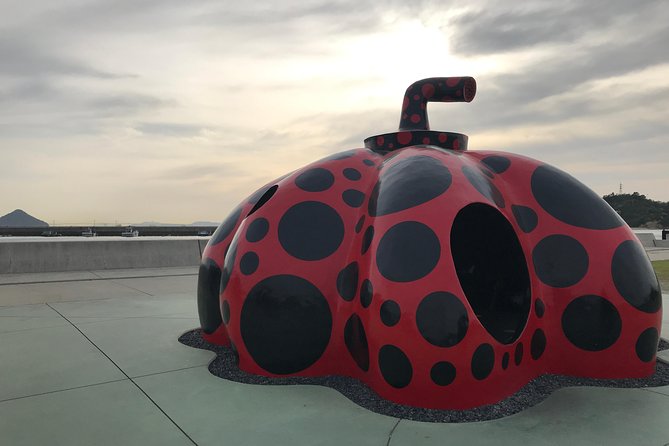
- Polka-Dot Pumpkin and outdoor art time: you get more than indoor rooms; the island’s sculptures matter too.
Price and Logistics: What you’re actually paying for
At $418.43 per person for an 8-hour day, this isn’t a budget “hop on and off” excursion. You’re paying for three things that DIY usually costs you in time and sanity: a private guide, a private car for island movement, and a ferry transfer that handles the trickiest part of the day.
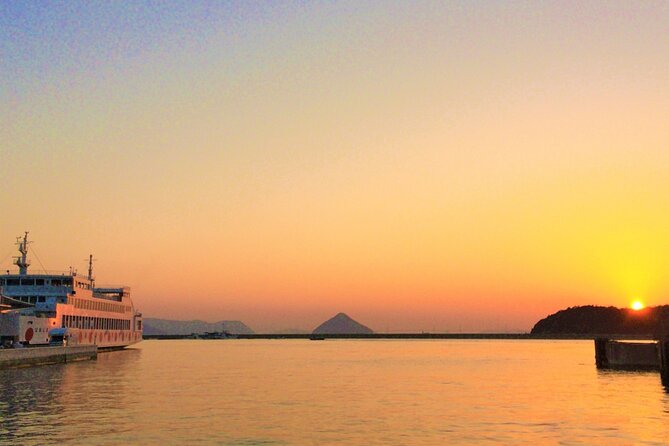
The value gets better if you hate wasting time. Naoshima has a way of making you think you can just wing it—until you’re standing in the wrong place at the wrong time, watching your schedule slip away. Here, you’re picked up at Uno Port, ferried to Miyanoura, and then moved around the island with no navigation worries. That’s not glamorous, but it’s exactly what makes the day work.
One more cost-related note: museum ticket details are slightly inconsistent in the provided info. The inclusions mention admissions for Benesse, Chichu, and Lee Ufan, while another note says museum admission fees may not be included. I’d check your confirmation carefully so you don’t get surprised at the door.
Getting there smoothly: Uno Port to Naoshima without the stress tax
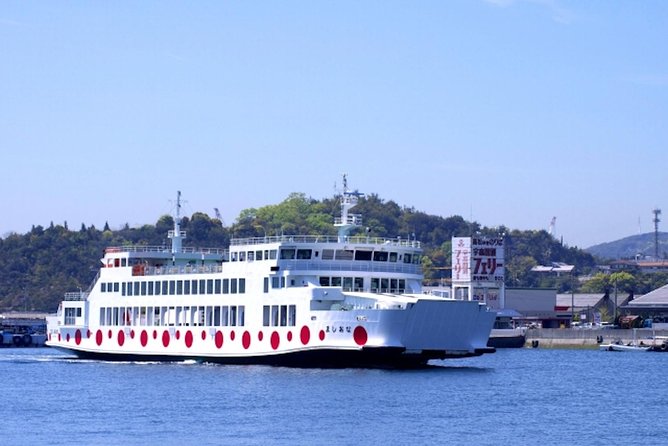
Your day starts at Uno Port (meeting point at Uno Port 1 Chome-2 Chikko, Tamano, Okayama). The start time is 9:10 AM, with a reminder that if you’re more than 10 minutes late, your booking can be treated as a no-show. That’s standard for tightly timed day tours, but it matters—set an alarm, then add buffer.
You get an English-speaking guide meeting you at Uno Port, and the ferry ride from Uno Port to Miyanoura Port is included. This is a big deal. The ferry is often where people lose momentum—planning confusion plus a timetable you didn’t choose.
Once you’re on Naoshima, the tour includes transportation around the island in a private car. This matters because Naoshima sites are spread out, and you’ll be moving between museum spaces and outdoor art. Instead of doing the “wait, walk, check directions, repeat” routine, you can stay in tour mode—look, ask questions, move on.
At the end, the tour drops you off at Miyanoura port around 5:35 PM, and you take the Miyanoura-to-Uno ferry yourself (that return ferry is not listed as included). So the day is mostly handled for you, but your last step is on you. Build in a little margin so you’re not sprinting to the dock.
Naoshima-cho: Orientation, street-level art, and the island’s rhythm
The first main stop is Naoshima-cho, about 2 hours. This is where the guide’s value really shows. Instead of jumping straight into museums, you start with the island’s broader context: how the architecture and the art relate to everyday spaces and coastal life.
This is also where you’re more likely to catch Naoshima’s personality in smaller moments—how sculpture sits outdoors, how buildings behave differently in daylight, and how the island’s modern art culture feels less like a theme park and more like a living experiment.
There’s also time for a local restaurant stop at this stage, with food and beverages at your own expense. I like this setup. You’re not trying to eat while your brain is overloaded from museum light effects. You also get one guided moment to slow down and recharge.
Practical tip: since the day is structured, eat earlier than you think you need to. Museums and architecture-heavy routes can make you forget hunger until you’re suddenly ravenous.
Chichu Art Museum: underground rooms that make you look harder
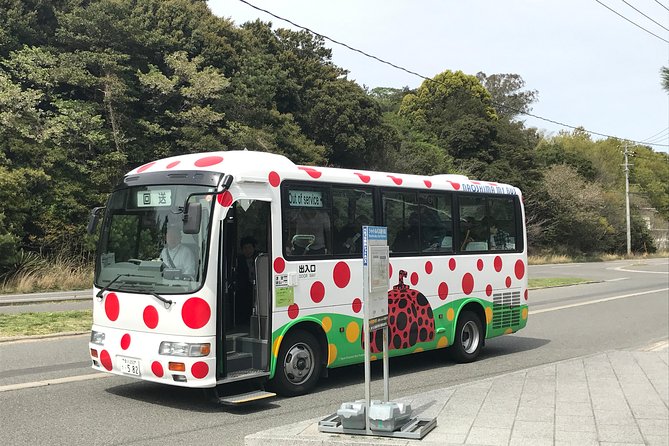
Chichu Art Museum is a stop of about 1 hour 30 minutes, and admission is listed as included. The big idea here is how the museum treats space. The museum is mostly built underground, designed to avoid flattening the island scenery and instead create a controlled relationship between nature and people.
Translation for your brain: you’ll be walking through quiet, controlled interior spaces where the outside world shows up through light, reflections, and carefully framed openings. It’s art that behaves like a weather system—you notice how your mood changes with what you see.
This is also a great museum for a guided day. Without context, people often rush. With a guide, you’re more likely to slow down just enough to catch the details that make it worth the effort.
What to watch for: underground spaces can feel dim. Give yourself time to adjust your eyes, and don’t plan to take in everything at once. In places like this, the best moments often happen when you stop hunting for the perfect photo and just observe.
Lee Ufan Art Museum: art, architecture, and a valley that tells the story
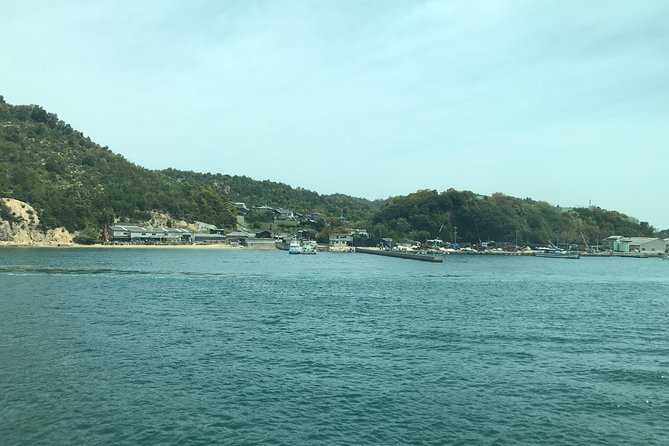
Next up is Lee Ufan Art Museum, about 2 hours. Admission is listed as included, and the museum is connected to an important collaboration: artist Lee Ufan and architect Tadao Ando.
The setting is part of the work. The museum is described as being in a serene valley, and it uses semi-underground design—meaning the architecture doesn’t just hold the art, it shapes how you experience it. Even if you’re not an art-history superfan, you’ll likely feel the difference. The space tends to quiet your thoughts, and that helps the works land.
For me, this is one of the strongest reasons to book a guided tour instead of DIY. A guide can point out what to look for in terms of form, placement, and how the architecture affects your perception. The reviews you shared highlight this exact strength: Yoji and the guides in this style explain the history and philosophy of each work clearly, in a way that feels fun rather than academic.
Drawback to consider: 2 hours can feel like a lot if you’re rushing through. If you prefer quick museum hits, you might need to use the time with intention—pick a couple of works to really focus on and let the rest support those anchor moments.
Benesse House Museum: coastal art energy (and one ticket question to confirm)
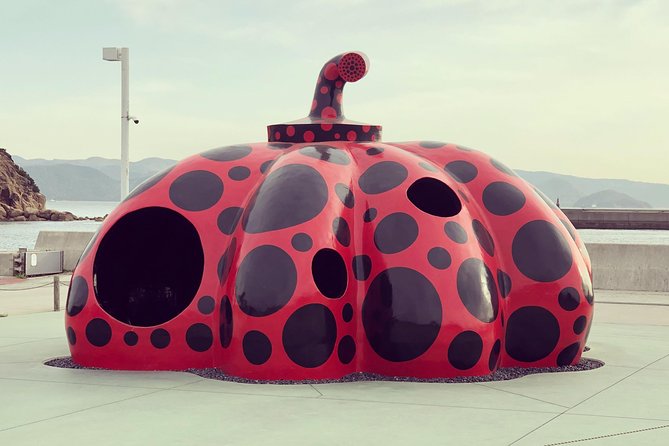
Your final major museum stop is Benesse House Museum, with a suggested time around 2 hours 30 minutes. It’s described as a modern art museum and resort hotel combination, sitting along the coast. That sounds glamorous, and it is in a low-key way—ocean air, museum quiet, and the sense that this art program is part of a larger campus experience.
However, there’s a key practical note: the information provided includes conflicting mentions about Benesse admission. The inclusions list admissions for Benesse, Chichu, and Lee Ufan, but another note says admission fees to the museum are not included. Since you’re paying for a private, timed route, I’d confirm the Benesse ticket status in your booking confirmation before you go.
Still, even with that ticket question, Benesse House is worth planning for. It’s where Naoshima’s idea of art becomes physical. You get a sense of how the program uses setting—coastline, building angles, and human movement—to frame the art without shouting for attention.
When you leave Benesse House and head toward Miyanoura port, the day starts to wind down. Plan on being a bit tired. It’s not just walking—it’s attention fatigue. Your eyes and brain will want a reset, which is exactly why having the return direction set up matters.
Ending at Miyanoura: your last ferry is on you
The tour ends at Miyanoura port around 5:35 PM. The guide will take you there, and then you take the ferry back to Uno on your own (return ferry not included).
This is the one part I’d treat like a mini-mission. Check the ferry time you plan to take before you’re rushing, especially if you’d rather not stand around waiting with tired feet. Also, make sure you know where your ferry departs from at the port—ports can be confusing in general, and Naoshima is no exception.
If you’re pairing this with any evening plans back in Okayama/Tamano, keep it simple. Build slack.
How the guide changes everything (Yoji’s approach, in plain terms)
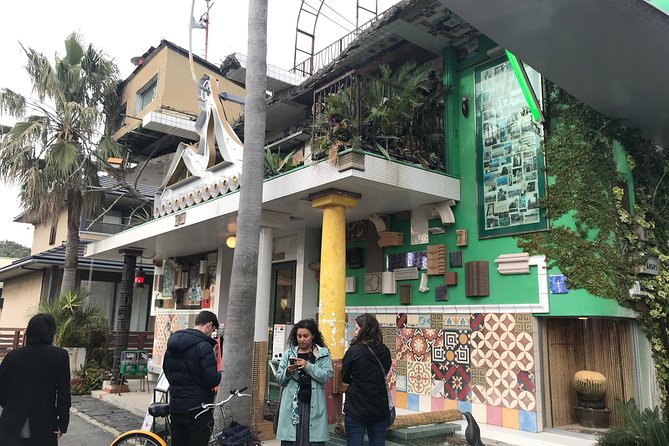
One of the most praised parts of this experience is the guide’s teaching style. In the notes you shared, Yoji Ohora (and other guides referenced with similar names) come across as friendly, engaging, and genuinely passionate. The explanations aren’t just facts. They connect the art to ideas—how a museum uses space, why a piece is placed where it is, and how the island itself becomes part of the message.
That’s what turns a hard day into a good one. Naoshima’s art can look “strange” until someone helps you see the logic behind the strange. On a private tour, you can ask follow-up questions at the exact moment your curiosity sparks. No waiting for a group. No feeling awkward about questions. Just you, your guide, and a slow-but-satisfying rhythm.
And since this is a private tour/activity, it’s only your group. That can mean a quieter experience and more personal pacing. If you’re traveling with kids, art-curious teens, or a partner who needs breaks, a private format usually helps.
Who should book this private Naoshima art day trip
This tour is a strong fit if:
- you want to see multiple top Naoshima museums without sweating transit
- you’d rather ask questions than follow a silent audio guide
- you care about architecture and how it shapes perception
- you prefer a planned day because you’re short on time
It might be less ideal if:
- you’re trying to keep costs extremely low (this is priced as a premium private experience)
- you dislike museums with controlled lighting and quiet pacing
- you don’t want to manage the final ferry back yourself
Should you book it? My straight take
If your goal is to experience Naoshima’s big-name art stops with minimal stress, this is an easy yes. The ferry-and-car setup alone saves you from the most common day-trip problems. Add a guide who can explain the why behind each museum, and you get a day that feels like more than sightseeing.
The only reason I’d pause is the ticket detail ambiguity around Benesse House and the fact that your return ferry is on your own. Those are solvable with a quick confirmation and a little timing care. Once you handle that, you’re set up for a memorable art day where the island’s design choices make sense—and where you actually have time to notice them.
FAQ
How long is the Naoshima guided tour?
It’s about 8 hours.
Where does the tour start and end?
It starts at Uno Port. It ends at Miyanoura port, and you take the ferry back to Uno on your own.
Is transportation around Naoshima included?
Yes. Pickup is from Uno Port by your guide, and the tour includes transportation around Naoshima using a private car.
Is the ferry included?
The ferry from Uno Port to Miyanoura Port is included. The ferry from Miyanoura Port back to Uno Port is not included.
Are museum admission tickets included?
The tour details list admission tickets for Benesse, Chichu, and Lee Ufan as included, but there is also a note that museum admission fees are not included. Check your booking confirmation so you know what you’ll pay for at each museum.
Is this tour private?
Yes. Only your group participates, so it’s a private tour/activity.
What museums are included in the route?
Chichu Art Museum and Lee Ufan Art Museum are included, and Benesse House Museum is part of the route.
What happens if I’m late?
If you’re late by more than 10 minutes to the starting time, your booking can be treated as a no-show.