REVIEW · YANGON
Full-day Yangon City Tour with Private Car and Guide
Book on Viator →Operated by Signature Holidays Travels & Tours · Bookable on Viator
A day in Yangon that starts easy. A private car plus an English-speaking guide turns the biggest sights into something you can actually enjoy, not just rush through. I especially like having entry fees included and the chance to see the city’s mix of colonial streets and sacred landmarks with a calm plan. One thing to watch: Bogyoke Aung San Market is closed on Mondays and gazetted holidays, so your perfect day depends on the day you choose.
You also get a tour style that feels adaptable. Guides such as Ben and Saw Hnin Nwe are praised for being relaxed, friendly, and genuinely willing to answer questions, including ones about Buddhist life and philosophy. The main consideration is that the full-day timing (about 7 to 9 hours) can feel long if you’re heat-sensitive, so plan for breaks and downtime.
If this is your first real day in Yangon, you’ll get your bearings fast—downtown viewpoints, then temples, then shopping and street life—without the stress of figuring out transport on your own.
In This Review
- Key highlights at a glance
- A good first day in Yangon: private car, included tickets, real guidance
- Bandoola Park Bus Terminus and downtown viewpoints
- Kandawgyi Park: the Royal Lake view toward Shwedagon
- Chaukhtatgyi Buddha and the quiet that comes with temples
- Bogyoke Aung San Market (Scott Market): colonial lanes and local shopping
- Shwedagon Pagoda: gold-plated landmark and a full sensory experience
- Price and what $70 really buys you
- Timing: how the 7 to 9 hours feels in the real world
- Tips to get the most out of this Yangon day
- Should you book this full-day Yangon tour?
- FAQ
- What is the price and duration of the Yangon City Tour?
- What time does the tour start?
- Does the tour include hotel pickup?
- Is this tour private or shared?
- Are entrance fees included?
- Which major sites are included in the route?
- Is Bogyoke Aung San Market open every day?
- What is not included in the tour price?
- What is the cancellation policy?
Key highlights at a glance
- Private A/C car: comfortable travel between sites, with less time lost to getting around
- English-speaking guide: you’ll get context as you walk, not just a list of landmarks
- Included entrance fees: less hassle and fewer ticket stops during the day
- Shwedagon Pagoda at landmark scale: gold-plated complex with major viewpoints and shrines
- Bogyoke Aung San Market (Scott Market): colonial architecture and cobbled lanes built by the British
- A day paced for real questions: from Ben’s history to Saw Hnin Nwe’s Buddhist perspective
A good first day in Yangon: private car, included tickets, real guidance
Yangon can feel big and slightly overwhelming at first—especially if you’re trying to jump between neighborhoods on your own. This tour solves that problem with a private, air-conditioned car and an English-speaking guide, so your day is about the places, not the logistics. You start at 9:00 am, and you’re picked up from your hotel, which matters more than you’d think when you’re starting the day in a new city.
Two practical wins make a real difference. First, you’re not juggling separate ticket lines and payment details because entrance fees are included for the sights where tickets apply. Second, a private guide turns “I saw a pagoda” into “I understand what I’m looking at,” including everyday customs and the meaning behind what’s happening on-site.
The day’s route is intentionally classic: downtown colonial-era Yangon, then parks and temple complexes, then the city’s best-known market for walking and browsing. That’s why it’s such a good intro tour—balanced, sight-rich, and paced enough for questions.
Bandoola Park Bus Terminus and downtown viewpoints
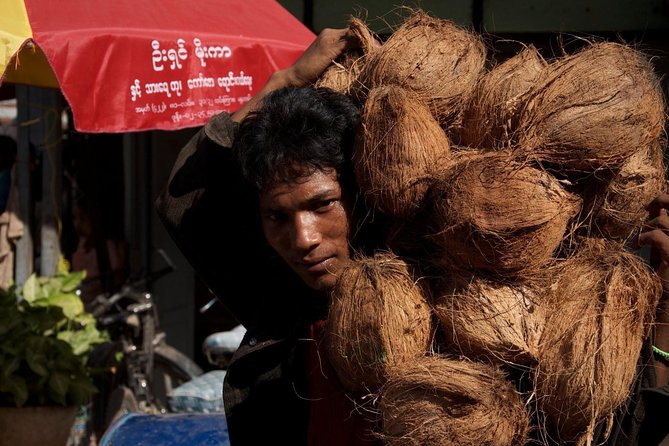
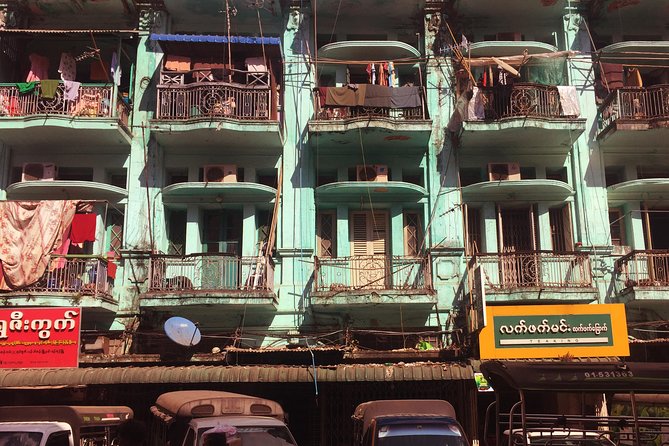
The tour starts in the downtown area around Bandoola Park Bus Terminus, with a drive past key landmarks overlooking the city. You’ll get views of Sule Pagoda, City Hall, and Mahabandoola Park, then step out for a short walk through a street lined with massive colonial buildings and roadside vendors.
Why this stop works: it’s where Yangon’s identity shows up quickly. You’re not only seeing monuments—you’re seeing how old architecture sits next to daily life: people moving, vendors working, streets carrying the city forward. A quick walk here gives you a “now I get it” moment, especially if you’ve mostly seen photos online.
What to watch for: this is partly a walking-and-looking segment, not a sit-and-watch one. Comfortable shoes help, and you’ll want to keep an eye on your timing so you don’t get caught lingering too long before the next scenic stops.
Kandawgyi Park: the Royal Lake view toward Shwedagon
After the downtown introduction, the day softens with a park stop: Kandawgyi Park. This is your breather and your preview. You’ll get a view of Shwedagon Pagoda across the royal lake, with Karaweik also visible.
This is a smart placement in the itinerary. Shwedagon is the big centerpiece later, so seeing it from a distance first helps you understand scale and geography. It’s also a quieter moment where you can look, compare angles, and mentally map what you’ll later see up close.
The time here is short (about 30 minutes), so you’ll want to use it efficiently. If you like photography, position yourself early and then take a few minutes just to watch how pilgrims and temple life appear from afar.
One small drawback: since the stop is brief, it’s not where you’ll get a long walk through the park. Think of Kandawgyi as a viewpoint stop that sets up the main event.
Chaukhtatgyi Buddha and the quiet that comes with temples
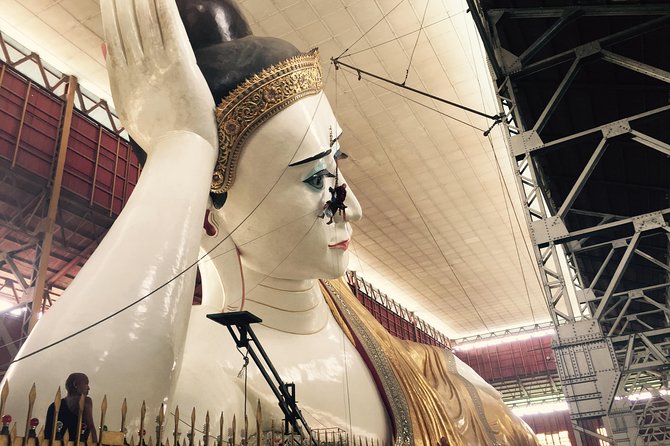
Next up is Chaukhtatgyi Buddha, famous for its long reclining image—about 65 meters. You’ll spend about 45 minutes here, including time to observe the atmosphere and the surrounding monasteries.
What makes this stop special is the change in tone from downtown. Instead of street life and colonial facades, you get stillness, sparse pilgrims, and a space where people slow down. If you’re curious about Buddhism, this is also the kind of place where a guide’s explanation adds value, including context about Buddha’s life and philosophy.
You might notice that the experience here isn’t only about the structure itself. It’s about the surroundings—the monasteries around and the way people behave in silence. That quiet matters. It’s one of the reasons this tour often feels calmer than a “see everything fast” itinerary.
Practical tip from how the day is paced: bring your attention here. This isn’t a rushed stop, but it also isn’t long enough to treat it like an all-day temple visit. Use the time to look carefully and ask your questions while you’re there.
Bogyoke Aung San Market (Scott Market): colonial lanes and local shopping
Then you hit a different side of Yangon: shopping and street commerce at Bogyoke Aung San Market, also known as Scott Market. The market is known for its colonial architecture and inner cobblestone streets, and it’s a major bazaar in the city.
There’s also a concrete historical detail that makes this stop more than just browsing: the market was built in 1926 by the British. It was originally named after James George Scott, a British civil servant credited with bringing soccer to Myanmar. That kind of fact turns the walk into something you can mentally place in time.
Your time here is about 1 hour. That’s enough to wander, look at goods, and get a feel for the market’s flow without exhausting yourself. It’s also an excellent moment to cool down a bit compared with constant sun exposure—though it still helps to be prepared for walking.
Big thing to remember: Bogyoke Aung San Market is closed on Monday and on gazetted holidays. If you’re choosing between days, this should influence your decision. If your schedule forces you into a Monday, you may want to choose another tour day rather than hoping to swap this stop on the fly.
Shwedagon Pagoda: gold-plated landmark and a full sensory experience
No Yangon day tour earns its name without Shwedagon Pagoda. Here, you’ll spend about 1 hour 30 minutes at the complex, which sits on a hill and covers 6 hectares.
Shwedagon is described in simple terms for a reason: it’s hard to explain any other way. The pagoda is 100 meters tall, plated with gold from top to bottom, and surrounded by platforms where pilgrims kneel, offer candles and flowers, and pray. You’ll also notice the number of rest-houses and shrines around the complex, which helps explain why people say it can feel endless once you’re inside.
From a practical perspective, this stop is where your guide matters most. A good guide helps you understand what you’re seeing—why people do what they do, and how the layout fits together. Based on the guides who’ve led this tour, you can expect that kind of explanation. Ben gets singled out for sharing history and culture in a way that feels easy going and helpful. Saw Hnin Nwe is praised for being calm and insightful, with Buddhist perspective that makes the religious side feel more understandable rather than mysterious.
One more timing detail from the way this day is handled: in practice, the pacing can include a restful break before the sun cools down, then moving to the pagoda when conditions feel nicer. If you’re sensitive to heat, that human pacing can make the difference between a “nice tour” and a genuinely enjoyable day.
Price and what $70 really buys you
At $70, this is priced like a mid-range private introduction tour. What makes the value hold up is that the tour isn’t only a car rental plus a driver. You’re also getting an English-speaking guide and entrance fees included.
In other words, you’re paying for the full package: transportation comfort, interpretation, and ticket coverage. Since some of the stops have admissions marked as included (and the major sites are part of the experience), that “included entry fees” detail can easily offset part of the total cost, compared with DIY touring where you pay tickets site-by-site.
The one extra cost to plan for is tipping to the guide and driver, which is not included. Even if tipping isn’t a huge number, it’s still the one “surprise” budget item worth considering before you go.
Is it worth it for everyone? It’s especially good value if you want to see several major landmarks in a single day without transferring between transport systems. If you’re someone who loves planning routes and don’t mind figuring things out, DIY can sometimes be cheaper—but then you give up the convenience and the guided context that makes religious and historic sites easier to appreciate.
Timing: how the 7 to 9 hours feels in the real world
The schedule runs about 7 to 9 hours, with the day structured into short, purposeful blocks:
- downtown walk and viewpoints
- a park and lake view
- a major temple visit
- the market browsing window
- the Shwedagon centerpiece
That’s a good structure for first-time visitors. You’re not trapped in one long stop, and you’re not forced to sprint between locations without a break. The stops also alternate between street life, nature viewpoints, and sacred spaces, which helps you stay mentally fresh.
There’s also a simple advantage to the morning start at 9:00 am: you get your big outdoor or viewpoint moments earlier, then your main pagoda time later in the day with the possibility of more comfortable conditions. The pace described by guides and guests tends to include flexibility—like building in time to rest back at the hotel while the sun cools—so it can feel less like a factory tour.
One downside: because the day is structured, you can’t expect unlimited flexibility to add extra stops or extend every location. If you’re the type who wants to spend hours shopping at a market, the 1 hour there might feel short. Still, you’ll leave with a clear Yangon snapshot.
Tips to get the most out of this Yangon day
A tour like this works best when you travel with the day in mind. Here’s how to make it smoother without turning it into a checklist.
- Plan for respectful temple behavior at Shwedagon and Buddha sites. You’re visiting active religious spaces, so dress and conduct matter.
- Use your guide for questions, not just photos. This tour is priced for private context. Ask why people kneel, what offerings mean, or what the layout signifies.
- Save energy for Shwedagon. It’s the longest and most visually demanding part of the day, with lots of shrines and platforms to notice.
- If you want the market, check the day first. Bogyoke Aung San Market closure on Monday and gazetted holidays is real, so pick dates accordingly.
- Wear comfortable shoes. Several stops include walking through streets and around temple complexes.
If you’re worried about language or explanation, you’re covered on the guide front. The tour includes an English-speaking guide, and the guide style on this route is described as easy going and hospitable.
Should you book this full-day Yangon tour?
Book it if you’re looking for an efficient first day that hits the city’s core highlights without adding travel stress. The combination of private air-con transport, an English-speaking guide, and included entrance fees is a solid value—especially if you want context at Shwedagon and a clearer understanding of Yangon’s mix of colonial-era streets and Buddhist sacred sites.
Skip or re-think it if your visit lands on a Monday and you specifically want Bogyoke Aung San Market as part of your plan. Also consider whether 7 to 9 hours fits your energy level. This isn’t a short sampler; it’s a full-day intro.
If you like calm pacing and real explanations from guides such as Ben or Saw Hnin Nwe, this tour format is a great match. You’ll come away with both landmarks and understanding, not just photos.
FAQ
What is the price and duration of the Yangon City Tour?
The tour costs $70 and runs about 7 to 9 hours.
What time does the tour start?
The start time is 9:00 am.
Does the tour include hotel pickup?
Yes. Pickup from your hotel is offered.
Is this tour private or shared?
It’s a private tour/activity, so only your group participates.
Are entrance fees included?
Yes. Entrance fees are included for your convenience, and the itinerary lists admission as included on several stops.
Which major sites are included in the route?
The tour includes stops such as Bandoola Park Bus Terminus, Kandawgyi Park, Chaukhtatgyi Buddha, Bogyoke Aung San Market, and Shwedagon Pagoda.
Is Bogyoke Aung San Market open every day?
No. It is closed on Monday and on gazetted holidays.
What is not included in the tour price?
Hotel accommodation is not included, and tipping to the guide/driver is also not included.
What is the cancellation policy?
This experience is non-refundable and cannot be changed for any reason. If it’s canceled because a minimum number of travelers isn’t met, you’ll be offered a different date/experience or a full refund.