REVIEW · LUXOR
Day Tour to Aswan from Luxor by Private Car
Book on Viator →Operated by Emo Tours Egypt · Bookable on Viator
A long day, then the Nile feels huge. This Luxor-to-Aswan private car experience strings together several top temple stops—Edfu, Kom Ombo, Philae, and Aswan High Dam—with an Egyptologist guide along the way. You’re also traveling through the same Nile corridor that shaped trade, farming, and power for centuries, so the day feels like a straight line through Upper Egypt.
I especially like that you get private A/C transportation plus hotel or Nile cruise pickup and drop-off, so you’re not stuck sharing transfers or wrestling with timing. I also like that lunch and entry fees are included, which makes budgeting easier when you’re paying for a full, temple-heavy day. One real consideration: it’s about a 12-hour outing with multiple sites, so you’ll want to be ready for an early start and a packed schedule in warm weather.
In This Review
- Key highlights worth planning around
- Luxor to Aswan: a smart route for big-site lovers
- The private A/C car setup: comfort and timing that actually helps
- Stop 1: setting up your Edfu and Nile River day (Luxor pickup)
- Temple of Horus in Edfu: one of the best-preserved shrines in Egypt
- Philae Island Temple: a moved landmark that still feels real
- Aswan High Dam: when the modern Nile story takes over
- Temple of Kom Ombo: the double temple and the crocodile connection
- Lunch and pacing: staying human during a 12-hour temple run
- Price and value: what $165 gets you (and what you’re paying for)
- Who should book this Aswan day and who should skip it
- Should you book this Luxor to Aswan private day trip?
- FAQ
- What time is pickup in Luxor?
- How long is the tour?
- Does the price include lunch and entry fees?
- Will I have a private vehicle and an Egyptologist guide?
- Can the tour end in Aswan instead of returning to Luxor?
- Is tipping included?
- Is free cancellation available?
Key highlights worth planning around
- Private, air-conditioned car door-to-door from Luxor (with the option to end in Aswan if you stay there)
- Egyptologist guidance that helps you read what you’re seeing, not just stand and stare
- Edfu’s Temple of Horus: one of Egypt’s best-preserved Ptolemaic temple complexes
- Philae on its island setting: a temple complex that was moved as part of UNESCO’s Nubia protection work
- Kom Ombo’s double temple: two halves devoted to different gods, plus a standout crocodile-themed stop
- Aswan High Dam views: the modern engineering story that reshaped water, irrigation, and daily life
Luxor to Aswan: a smart route for big-site lovers
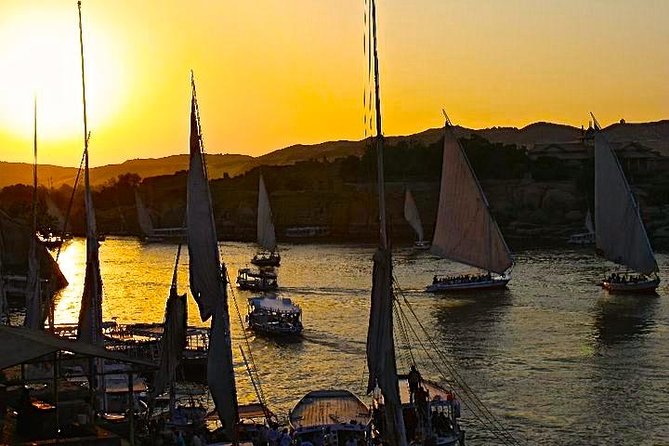
If you want a day that feels like you made real progress, this is built for that. The basic idea is simple: start from Luxor early, ride south in an A/C private vehicle, and then hit a sequence of major temples and landmarks as you work your way toward Aswan.
Why that matters for you: the Nile region is spread out. Taking a full-day run lets you see more than just one temple area without having to plan separate days or complicated connections. And since it’s private transportation, you don’t lose time to waiting around while groups filter in and out.
Also, the stops are chosen for variety. You’re not only looking at one style of temple or only one dynasty period. You’ll see a well-preserved Ptolemaic temple at Edfu, a famous island temple tradition at Philae, and the unusual double-design at Kom Ombo—then finish with the Aswan High Dam, where the story shifts from ancient religion to modern control of water.
Your only “trade-off” is time. This is not a slow museum day. You’ll have about 1–2 hours at key sites, which is plenty for highlights, but not enough if you like lingering in side chambers or reading every single wall inscription line-by-line.
The private A/C car setup: comfort and timing that actually helps
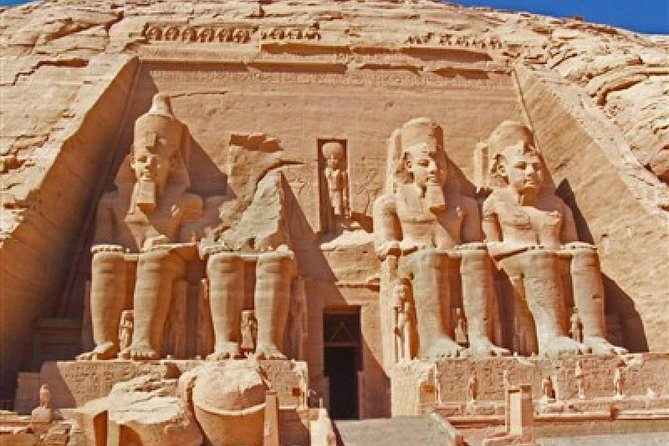
This day runs on early starts and efficient transitions. The payoff is comfort. You’re collected from your Luxor hotel or Nile cruise, then taken south by a private, air-conditioned vehicle. Bottled water is included, and you’ll have the guide keeping the day moving so you don’t feel like you’re guessing your way between stops.
This is the kind of setup that helps when you’re dealing with two reality checks:
1) Temple time is never truly predictable once photos, bathroom breaks, and heat hit.
2) The best sites can get crowded, and you’ll feel it more when you’re waiting in the sun.
I like that the tour is designed around a licensed, Egypt-focused guide and a driver who does the long transfer well. In guides’ names that have shown up for this experience, you may meet Ahmed Omar, and for driving support, Shady and Mustafa have been mentioned. That kind of “team” matters on a tight day: you spend more time learning and less time fixing problems.
One more practical note: tipping isn’t included. I’d plan a tip for the guide and driver in your budget. It’s a long day for them too, and it keeps good service from being a guessing game.
Stop 1: setting up your Edfu and Nile River day (Luxor pickup)
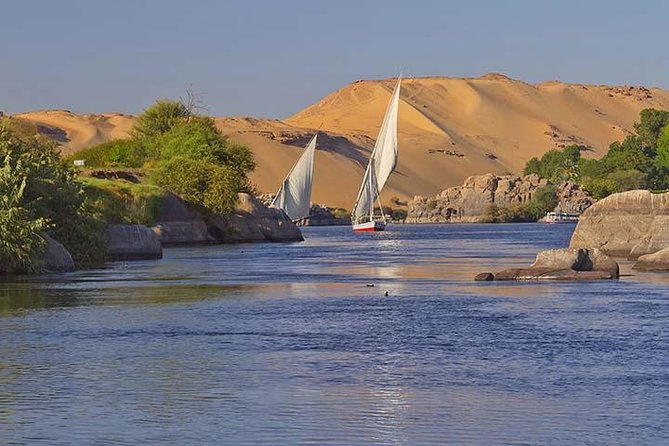
The day begins early—pickup is at 6:00 am. You’ll start from your hotel or Nile cruise in Luxor, then travel by private vehicle to the first major temple area.
Why the morning start matters: the earlier you go, the less your day feels like a heat test. Even with A/C on the ride, temple sites are outside a lot of the time, and you’ll be happier if you’re already awake before the sun climbs.
At the end of the day, you’ll be transferred back to your hotel in Luxor—or dropped off in Aswan if you’d rather stay there instead of returning north. That flexibility can save you from squeezing another ride the next day.
Temple of Horus in Edfu: one of the best-preserved shrines in Egypt
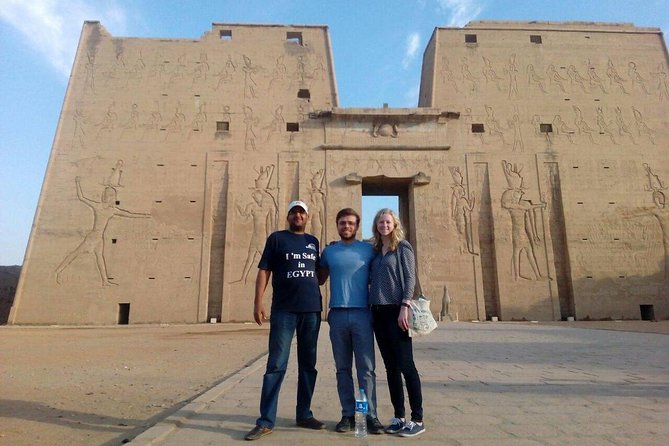
Edfu is where the temple day really locks in. The Temple of Edfu (Temple of Horus) is famous for being one of the best-preserved shrines in Egypt. It was built in the Ptolemaic Kingdom between 237 and 57 BC, so it’s not just a random ruin stop—it’s a major, readable complex.
If you’re the type of person who likes symbolism and structure, this temple will reward you. The inscriptions on the walls are highlighted for what they preserve: details about construction as well as information about language, myth, and religion in the Hellenistic period. In other words, you’re not only looking at Egyptian art—you’re also seeing how Greek-era rule and culture interacted with Egyptian religious life.
You typically get about 2 hours here. That’s enough time to see the big highlights, understand the main religious themes, and still pause for photos without feeling like the guide has to keep tugging you forward.
A practical drawback to know: because the temple is so famous, it can feel like a photo destination. If you want quieter, slower moments, try stepping aside at the edges of the main halls and let the guide point out the specific spots that matter most.
Philae Island Temple: a moved landmark that still feels real
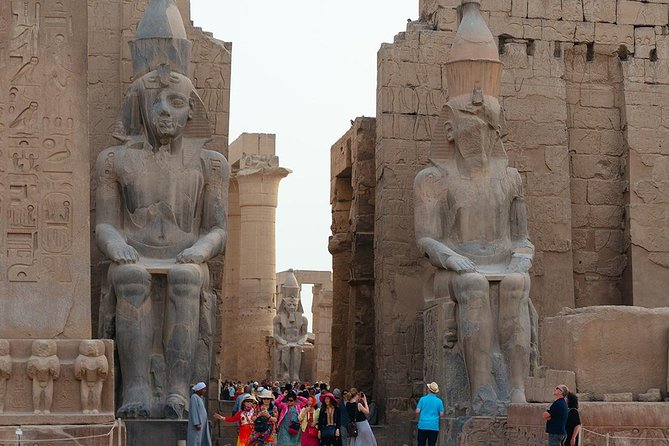
Next comes Philae, an island in the reservoir downstream of the Aswan Low Dam and near the First Cataract region. It’s also the kind of place that makes you appreciate how much effort humans have put into saving heritage. The temple complex was dismantled and moved to Agilkia Island as part of the UNESCO Nubia Campaign, protecting it before major flooding in the 20th century.
Philae’s setting is part of the experience. Even when you’re not sailing around for hours, being at an island-temple site changes the mood compared with a temple that sits directly on a city street. The guide’s explanation helps you connect the temple’s story to the geography—especially why this area mattered in ancient Upper Egypt.
Time on site is about 2 hours, and that’s a good match for what Philae offers. You’ll have time to see the temple complex basics, learn the significance of the move, and get a feel for why it became one of the most talked-about temple destinations around Aswan.
One consideration: you’ll want comfortable shoes and a steady pace. Island settings and uneven temple areas can be tricky if you’re rushing.
Aswan High Dam: when the modern Nile story takes over
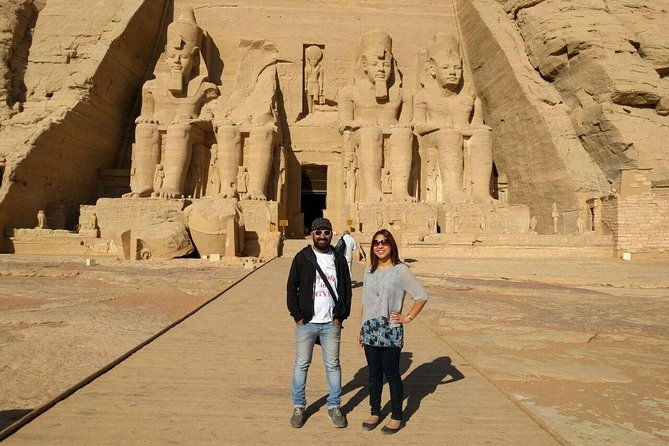
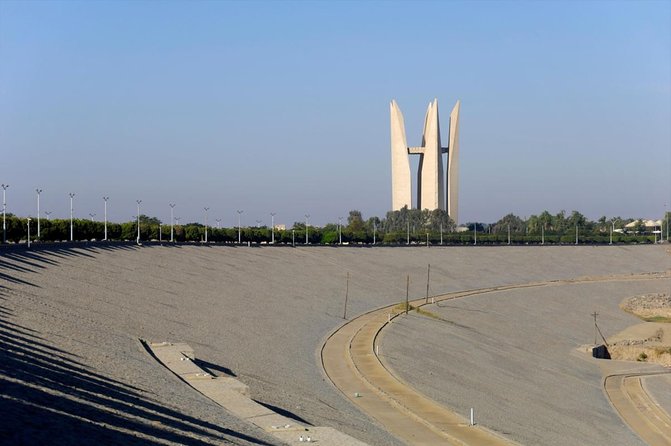
Aswan is where Egypt shifts from ancient to modern power—and the Aswan High Dam is the marker. Built between 1960 and 1970, it was designed to control flooding, store water for irrigation, and generate hydroelectricity. In the process, it reshaped Egypt’s economy and culture by changing how life revolves around the Nile’s rhythms.
You get about 1 hour at this stop, which is enough for orientation and viewpoints. It’s not a long engineering lecture. Think of it as a strong contrast stop: you move from stone religious symbolism to concrete-and-water reality.
This is also the part of the day where that big Nile feeling really lands. One featured highlight from this experience is how people react to the dam and the huge lake it created. If you like scale, you’ll probably get the same wow-factor: you’re standing on the edge of a modern project that affects farming and water access far beyond the city itself.
Temple of Kom Ombo: the double temple and the crocodile connection

Kom Ombo is one of those stops that makes the day feel special because it isn’t just “another temple.” The Temple of Kom Ombo is known for its double design, meaning the building is effectively split so that courts, halls, sanctuaries, and rooms are duplicated for two sets of gods.
The south half is associated with Sobek, the crocodile god, along with Hathor and Khonsu. The northern half is tied to Haroeris (Horus the Elder). So even before you start reading wall details, the structure itself tells you this temple is about balancing or pairing divine roles.
You’ll usually get about 2 hours here. That time supports both of the big experiences: seeing how the temple layout mirrors its dual worship theme, and learning what those gods meant in the ancient world.
A unique highlight that stands out from the experience: the mention of mummified crocodiles as a first-time surprise. If you’re the kind of traveler who likes odd-but-meaningful details, Kom Ombo is a good fit. It brings a tangible, slightly unsettling reminder that ancient Egypt blended religion with real animals and real daily life.
Lunch and pacing: staying human during a 12-hour temple run
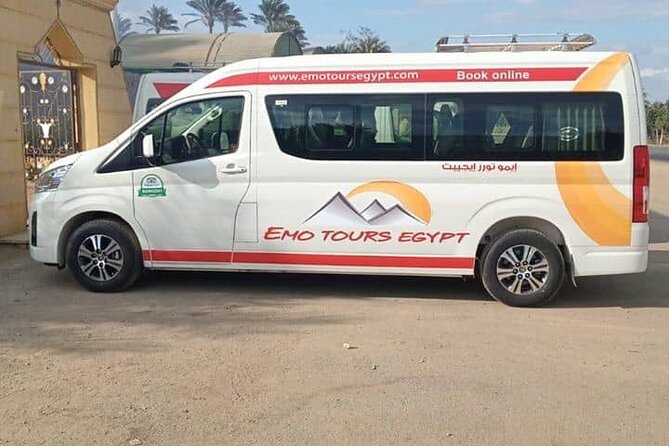
Lunch is included, which matters more than it sounds. A lot of full-day temple tours forget that your energy is fuel. Having lunch covered helps you keep your head clear for the later stops (especially once you’re tired and the light starts getting harsher).
Pacing is generally what you’d expect from a “highlights” day: you move, you see, you learn, you go again. That’s efficient, but it does mean you should plan to be flexible with photos and shopping time. If you need long pauses or you travel slowly because of mobility or fatigue, you may find this schedule more demanding than a multi-day itinerary.
My advice: wear breathable clothes, bring sun protection even if you have an A/C ride, and drink water. Bottled water is included, but your body still needs you to use it.
Price and value: what $165 gets you (and what you’re paying for)
At $165.00 per person, this isn’t a budget transfer, and it shouldn’t pretend to be. You’re paying for a private experience that combines:
- Private A/C vehicle for the full day
- Hotel pickup and drop-off
- An Egyptologist guide
- Entry fees
- Lunch
- Bottled water
When you look at it this way, the price becomes more reasonable, especially if you’re traveling as a group or family and you’d otherwise need to coordinate separate transport, separate tickets, and separate guide time.
Also, the “value” here isn’t just money saved. It’s time saved and stress reduced. A private car means you don’t spend your day negotiating with drivers or figuring out the order of stops. With multiple major temples involved, that smoothness has real worth.
If you’re traveling solo and expecting a cheap sightseeing run, you might feel the cost more. But for a temple-heavy day with pickup, guide expertise, and included entry fees, the structure is built to justify the price.
Who should book this Aswan day and who should skip it
This is a strong match if:
- You want Edfu, Kom Ombo, and Philae in one shot
- You like learning from an Egyptologist guide, not just seeing photos
- You value private transportation and clear timing
- You’re okay with a long day starting at 6:00 am
You might want to skip or look for a slower option if:
- You hate early starts and tight schedules
- You prefer one site at a time with lots of wandering
- You need a lot more rest between stops
For families, it can work well because the included services reduce decision-making. Just remember: it’s still a full-day outing, and kids (and adults) will do better with snacks, water, and patience.
Should you book this Luxor to Aswan private day trip?
If your priority is maximum temple time with minimal logistics headaches, I’d book it. The included guide support, entry fees, and lunch turn a potentially confusing day into a straightforward one. And the combination of Edfu’s preservation, Philae’s UNESCO story, Kom Ombo’s double-temple design, and the Aswan High Dam’s modern impact gives you real variety, not just a checklist of famous names.
If you’re the type who enjoys slow, empty corners of historic sites, you may find the schedule a bit tight. But if you want a well-organized highlights day where the day’s meaning connects—ancient gods to modern engineering—this fits nicely.
FAQ
What time is pickup in Luxor?
Pickup starts at 6:00 am from your hotel or Nile cruise in Luxor.
How long is the tour?
The tour runs for about 12 hours.
Does the price include lunch and entry fees?
Yes. Lunch and entry fees are included, along with bottled water.
Will I have a private vehicle and an Egyptologist guide?
Yes. You get a private, air-conditioned vehicle for transfers, plus a qualified Egyptologist guide.
Can the tour end in Aswan instead of returning to Luxor?
Yes. If you plan to stay in Aswan, you can be transferred back to your hotel in Aswan instead of returning to Luxor.
Is tipping included?
No. Tipping is not included.
Is free cancellation available?
Yes. You can cancel for a full refund up to 24 hours before the experience’s start time.